Cinnamon Sugar Puff Pastry Christmas Tree

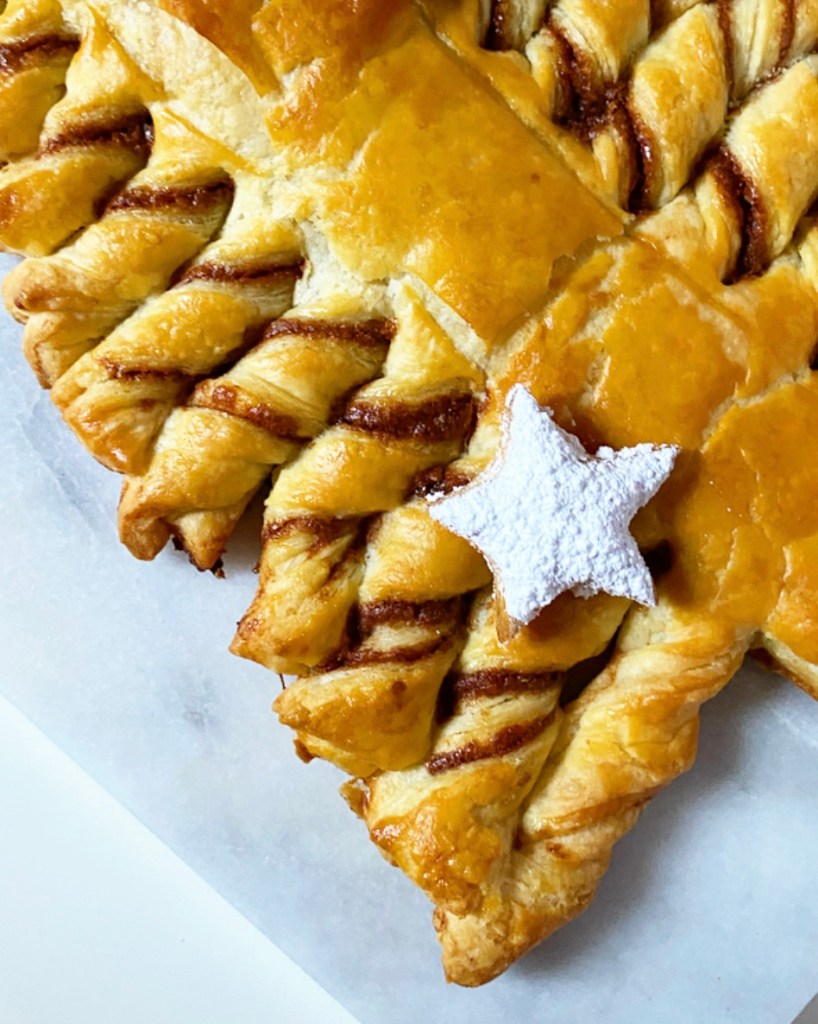
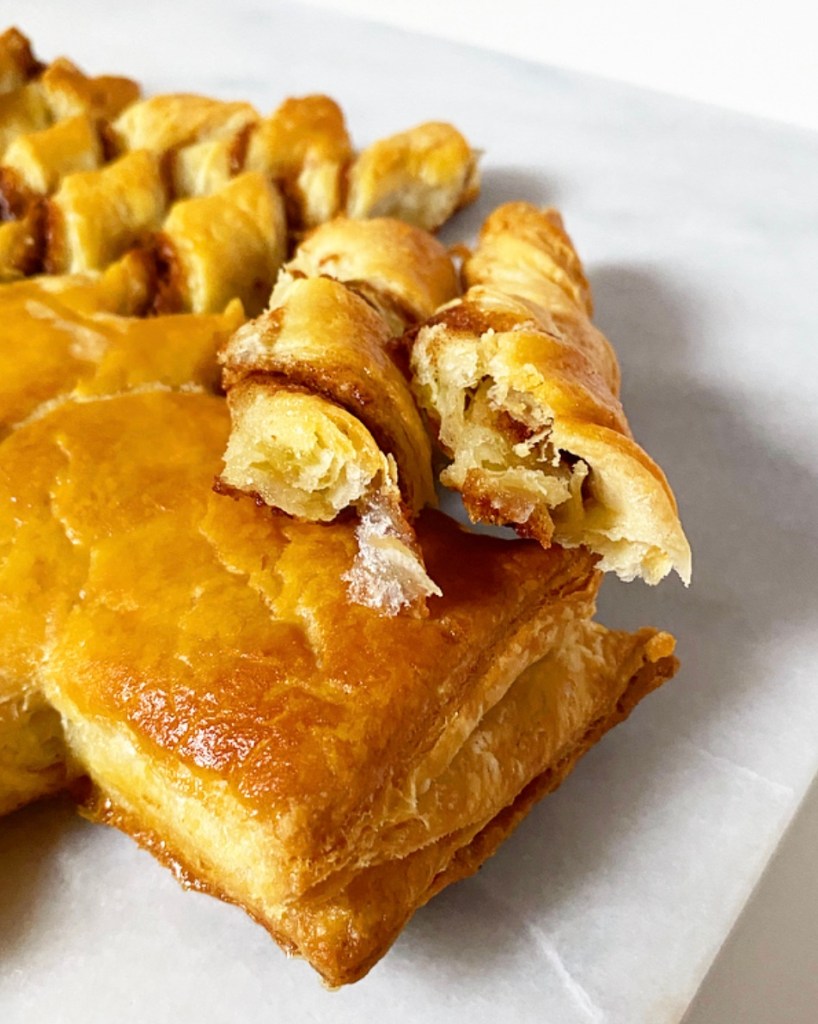
Between the burnout and a holiday case of COVID that set me way behind, this year has not had my best Christmas content. Not every December can be a winner, you know? But I’m back this week with a couple more recipes before the real festivities begin. I’m doing my best in this moment, and my best is this Cinnamon Sugar Puff Pastry Christmas Tree.

Cinnamon Sugar Puff Pastry Christmas Tree

It’s flaky. It’s tasty. It’s CUTE.

Cinnamon Sugar Puff Pastry Christmas Tree

It can be served in place of cinnamon rolls at your Christmas breakfast, or it can be a part of a tea or dessert spread.
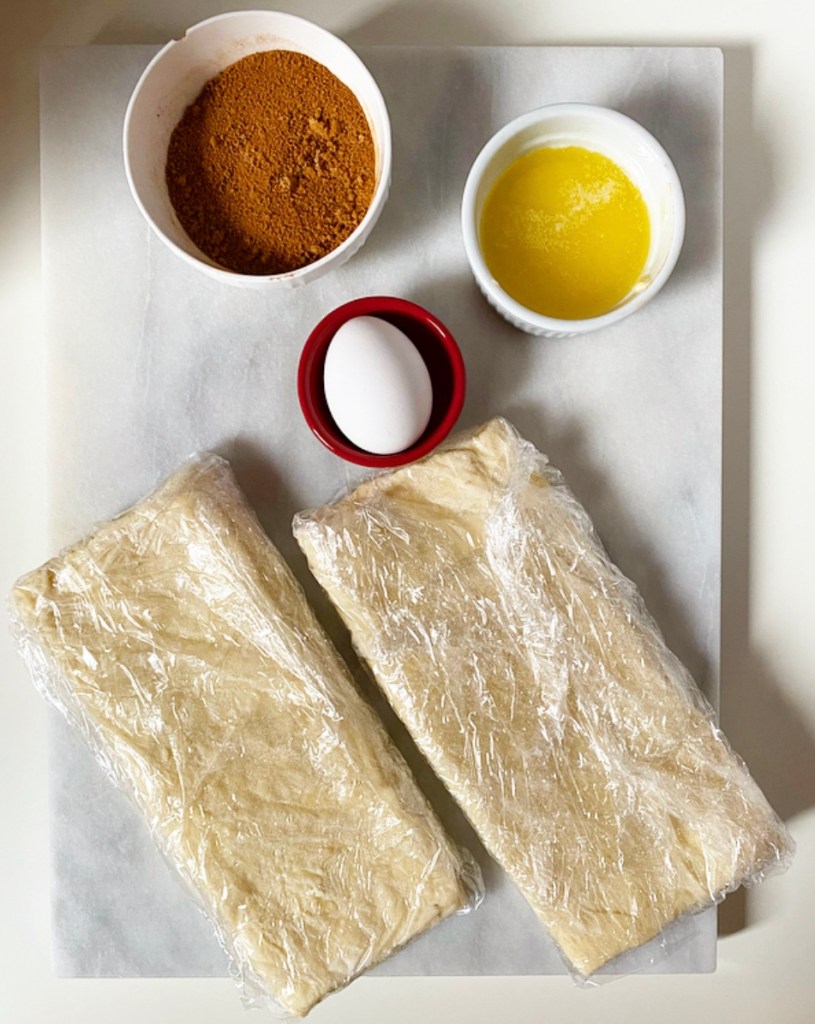
It can be made savory by swapping the pfilling with pesto or pimento cheese.

It can be made even easier with ready-made puff pastry instead of homemade rough puff.
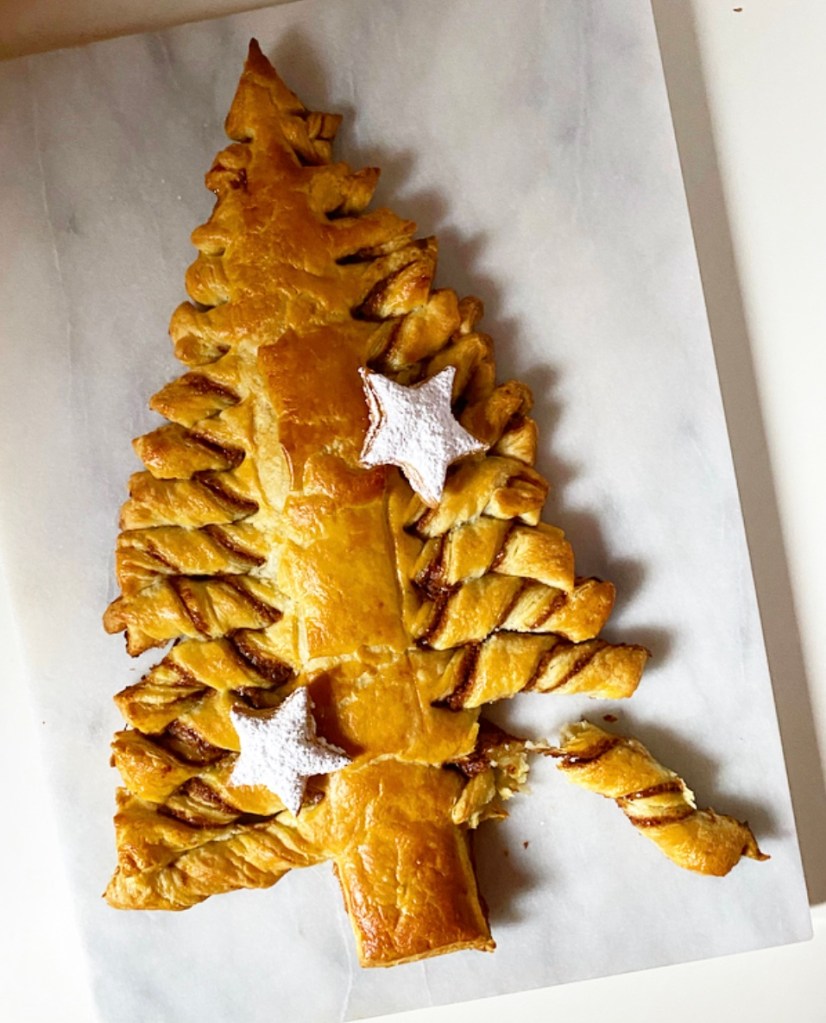
Cinnamon Sugar Puff Pastry Christmas Tree

Basically it can do it all, even when I can’t. That’s the kind of Christmas treat (tree-t?) I can get behind.
Cinnamon Sugar Puff Pastry Christmas Tree
makes one tree

Rough Puff Pastry (makes 2 sheets):
2 cup all-purpose flour
1/2 teaspoon Kosher or sea salt
10 ounces (20 tablespoons) unsalted European-style butter, very cold, cut into small pieces
1/2 cup water or milk, very cold

Cinnamon Sugar Filling:
1/4 cup light or dark brown sugar, packed
1 tablespoon ground cinnamon
1 tablespoon all-purpose flour
pinch of Kosher or sea salt
3 tablespoons unsalted butter, melted

Egg Wash:
1 large egg
1 teaspoon water

Garnish (optional):
1 tablespoon confectioner’s sugar

If you do not wish to make the Rough Puff Pastry, you may use two sheets of frozen all-butter puff pastry that you have thawed according to package directions. Begin the recipe at “Make the cinnamon sugar filling.”

Make the rough puff pastry. In a large mixing bowl, whisk together flour and salt. Use a pastry blender or two forks to cut butter into dry ingredients until the largest pieces are the size of small peas. Pour in cold water or milk and stir with a silicone spatula or wooden spoon until a shaggy dough forms.

Use your hands to give the dough a couple of kneads in the bowl, then divide it in half. Flour a surface and a rolling pin. Place one half on the floured surface. Place the other in the bowl in the refrigerator.

Flour a surface and a rolling pin. Turn dough out onto surface, and use your hands to pat it into a rough rectangle. Roll the dough into an 8x10" rectangle. Fold dough in thirds, and give it one quarter turn. Roll into an 8x10" rectangle again, fold, and turn. Repeat rolling, folding, and turning until it has been done six times total. Wrap folded dough in plastic wrap and refrigerate for at least one hour, or up to 48 hours. Repeat the mixing, rolling, folding and chilling process with remaining half of the dough.

Make the cinnamon sugar filling. In a small bowl, use a fork to whisk together brown sugar, cinnamon, flour, and salt. Mix in melted butter until a paste forms. Set aside.

Make the tree. Place an oven rack in the center position. Preheat oven to 400F. Line a rimmed half-sheet pan with parchment.

Flour a surface and a rolling pin. Unfold one sheet of dough. Roll out to 12x15-inch rectangle, or a bit larger. Transfer to the parchment lined baking sheet.

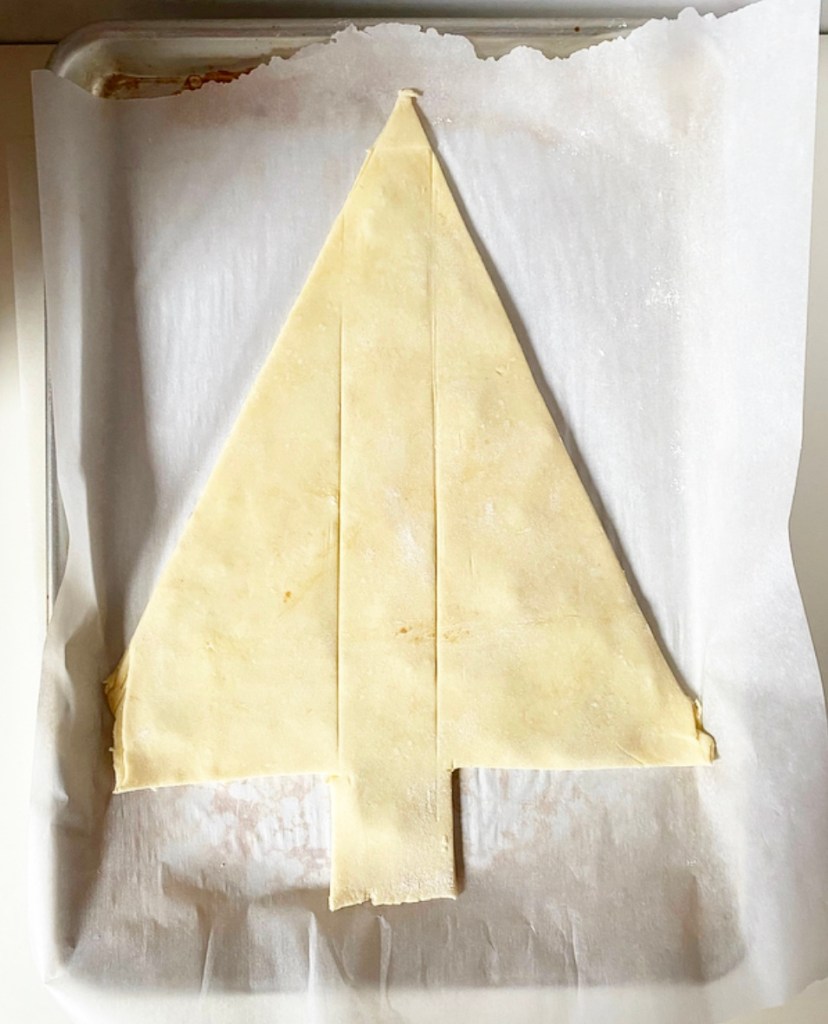
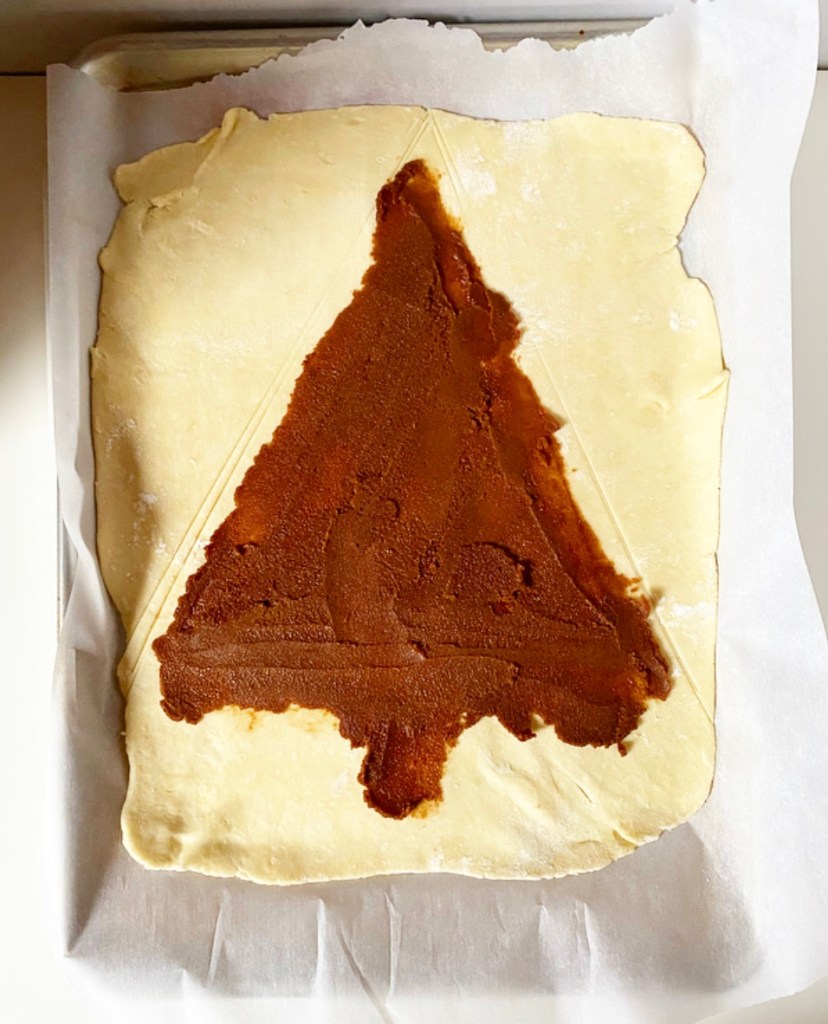
Use a knife or straight edge to score a large tree shape in the dough. Spread the cinnamon-sugar filling into the tree shape, leaving 1/2-inch border on all sides. Brush a tiny amount of water on the exposed border.

Retrieve the other sheet of dough and repeat the rolling and transfer process. Press down the dough so that you have “sealed” the filled tree shape. Use a large sharp chef’s knife or a straight edge to trim off all the excess dough, leaving behind the tree shape. If desired, return dough scraps to the floured surface and cut out stars or other shapes for decoration. Otherwise refrigerate dough and save for another purpose.

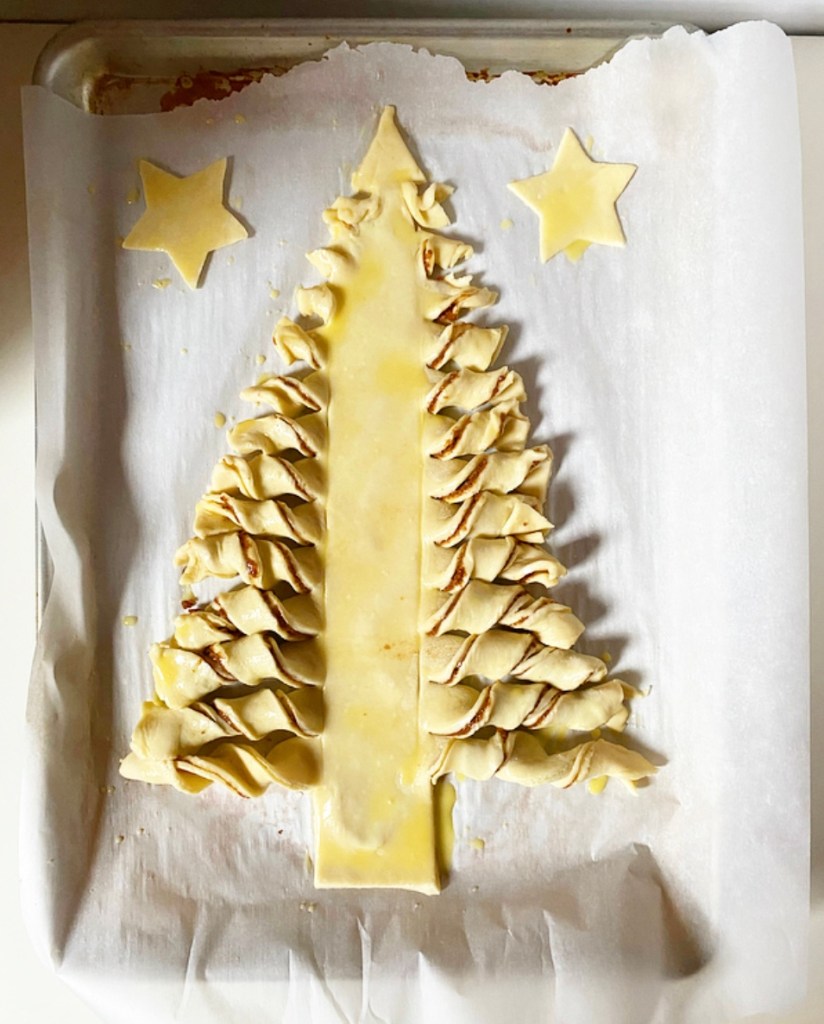
Use a straight edge to score a 1-1 1/2-inch length vertically down the center of your tree. Starting at the base of the tree, use a sharp knife to cut 1-inch strips all the way up on both sides, leaving them connected in the center.

Taking one strip of dough at a time, gently twist it a few times. Repeat with all strips up to the top; as they get shorter, they will accept fewer twists.

Make egg wash. Combine egg and water in a small bowl and whisk together with a fork. Use a pastry brush to paint egg wash over the entire tree. If you cut stars from the excess, add them to the pan and paint with egg wash.

Bake tree for 28-30 minutes, until completely golden. Let cool 10 minutes before carefully removing to a serving plate. I found this easiest to do by lifting it on the parchment, placing it on the serving dish, then sliding out the parchment from underneath. Arrange stars, if using.

Sift confectioners sugar over all or part of the tree (I did the stars and then placed them). Serve warm or at room temperature.

White Chocolate Cranberry Pistachio Shortbread Wedges

White Chocolate Cranberry Pistachio Shortbread Wedges​

Hi there! I am sorry I left you hanging for a few weeks there—COVID finally got me—but I am very happy to be back with a new recipe in time for the Sweetest Season Cookie Exchange. This event, which I am participating in for the fifth year, is a food blogger-lead fundraiser and awareness campaign for Cookies for Kids’ Cancer. This organization is a 501(c)3 non-profit with the express mission to raise funds for innovative pediatric cancer treatments and research through bake sales and cookie swaps. Supporters (“Good Cookies”) can do this throughout the year, but I am delighted to lend support as part of my holiday giving especially right now when OXO is matching donations up to $100,000! If you’d like to learn more and/or make a charitable donation to Cookies for Kids’ Cancer, click here. For White Chocolate Cranberry Pistachio Shortbread Wedges, keep scrolling!

White Chocolate Cranberry Pistachio Shortbread Wedges​

I would like to give a high five to whichever person decided white chocolate, dried cranberries, and pistachios is a Christmas combination. I don’t believe it was a part of any holiday parties or cookie exchanges I took part in while growing up, but I am all for it now. Aside from just being festive—love that red, green and white—it’s delicious, and a welcome departure from the chocolate, peppermint, and spice-heavy fare that seems to be available 24/7 in December. Not that I’m complaining.

White Chocolate Cranberry Pistachio Shortbread Wedges​

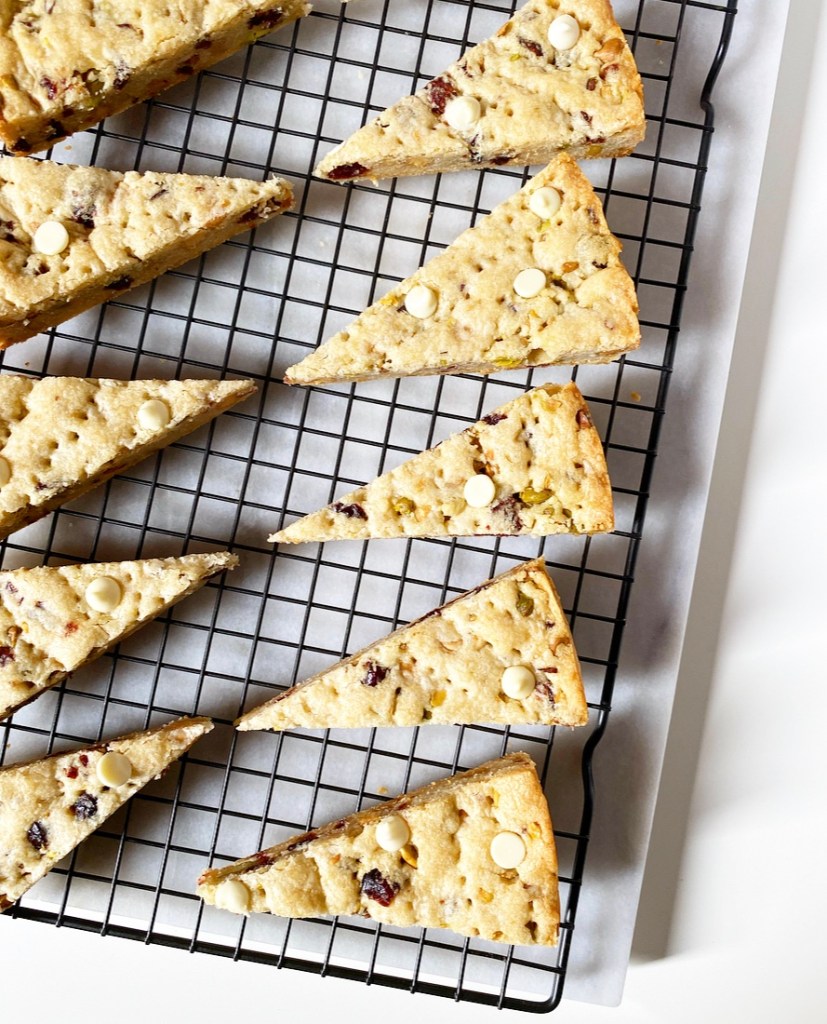
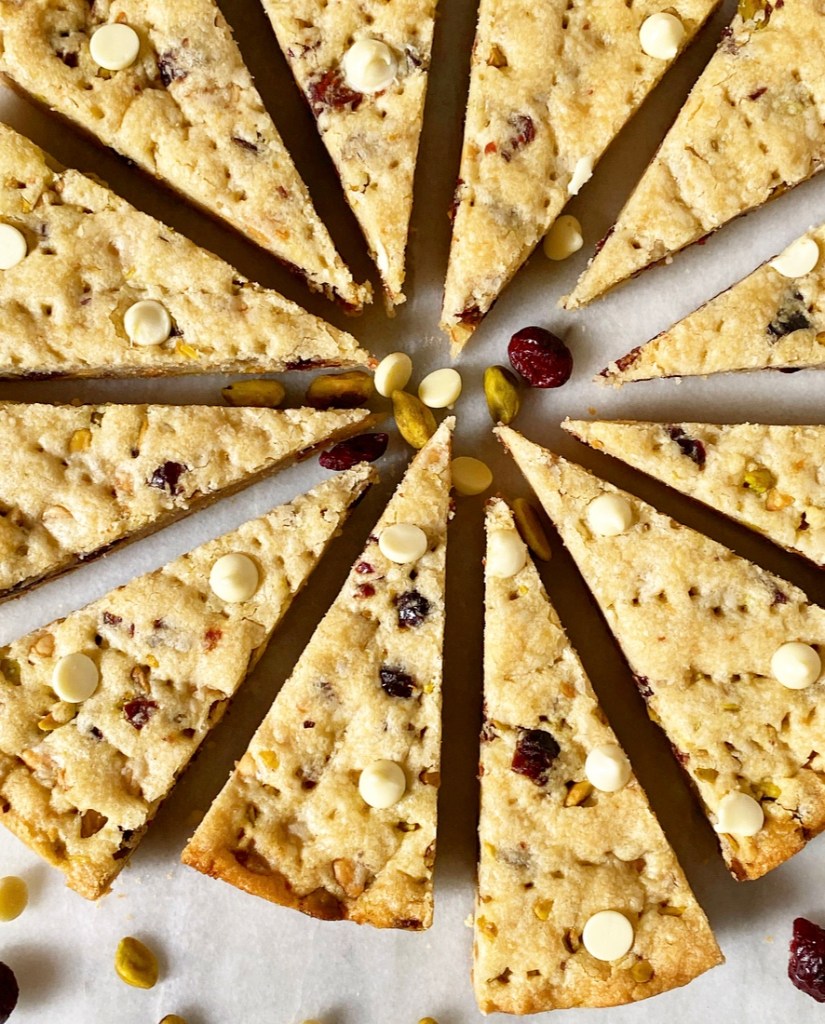
Today’s White Chocolate Cranberry Pistachio Shortbread Wedges are the perfect vehicle for showcasing this new holiday classic combination. They’re simple to make, require just a few ingredients, and are incredibly cute—things cut in wedges automatically have Christmas tree vibes, you know?

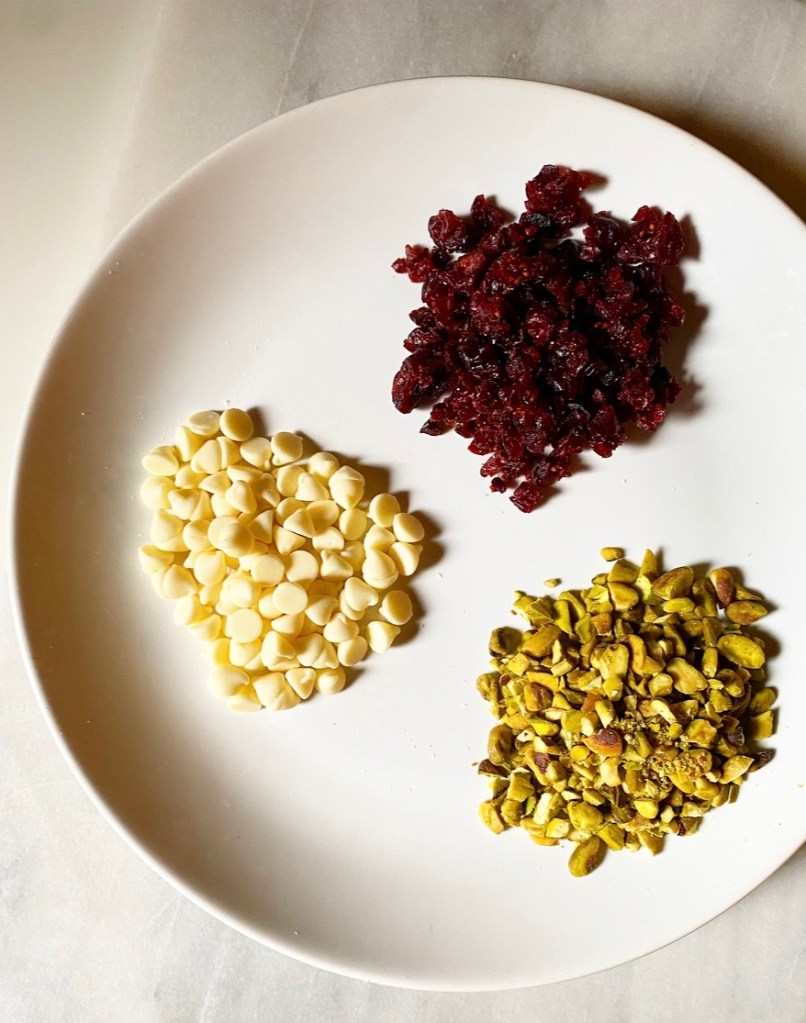
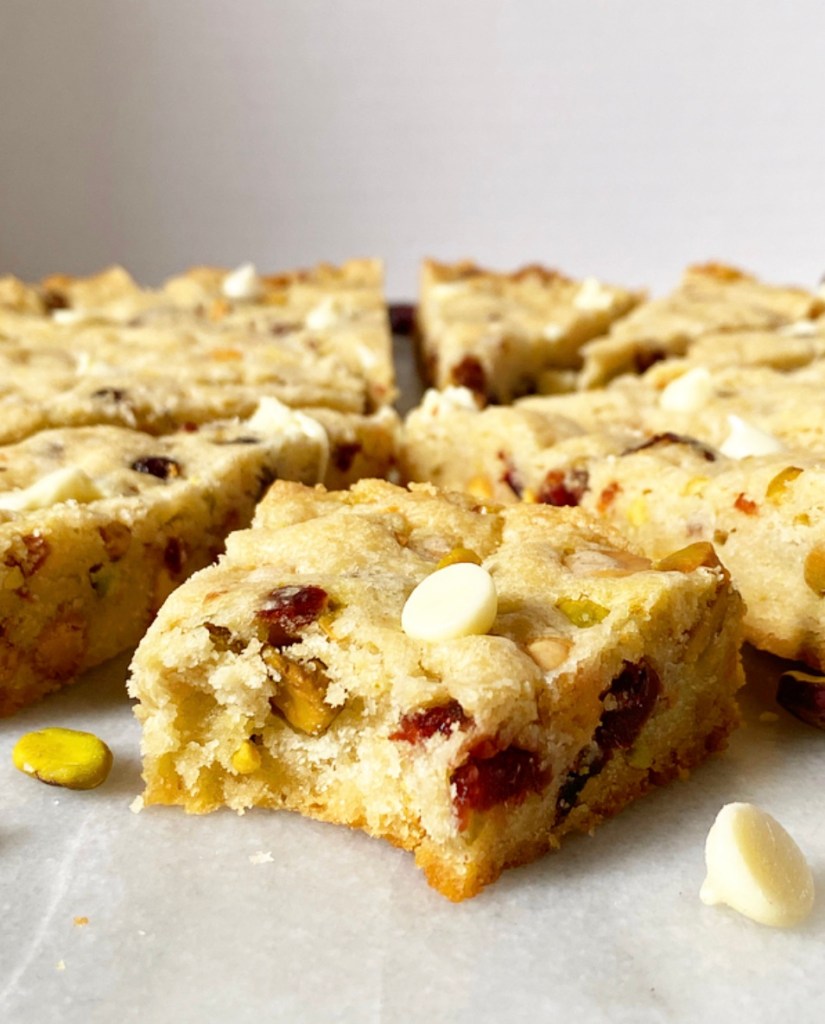
These buttery shortbread treats come together just as simply as the classic cookies. The dough is mixed in one bowl in just a few minutes. It’s got all the usual shortbread suspects (granulated sugar, softened butter, all-purpose flour), plus confectioner’s sugar, vanilla and salt for smooth texture, flavor and balance. Oh, and white chocolate chips, chopped dried cranberries and pistachios for pizzazz!

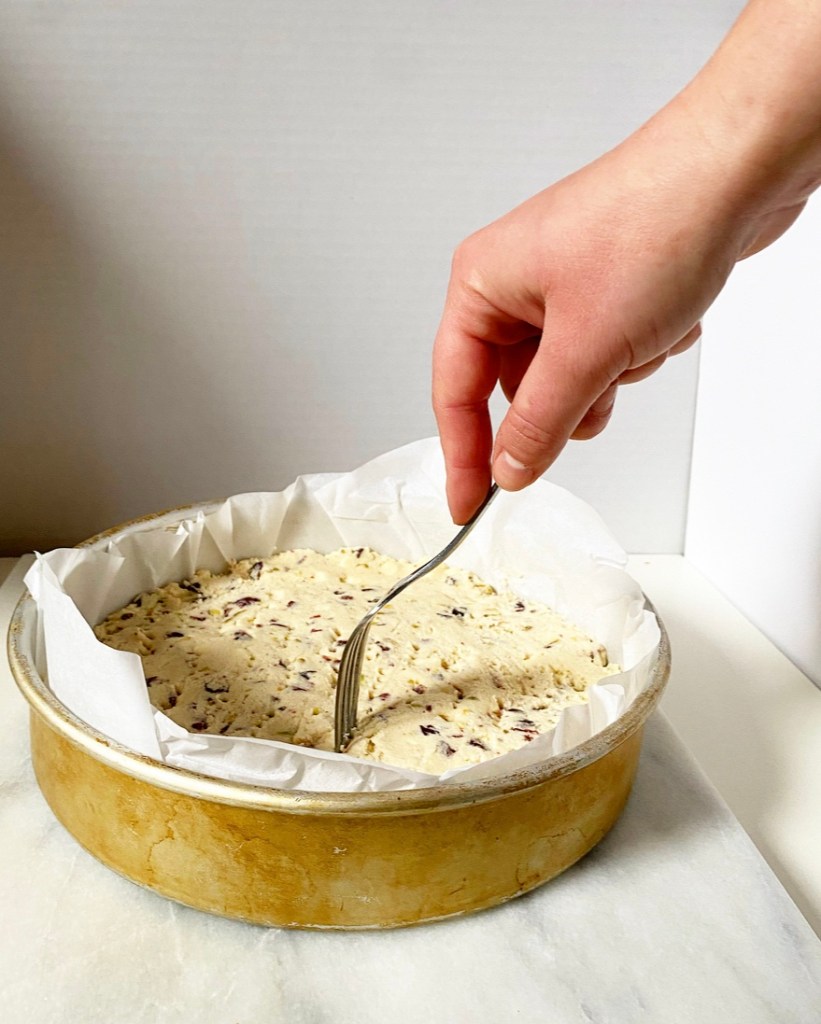
Once mixed, the dough is spread into a cake pan lined with an extra-large piece of parchment. It’s docked (vented) with a fork all over before baking for about 40 minutes, until just turning golden at the edges. Fifteen minutes later, that extra-large parchment is used to lift the whole disk of shortbread onto a cutting board and slice it into wedges while it’s still warm. I love those clean edges.

These shortbread wedges are thick and substantial, with a slight softness to their crunch, and plenty of color and flavor from the mix-ins. My favorite bites are the ones with white chocolate—it caramelizes in the oven and is outrageously good. I like to dot a few extra white chocolate chips on top after baking for diversity of flavor (and obvious cuteness). And the chewy cranberries and crunchy pistachios? So good!

White Chocolate Cranberry Pistachio Shortbread Wedges​

White Chocolate Cranberry Pistachio Shortbread Wedges are perfect for any upcoming party or cookie giving (eating?) occasion. They’re as satisfying to make as they are to eat, and the dough is a perfect blank slate for any festive mix-in your holiday heart desires. What would you put in shortbread wedges? Let me know in the comments!

White Chocolate Cranberry Pistachio Shortbread Wedges​
White Chocolate Cranberry Pistachio Shortbread Wedges
makes 12-16 wedges

3/4 cup unsalted butter, softened to room temperature
1/3 cup granulated sugar
1/3 cup confectioners sugar
2 teaspoons pure vanilla extract
1 3/4 cups all-purpose flour
1/2 teaspoon Kosher or sea salt
1/3 cup dried cranberries, finely chopped
1/3 cup pistachio meats, finely chopped
1/3 cup white chocolate chips, plus more for garnish

Preheat oven to 325F. Cut a large (12-14 inch) circle of parchment paper. Grease a 9-inch cake pan with butter. Line the pan with parchment circle, leaving the overhang for ease of removal. Grease again. Set aside.

Place softened butter in a large mixing bowl. Use an electric mixer to beat until light and fluffy, about 2 minutes. Add granulated and confectioners sugars and vanilla, and beat until incorporated. Beat in half of flour and salt, followed by remaining flour. Add chopped dried cranberries, pistachio meats, and white chocolate chips.

Transfer dough to prepared pan and press into an even layer. Use the tines of a fork to dock the entire surface of the dough. If you hit a big piece of pistachio (or whatever), simply pull it off the fork and press it back into place.

Bake shortbread 38-40 minutes, until golden at the edges and set on top. Dot with additional white chocolate chips, if desired.

Let shortbread cool in the pan on a rack for 15 minutes. Then use the overhang to remove the still-warm shortbread to a cutting board. Use a large sharp chef’s knife to cut into 12 large or 16 smaller wedges. Gently transfer wedges back to the rack and let cool completely. Serve.

Leftover shortbread will keep covered at room temperature for a few days.

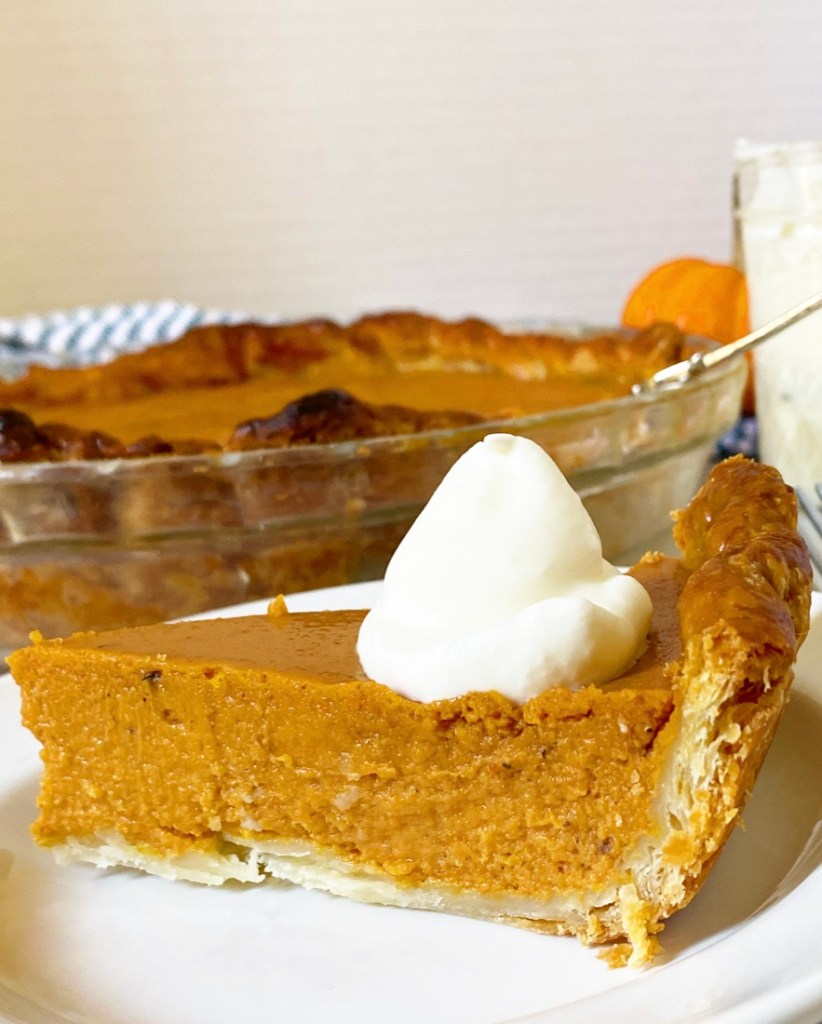
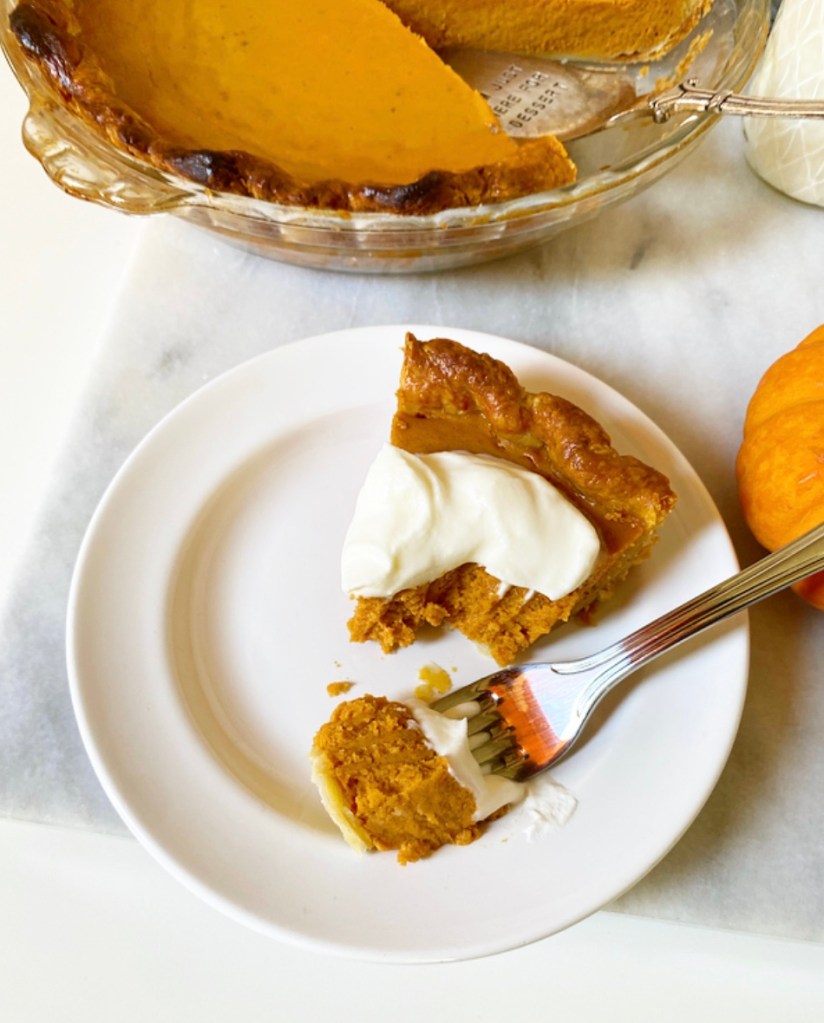
Sweetened Condensed Milk Pumpkin Pie

If you’ve spent any amount of time in the recipe development corner of the internet, you know that there are as many different ways to make pumpkin pie as there are stars in the sky.

Sweetened Condensed Milk Pumpkin Pie

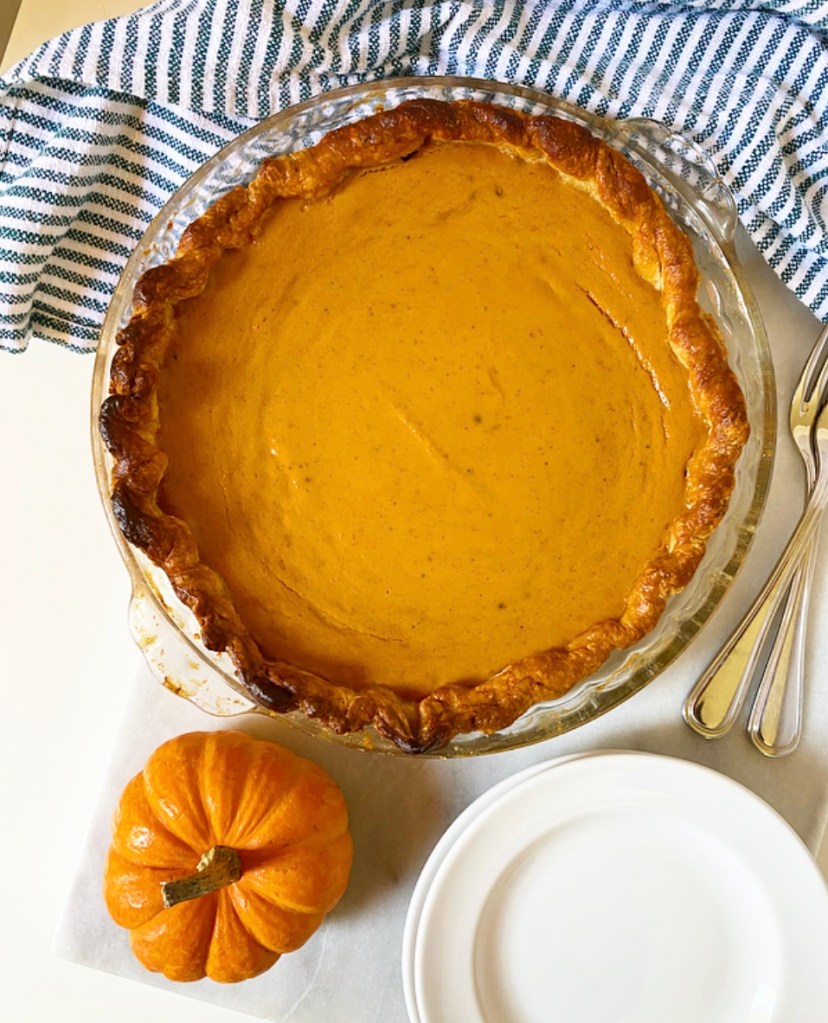
Okay, I may be exaggerating, but I’m not kidding when I say there are a *lot* of ways to make this classic Thanksgiving dessert. Until today, there were four on this site alone (1, 2, 3, 4), but now there are five. This one, made with one of my favorite ingredients, sweetened condensed milk, might just be my favorite. For now, at least.

Sweetened Condensed Milk Pumpkin Pie

You see, sweetened condensed milk can do it all. It sweetens, binds, and gives things and smooth, creamy texture. It carries the load in desserts from key lime pie to magic bars to no-churn ice cream. In short, it’s an incredible tool to have in your baking arsenal, especially if you’re in charge of making pie next week.

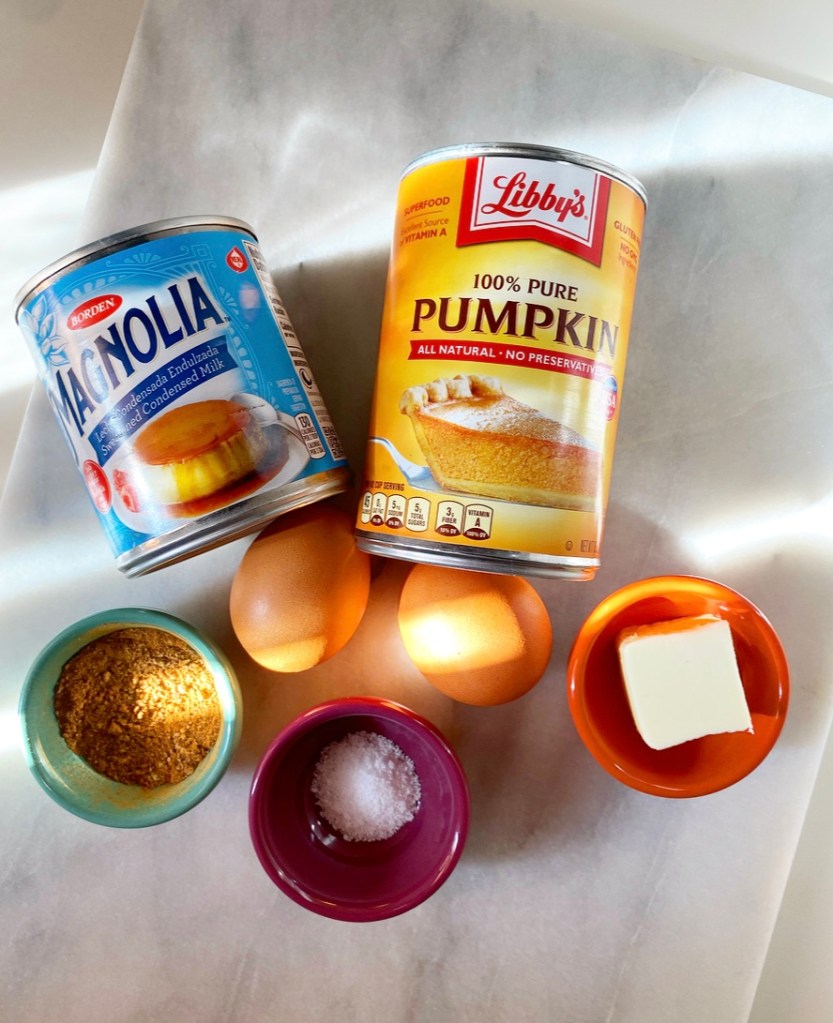
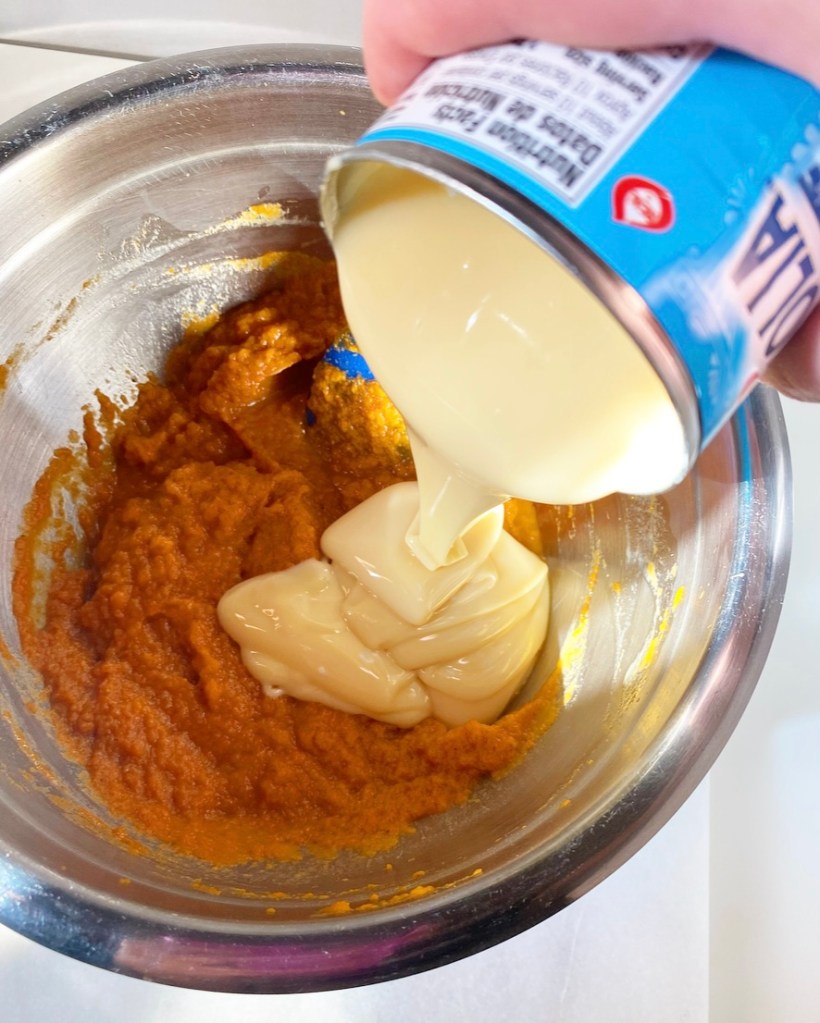
Sweetened condensed milk helps to sweeten and set this pumpkin pie filling, just like it does in my seasonal Pumpkin Spice Spread. It has the added benefit of cutting the list of ingredients a little shorter, too—a welcome shift anytime of year, but especially at the holidays.

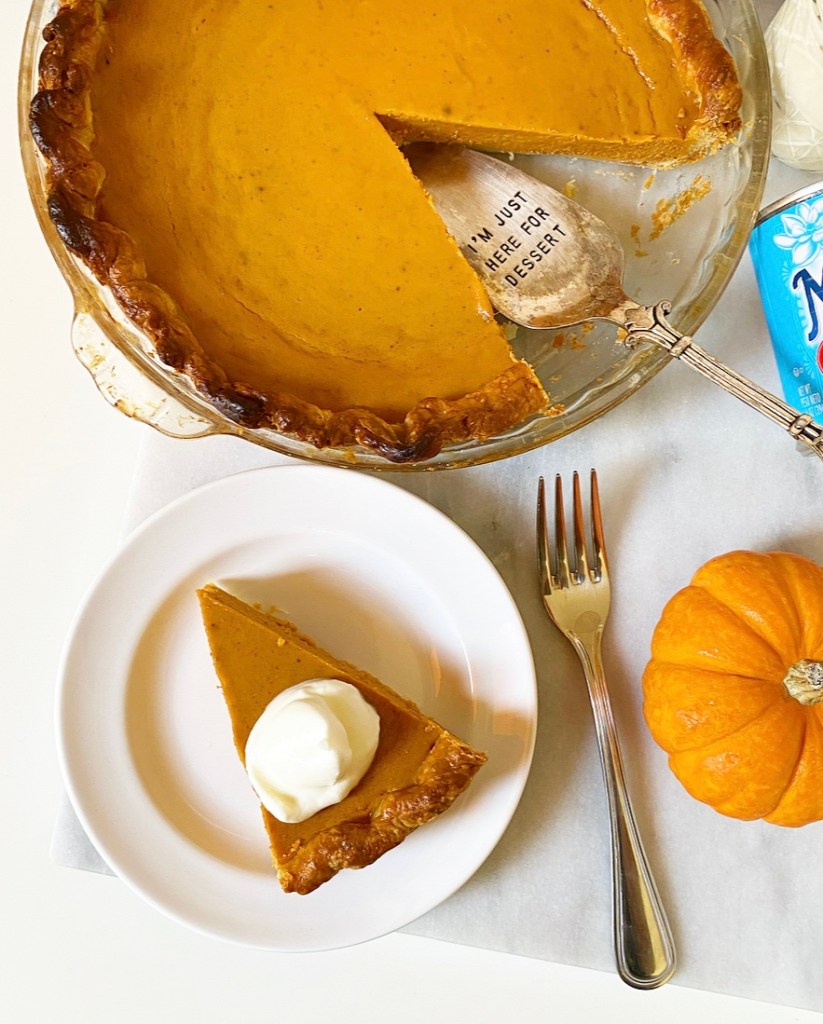
Here, sweetened condensed milk is mixed with all the usual pumpkin pie suspects—a can of pumpkin purée, pumpkin pie spice, salt, eggs, and a touch of butter—and poured into a par-baked crust before baking. You’ll notice that the oven temperature goes from 350F to 425F and then back to 350F before this pie is done; it seems like a lot, but if followed, I can promise you flaky crust and a perfectly smooth set center.

I like to make Sweetened Condensed Milk Pumpkin Pie a day ahead because I prefer my custard pies cold. That’s not the case for everyone though, so feel free to serve it at room temperature. Whichever you choose, don’t forget the whipped cream.
Sweetened Condensed Milk Pumpkin Pie
makes 1 pie

For the crust:
1/2 recipe All Butter Pie Dough or other good single crust recipe
pie weights (or dedicated dried beans or rice) for blind baking

Filling:
2 cups pure pumpkin purée (1 15-ounce can)
2 1/2 teaspoons pumpkin pie spice
1/2 teaspoon Kosher or sea salt
2 large eggs, room temperature
1 14-ounce can sweetened condensed milk (not fat free)
2 tablespoons butter, melted

For serving:
whipped cream

On a floured surface, roll out pie dough to a 12" diameter. Fit into a deep 9-inch pie plate and trim the overhang to 1/2-inch. Crimp the edges and freeze for 30 minutes or refrigerate for an hour.

Place an oven rack in the lowest position. Preheat oven to 350F.

Remove pie crust from the freezer. Prick the bottom several times with the tines of a fork. Line frozen crust with a big piece of parchment. Fill the center with pie weights (or dried beans or rice).

Place the prepared pie crust on a rimmed baking sheet and bake for 20-25 minutes, or until pie crust has “set” and is starting to turn golden in places, but is far from done. Use parchment to lift out pie weights. Return crust to the oven for 10 minutes, then set aside.

In a large mixing bowl, mix together pumpkin purée, pumpkin pie spice and salt. Whisk in eggs one at a time, followed by sweetened condensed milk and melted butter. Pour pie filling into prepared crust.

Make the egg wash. In a small bowl, use a fork to whisk together egg and water. Brush over exposed crust.

Bake the pie for 15 minutes, then turn the oven temperature to 350F for an additional 45-50 minutes, covering the crust with foil if it starts to get too brown. The pie is ready when the filling no longer jiggles, or when a toothpick inserted in the middle comes out clean.

Let pie cool completely on a rack. Cover and chill, if desired. Serve at room temperature or chilled with whipped cream. Pie will keep covered at room temperature for up to two days or in the refrigerator for up to four days.

Cloverleaf Rolls

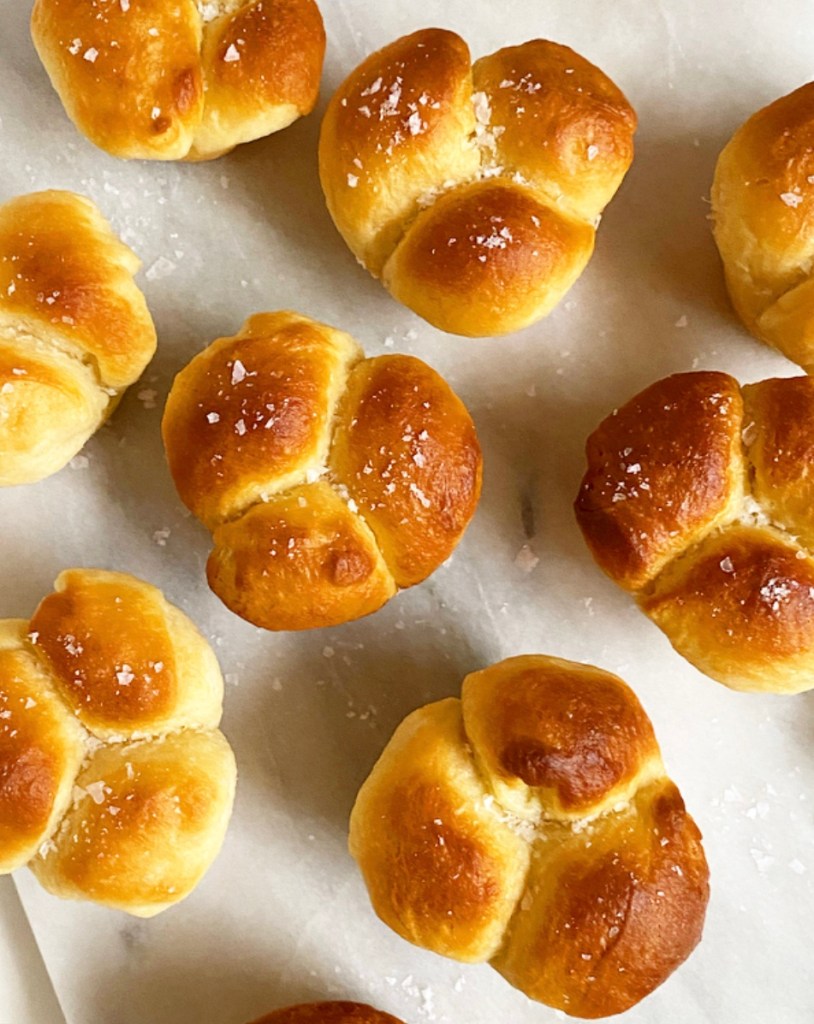
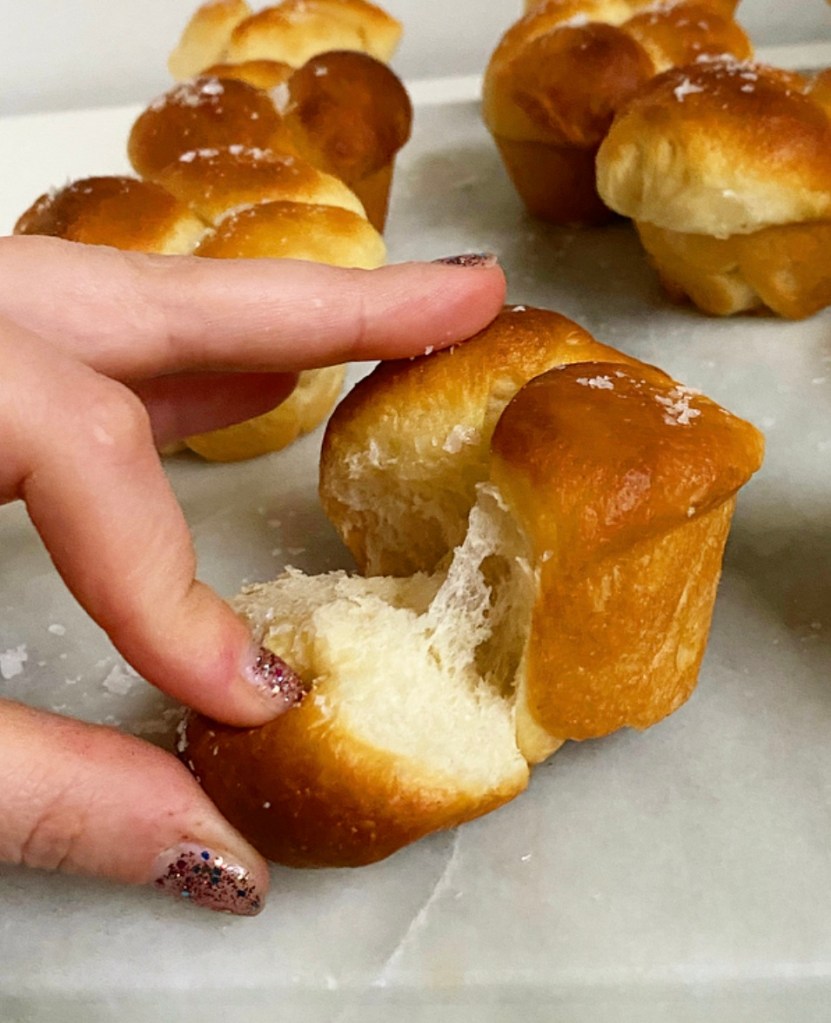
Once I started making my own dinner rolls and realized what a snap they are, I knew I had to try Cloverleaf Rolls next. They’re so buttery and pretty, and you can peel them apart—they’re a food and an activity!

Cloverleaf Rolls begin with the same dough as my original Fluffy Dinner Rolls. The recipes are identical until after the first rise when the dough is punched down and divided into twelve pieces.

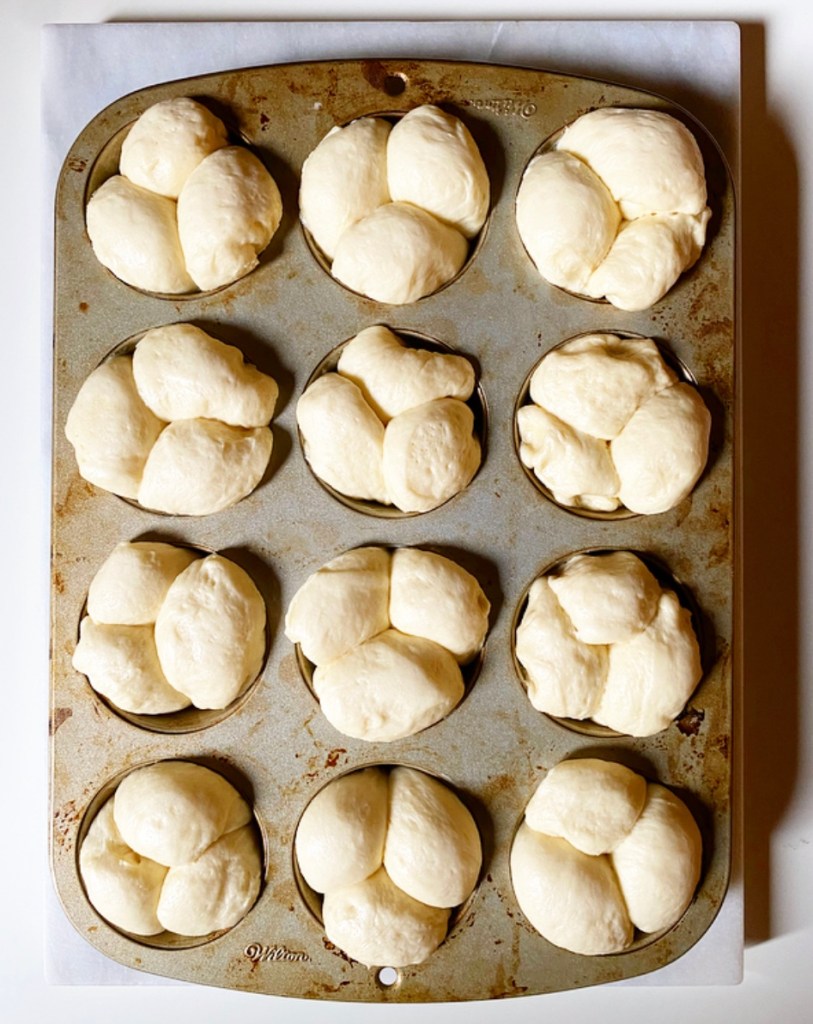
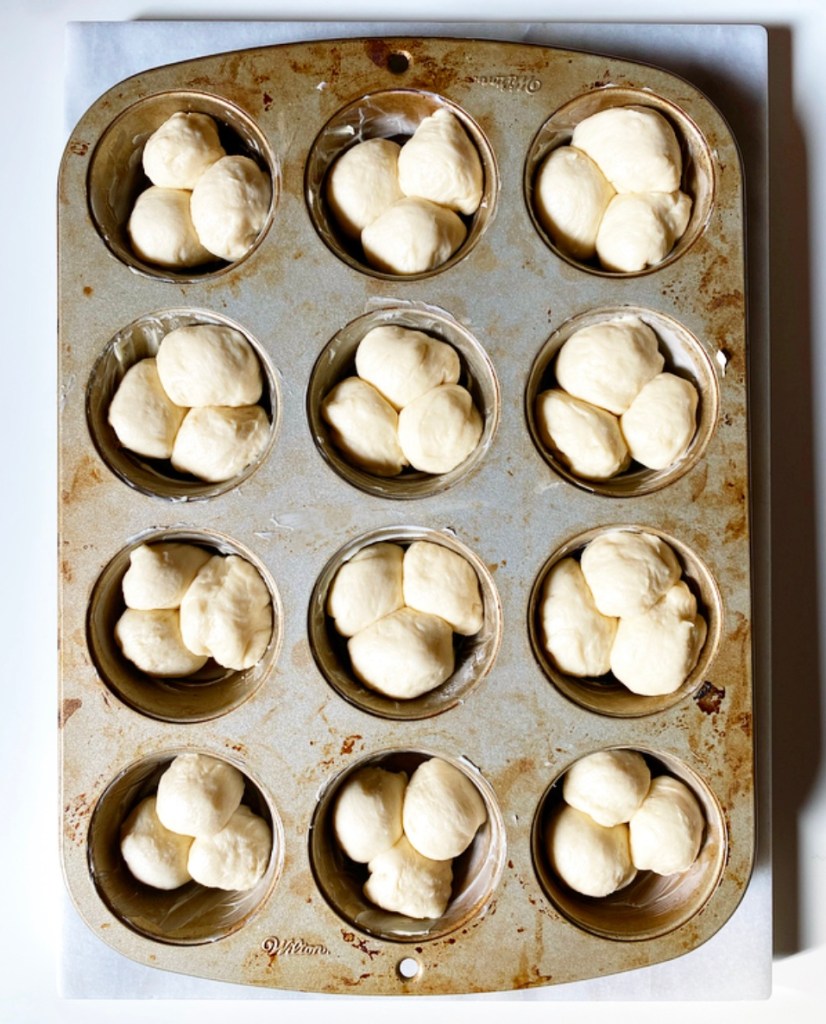
Each piece is further divided into three pieces (or four if you want four leaf Cloverleaf Rolls). Those little pieces are rolled into balls and sorted into a buttered muffin tin three at a time. They’ll rise up and the balls will fuse into “leaves” before baking. This is how they get that perfect peelability, not unlike Monkey Bread.

Cloverleaf Rolls

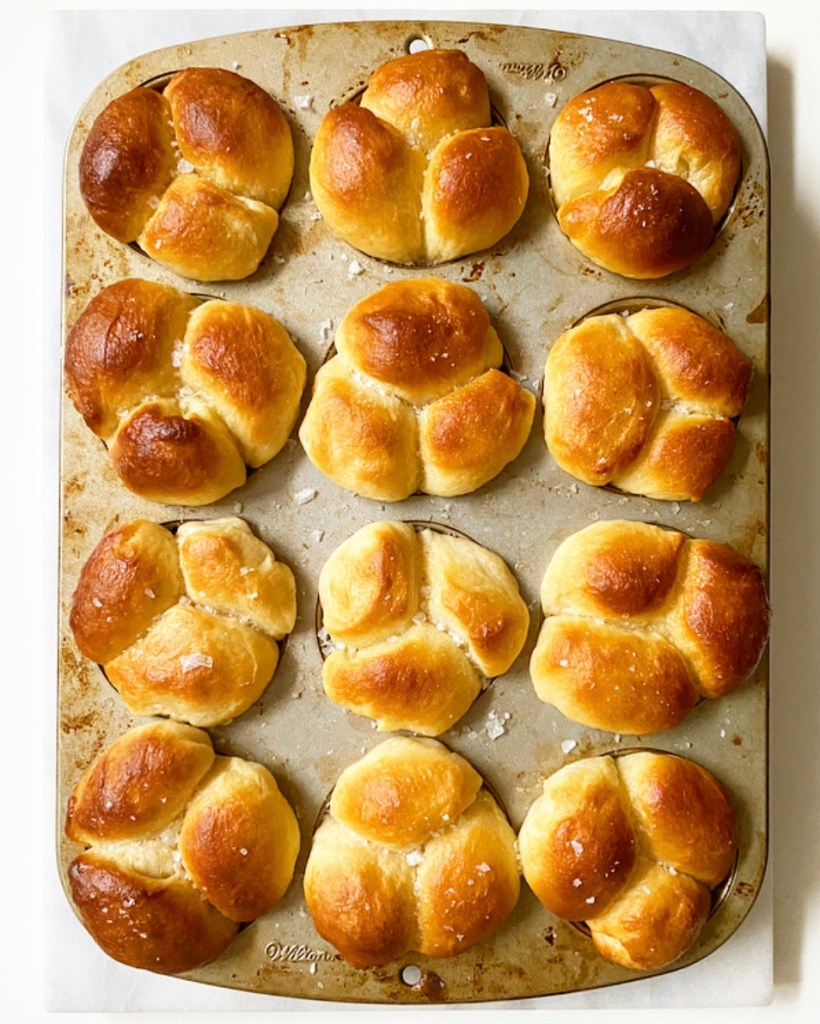
When the rolls are baked and golden, they get brushed with butter and sprinkled with flaky salt—fancy! Served warm, they’re the perfect addition to any Thanksgiving or holiday spread. I like to make them at random throughout the year as well—surprise Cloverleaf Rolls, anyone?

Cloverleaf Rolls
Cloverleaf Rolls
makes 12 dinner rolls

1 cup buttermilk
3 tablespoons granulated sugar
2 1/4 teaspoons (1 packet) active dry yeast*
2 3/4 cups all-purpose flour, divided
3/4 teaspoon fine sea salt
1/4 cup (1/2 stick) unsalted butter, cold, cut into cubes

For brushing & garnish:
1/4 cup (1/2 stick) unsalted butter, divided
flaky salt (I used Maldon)

Read the recipe all the way through before beginning. Instructions for using instant yeast and mixing by-hand are in the notes at the end of the recipe.

In a small saucepan over low heat, warm the buttermilk until it’s between 90-110F (warm to the touch, but not so hot that you can’t comfortably hold a finger in it).

Stir together buttermilk and granulated sugar in a liquid measuring cup or small bowl. Sprinkle yeast over the top and allow to sit for 5 minutes or until it is a bit bubbly or foamy (sometimes a light stir can help this be more visible). If it doesn’t bubble, your yeast is dead. Discard the mixture, get new yeast, and try again.

In the bowl of a stand mixer* fitted with a dough hook, combine 2 cups of flour and salt. Add butter and buttermilk mixture and mix to combine. Mix in remaining 3/4 cup flour. Knead dough in mixer* for 5 minutes or until smooth and slightly sticky. Cover bowl with plastic wrap and place in a warm, draft-free environment for 1 hour, or until dough has doubled in bulk.

Meanwhile, heavily butter (or otherwise grease) a 12-capacity muffin tin. Set aside.

Flour a surface. Uncover risen dough and gently punch it down. Place dough on floured surface and pat out into a 1-inch thick rectangle. Flour a large, sharp chef’s knife and slice the rectangle into 12 pieces.

Shape the rolls. Working with one piece at a time, slice it into 3 equal pieces. Working with one smaller piece at a time, use your fingers to pull edges or creases underneath, creating a smooth ball-like appearance. Place in pan, using 3 balls per muffin cup. Repeat until all rolls have been shaped.

Loosely cover the pan of rolls and place in a warm, draft-free environment for 30-45 minutes or until they have puffed over the top of the pan (see pictures).

Meanwhile, place an oven rack in the central or lower position (either will work). Preheat your oven to 400F. Melt the butter for brushing.

Uncover risen rolls. Use a pastry brush to gently brush the tops with 2 tablespoons of melted butter. Bake rolls for 19-20 minutes, or until deep golden on top. Brush with remaining 2 tablespoons of melted butter when you remove them from the oven. Sprinkle with flaky salt, if desired.

Let rolls cool 10-15 minutes before serving.

Rolls are best the day they are baked, but will keep in an airtight container at room temperature for a day or so.

Notes:
  • You may use an equal volume of instant yeast. Add it (and the sugar) directly to the dry ingredients, skipping the blooming step. Add warmed buttermilk and butter directly to the dry ingredients and mix as written above in the paragraph beginning “In the bowl of a stand mixer.” The rises may take about 15 minutes longer than with active dry yeast.
  • You may mix this dough in a large mixing bowl with a silicone spatula or wooden spoon.
  • You may knead this dough by hand on a floured surface.

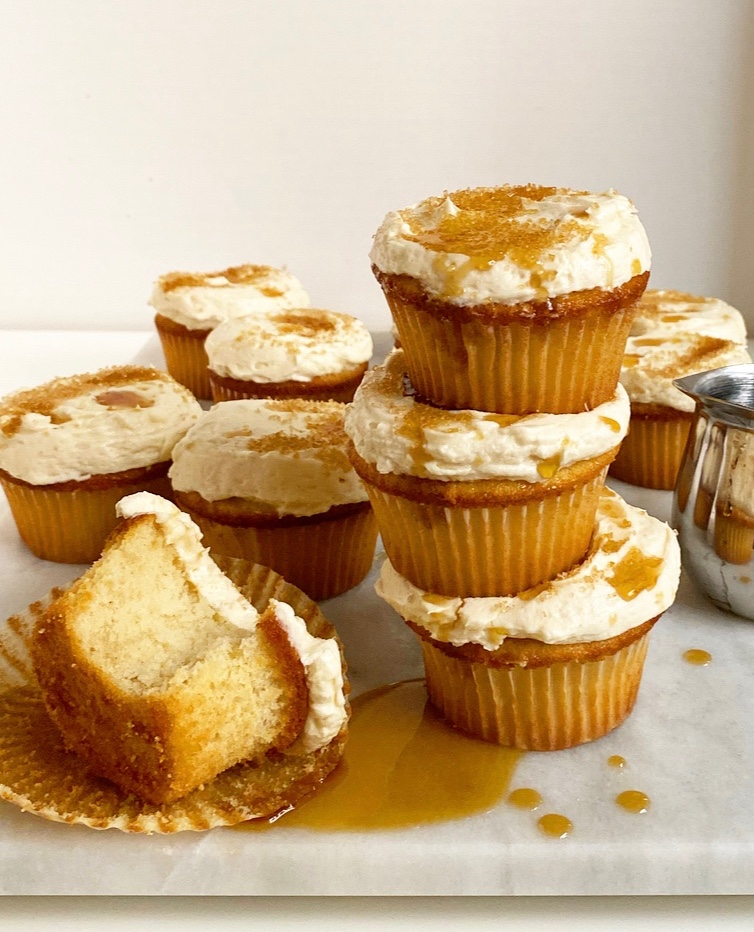
Maple Cupcakes

I know we’re past Halloween, but I’m not quite ready to dive into Thanksgiving food. Rest assured, I will be soon, but I need just one more minute to savor non-holiday food before we get to the pies and sides and then everything that Christmas requires. All of those things are wonderful, but let’s a moment for Maple Cupcakes first. I promise they deserve a second in the spotlight.

Maple Cupcakes

To me, Maple Cupcakes are the ideal treat to make the first weekend in November. Their hint of spice and natural colors make them seasonally appropriate, but they’re not associated with any holiday tradition I can think of. They’re just delicious—nothing more, nothing less.

Maple Cupcakes

Maple Cupcakes are a take on my reader favorite Maple Layer Cake. Like that dessert, they have maple syrup in a minimum of three elements; four, if you’re feeling kicky. Truly, these are a maple lover’s dream.

(It’s me. Hi. I’m the maple lover. It’s me.)

Maple Cupcakes

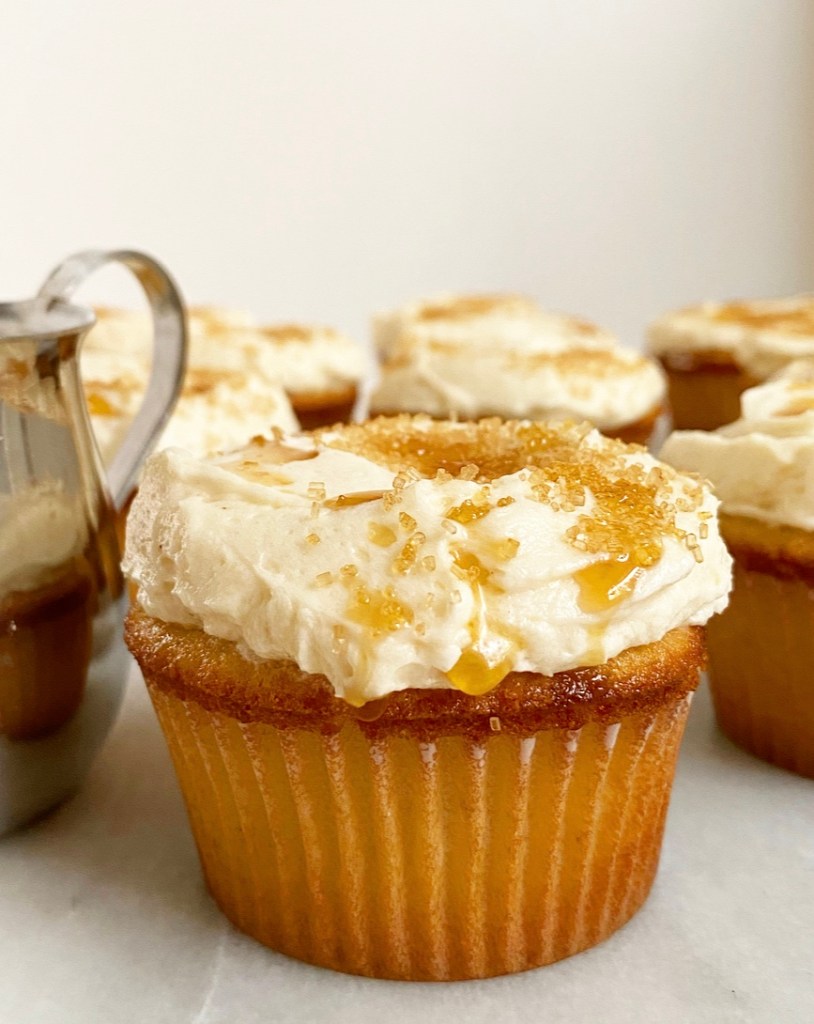
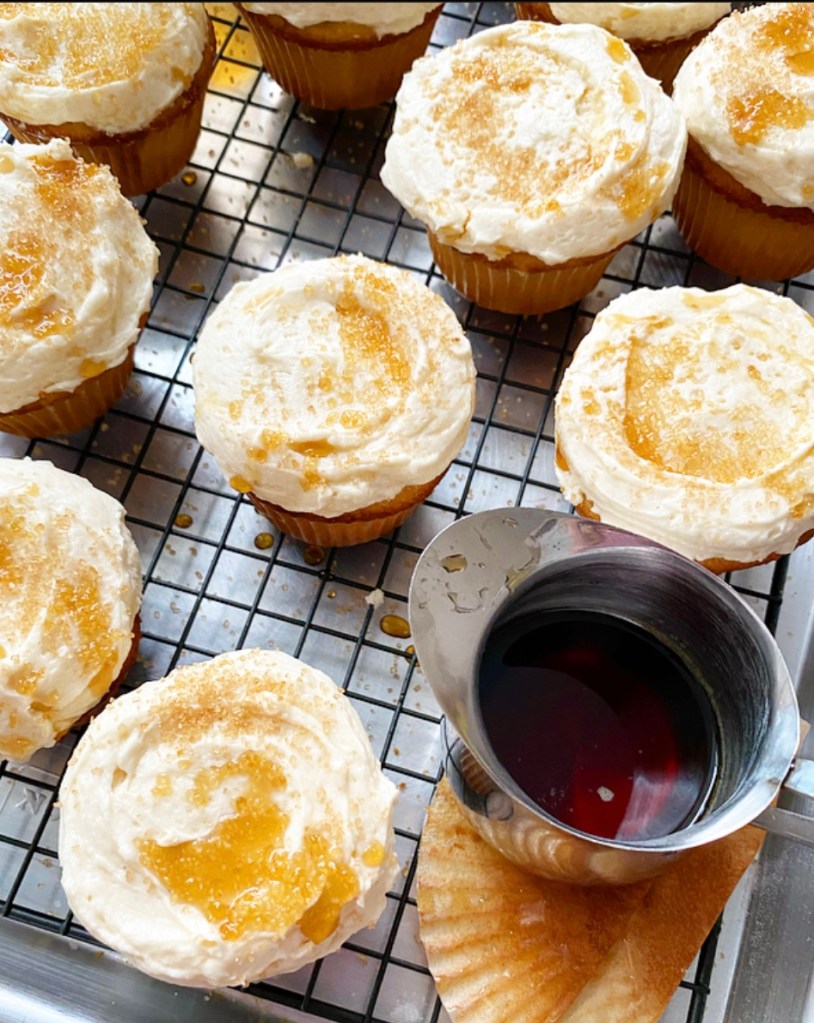
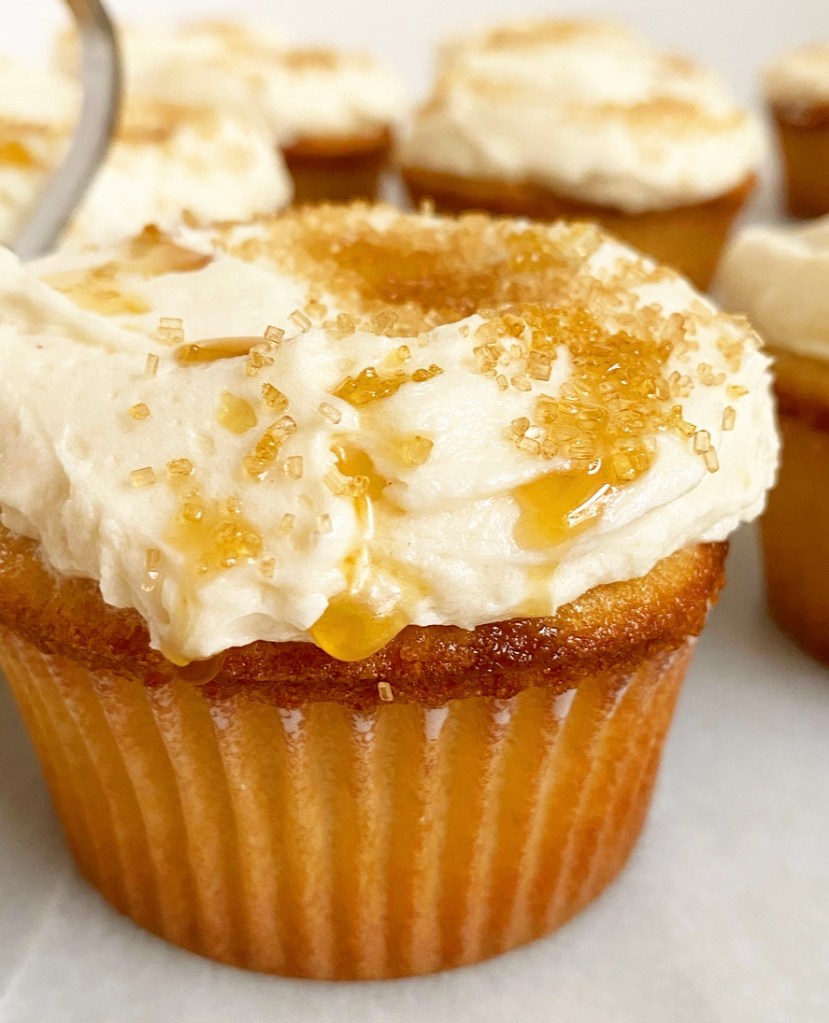
The cupcakes themselves are a lightly modified spin on my go-to vanilla recipe. They’re simple to make and the results are spectacular—soft and springy with the tiniest hint of spice to accent the maple. They bake up golden-edged and beautiful, with even surfaces perfect for brushing with more maple syrup and piling high with maple frosting. I like to finish them with coarse sugar, but an extra dab of maple syrup before serving is a nice touch, too.

In short, these are all maple all the time—it’s an approach I can get behind.

Maple Cupcakes
Maple Cupcakes
makes 14-16 cupcakes

Cupcake Batter:
1/2 cup milk, room temperature
1/2 cup sour cream, room temperature
1 1/2 cups all-purpose flour
2 tablespoons cornstarch
1/8 teaspoon ground cinnamon
1/8 teaspoon ground nutmeg
1/2 teaspoon baking powder
1/4 teaspoon baking soda
1/2 teaspoon Kosher or sea salt
1/2 cup (1 stick) unsalted butter, softened to room temperature
1 cup granulated sugar
1/4 cup pure maple syrup
2 large eggs, room temperature
2 teaspoons pure vanilla extract

Frosting:
1 1/2 cups (3 sticks) unsalted butter, softened to room temperature
4 cups confectioners sugar
1/2 teaspoon Kosher or sea salt
1 teaspoon pure vanilla extract
1/2 cup pure maple syrup
3 tablespoons heavy cream

For Assembly:
1/3 cup pure maple syrup
sparkling or coarse sugar (optional)

Make the cupcake batter. Preheat oven to 350F. Line a 12-cup standard muffin tin with cupcake liners. Set aside.

Combine milk and sour cream a liquid measuring cup, then use a fork to whisk them together. Set aside.

In a small-medium mixing bowl, whisk together flour, cornstarch, cinnamon, nutmeg, baking powder, baking soda, and salt. Set aside.

In a large mixing bowl, use an electric mixer to beat butter until light and fluffy. Beat in sugar, followed by maple syrup. Add eggs one at a time, combining completely after each addition. Beat in vanilla. Mix in half the dry ingredients, followed by half the milk/sour cream. Add the remaining dry ingredients followed by the remaining milk/sour cream.

Fill liners 2/3-3/4 full. Tap full pan on the counter five times before baking for 18-19 minutes, until a toothpick inserted in the centers comes out clean. Let cupcakes cool in the pan for 5-10 minutes before removing to a rack to cool completely.

Make the frosting. In a large mixing bowl, use an electric mixer to beat butter until light and fluffy, about two minutes. Beat in confectioner's sugar in two installments, scraping down the bowl as necessary. Beat in salt, followed by vanilla. Beat in maple syrup, followed by heavy cream.

To assemble, use a pastry brush to brush the top of each cooled cupcake with maple syrup. Let soak in for 1-2 minutes, just so there is no syrup standing on the surface of the cupcakes. Spread or pipe maple frosting on cooled cupcakes. Finish with coarse sugar. Add a few drops of maple syrup immediately before serving, if desired.

Leftover cupcakes will keep covered at room temperature for a few days or in the refrigerator for up to a week.