 Since the very beginning of this blog, I have sung the praises of my Cream Cheese Pie Dough. It’s easy to mix together (no guess work!), rolls without tearing, has a croissant-like flakiness, and is super delicious. I will stand by it forever and ever, amen.
So, if I love it sooo much—and I do—why on earth am I giving you another pie dough recipe? Because I don’t always have a brick of cream cheese sitting around when I’m in a pie-making mood. It’s that simple. That doesn’t mean I’m going to subject myself to subpar pie crust though. No way. Crisp, flaky, and buttery or bust! I’ll be the first to tell you that I’m not reinventing the wheel with this crust. There are a gazillion all-butter pie doughs out there and nearly all of them have similar proportions and instructions, which makes it all the more surprising that I had to test this recipe six times to get it exactly how I want it.
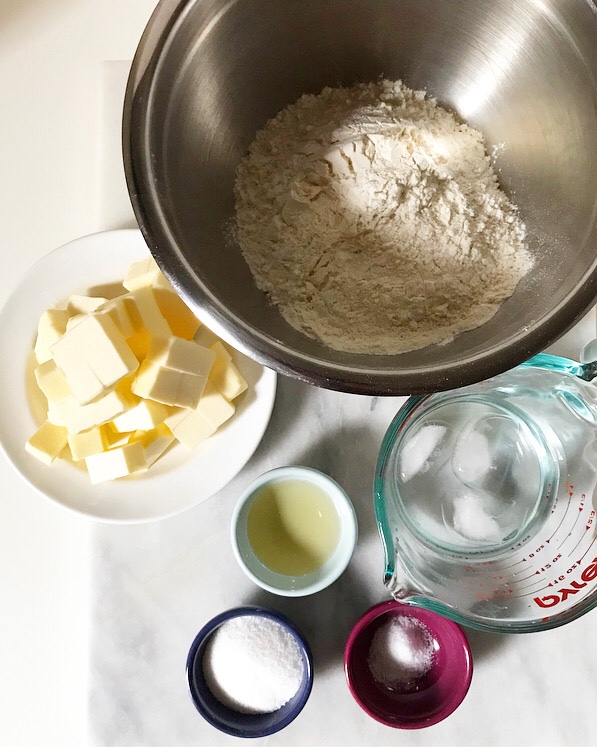 All-Butter Pie Dough requires just six ingredients. Six! You probably have all of them in your kitchen right now.
- Cold butter. Pockets of cold fat are the secret to a flaky crust. As they melt in the oven, their water content turns to steam and form the layers we all love so much. Some bakers use shortening or lard (or cream cheese!) as their fat of choice, but since this is All-Butter Pie Dough, we’re using all butter, duh. I like to cut mine into cubes ahead of time and then freeze it until I add it to the dry ingredients. It’ll get cut into the dough just until it’s the size of small peas. This means there will be visible chunks of butter in your pie dough at all stages, even when it’s rolled out. If at any point in the process your butter feels soft/warm/sticky/otherwise-not-cold, throw the dough back in the fridge. Unless you like tough crust, that is.
- Cold water. Cold. Cuh-old. Water is the binder in this pie dough recipe. It has to be freezing cold because if we add room temperature or—heaven forbid—warm water to the dough, we can kiss that cold butter and flaky crust goodbye. I like to measure out 2/3 cup of cold water and then add ice cubes to keep it that way. Also, don’t get heavy-handed—you probably won’t need all the water in your measuring cup. You want to add just enough for the dough to hold together. Any more than that and the gluten in the flour may become overdeveloped and yield a tough crust.

- Apple cider vinegar. This is the one “unusual” ingredient you’ll find in this recipe, but I’m far from the first baker to put vinegar in pie dough. It helps mitigate gluten development (buying you an extra stir or knead) to produce a more tender crust, the same way that adding buttermilk (also an acid) to cakes/biscuits/what-have-you helps make them tender.

- Sugar and salt. These add flavor and balance to our crust. Without them, why bother making pie dough at all?! You may be tempted to leave out the sugar, especially in savory applications, but I recommend keeping it. The small amount of sugar in this dough caramelizes during baking, helping to produce a golden brown crust.
- All-Purpose Flour. This is the structural foundation of pie dough (and sooo many other things). Make sure you measure it properly (spoon & level) so that you don’t use too much or too little.


See, six ingredients, each with a job of its own. You’re a bowl, a hand blender, and fifteen minutes away from having two disks of pie dough in your fridge. #score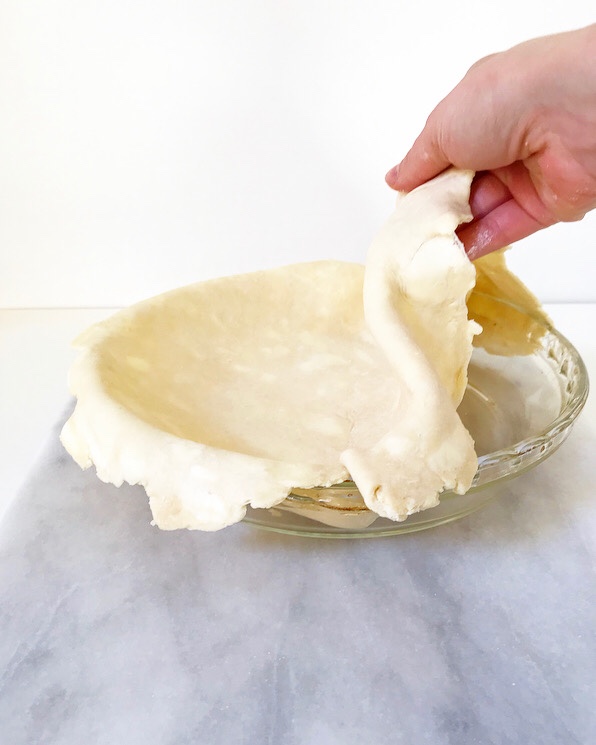
 If pie dough makes you jittery or this is your first year making it from scratch, never fear! All-Butter Pie Dough is very simple to make. Once you’ve made your first batch, you’ll wonder what you were ever afraid of…but just in case you need a little extra encouragement, here are some of my best pie dough tips.
- Make it by hand. There are now three pie dough recipes on this site, and not one of them is made in a food processor. I know it’s supposed to be faster and easier that way, but it also involves more clean up and requires you to give up control of the butter. It’s not always easy to get visible chunks of butter in a food processor, but it is when you are cutting it in by hand. Dough made by hand = visible butter = flaky crust!
- When in doubt, throw it in the fridge. This is the solution to almost all your pie crust problems. Butter seems sticky? Throw it in the fridge. Dough seems a little soft? Throw it in the fridge. Fitted the dough to the pie plate and filled it, but have some time before the oven will be warm? Throw it in the fridge. Worried about the crimp holding? Throw it it in the fridge. Say it with me: Throw. It. In. The. Fridge.

- Take your time. You can make pie dough three days before you make pie and keep it in the refrigerator—no need to do everything on the same day. You can even freeze this pie dough! Just triple-wrap in plastic and throw it in the freezer for up to six months. Let it thaw in the fridge overnight before rolling.
- Don’t fret if it’s not perfect. Pie takes time. Pie takes practice. I have made a lot of pies in the last six years and many of them have been hideous. Many, many. But you know what? Ugly pie is still pie. As one of my favorite bloggers, Julie Van Rosendaal, says “The best pie is the one on your table.”

Wooooow so many bullet points today. Pie, y’all! It’s happening. Look out Friday for my first pie recipe of the season. Or go into my Recipe Index and make yourself this tart Cranberry Crumb Pie. I know we still have 22 days til Thanksgiving, but I mean…it’s practice, right?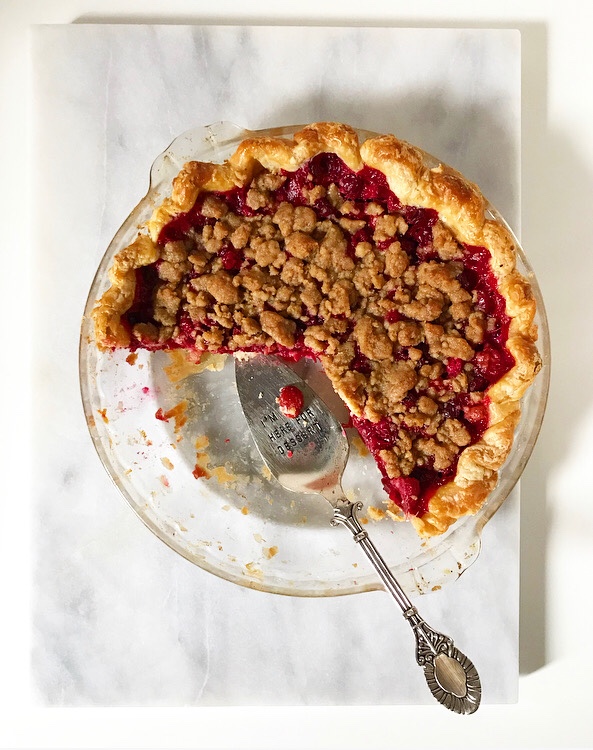
All-Butter Pie Dough
makes 2 crusts
1 cup (2 sticks) unsalted butter, very cold, cut into cubes
1 tablespoon apple cider vinegar
~2/3 cup water, very cold
ice cubes
2 1/2 cups all-purpose flour
2 tablespoons granulated sugar
1/2 teaspoon Kosher or sea salt
Cut butter into cubes. Put it on a plate and freeze it while you prepare the other ingredients.
Pour apple cider vinegar into a liquid measuring cup. Add cold water up to the 2/3 cup mark. Add a few ice cubes. Set aside.
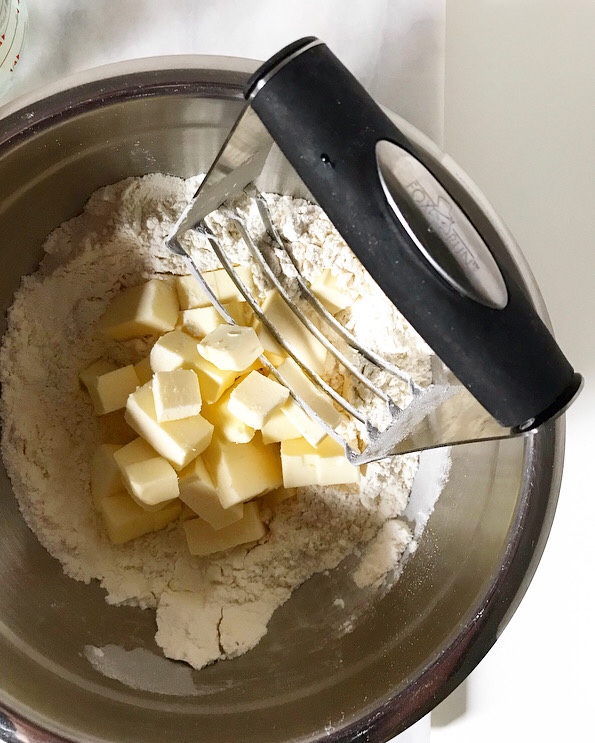
In a large mixing bowl, whisk together flour, sugar, and salt. Add cold butter and use a pastry blender to cut it in until the largest pieces are the size of small peas.
Using a finger to block ice cubes, pour 1/2 cup water/vinegar mixture into the bowl. Use a silicone spatula or wooden spoon to stir just until everything is moistened. Add more liquid 1 tablespoon at a time until clumps begin to form and dough holds together well when pinched. You will likely have some liquid leftover.
Give dough a couple of quick kneads to help it come together. There may be some dry unincorporated bits at the bottom of the bowl—this is normal.
Divide dough into two equal pieces and fork into disks. Wrap in plastic wrap and refrigerate for at least 1 hour or up to 3 days.
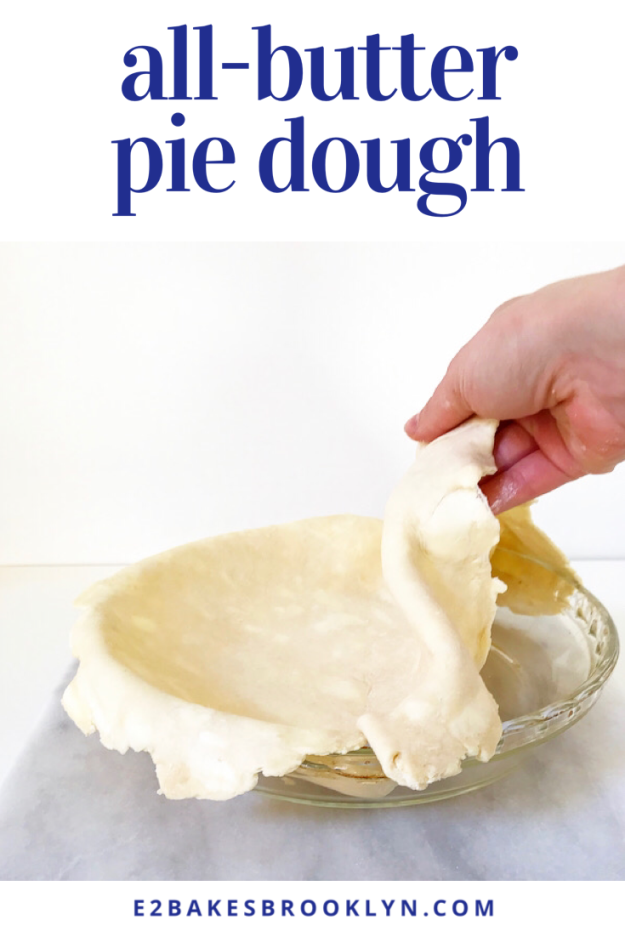
Flour a surface and a rolling pin. Unwrap one disk of dough. Use rolling pin to roll dough to 1/8-inch thickness (about 14 inches in diameter for a 9-inch pie plate). For easiest rolling, roll dough in one direction, turning it one quarter turn after each roll. Re-flour surface and rolling pin as needed.
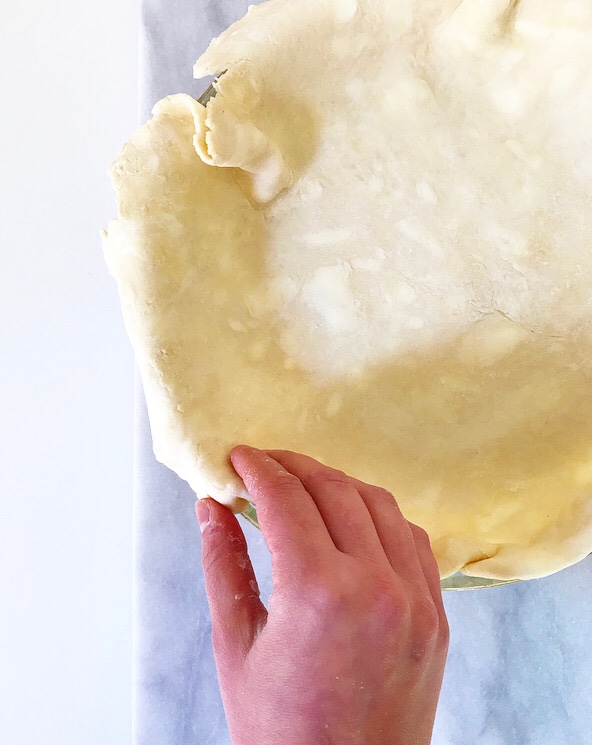
To transfer to a pie plate, carefully fold dough into quarters. Place point in the center of the pie plate and carefully unfold. Fit it to the pan, trim any excess overhang to 1-inch and crimp.
Proceed with your pie recipe as written.

 It’s almost time for pie. Almost.
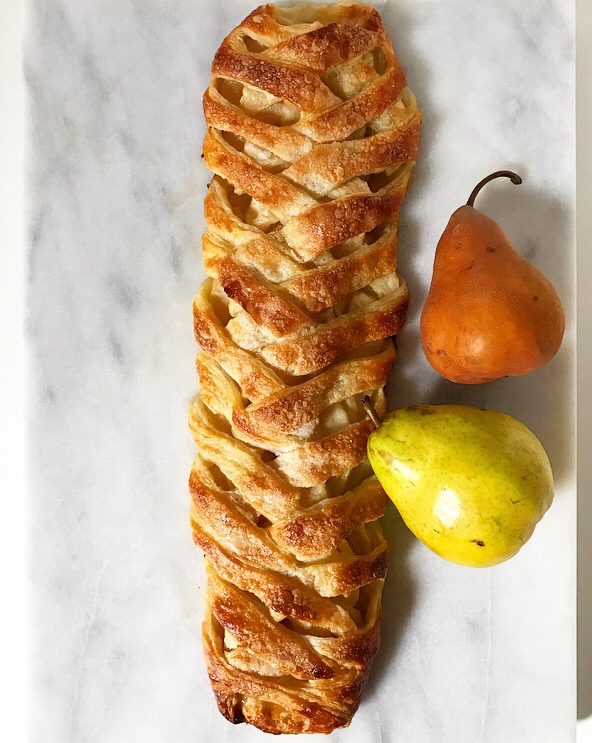 I mean, do you see this beautiful thing? Is it brunch food? Is it dessert? I don’t know. I don’t make the rules. I just make the pastry.
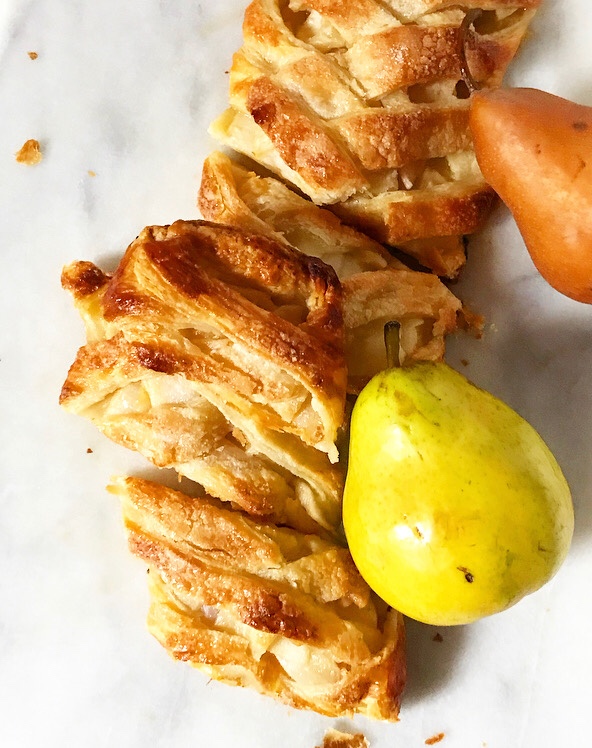
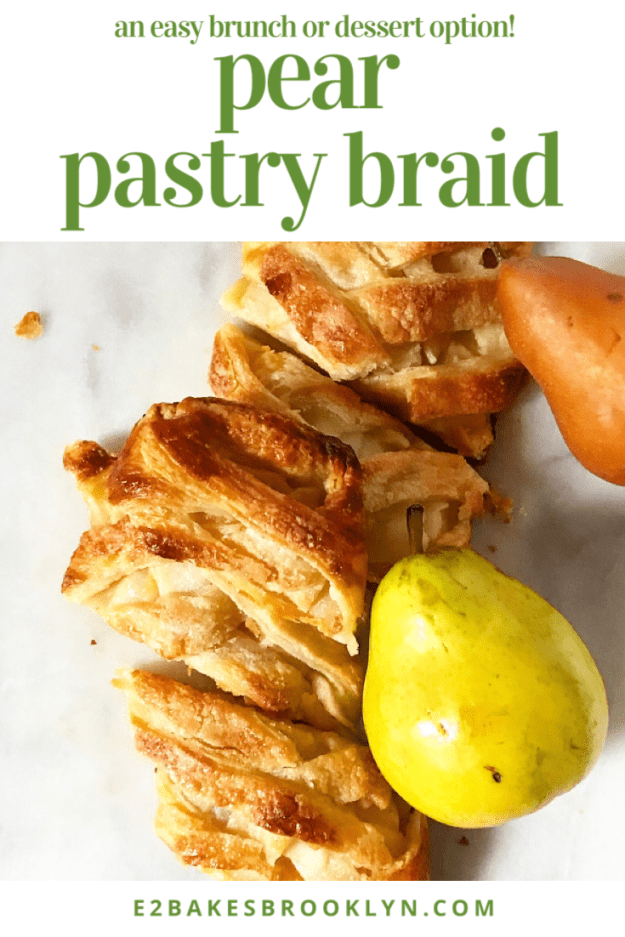
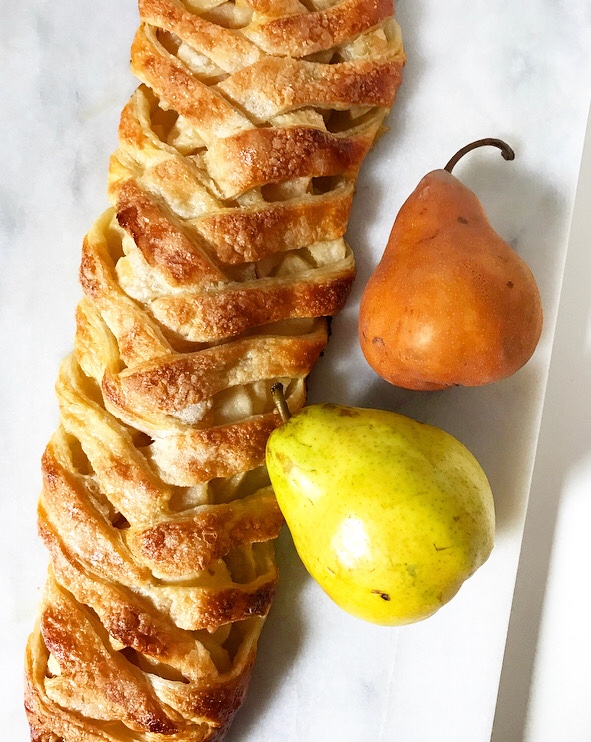 And oh, is this a good one. Pear Pastry Braid is super buttery and filled with tender pears that have been tossed with ginger, lemon, and a few tablespoons of sugar. Yum!
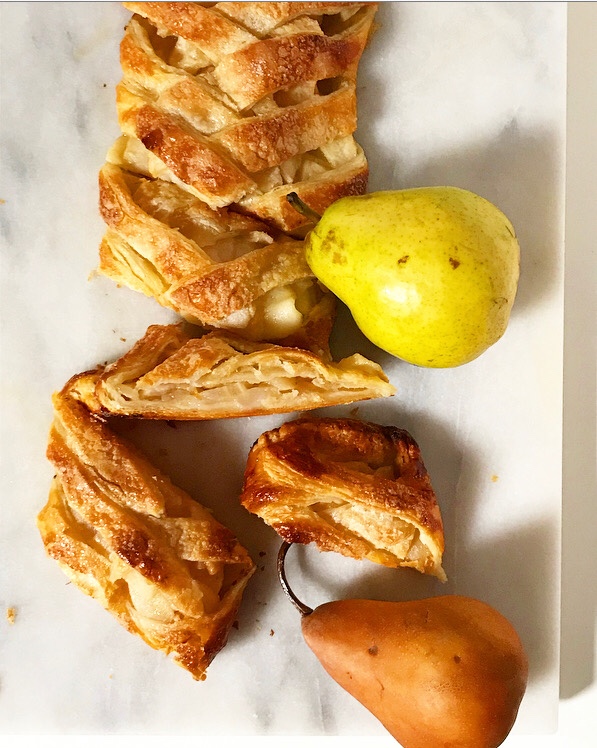 Don’t let these glamour shots deceive you–it’s surprisingly easy to make. Simply roll out a sheet of rough puff pastry (or the frozen thawed all-butter stuff), make a bunch of diagonal cuts down both long sides and fill the center with sliced pear filling.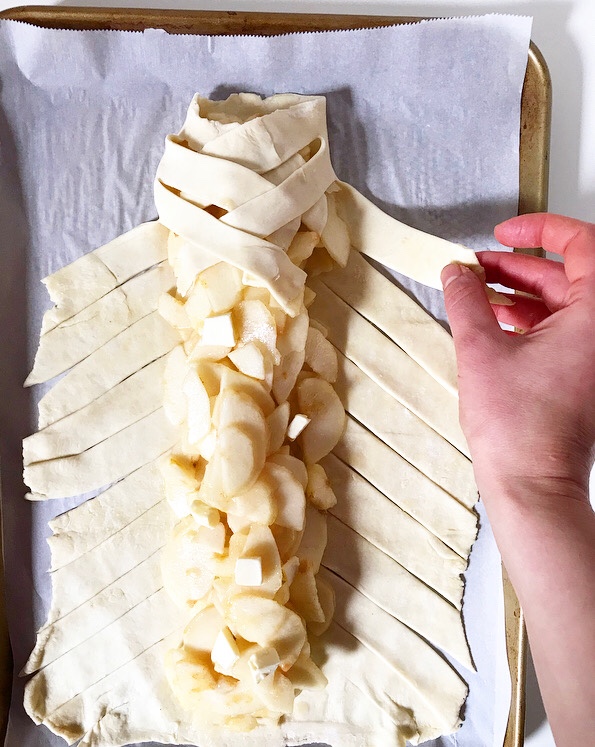
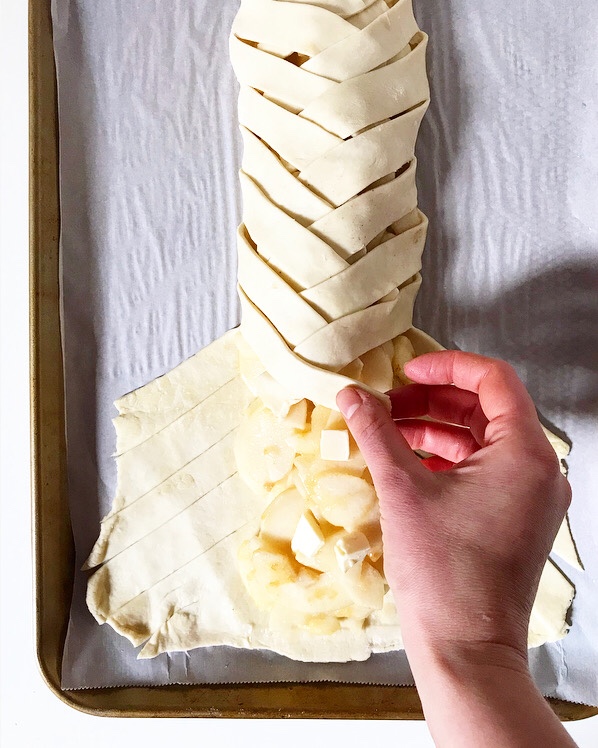 Alternating sides, carefully cover the filling with overlapping strips of dough, producing a braid-like appearance. Give it a brush of egg wash and a sprinkle of sugar, and then let it bake til golden.
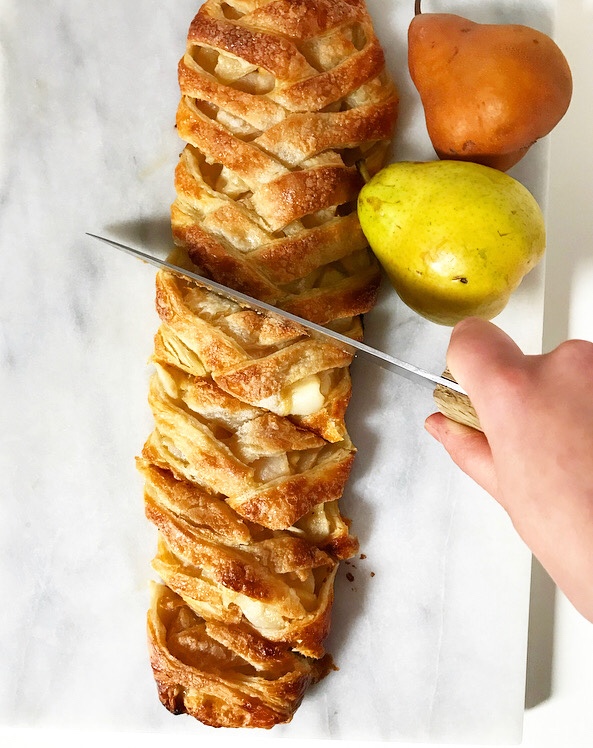 Sounds like a lot, but the time from when you start peeling pears to when you pull the finished pastry out of the oven is less than an hour. It can be sliced and served warm too, meaning that you don’t have to plan crazy far in advance (especially if you already have the pastry dough in the fridge). There’s so much planning around food this time of year that it’s kind of nice to have something you can make when the mood strikes or when someone says they’re going to pop by.
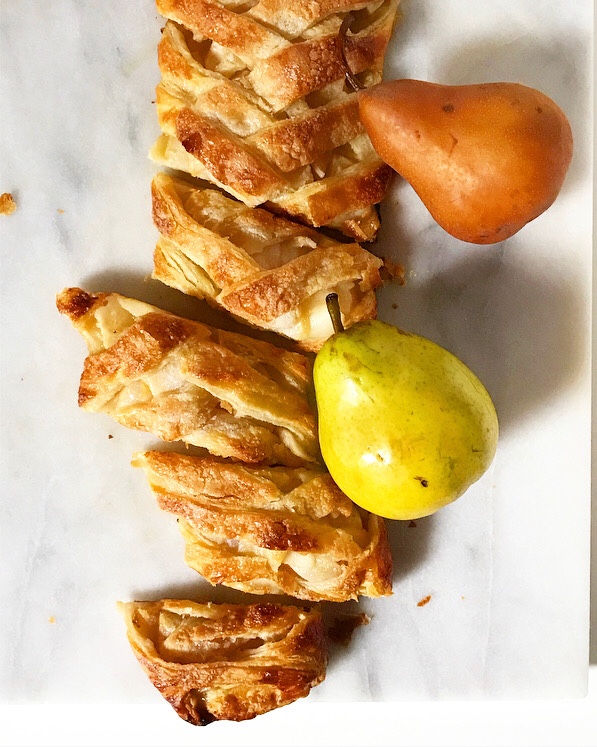 You know what else is nice? Eating a slice of sweet, flaky Pear Pastry Braid in your pajamas on a Saturday morning. Or a Saturday night. Or both.


 Has anyone else’s week been five years long? Mine started with two babkas, three layer cakes and a Rosh Hashanah dinner, continued with some early morning construction in my apartment, and was followed up with a neck-ache and a midweek heatwave.
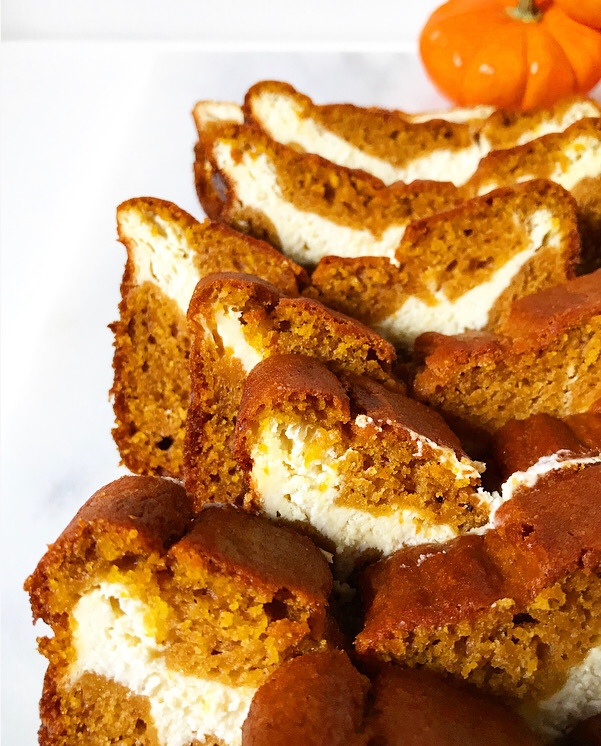 The good news is that NYC weather is finally starting to get with the autumnal program (I am so tired of summer clothes) and that my only plans for this weekend are to take my visiting godparents out for lunch and watch postseason baseball. Then two more work days before going on vacation next Wednesday—it can’t get here soon enough! But more on that later. For now, let’s talk about Cheesecake Swirled Pumpkin Bread.
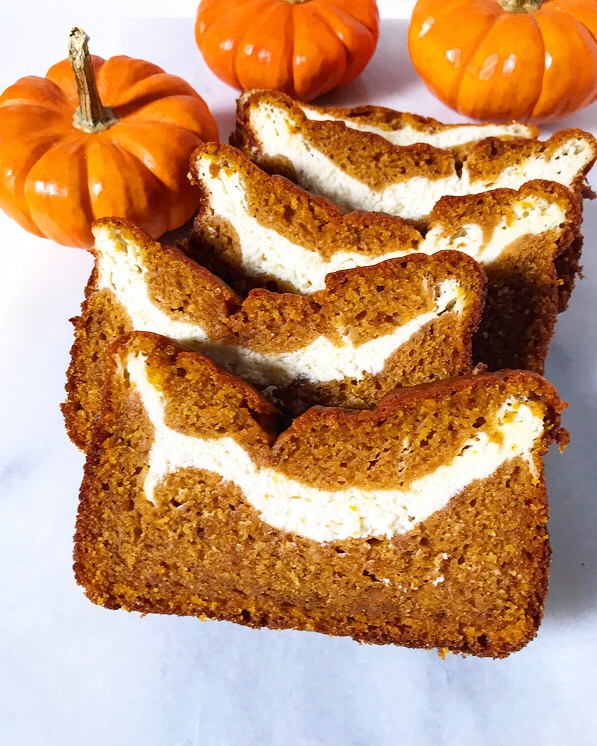
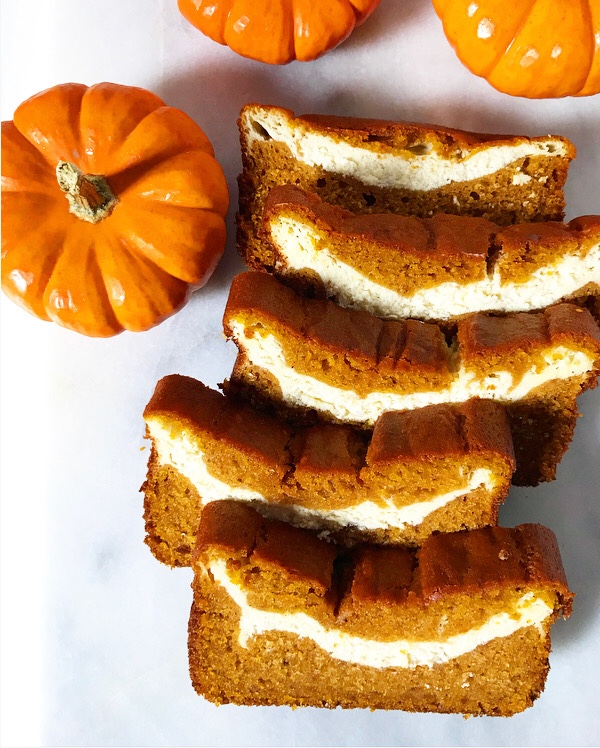 Cheesecake. Swirled. Pumpkin. Bread.
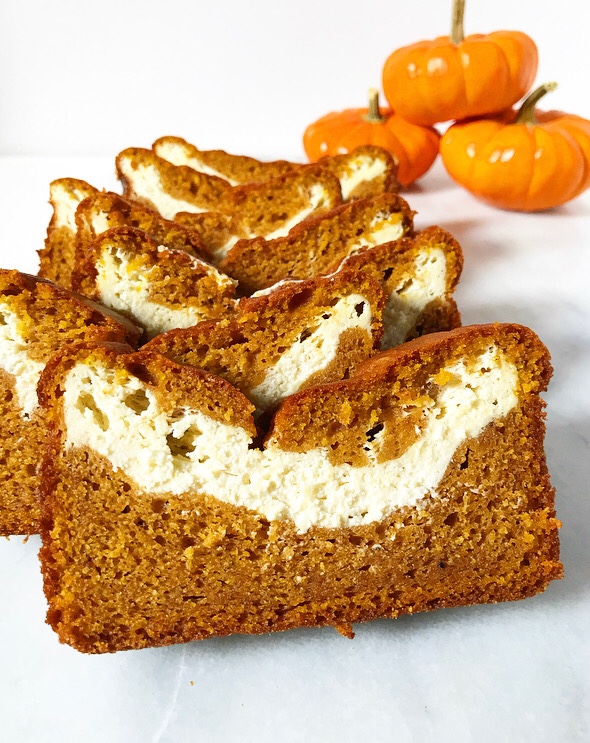 Cheesecake Swirled Pumpkin Bread begins with a half-recipe of my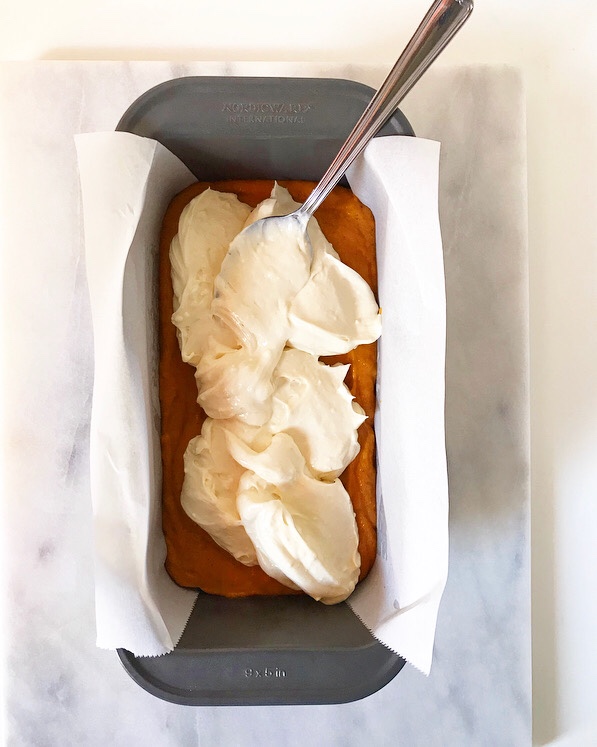

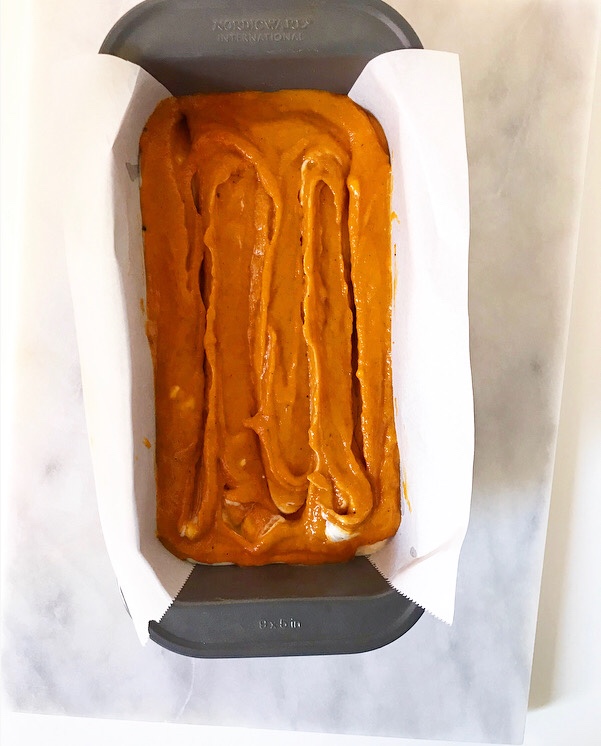
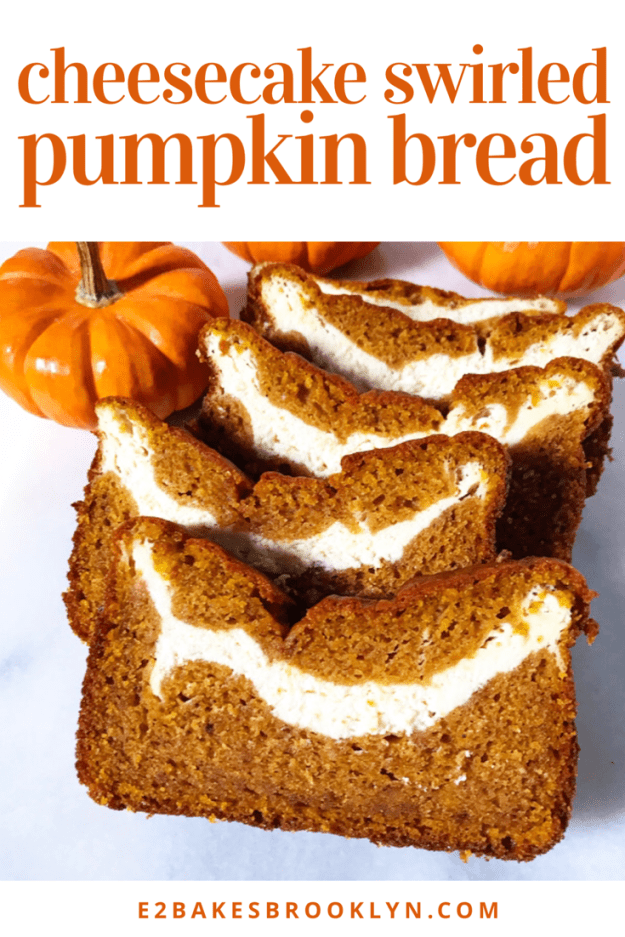
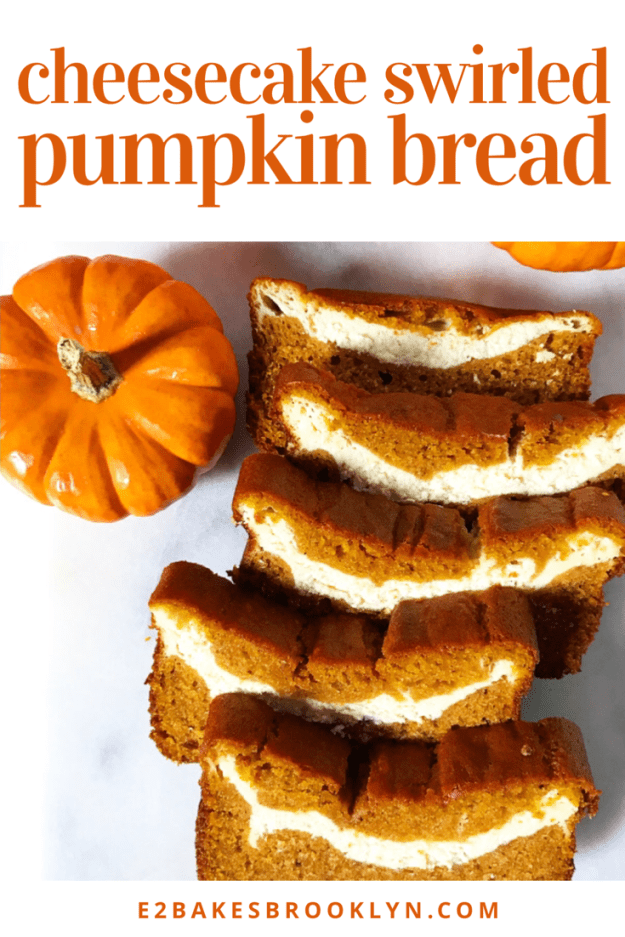
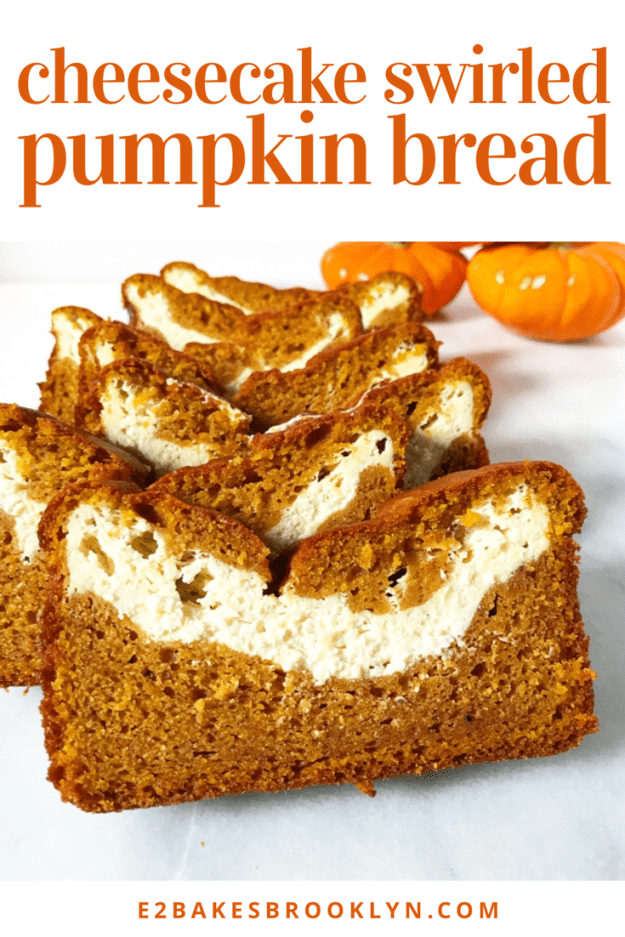
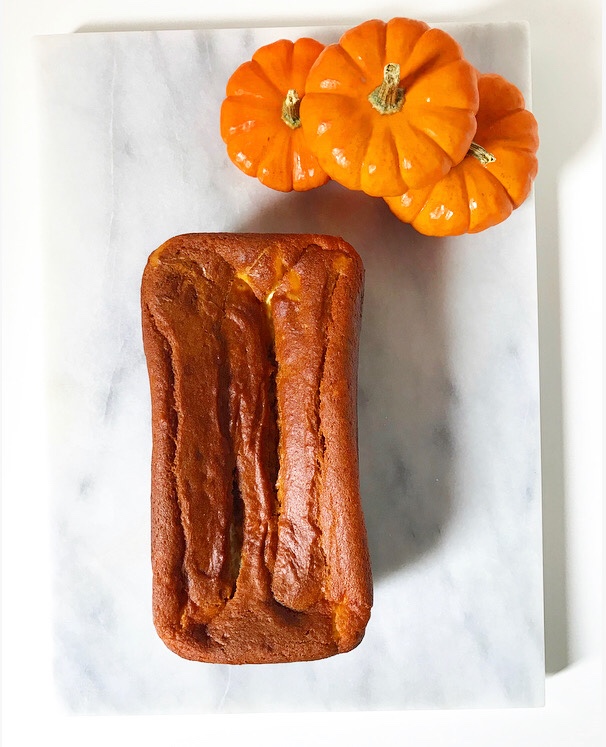 To assemble, you’ll need the pumpkin batter and a small batch of cheesecake—don’t worry, they’re both easy to make. Set aside a cup of the pumpkin batter and put the rest in your loaf pan. Top it with the cheesecake, followed by the remaining batter. Swirl it all with a thin knife or skewer before baking for the better part of an hour. The bread will be puffed when it comes out of the oven, but sink a bit as it cools. This is just the cheesecake buckling a bit—not a bad thing.
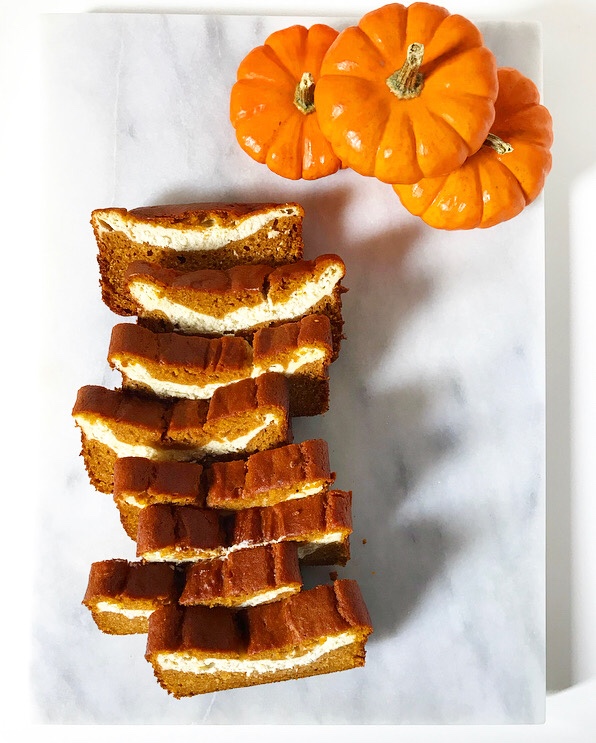 This bread needs to be cooled at room temperature and then chilled in the refrigerator, making it an ideal make-ahead treat. Don’t rush to serve this. Pumpkin is a flavor that blooms over time and nobody loves room temperature (or warm 😬) cheesecake. Good things come to those who wait.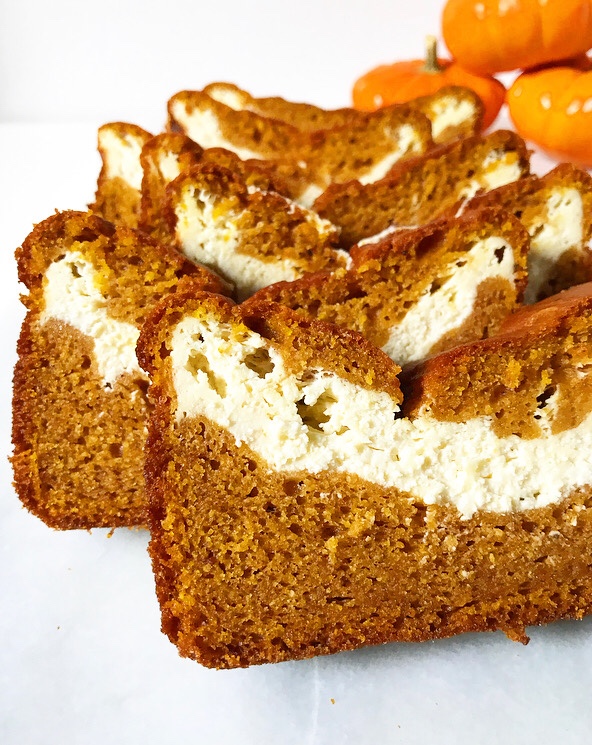
 My mother makes the best cranberry sauce in the world, but that’s not the recipe I’m sharing today.* Sorry to disappoint.
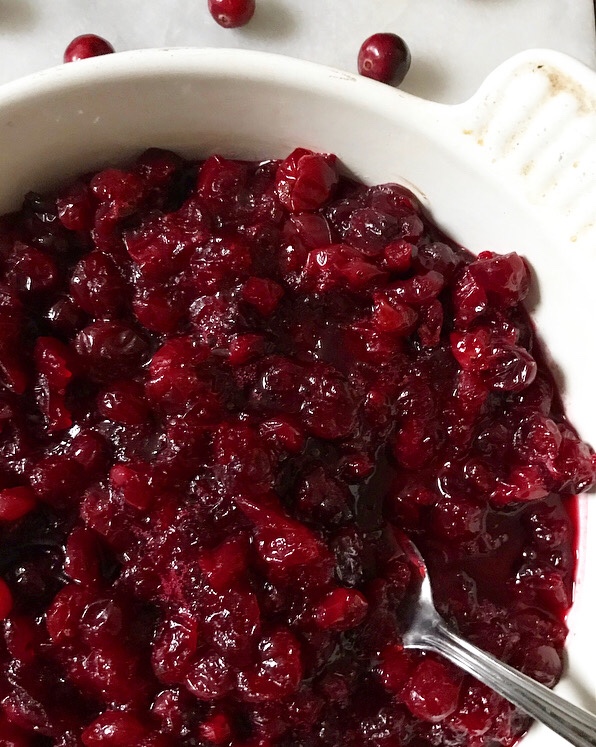 I have a good reason for holding out on you. My mom’s cranberry sauce is made with a large amount of brandy, which gets cooked off over the course of an hour in the oven. As I have mentioned previously though, I cannot safely consume alcohol, and therefore do not keep it around, even for cooking.
 In case you’re wondering, those buttons include: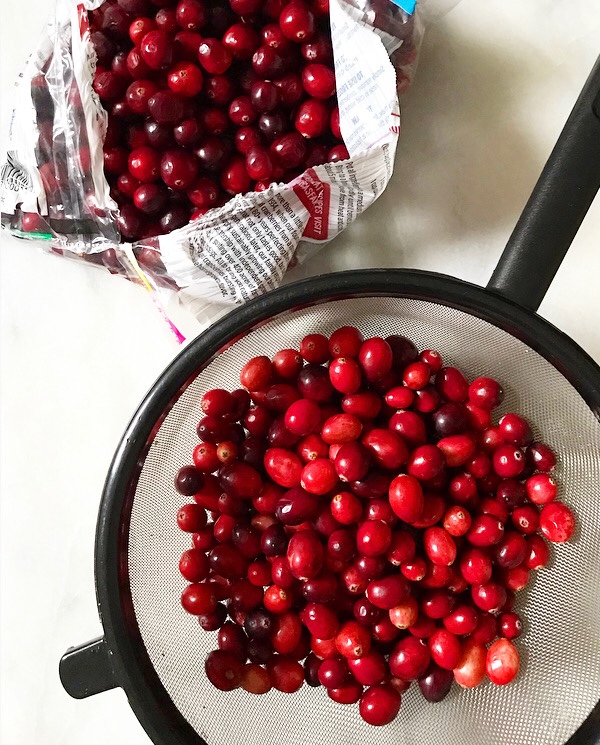
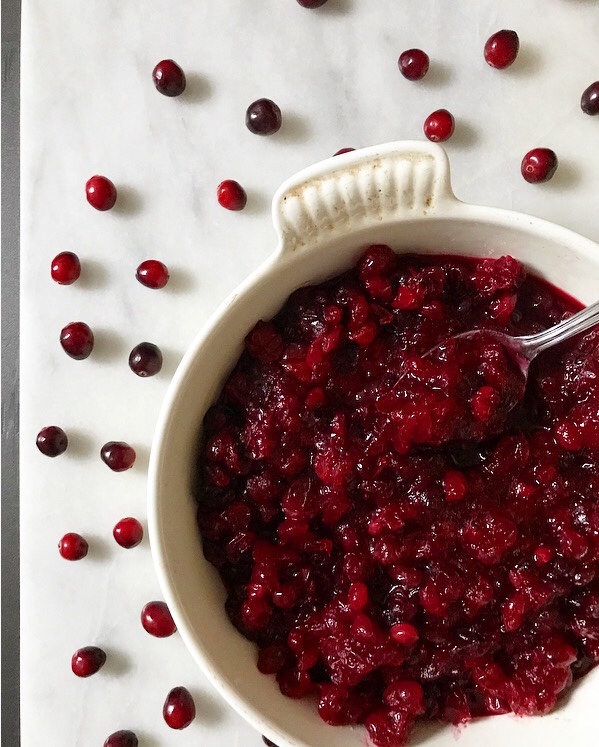
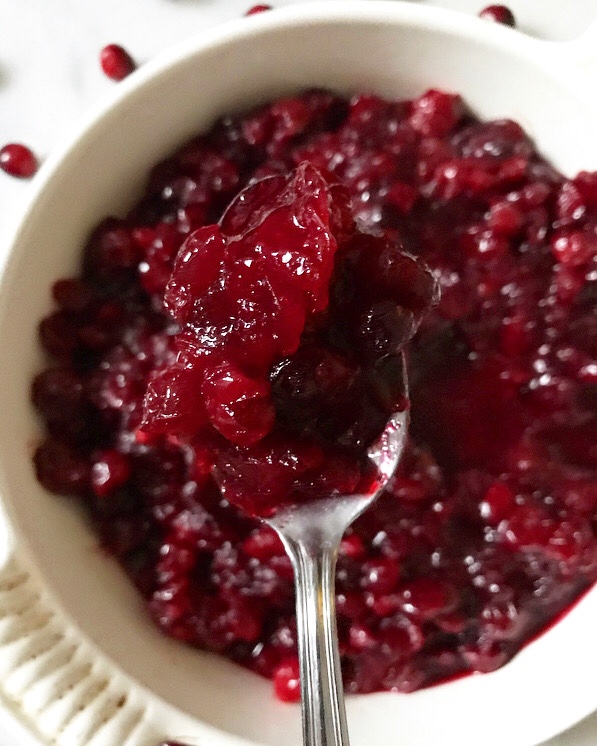
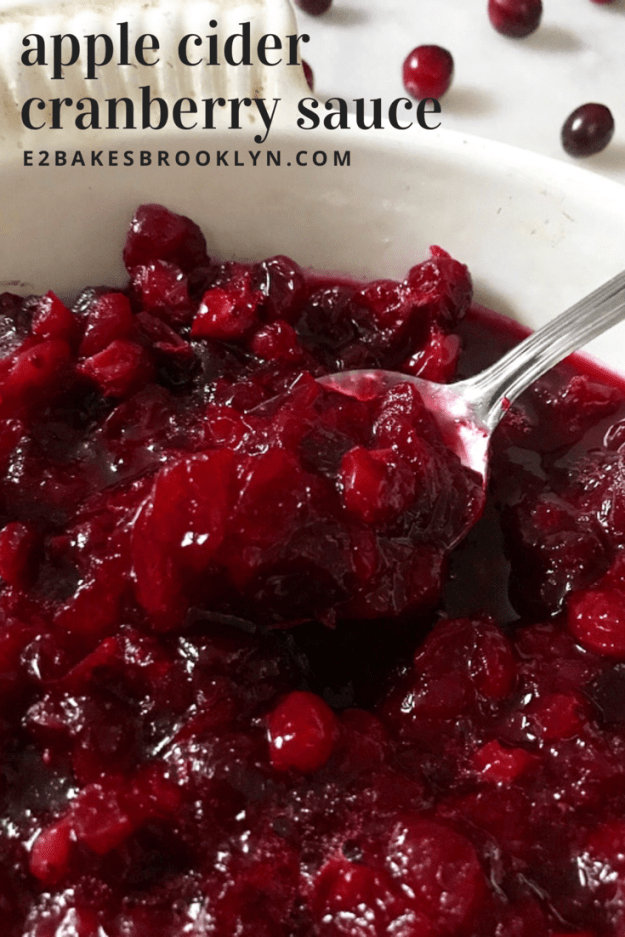
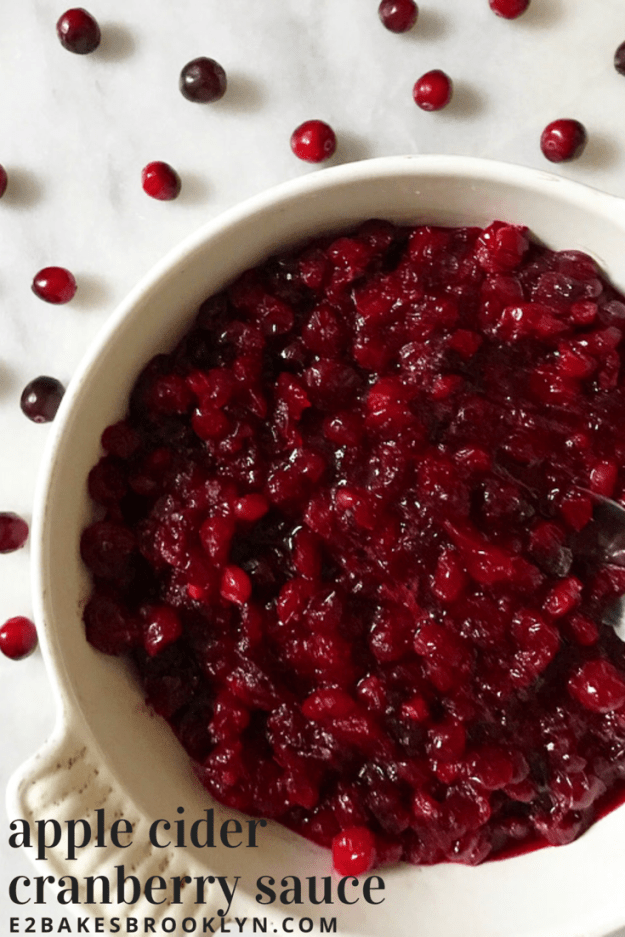
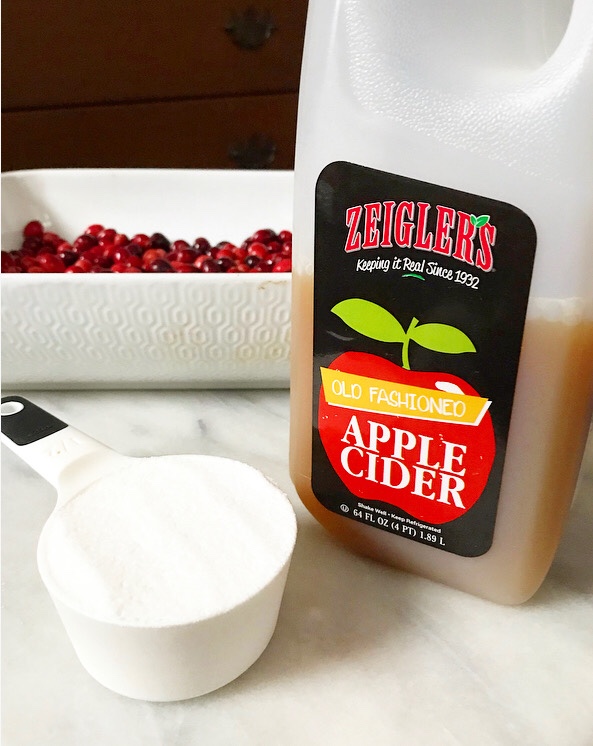 It’s taken a few years and many sauces with unrecognizable berries, too much sugar, flavors I didn’t care for, and a lot of feeling sorry for myself, but I’ve finally made a cranberry sauce that hits all those buttons. And the missing ingredient was looking at me the whole time in the form of a seasonal fridge staple: apple cider. It has flavor, but not enough to overwhelm the cranberries, and it’s sweet without being saccharine. Perfection.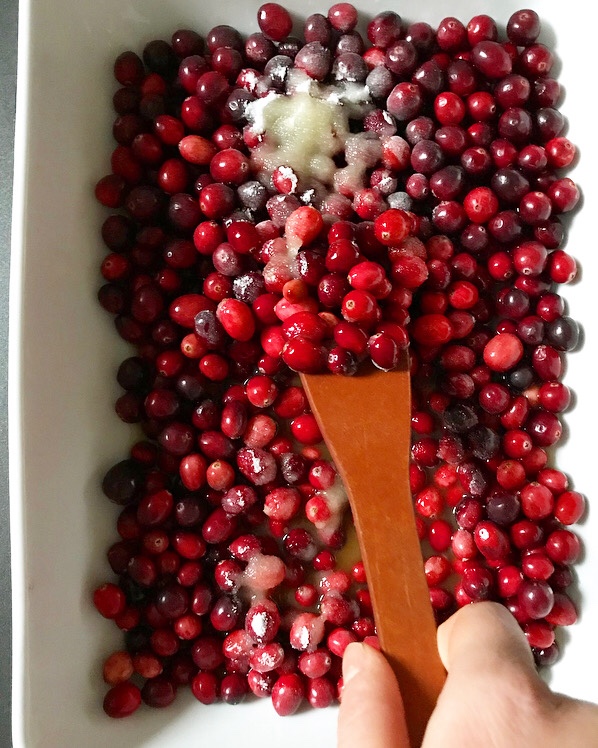
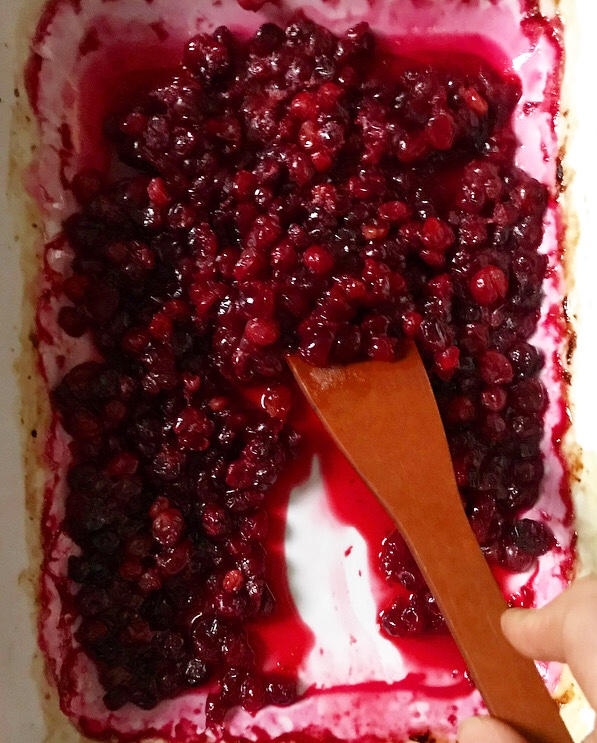 This sauce comes together over the course of an hour in the oven. It gets stirred twice, but needs no help otherwise.
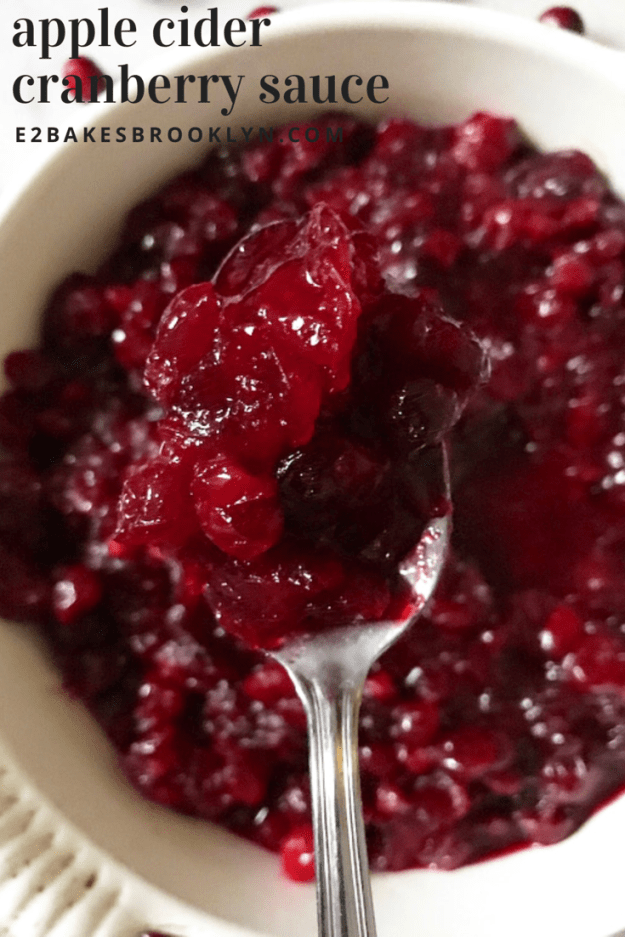
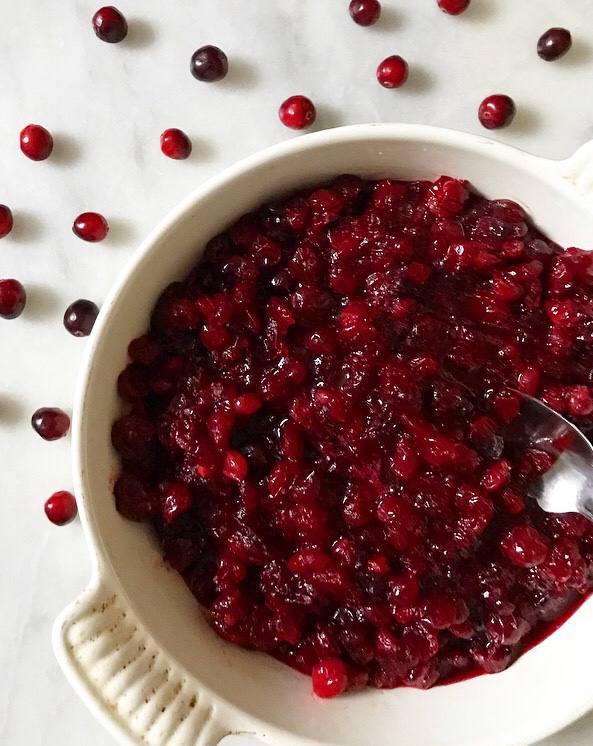 The result is soft, bursting berries that slump into a sweet, sticky sauce. It’s just divine. As is the fact that it can be made today and nuked in the microwave just before you sit down to Thanksgiving dinner. In fact, it’s probably even better that way. Love that.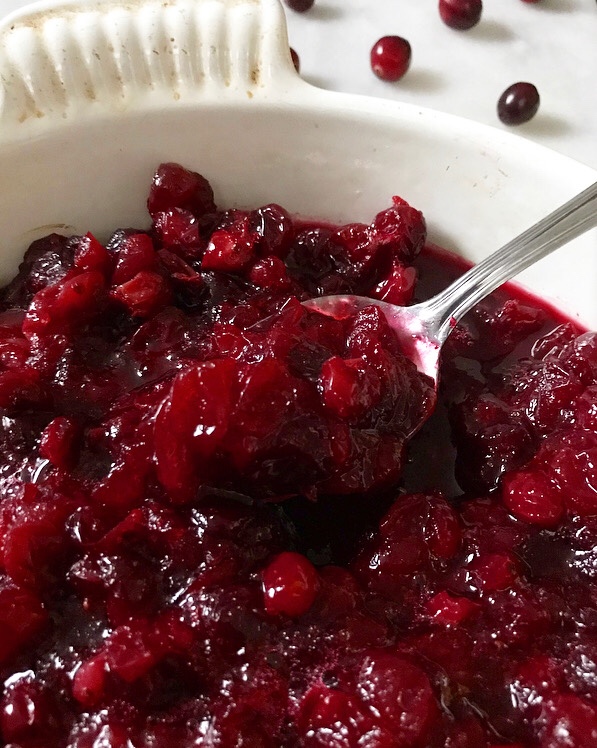
 If you go back and look at the order of recipes on this blog, you can clearly see my train of culinary thought. Last week, I posted three
 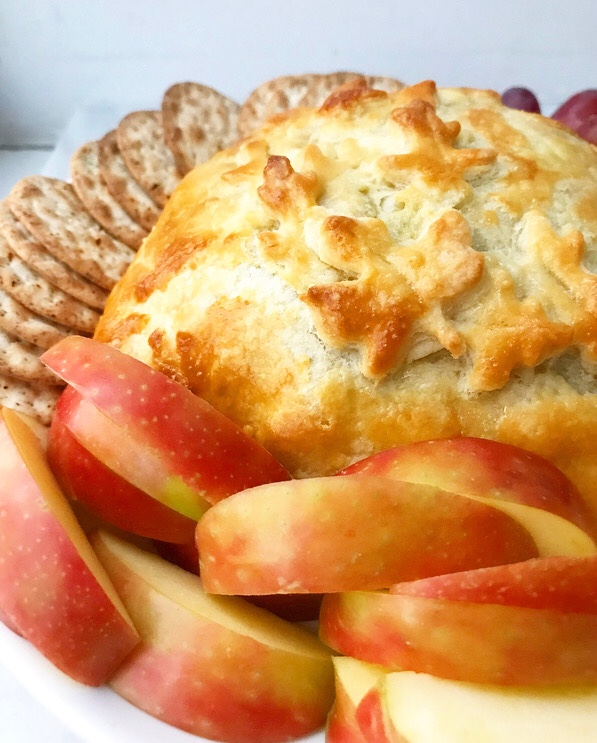 This week, I’m caramelizing everything. On Wednesday, it was
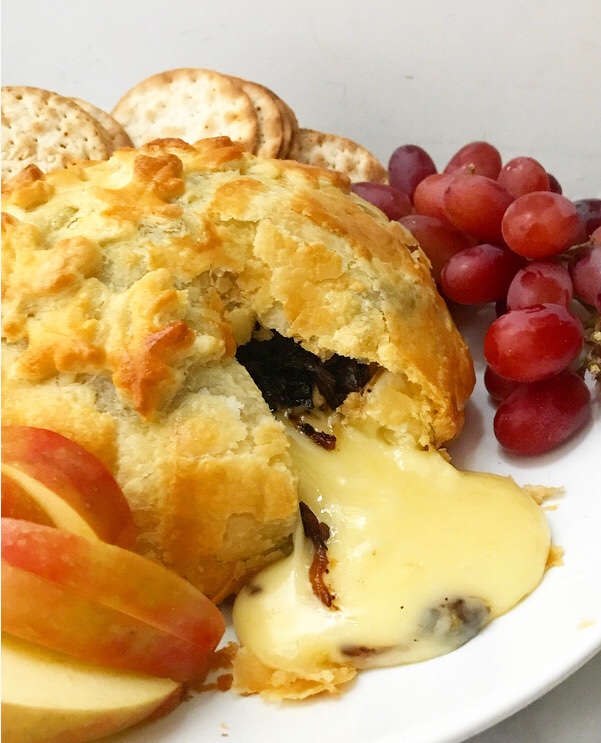
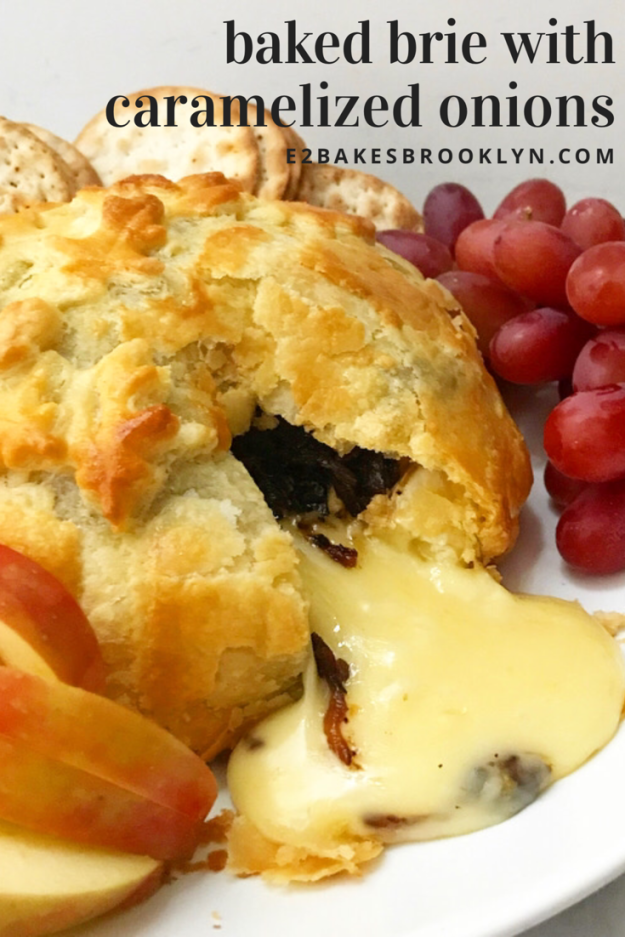
 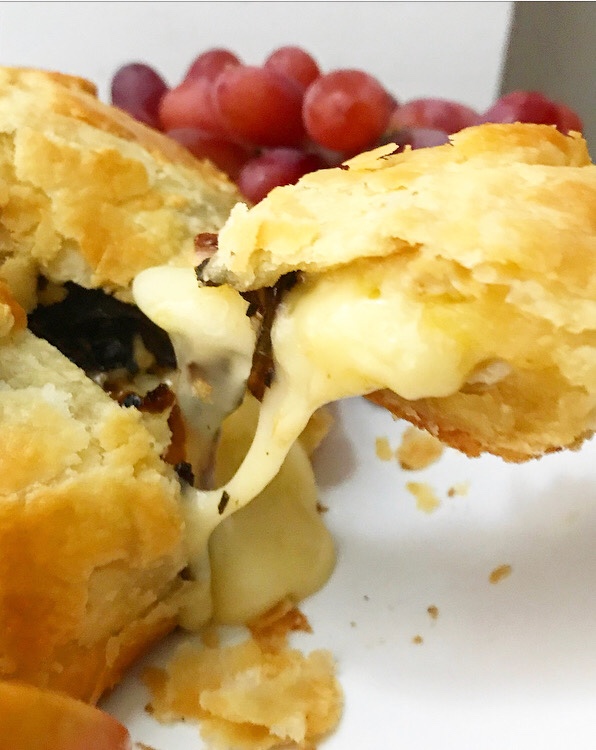 Baked brie is always a holiday hit—what’s not to love about the combination of melty cheese and flaky pastry?!—but I am all about the sweet addition of caramelized onions here. They’re cooked low and slow until they’re soft, sweet, and deeply browned. I like to add some minced garlic and fresh rosemary (it’s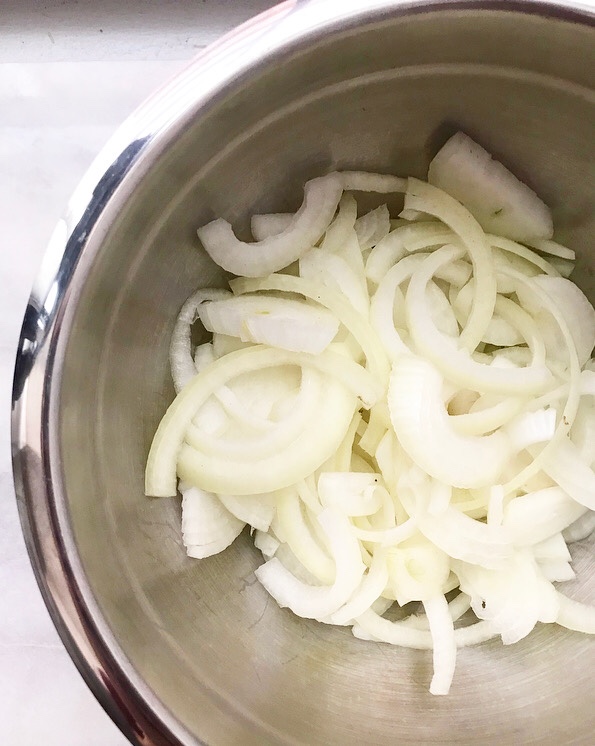
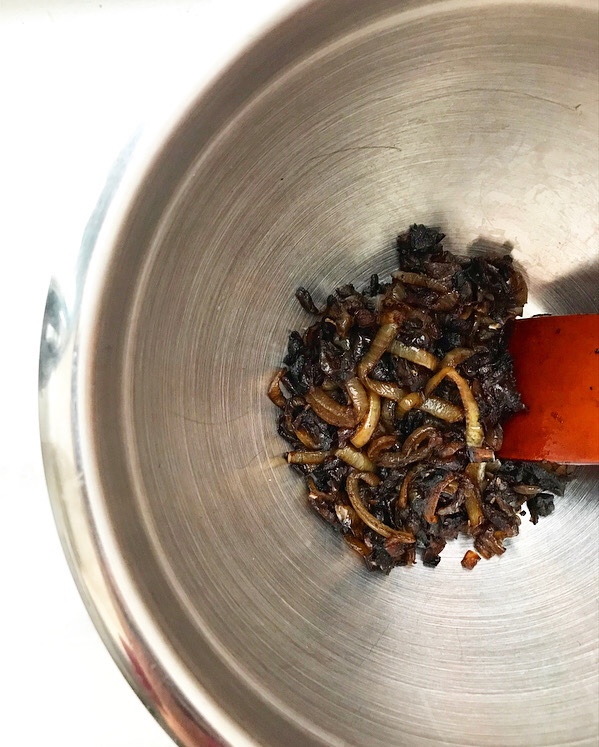 After the onions cool, it’s time to assemble the baked brie. Roll out a sheet of puff pastry (I use
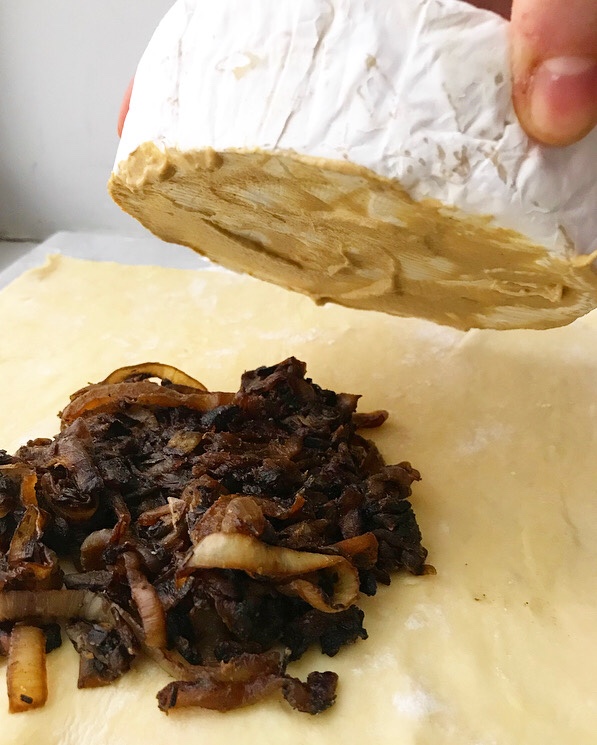
 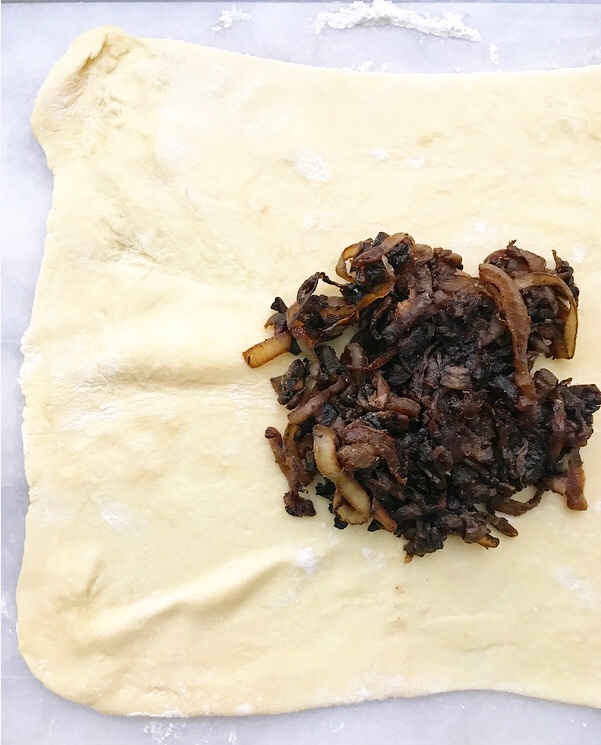 Smear a little dijon on one side of a wheel of brie and place it on top of the onions. The mustard flavor isn’t too pronounced here, but it’s sharpness helps offset the richness of the cheese and pastry.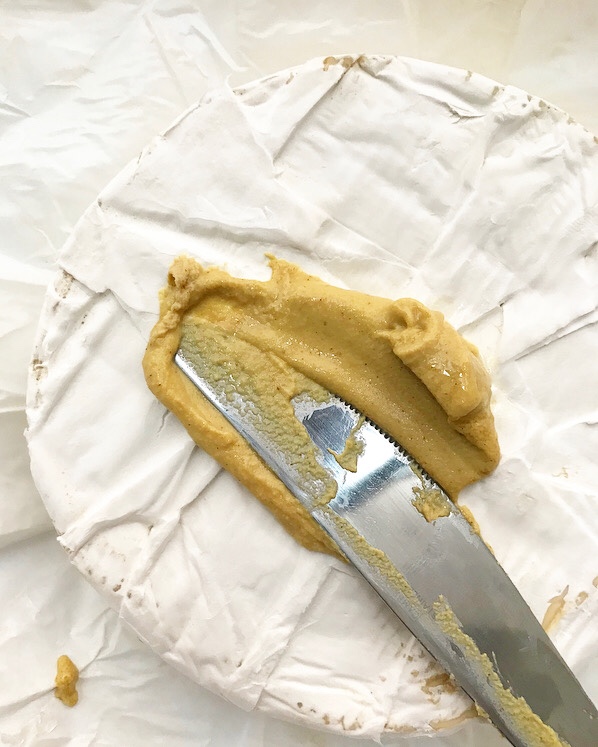
 Wrap everything up tight, give it an egg wash glaze, and decorate with some little pastry leaves, if that’s the sort of thing you’re into.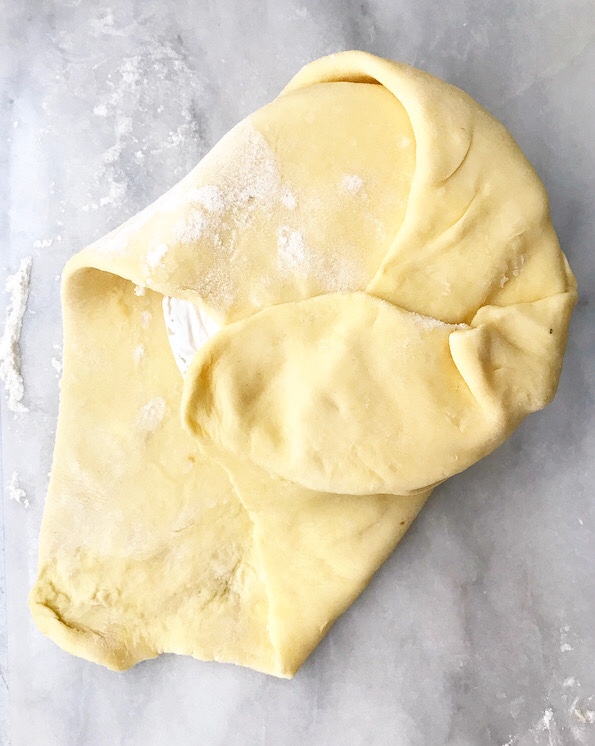
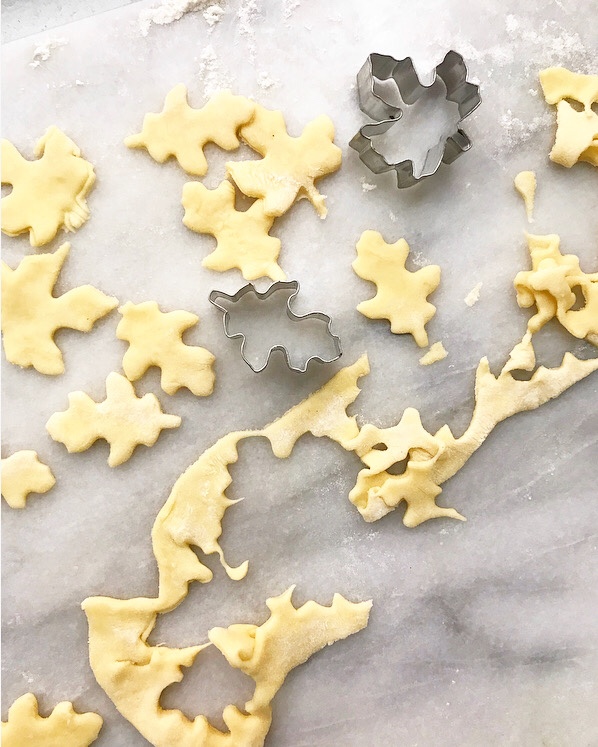
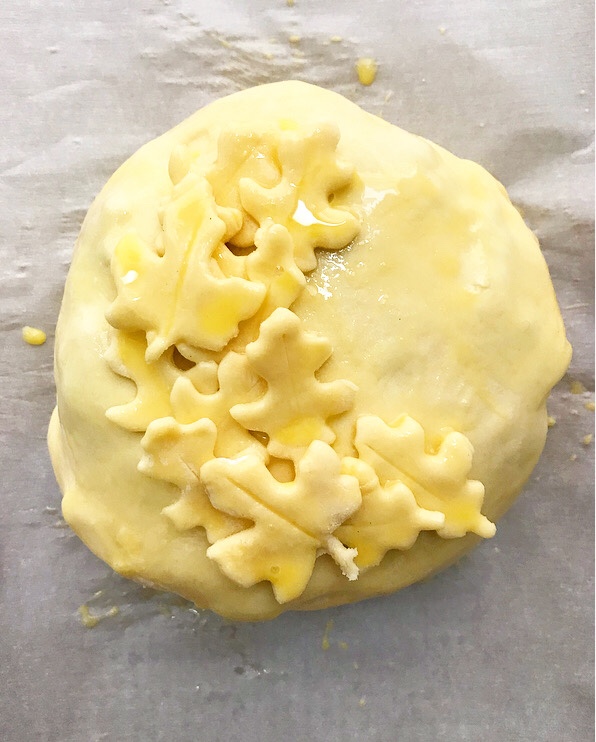
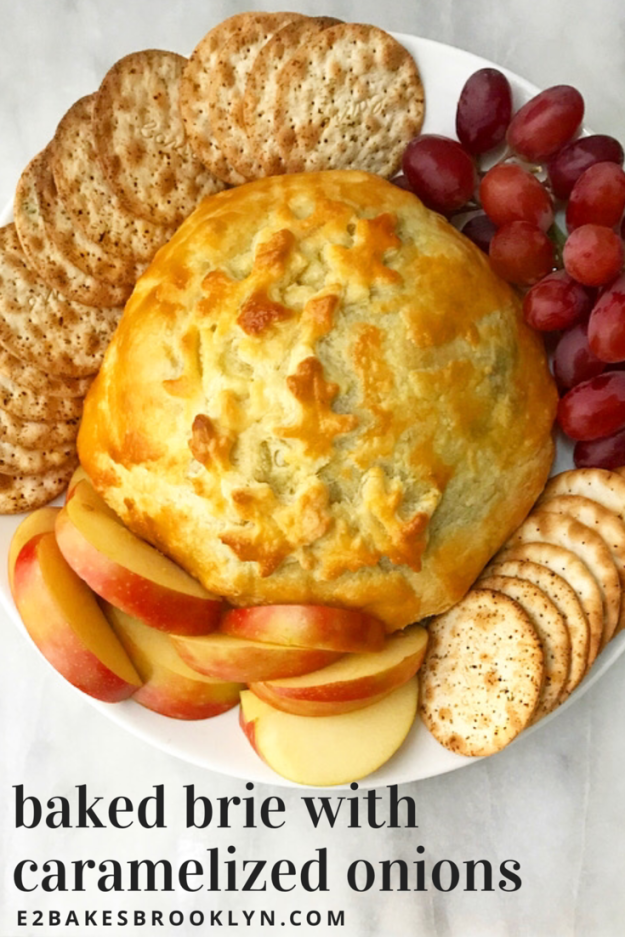
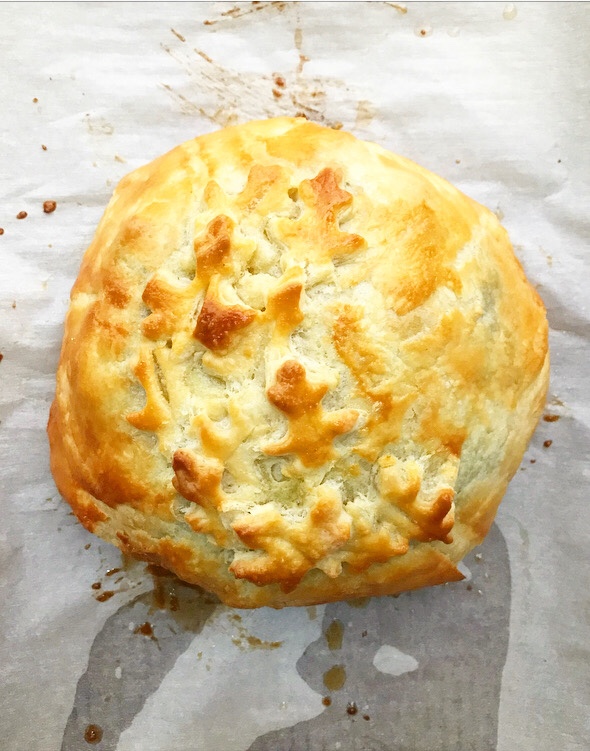 Bake the brie until the pastry puffs and turns golden. Wait a few minutes before serving it with seasonal fruit and the crackers you made your roommate go get from the overpriced cell-phone-dead-zone grocery store behind your building (and you didn’t even complain when he came back with some weird flavor instead of plain because you’re an adult and someone did you a favor)…
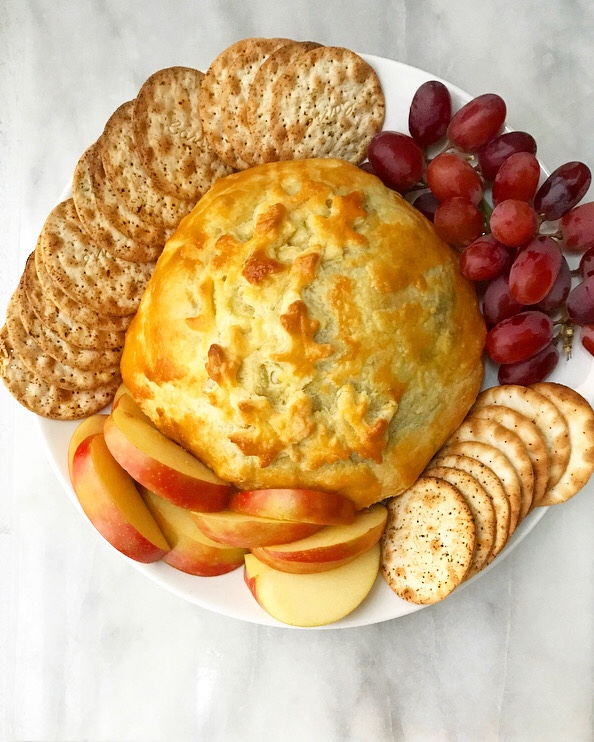 …um, what was that? Oops. Back to baked brie.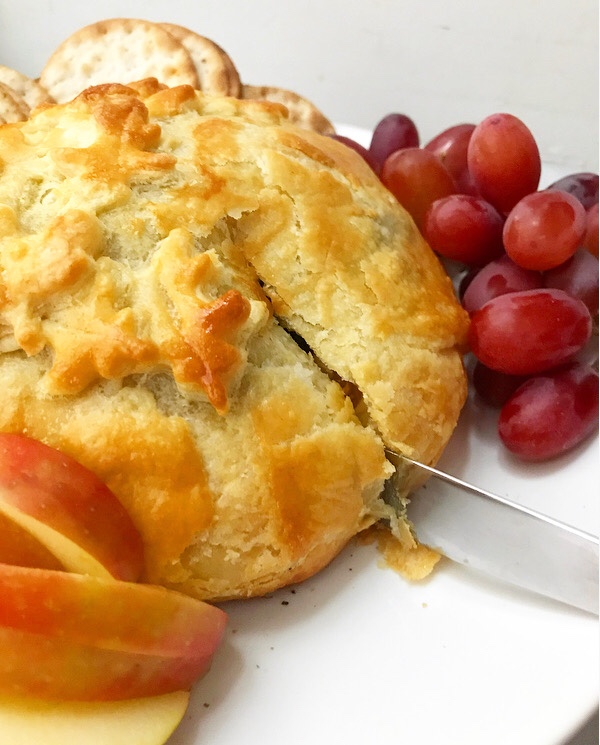
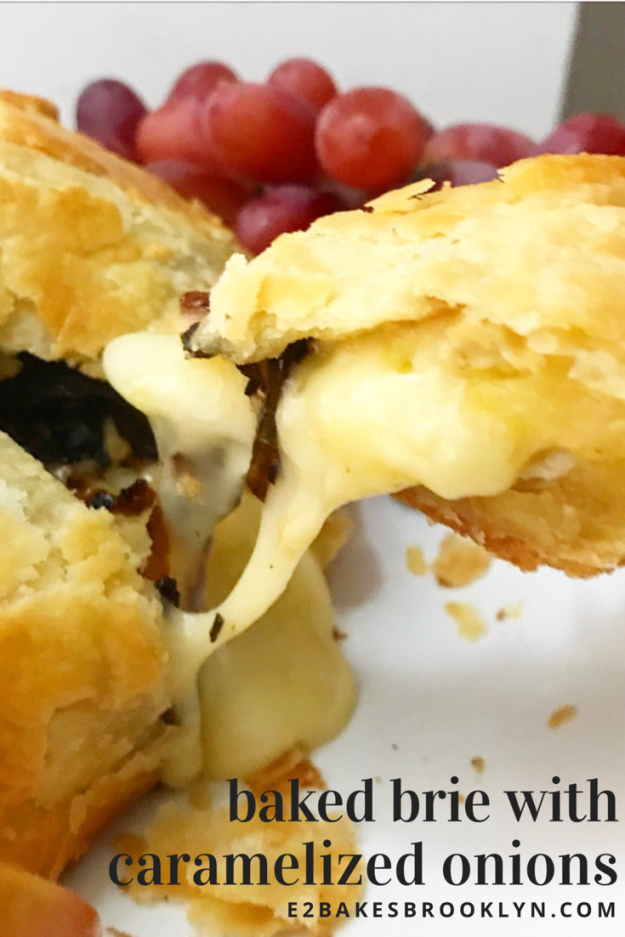
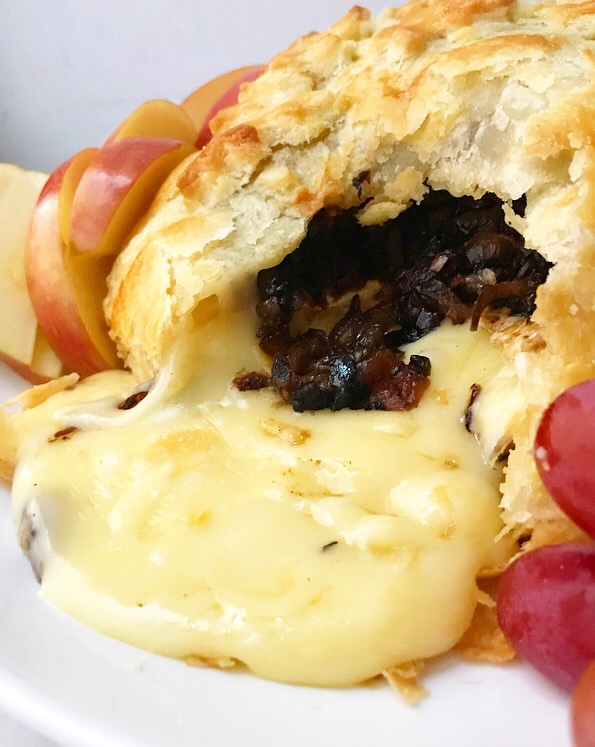 You’re going to love this brie, y’all! It’s rich and buttery, and oozes in the best possible way. One bite of this melty, cheesy, salty-sweet treat is worth every second it takes to cook those onions, I promise. I know all your holiday guests will agree.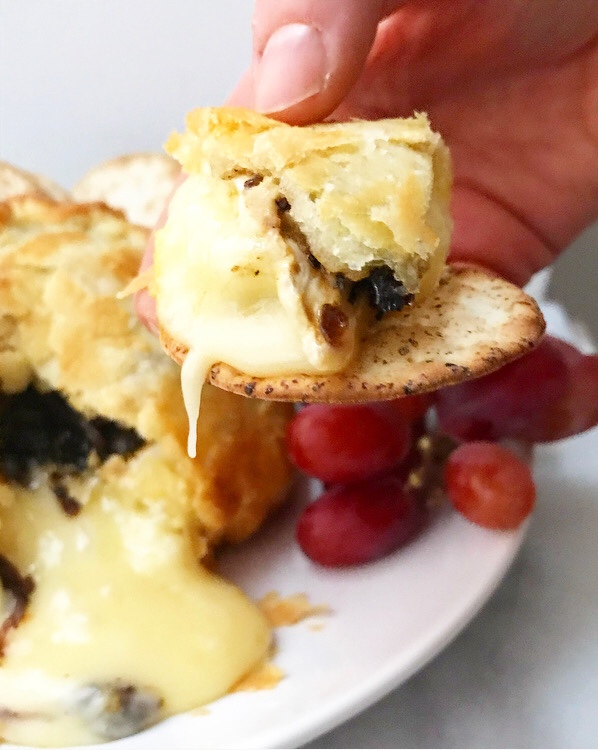
 e2 bakes brooklyn