Tag Archives: Gluten-Free

Vegan, Gluten-Free Icing Thumbprints

Vegan, Gluten-Free Icing Thumbprints

Have I made icing thumbprints on here before? Sure have! But I’ve never made them vegan and gluten-free, probably because I didn’t have a great vegan, gluten-free cookie base yet.

Vegan, Gluten-Free Icing Thumbprints

But, as you might have guessed, I do now. On my never-ending quest to feed all my various people, I spent a good chunk of the holiday season figuring out a dairy- and egg-free almond flour dough that works for a multitude of cookie applications. So far, I’ve made some stellar gingerbread and linzers that taste shockingly close to the real deal, and I’ve got all sorts of variations ready to be doled out as the need arises (as it has today).

Vegan, Gluten-Free Icing Thumbprints

While using this dough for a completely different cookie recipe last week, it occurred to me that I hadn’t checked to see if it would make good thumbprints. My traditional sugar cookie recipe thumbprints (using it as a verb) like a dream with a tiny adjustment, but would this one?

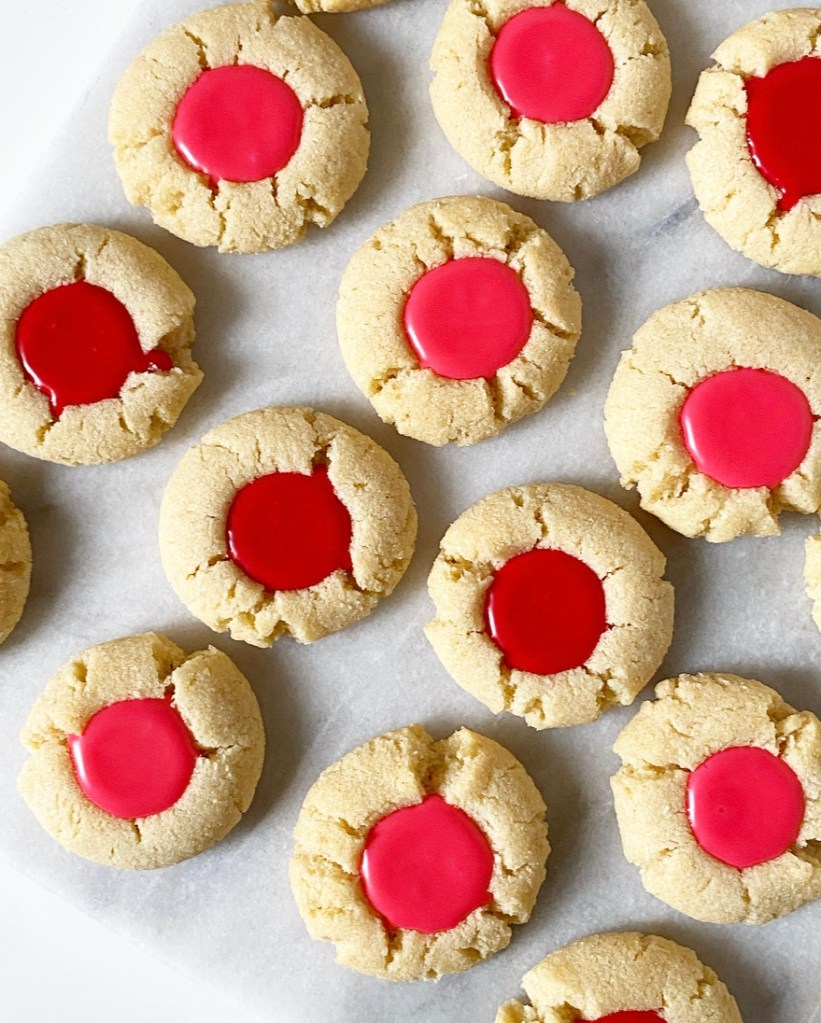
Well, yes. Yes, it would. It does! And with no adjustment at all, which is a dang delight. These cookies bake up somewhere between crisp and chewy and are sturdy enough to hold up against all that icing. What can I say? With a quality base recipe, I am unstoppable. Unstoppable and full of cookies.
Vegan, Gluten-Free Icing Thumbprints

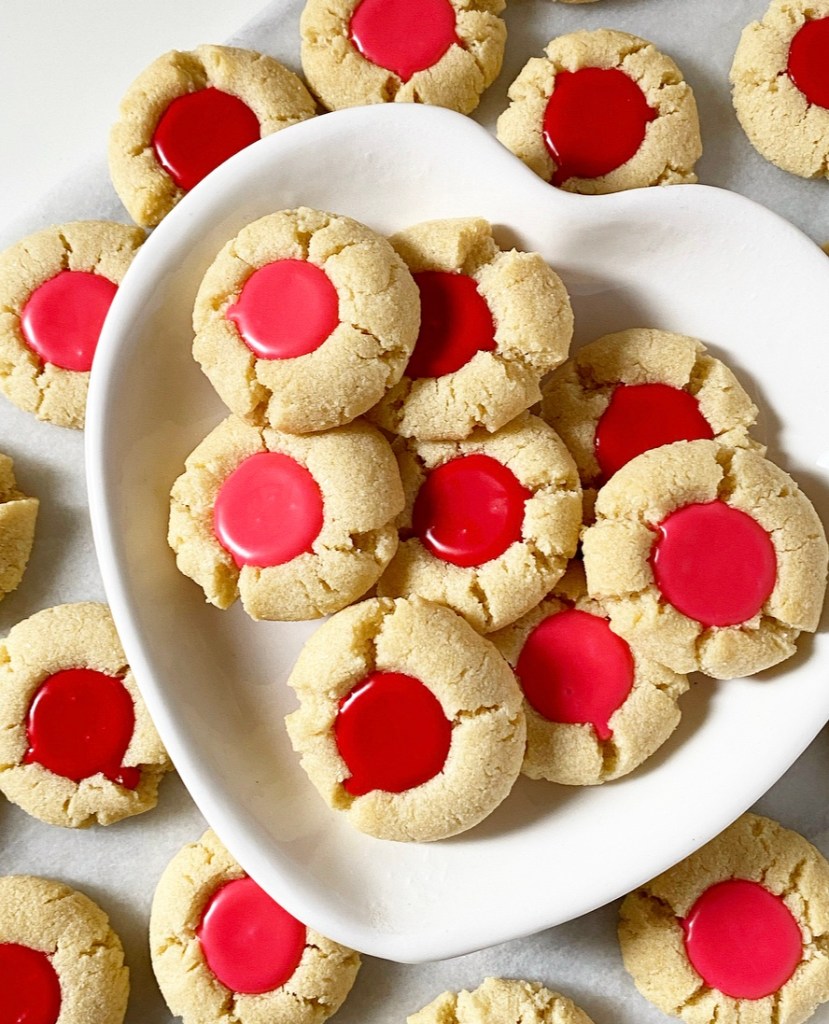
As for the filling, don’t you love these little wells of colorful icing? Say what you want about food coloring, but you can’t deny its cheer factor. With Valentine’s Day around the corner, I went with a vibrant pink and red motif for these, but do whatever makes you happy! I imagine that a display of these in team colors would make for a very festive Super Bowl dessert.

That said, if you’re making these for any occasion, please invite me.
Vegan, Gluten-Free Icing Thumbprints
makes about 2.5 dozen cookies

Cookie Dough:
3 cups blanched almond flour
1 teaspoon baking powder
1 teaspoon Kosher or sea salt
1/2 cup vegan butter, softened to room temperature
2/3 cup granulated sugar
1/3 cup confectioner’s sugar
2 tablespoons maple syrup or light corn syrup
2 teaspoons pure vanilla extract

Icing:
1 1/3 cups confectioner’s sugar, divided
pinch of salt
2 vegan gel or liquid food colorings of choice
2-3 tablespoons (6-9 teaspoons) unsweetened non-dairy milk, divided

In a medium mixing bowl, whisk together almond flour, baking powder, and salt. Set aside.

In a separate medium-large mixing bowl, use an electric mixer to beat vegan butter until fluffy (about 2 minutes). Add sugar and confectioner’s sugar and beat until fully combined (about 2 minutes). Beat in maple syrup and vanilla.

Add dry ingredients in two installments, mixing completely after each addition. Dough may look rubbly, but should hold together extremely well when pinched.

Divide dough in two. Form each half into a disk, then wrap with plastic wrap. Chill for 1 hour or up to 3 days.

Place oven racks in central positions. Preheat oven to 325F. Line two rimmed baking sheets with parchment.

Remove dough from the refrigerator. Scoop dough by the tablespoon and roll each int a ball. Place dough balls at least 2 inches apart on prepared pans. Use the back of a very small spoon (like a 1/2 teaspoon measuring spoon) to slowly press a well into each dough ball. They may crack a bit—just smooth them with your fingers. If dough gets too warm and sticky, freeze for 10 minutes.

Bake cookies 13-14 minutes. Cookies are done when puffed and no longer wet-looking. When you remove the cookies from the oven, press the back of the small spoon (I use 1 teaspoon measuring spoon) into the centers again. Let cookies cool on the pans for 10 minutes before carefully removing to a rack to cool completely. Repeat rolling and baking process with all remaining dough, letting the cookie sheets come back to room temperature between batches.

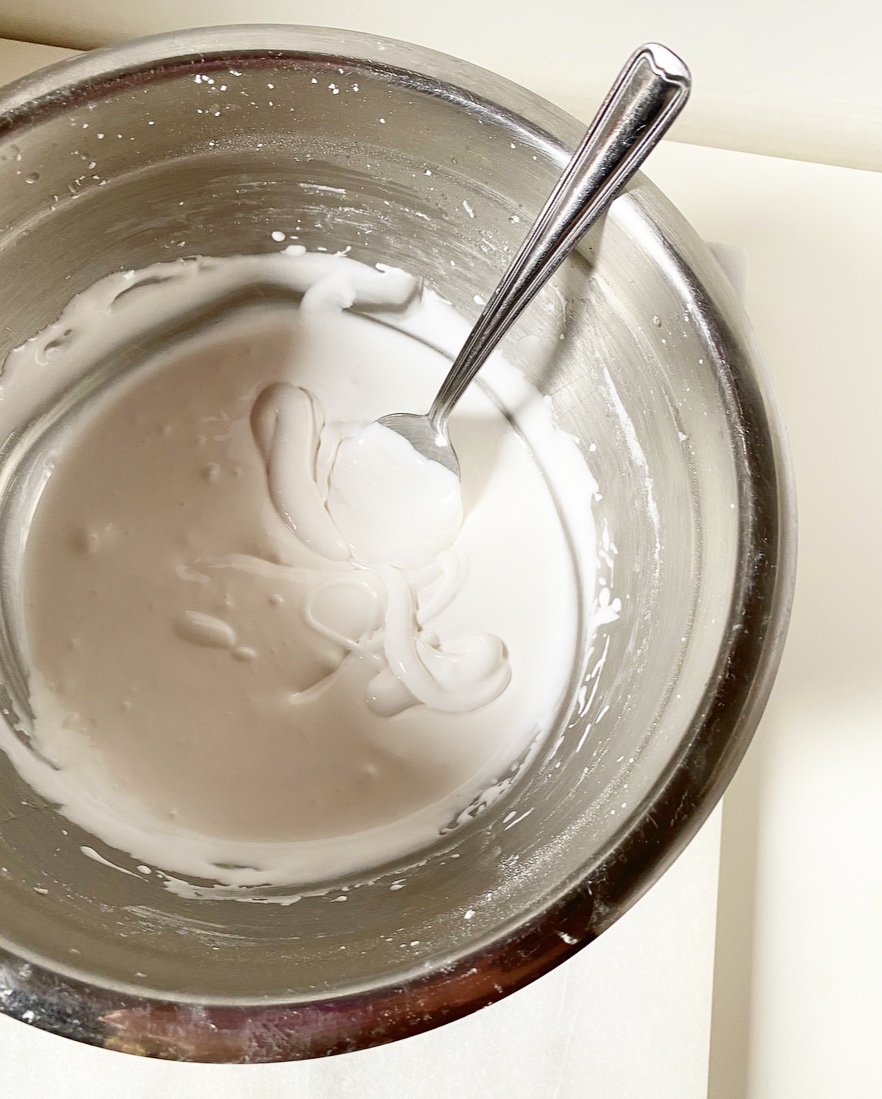
Make the icing. Place 2/3 cup of confectioners sugar and tiny pinches of salt in each of two small bowls. Stir 1 tablespoon (3 teaspoons) of non-dairy milk into each bowl. Add desired food colorings to the separate bowls. Whisk each with a fork until combined. Add more milk by the 1/2 teaspoon until icings are very thick, but pourable.

Transfer icings to piping bags (or ziptop sandwich bags) twist them tight and snip off very small corners. Fill wells in cookies as desired.

You can serve the cookies almost immediately, but the icing won’t set to a non-drippy texture for a few hours. Cookies will keep in an airtight container at room temperature for a few days. Place parchment or wax paper between layers for easiest storage.

Chocolate-Covered Strawberry Mousse Cake

Chocolate-Covered Strawberry Mousse Cake​

I am not a fan of strawberry desserts in February. They make exactly zero sense. We’ve got months before fresh berries are worth eating! That doesn’t seem to stop everyone from wanting them for Valentine’s Day though.

As a blogger, I can either resist or lean into situations like this. It’s safe to say that, in the case of this Chocolate-Covered Strawberry Mousse Cake, I’m leaning all the way in—all the way. With my favorite flourless chocolate cake base, a thick layer of strawberry mousse in the middle and a rich ganache topping, this is a Valentine’s Day dessert even I can’t resist!

Chocolate-Covered Strawberry Mousse Cake​

This recipe looks fancy, but is actually very simple. The flourless chocolate cake base is a one-bowl whisk & bake situation that turns out fudgy and decadent every time. With a texture somewhere between an excellent brownie and the center of a chocolate truffle, this cake is fantastic all on its own, but today, it’s just the beginning.

Next up: the strawberry mousse—the star of the show! It’s airy and creamy, but still stable enough to layer thanks to a tiny bit of cream cheese and a whole lot of pulverized freeze dried strawberries. Why freeze dried? Because unlike February strawberries, they have a super-concentrated flavor and are delicious year-round. I buy mine at Trader Joe’s and Target, but I am sure there are plenty of places to procure them online.

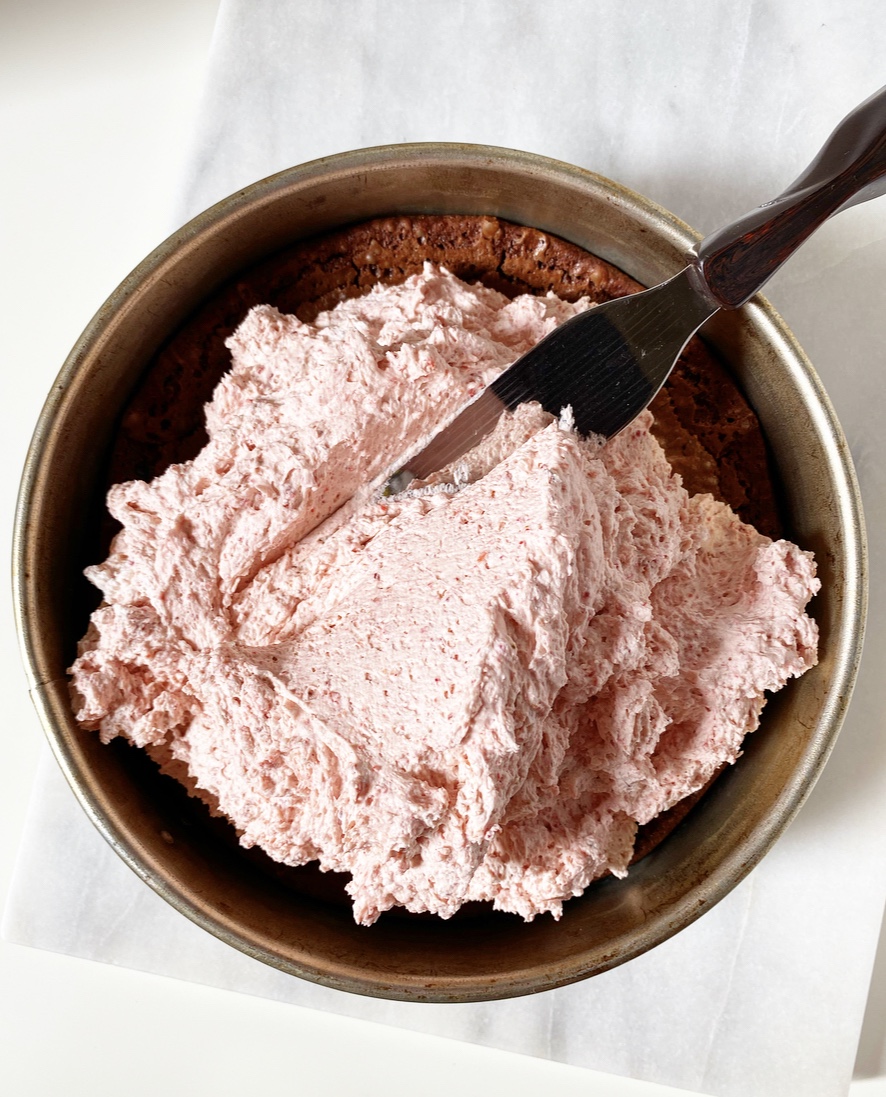
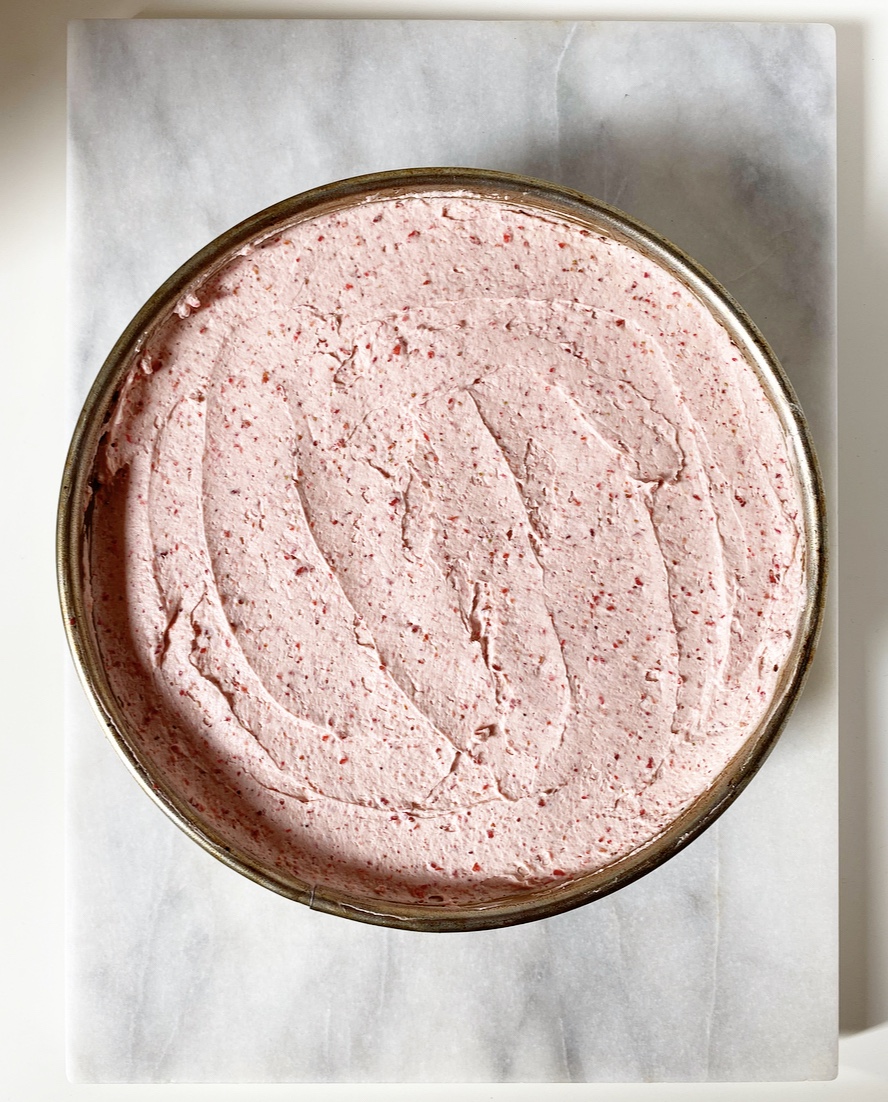
You’ll notice that I introduce heavy cream into the mousse in two phases. First, I add a cup of liquid cream to the strawberries and cream cheese to help them become one mass. Then, I whip two more cups of cream and gently fold them into the strawberry mixture until it’s mousse. This may seem like a lot of fuss, but it results in a super light texture, which is exactly what we want. Layer the mousse on top of the cake, smooth it to the edges of the pan, and refrigerate for a few hours to set.

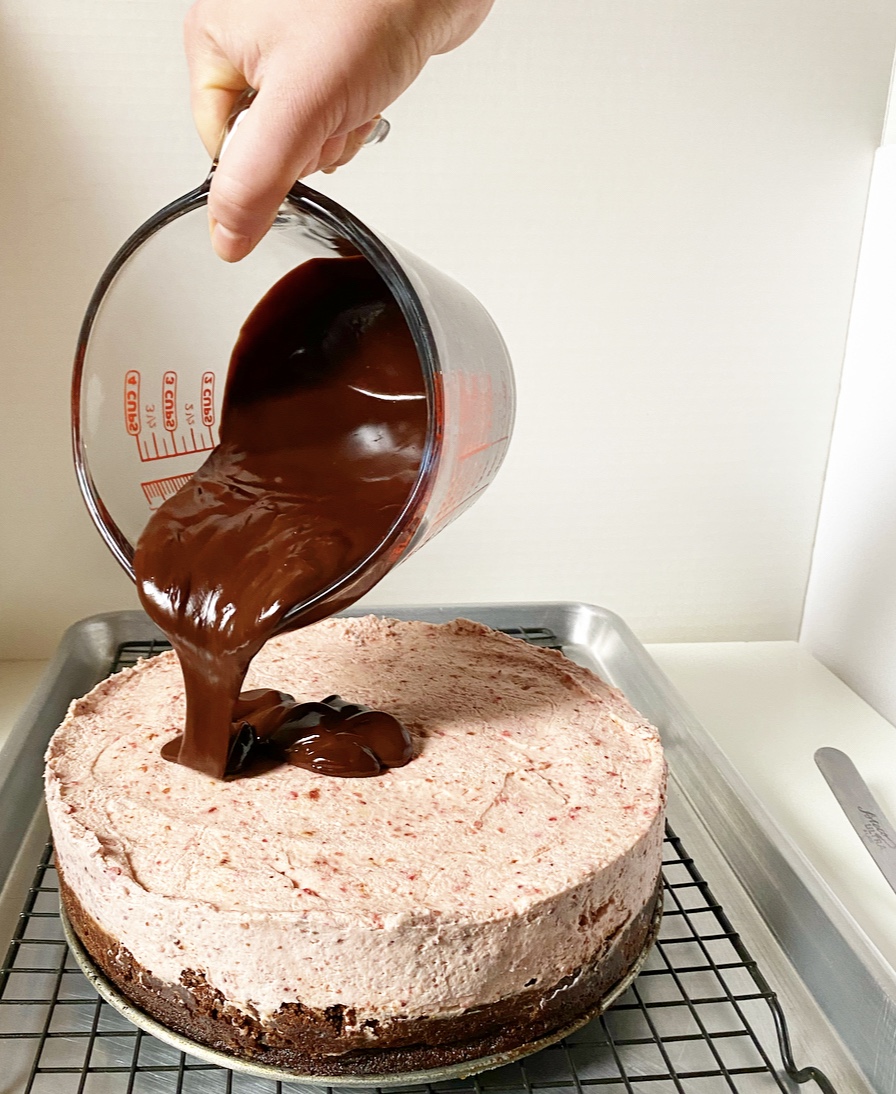
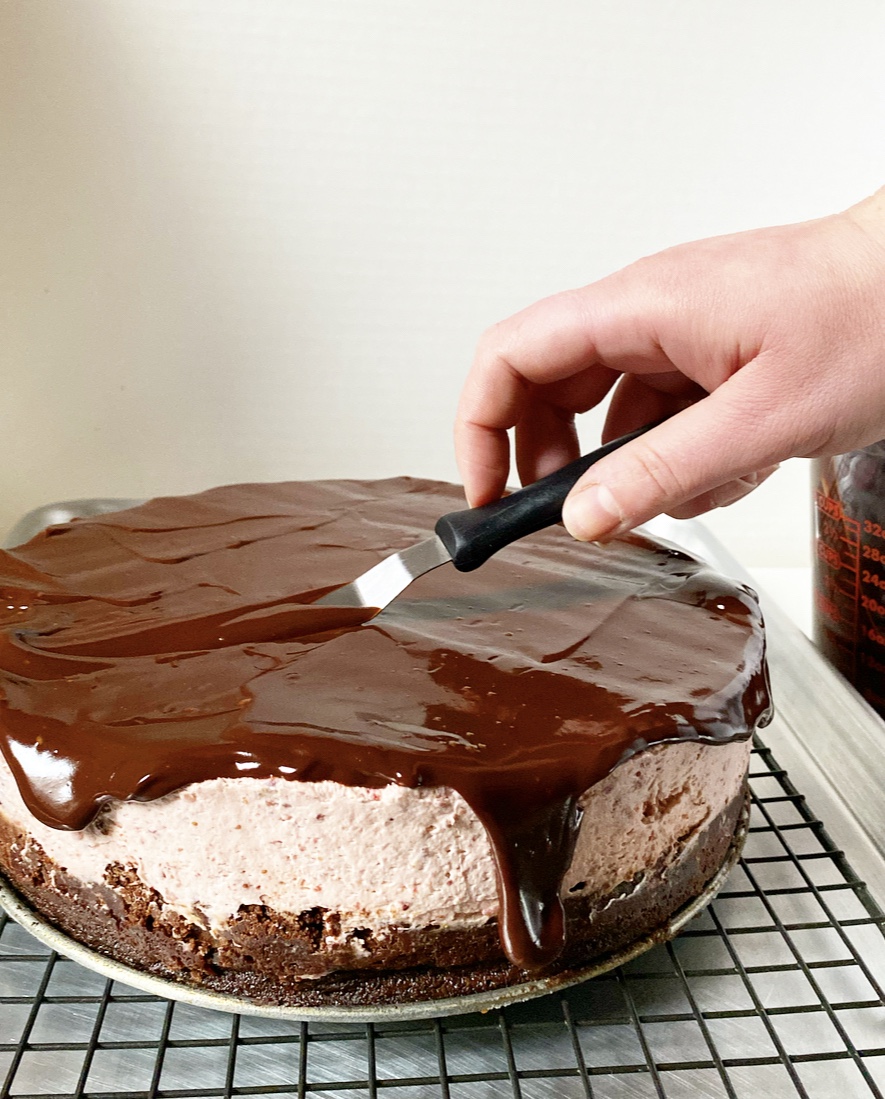
The last step in making Chocolate-Covered Strawberry Mousse Cake? Making the chocolate covering, of course! In this case, it’s just a soft ganache (mix of dark chocolate and heavy cream) that is poured over the mousse, then coaxed over the edges so that it drips down to the cake layer. I am sure there is some very fancy and precise way to do this, but I like it a little irregular.

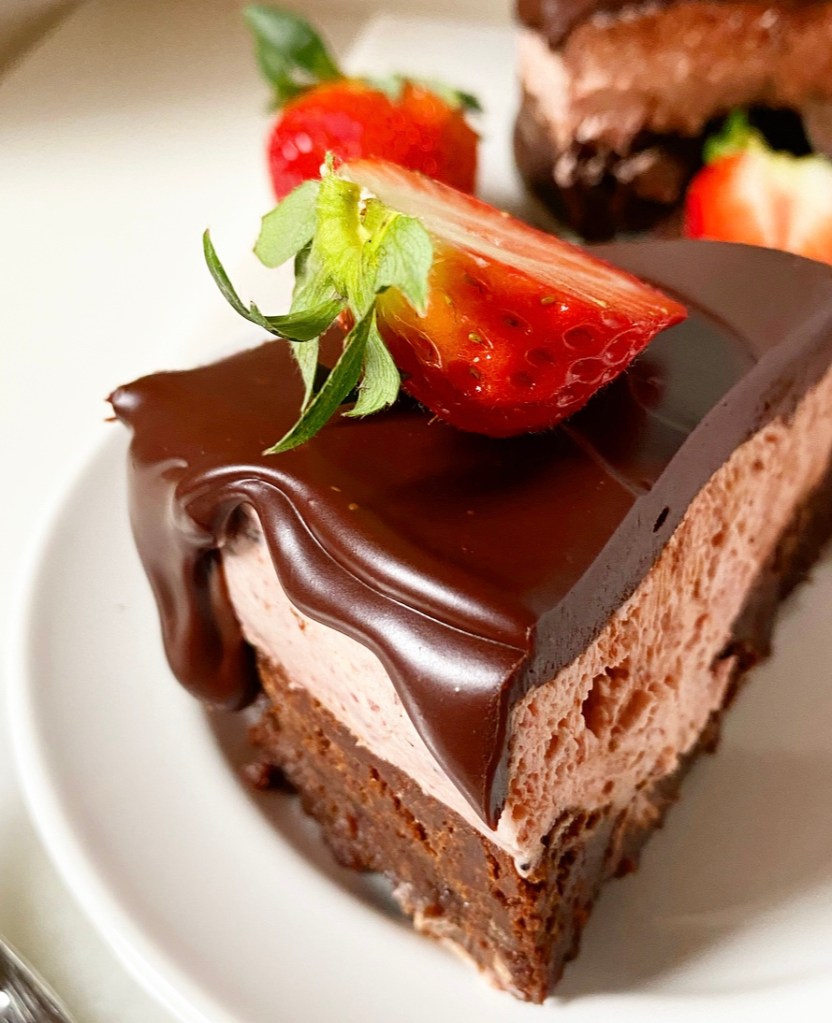
Once fully assembled, the cake needs to be refrigerated just a little longer so that it slices well. I threw some styrofoam-flavored February strawberries on mine for flair, but feel free to decorate (or not) however you like. This thing is going to look gorgeous and taste like chocolate-strawberry magic no matter what.

Chocolate-Covered Strawberry Mousse Cake​

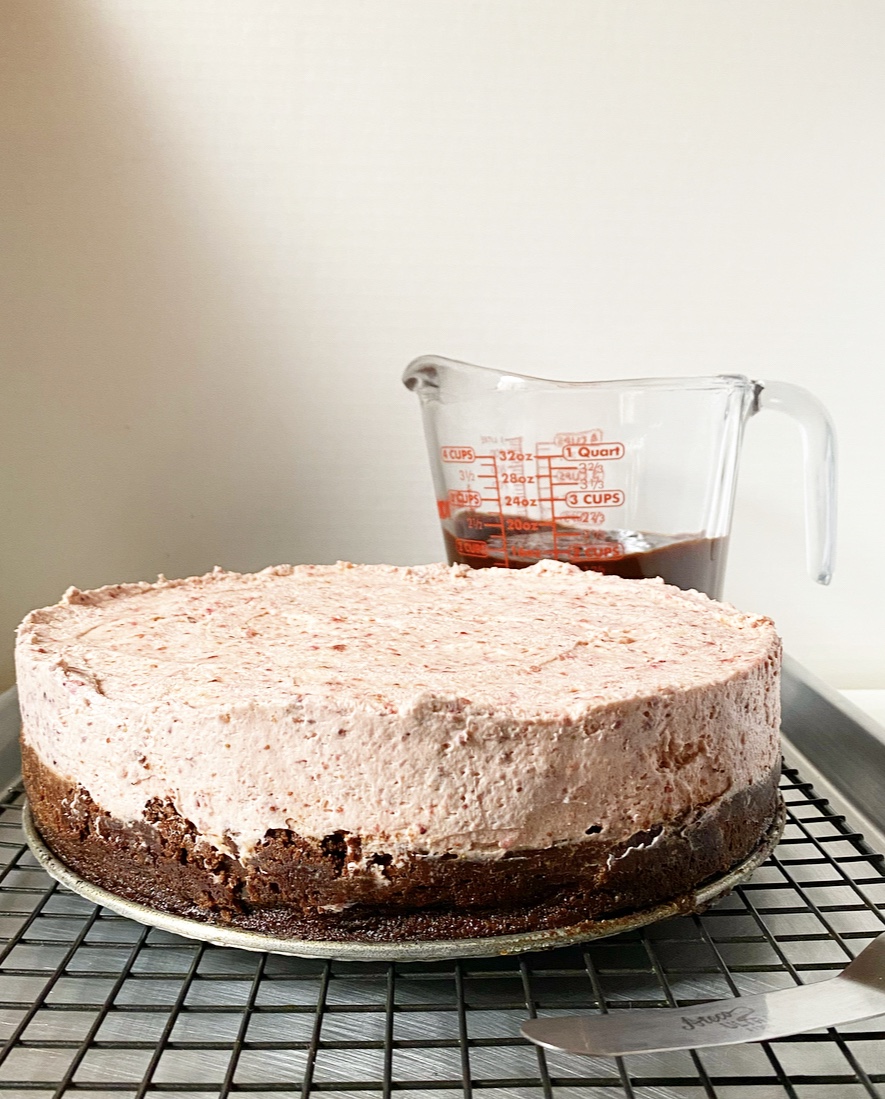
Would you look at those layers? They’re a thing of beauty! And that’s to say nothing of the flavor, which is outstanding. The rich chocolate and creamy strawberry mousse balance each other perfectly, and are truly irresistible. And that’s coming from someone who doesn’t like fruit with chocolate anytime of year.

Yeah, I know. I’m no fun. But I’m leaning in.

Chocolate-Covered Strawberry Mousse Cake​
Chocolate-Covered Strawberry Mousse Cake
makes one 9-inch round cake

Cake:
7 ounces bittersweet chocolate, chopped
7 ounces unsalted European-style butter*, cut into small pieces
1 1/3 cups granulated sugar
5 large eggs, room temperature
1/2 teaspoon pure vanilla extract
1 tablespoon cocoa powder (natural or Dutch process)
1/2 teaspoon Kosher or sea salt

Mousse:
2 ounces (1/4 brick) full-fat brick-style cream cheese
2 1.2-ounce packages freeze dried strawberries, pulverized
1 1/3 cups confectioner’s sugar
2 teaspoons pure vanilla extract
3 cups heavy cream, very cold, divided

Ganache:
8 ounces dark chocolate, finely chopped
1 cup heavy cream

Garnish:
fresh strawberries, if desired

READ THE ENTIRE RECIPE BEFORE PROCEEDING.

Make the cake. Preheat oven to 375F. Grease a 9-inch springform pan with butter. Set aside.

In a double boiler or the microwave, melt dark chocolate and butter together, stirring occasionally, until smooth. Whisk in sugar. Allow to cool slightly.

Whisk in one egg at a time, combining completely after each addition. Stir in vanilla. Whisk in cocoa powder and salt, scraping down the bowl as necessary. Pour batter into prepared pan. Bake for 20-25 minutes, until the center jiggles just slightly when the pan is jostled. Let cool completely in the pan on a rack, about 90 minutes to 2 hours. Do not remove the springform. Cake may be made up to a day in advance.

Make the mousse. In a medium mixing bowl, use an electric mixer to beat cream cheese until fluffy (1-2 minutes). Add pulverized strawberries, confectioner’s sugar and salt, and mix again. It will be very powdery. Add 1 cup heavy cream and mix on high until combined.

In a separate mixing bowl, use an electric mixer to whip 2 cups heavy cream on low for 30 seconds before whipping on high for 1-2 minutes, until stiff peaks form.

Stir 1/4 of the whipped cream into the strawberry mixture. Working with 1/4 at a time, gently fold remaining whipped cream into the strawberry mixture, until very fluffy with no white streaks remaining.

Pile the mousse on top of the cooled cake (still in the pan). Spread it into an even layer and tap the pan on the counter a few times to release any large air bubbles. Stick a layer of plastic wrap to the surface of the mousse. Refrigerate for at least 3 hours or overnight.

Remove cake from the refrigerator. Remove plastic wrap. Run a thin, flexible knife dipped in warm water around the edge of the pan before removing the springform. Smooth the sides of the released cake as needed. Refrigerate if not topping immediately.

Make the ganache. Place bittersweet chocolate in a small bowl. Pour heavy cream into a small saucepan over medium heat. When it just barely starts to boil, remove it from the heat and pour the cream over the chocolate. Once the chocolate looks soft (2-3 minutes), stir it together with a fork until you have a smooth chocolate sauce. Let cool 10 minutes.

Place a cooling rack over a rimmed sheet pan. Top with the cake. Gently pour ganache over the top of the cake, then use an offset icing spatula (or the back of a spoon) to coax the chocolate over the edges.

Lift the cake off the cooling rack and refrigerate for at least 1 hour before serving. Garnish with fresh strawberries, if desired. Serve cake.

For clean slices, dip the knife in warm water and wipe dry between cuts. Leftovers will keep for up to 4 days in the refrigerator, though fresh strawberries may degrade over time.

Vegan, Gluten-Free Linzer Cookies

Vegan, Gluten-Free Linzer Cookies​

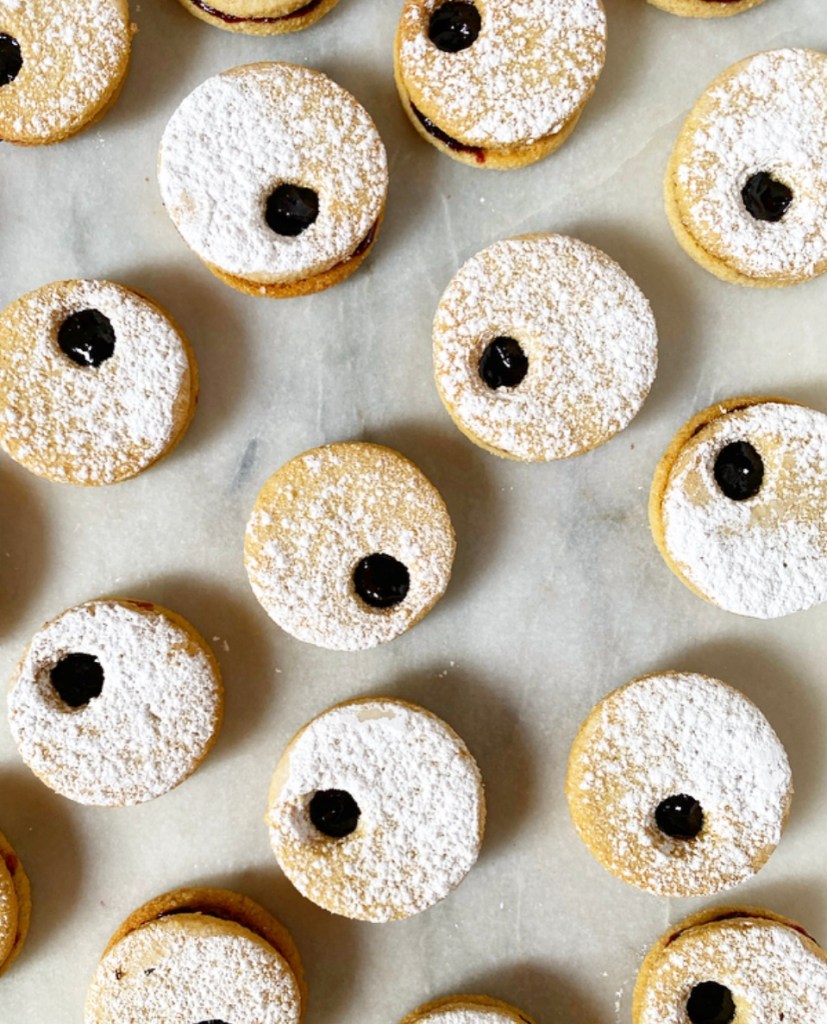
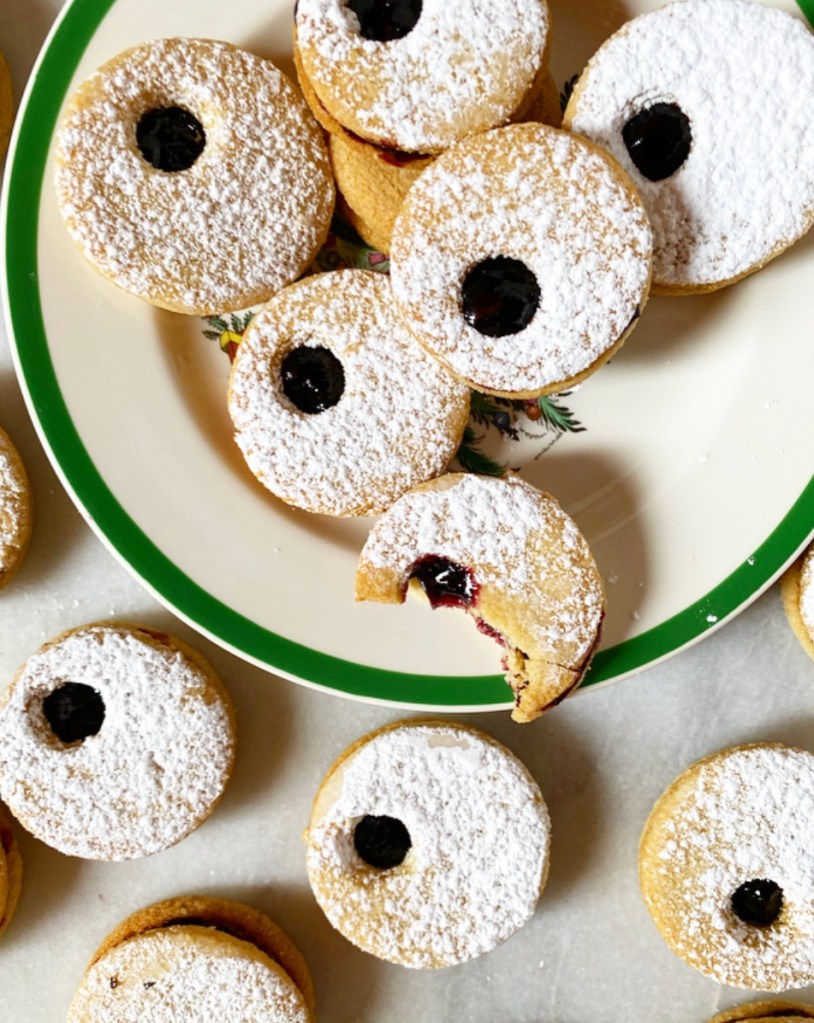
After nailing the perfect snappy texture in last week’s Vegan, Gluten-Free Gingerbread Cookies, I couldn’t resist taking that formula and making it into linzer cookies.

Vegan, Gluten-Free Linzer Cookies​

Traditional linzer cookies are made from a dough that isn’t much more than a sugar cookie with a smattering of ground nuts tossed in for depth and tenderness. My vegan, gluten-free cookie formula already gets all its structure from almonds, but I still found a way to make the final product uniquely linzery. Linzerian? Linzeresque? Anyway…

The gist is that I removed the dark molasses and spices from the dough, lightening the flavor profile with maple syrup and a small, but effective amount of toasted ground hazelnuts. If you can’t get your hands on hazelnuts, pecans will work just as well (plus you won’t have to peel them).

Vegan, Gluten-Free Linzer Cookies​

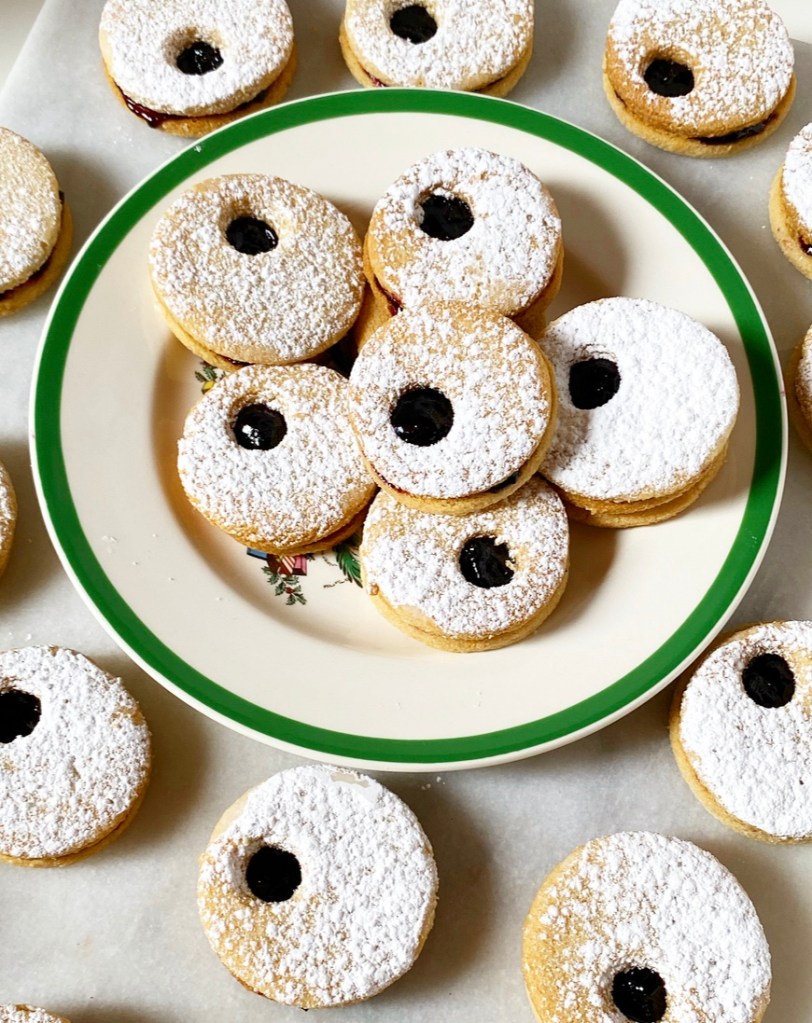
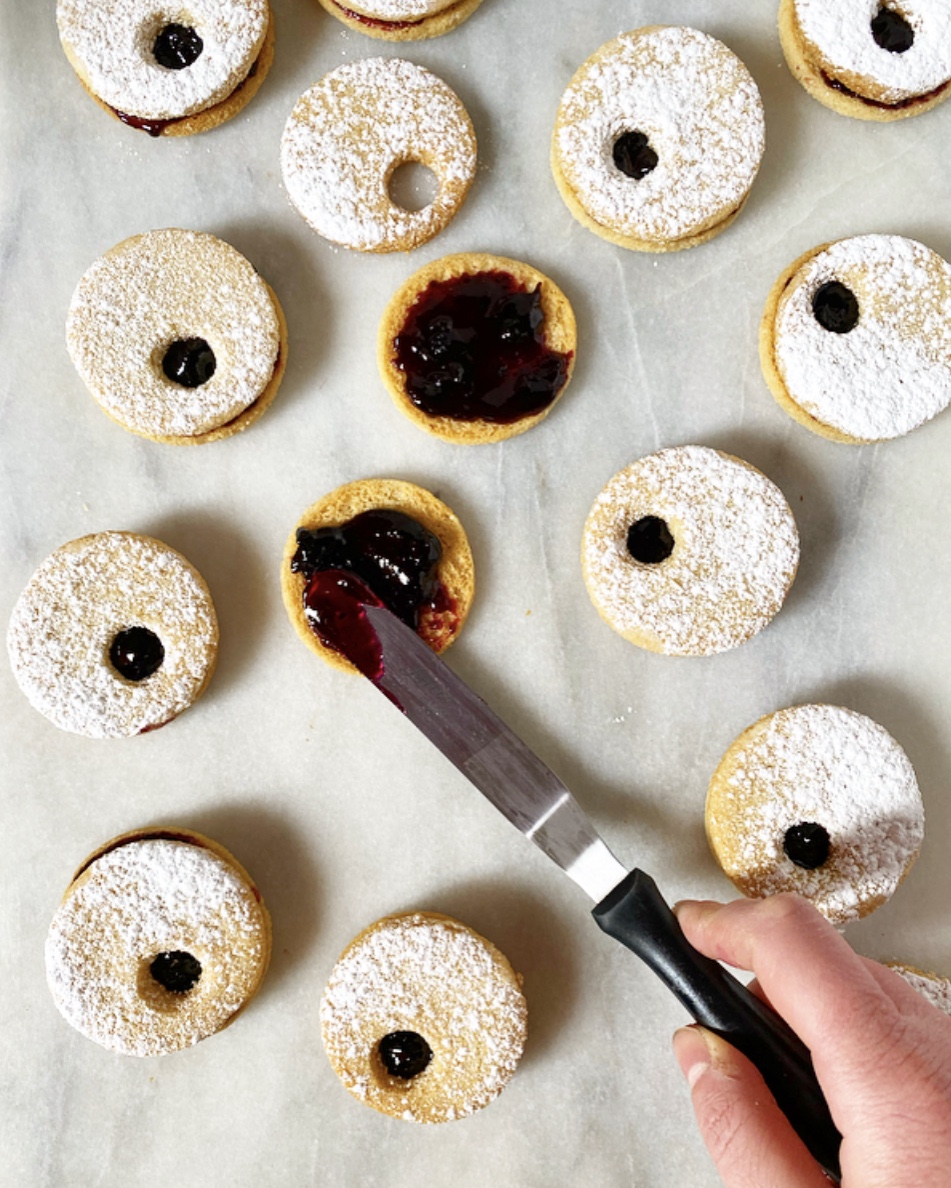
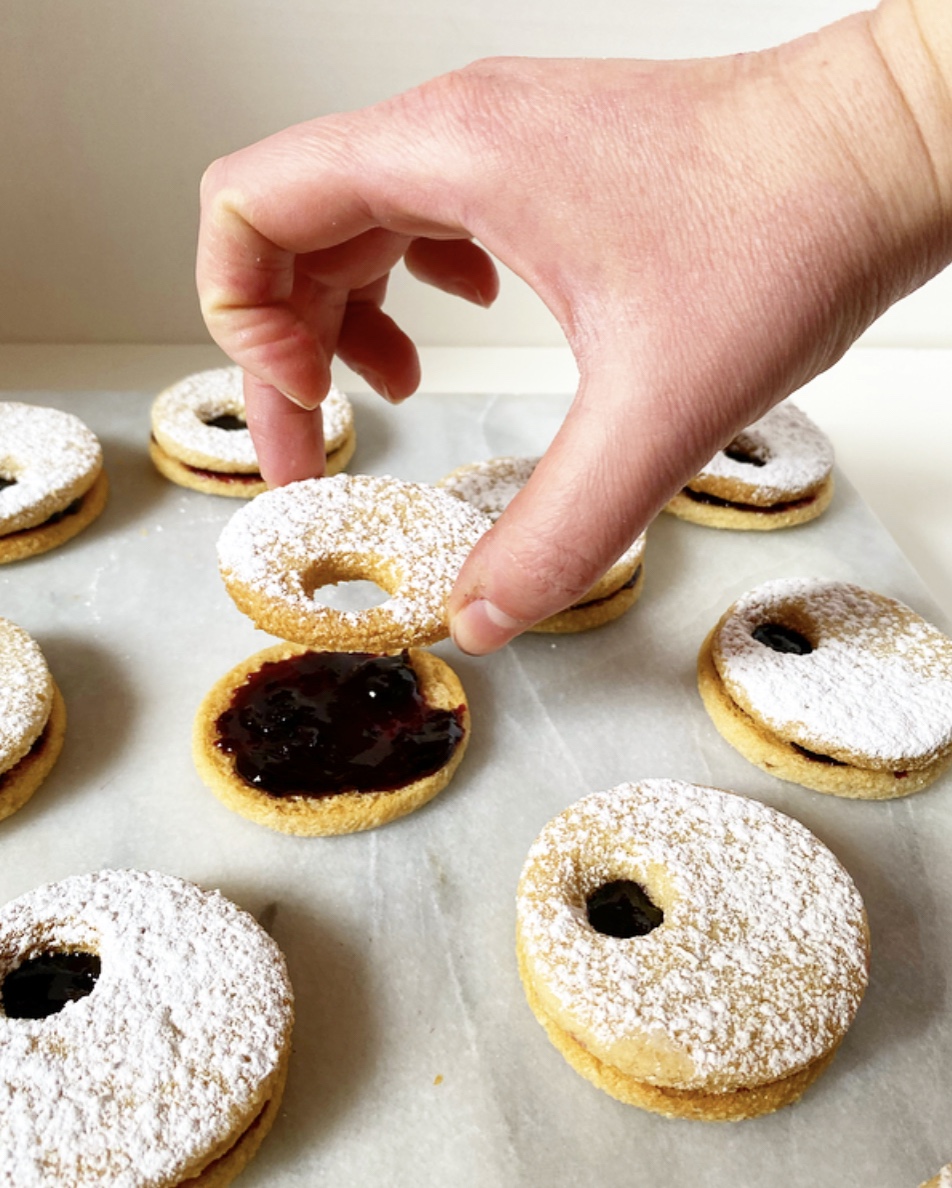
This dough requires a short chill before the usual rolling, cutting and baking. Don’t forget to stamp out a little window in half your cookies for that signature linzer cookie look!

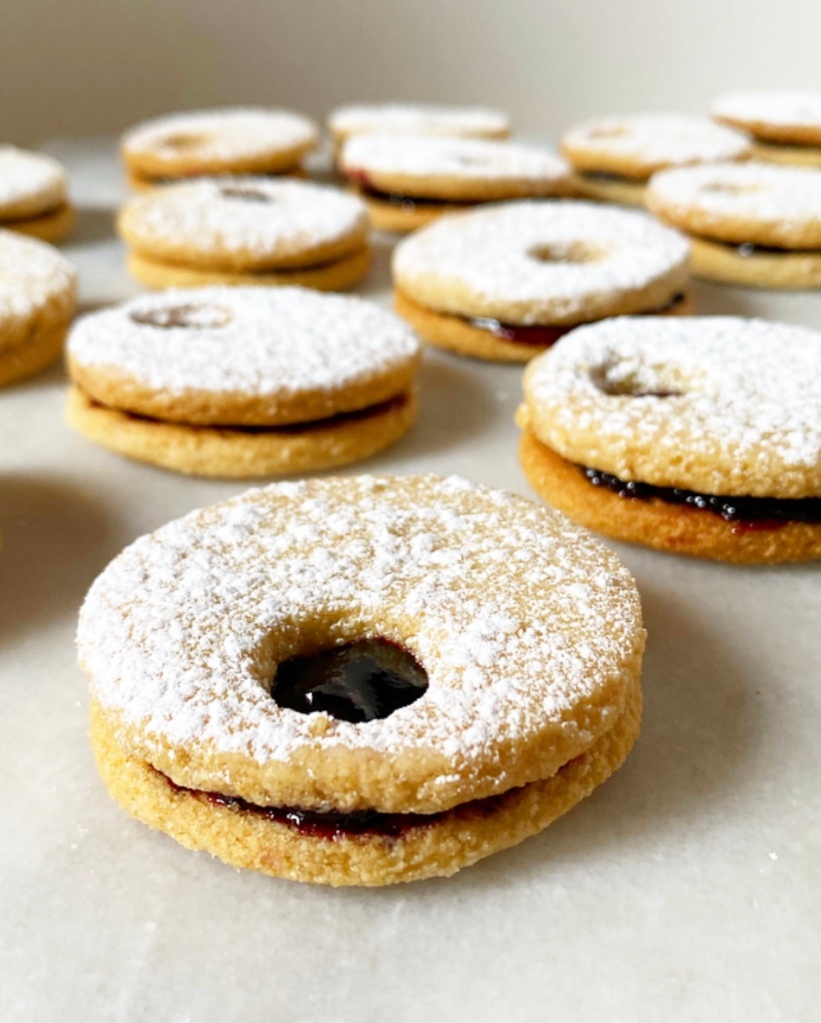
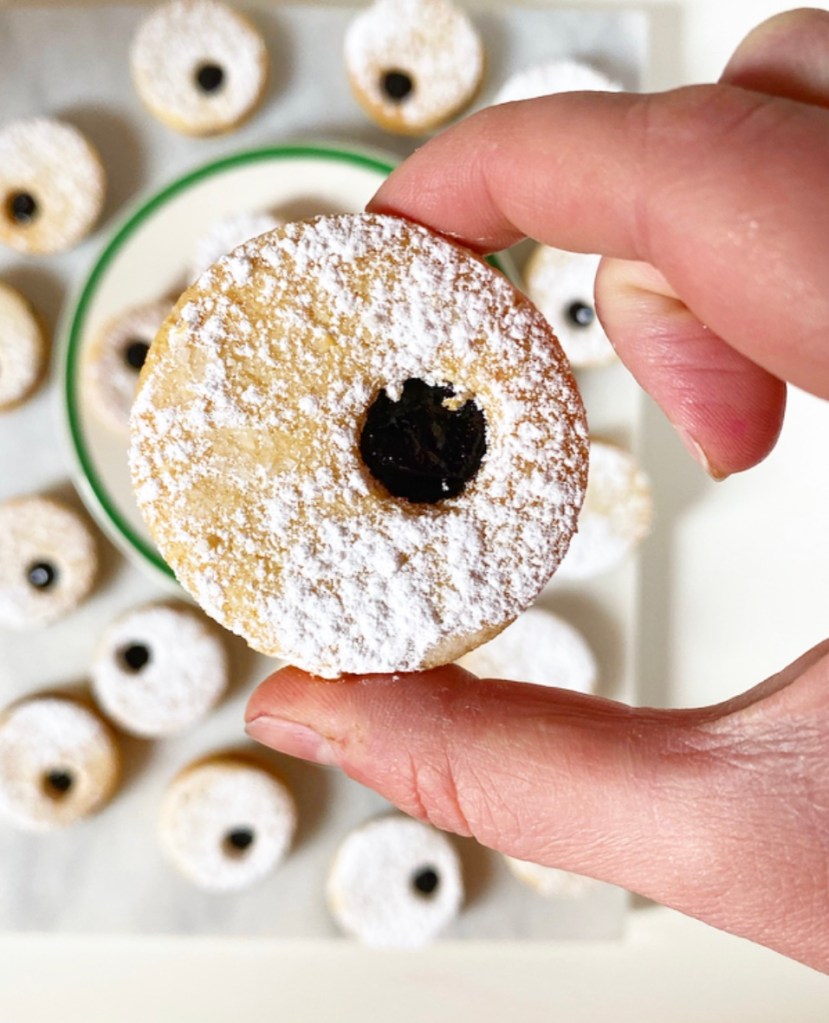
As far as filling goes, you can use any spread you like, but jam is traditional. I’m not much of a jam person, but I had a jar of homemade blueberry jam from my friend Suzette up in Maine, so I used that. Raspberry and strawberry would give festive Christmas red vibes, but I think orange marmalade might be absolute magic paired with the nutty cookies. I’ll have to try that another day though—for now, I’m extremely into these blue-black little picture windows and the signature flavor of my favorite place.

Vegan, Gluten-Free Linzer Cookies​

Vegan, Gluten-Free Linzer Cookies are initially very crunchy, but soften a bit as they soak up some moisture from the jam. This is not a bad thing at all, as it makes them easier to eat without getting crumbs on your shirt. That’s very important if, like me, you plan to casually snag a cookie every time you walk by the plate from now until 2022.

Vegan, Gluten-Free Linzer Cookies​
Vegan, Gluten-Free Linzer Cookies
makes about 2.5 dozen sandwich cookies

1/2 cup whole hazelnuts (or pecans)
2 1/2 cups blanched almond flour
1 teaspoon baking powder
1 teaspoon Kosher or sea salt
1/2 cup vegan butter, softened to room temperature
2/3 cup granulated sugar
1/3 cup confectioner’s sugar
2 tablespoons maple syrup or light corn syrup
2 teaspoons pure vanilla extract

For assembly:
2 tablespoons confectioner’s sugar
~3/4 cup jam or spread of choice

Special equipment:
rolling pin
2-inch cookie cutter
smaller cookie cutter (I used the large end of a piping tip)

toast and peel the hazelnuts. Place hazelnuts in a dry skillet over medium heat. Stir frequently until fragrant, 7-10 minutes. Immediately transfer hazelnuts to a clean, dry hand towel. Fold towel around the hazelnuts and then rub the towel with the palm of your hand. This will allow the hazelnut skins to loosen. This step does not have to be done perfectly. (If you are using pecans, you do not need to peel them.)

Let hazelnuts cool completely. Transfer to a food processor and pulse until they are a fine meal. Do not over-process or you’ll have hazelnut butter (delicious, but not helpful here).

In a medium mixing bowl, whisk together ground hazelnuts, almond flour, baking powder, and salt. Set aside.

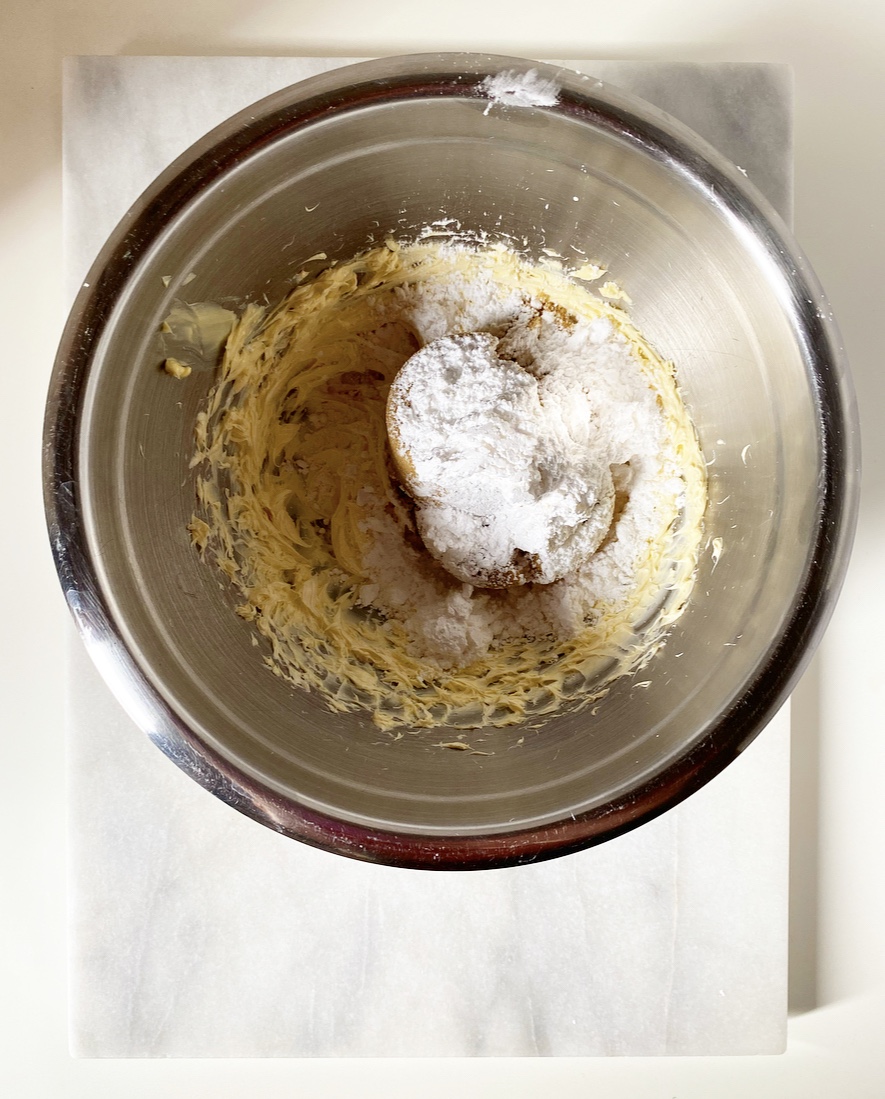
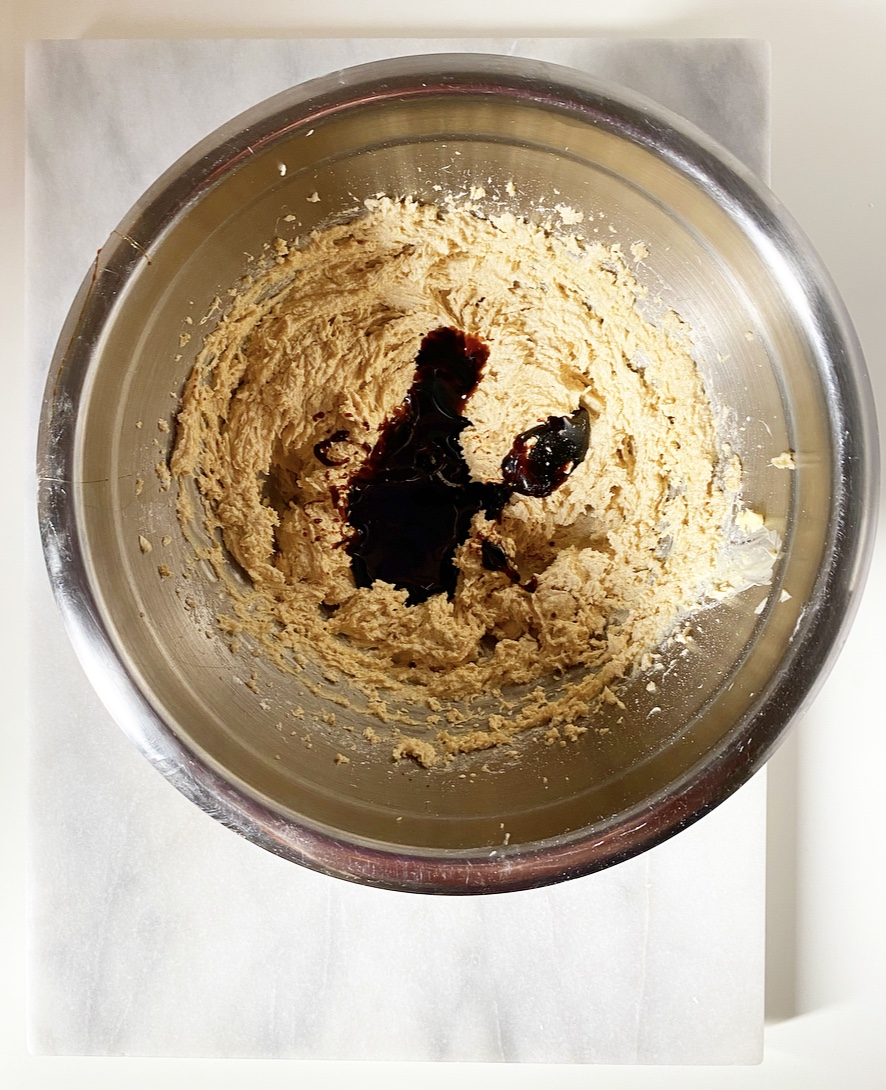
In a separate medium-large mixing bowl, use an electric mixer to beat vegan butter until fluffy (about 2 minutes). Add sugar and confectioner’s sugar and beat until fully combined (about 2 minutes). Beat in maple syrup and vanilla.

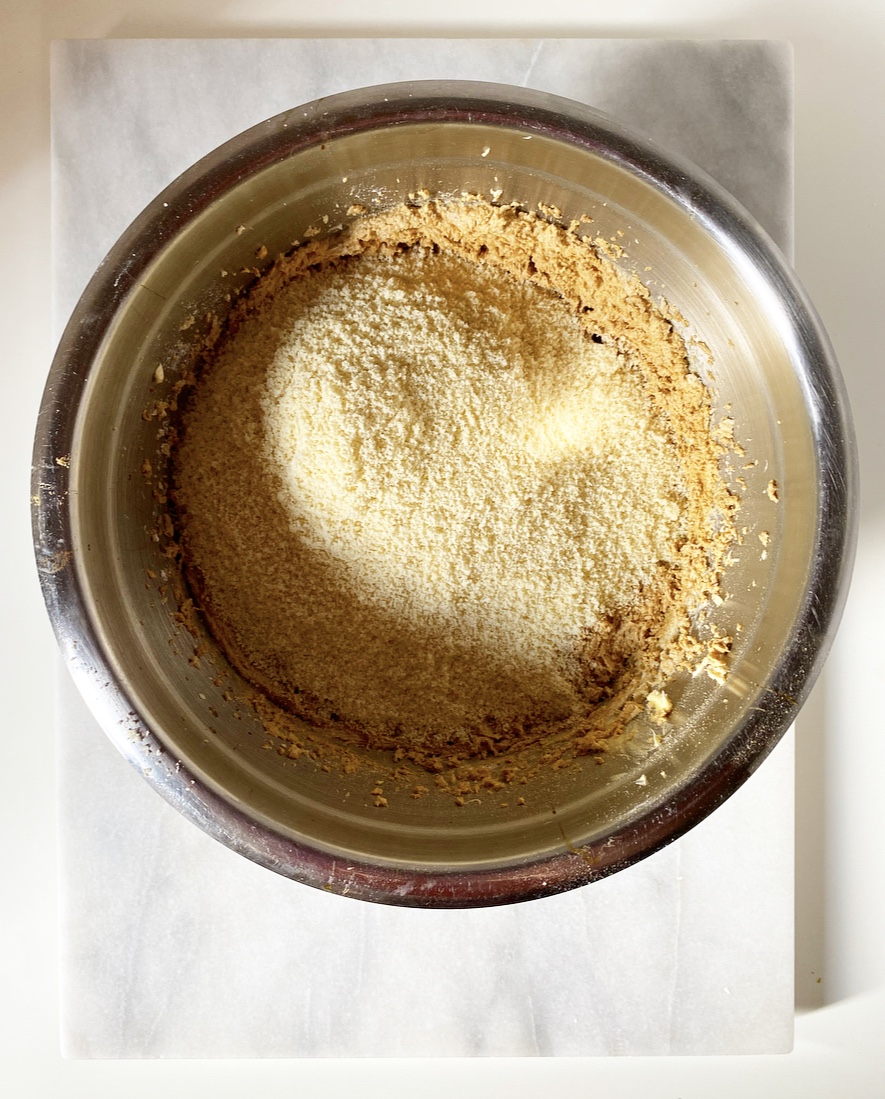
Add dry ingredients in two installments, mixing completely after each addition. Dough may look rubbly, but should hold together extremely well when pinched.

Divide dough in two. Form each half into a disk, then wrap with plastic wrap. Chill for 1 hour or up to 3 days.

Place oven racks in central positions. Preheat oven to 325F. Line two rimmed baking sheets with parchment.

Use confectioner’s sugar to dust a surface and rolling pin. Unwrap one disk of dough and place it on the surface. Use the rolling pin to roll it out to 1/8-inch thickness. A thin offset icing spatula or bench scraper (or similar) will make moving the dough much easier, as will adding more confectioner’s sugar to the surface and rolling pin.

Use a 2-inch rom d cookie cutter to cut cookies, then use the icing spatula to move them to the prepared pans, keeping them 1.5 inches apart. Use a smaller cutter (I used the wide end of a piping tip) to cut windows in half your cookies—these are the tops of your linzers. Bake cookies 12-14 minutes, rotating the pans top-to-bottom and front-to-back at the 7 minute mark.

Let cookies cool 10 minutes on their pans. Use a spatula to remove them to a cooling rack to cool completely.

Repeat rolling, cutting, and baking as needed, re-rolling scraps as needed. Let cookie sheets come to room temperature between batches.

Set a cooling rack over a piece of parchment. Once all cookies are baked and cooled, set the cookies with the centers cut out on a prepared rack. Sift confectioners sugar over the tops.

Spread each whole cookie with jam (amount is based on your preference). Carefully sandwich cookies together. Serve.

Cookies will keep in an airtight container at room temperature for up to 3 days, or in the refrigerator for up to a week. Place wax paper between layers for best storage. Cookies will soften a bit over time.
The Best Vegan, Gluten-Free Gingerbread Cookies

I am delighted to present this recipe as part of the Sweetest Season Cookie Exchange. This my fourth year participating in this event during which food bloggers post holiday cookies, raise awareness and donate money in support of Cookies for Kids’ Cancer, a 501(c)3 non-profit organization. We believe in their mission to raise funds for innovative pediatric cancer treatments and research through bake sales and cookie swaps. Many supporters (“Good Cookies”) do this throughout the year, and I am happy to contribute by participating in the Sweetest Season. If you’d like to learn more and/or make a charitable donation to Cookies for Kids’ Cancer, click here. For cookies, keep scrolling!
The Best Vegan, Gluten-Free Gingerbread Cookies

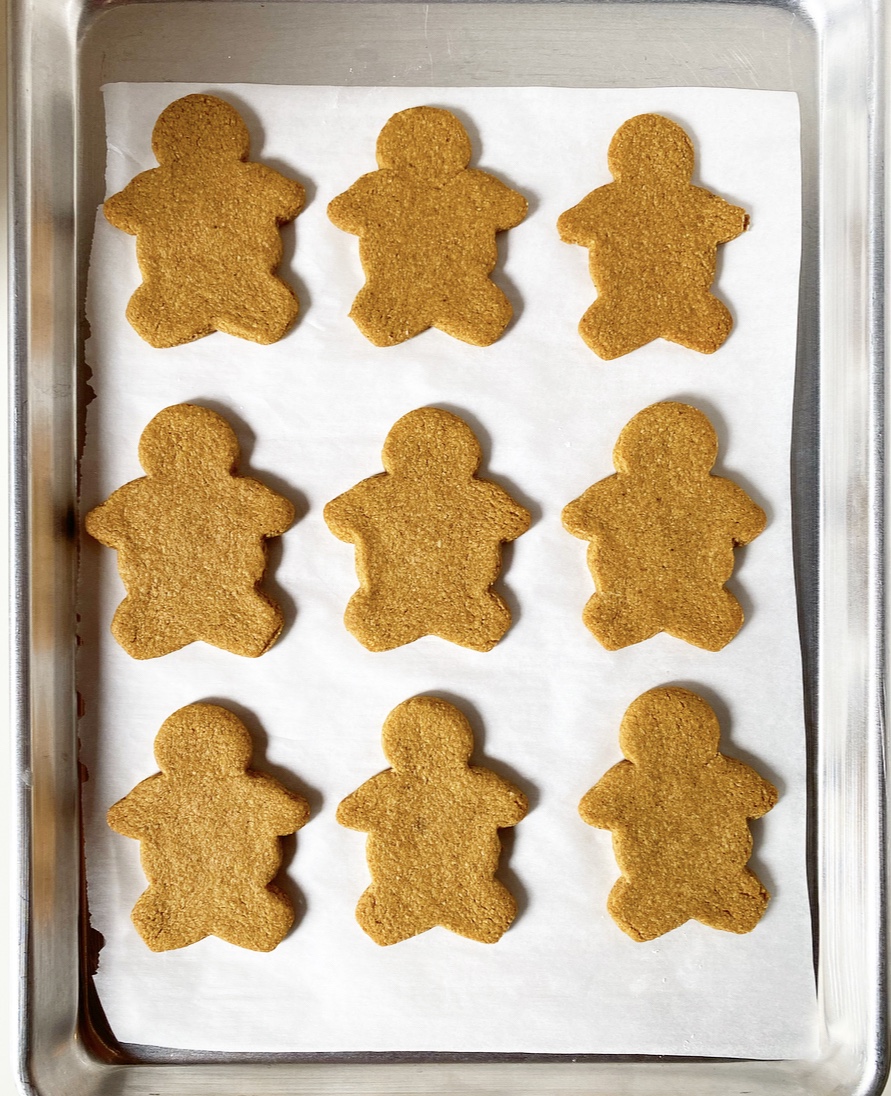
I’ve spent years making different variations on gingerbread cookies, and though I will go to the mattresses for my Maple Spice Stars, I think these Vegan, Gluten-Free Gingerbread Cookies are my best to date. They’re sweet and snappy, and if I didn’t outright tell you that they are egg, dairy, and flour-free, you’d never know it. They just taste like Christmas.
The Best Vegan, Gluten-Free Gingerbread Cookies

These sweet little cookie people are every bit the soul-warming ginger-spiced cookies we all know and love, just made more accessible. Baking is rarely something I do with only myself in mind and that goes double for the holiday season; it makes perfect sense to have recipes that can feed more of my community in my repertoire. My community happens to include a lot of people who are gluten-free or vegan or both, so these festive treats certainly fit the bill!

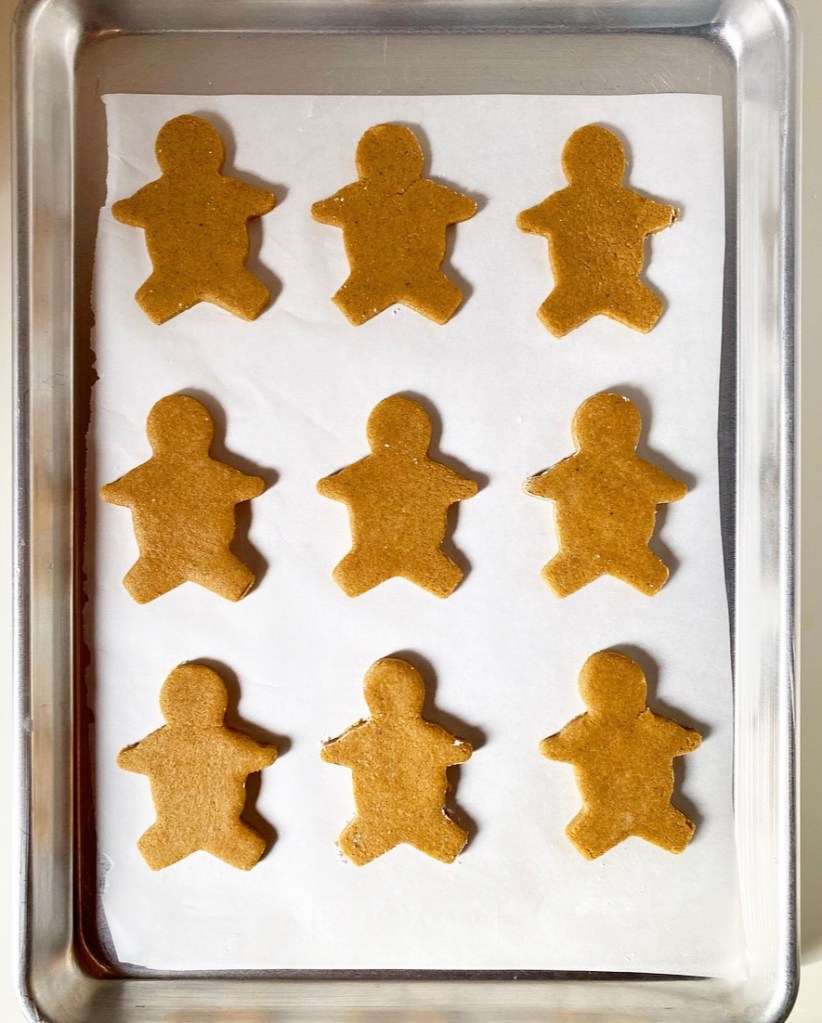
Let’s talk process. This dough is simple and straightforward, relying on easy-to-find ingredients like almond flour, vegan butter, and confectioner’s sugar in addition to classic gingerbread fare like molasses, brown sugar, and a bevy of spices. It takes just minutes to mix up and only needs an hourlong chill before it’s ready to roll and cut. You can use any cookie cutter you like, of course, but I am a sucker for classic gingerbread people. So cute!

Baking is business as usual. These little buddies take 12-14 minutes at 325F, with crisper results coming more toward the 14 minute mark. Heads up: keep an eye on them in that last minute so they don’t over-brown. Even if they do get a little overdone though, you can fix them right up with icing. Vegan Royal Icing to be exact!

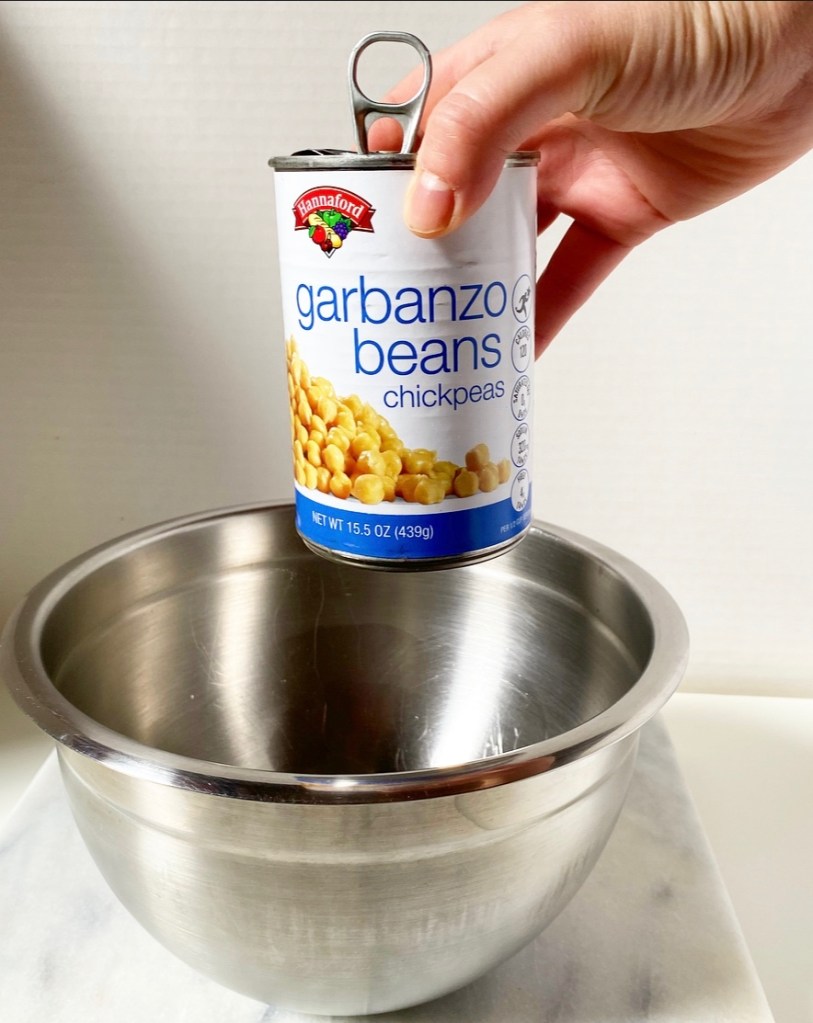
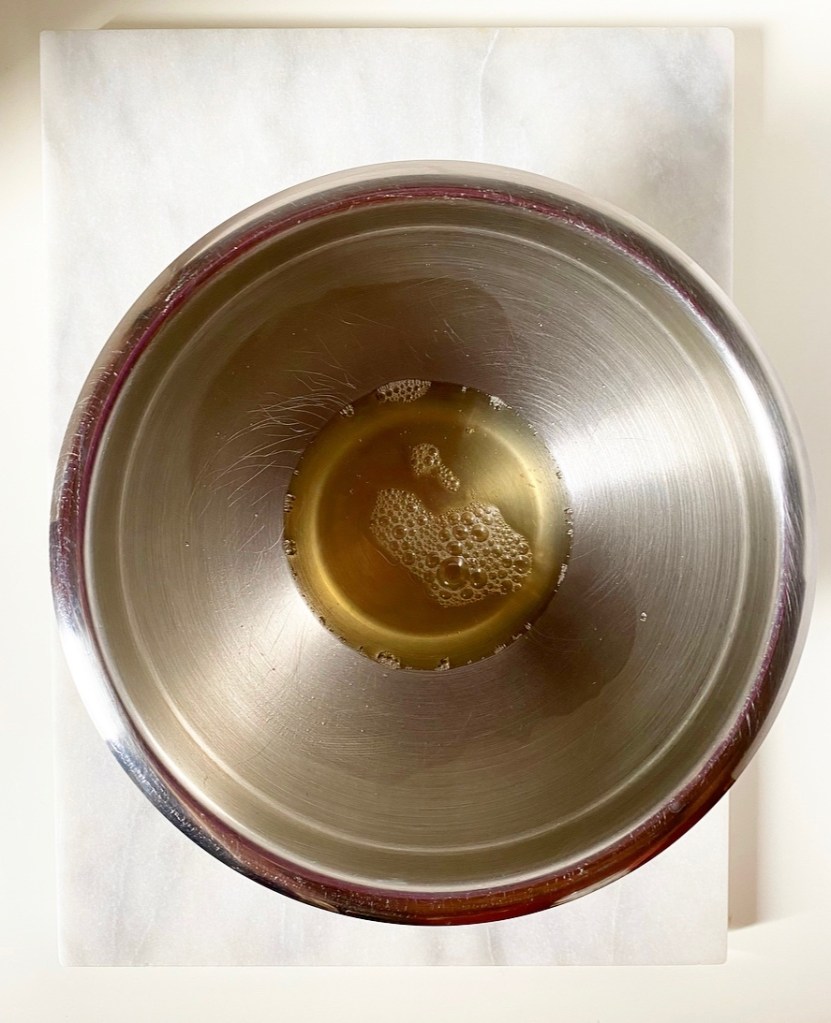
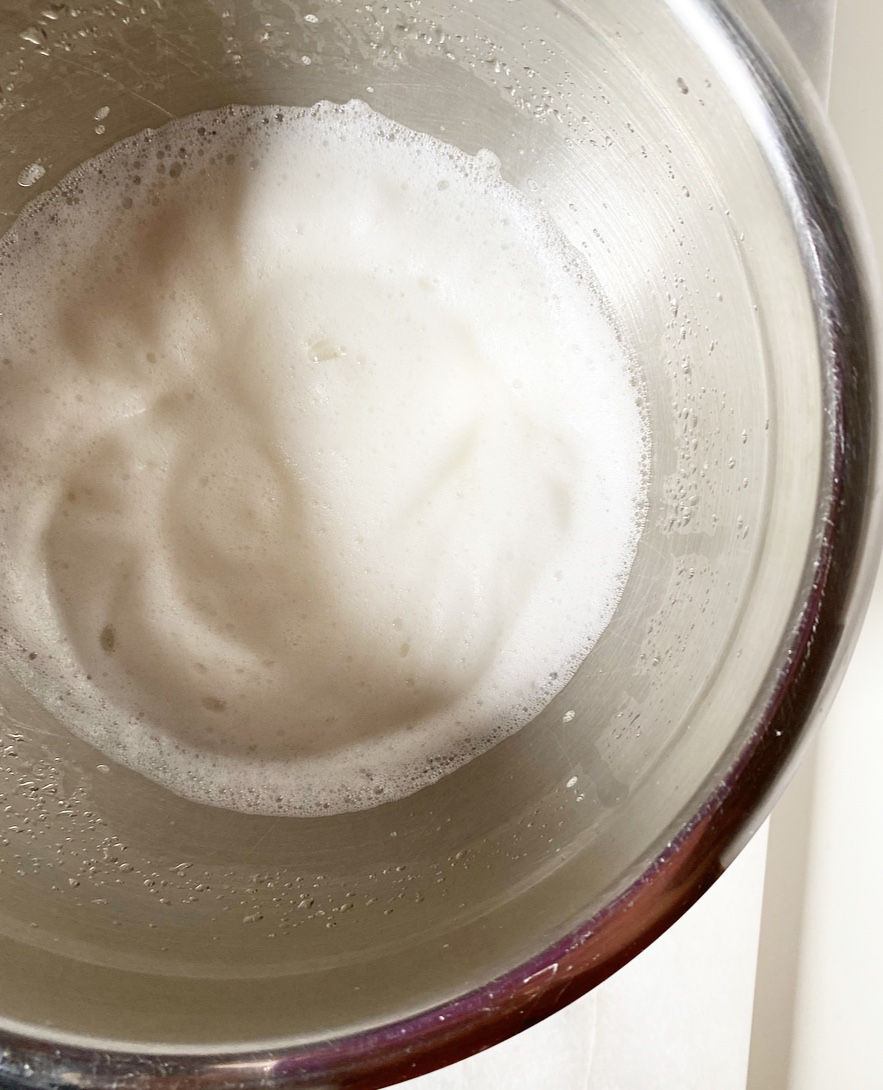
Where classic royal icing is made with egg whites, the vegan stuff uses my favorite egg replacer ever: aquafaba! Yep, the liquid from a can of chickpeas is the secret to pipeable, reliable egg-free royal icing! Its protein structure allows it to whip up just like egg whites do, making it a perfect 1:1 replacement here.

With the exception of swapping aquafaba for my usual mix of water and meringue powder, this Vegan Royal Icing comes together exactly the same way as my traditional recipe, and is just as delicious! I used the icing as-is for decoration, but feel free to dye it any color you like or to thin it for making flood icing if you’re interested in more intricate designs.

The Best Vegan, Gluten-Free Gingerbread Cookies

Oh, and for those concerned, this icing doesn’t taste like beans at all—it just tastes like icing.

The Best Vegan, Gluten-Free Gingerbread Cookies

And these vegan, gluten-free gingerbread cookies? They just taste like Christmas.

The Best Vegan, Gluten-Free Gingerbread Cookies
makes about 2 dozen 4-inch cookies

3 cups blanched almond flour
1 teaspoon baking powder
1 teaspoon Kosher or sea salt
3 1/2 teaspoons ground ginger
2 teaspoons ground cinnamon
1/2 teaspoon ground nutmeg
1/4 teaspoon ground allspice
1/4 teaspoon ground cloves
1/2 cup vegan butter, softened to room temperature
2/3 cup dark brown sugar, packed
1/3 cup confectioner’s sugar
2 tablespoons molasses
2 teaspoons pure vanilla extract

For decoration:
Vegan Royal Icing (recipe below)
sprinkles of choice

In a medium mixing bowl, whisk together almond flour, baking powder, salt, ginger, cinnamon, nutmeg, allspice and cloves. Set aside.

In a separate medium-large mixing bowl, use an electric mixer to beat vegan butter until fluffy (about 2 minutes). Add dark brown sugar and confectioner’s sugar and beat until fully combined (about 2 minutes). Beat in molasses and vanilla.

Add dry ingredients in two installments, mixing completely after each addition. Dough may look rubbly, but should hold together extremely well when pinched.

Divide dough in two. Form each half into a disk, then wrap with plastic wrap. Chill for 1 hour or up to 3 days.

Place oven racks in central positions. Preheat oven to 325F. Line two rimmed baking sheets with parchment.

Use confectioner’s sugar to dust a surface and rolling pin. Unwrap one disk of dough and place it on the surface. Use the rolling pin to roll it out to 1/4-inch thickness. A thin offset icing spatula or bench scraper (or similar) will make moving the dough much easier, as will adding more confectioner’s sugar to the surface and rolling pin.

Use a cookie cutter to cut shapes, then use the icing spatula to move them to the prepared pans, keeping them 1.5-2 inches apart. Bake cookies 12-14 minutes, rotating the pans top-to-bottom and front-to-back at the 7 minute mark.

Let cookies cool 10 minutes on their pans. Use a spatula to remove them to a cooling rack to cool completely.

Repeat rolling, cutting, and baking as needed, re-rolling scraps as needed. Let cookie sheets come to room temperature between batches.

Once cookies are all baked and cooled, decorate with Vegan Royal Icing (recipe below) and sprinkles. Let cookies dry at least 8 hours before layering with parchment paper and stacking.

Cookies will keep covered at room temperature for at least a week.
Vegan Royal Icing
makes more than enough for 1 batch of gingerbread cookies

1/3 cup aquafaba (liquid from a can of chickpeas)
1/2 teaspoon cream of tartar
2 teaspoons pure vanilla extract
1 pound (3 3/4 cups) confectioner's sugar, divided
1 tablespoon corn syrup

Special Equipment:
gel food coloring
piping bags (or plastic sandwich bags)
small round piping tips and couplers
sprinkles

Beat aquafaba and cream of tartar with an electric mixer on medium-high speed until doubled in size, about 1 minute. Mix in vanilla. With the mixer running on low, add half of the confectioner's sugar. Mix in corn syrup. Add the remaining half of confectioner's sugar. Scrape down the bowl before beating on medium-low for an additional 30 seconds.

To ice as pictured here, transfer 1/4 of the icing to a piping bag fitted with a coupler and tip. Ice as desired, sprinkling with any sprinkles immediately after piping (the icing hardens very quickly). Let cookies dry in a single layer uncovered for at least 8 hours, or until fully dry, before stacking.

For storage, press plastic wrap to the surface of your container of Vegan Royal Icing, it may be kept covered at room temperature for up to four days or in the refrigerator for a couple of weeks. Beat with a mixer before using, as it may slowly separate over time. If if needs to be thinned, add 1/2 teaspoon water at a time until icing dribbled into the bowl forms a ribbon that fades within a few seconds.

For information on more intricate decorating like outline/fill icing, using multiple colors, etc., click here.

Vegan Chocolate Cream Pie

Hey there! I put all my Thanksgiving recipes on their own page for maximum convenience. Just click the menu at the top of the page and then go to “Thanksgiving Recipes.”

Vegan Chocolate Cream Pie​

It’s funny how recipes sometimes just hit me out of nowhere. Like this past September I was in Maine making Vegan Chocolate Pudding for dessert, and I accidentally made it just a little too stiff. While it worked for a no-frills vacation treat, I knew that I needed to make adjustments for a better pudding consistency, but I also knew I had just made a perfect Vegan Chocolate Cream Pie filling.

Vegan Chocolate Cream Pie​

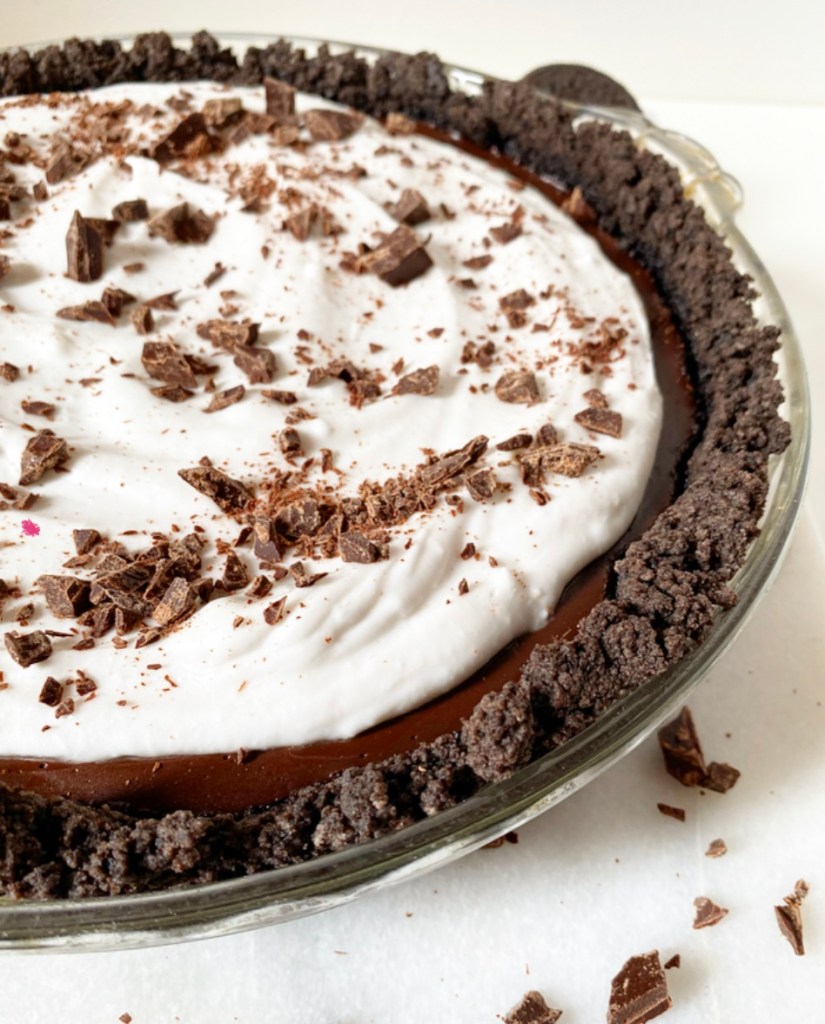
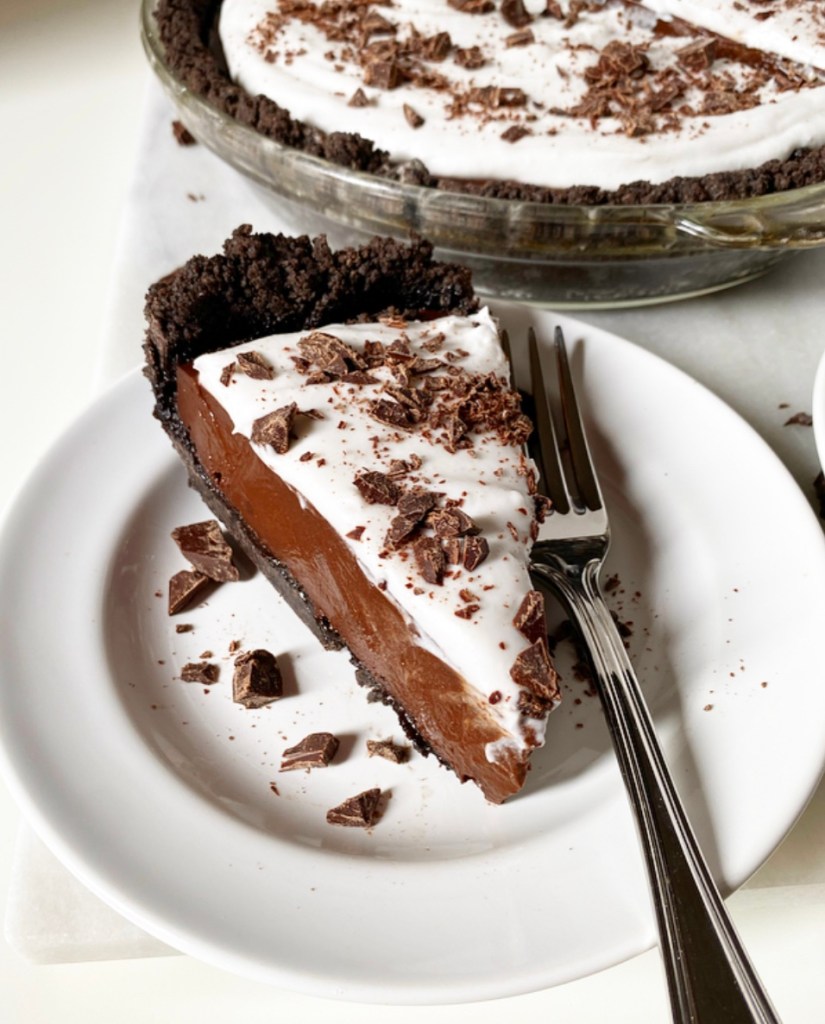
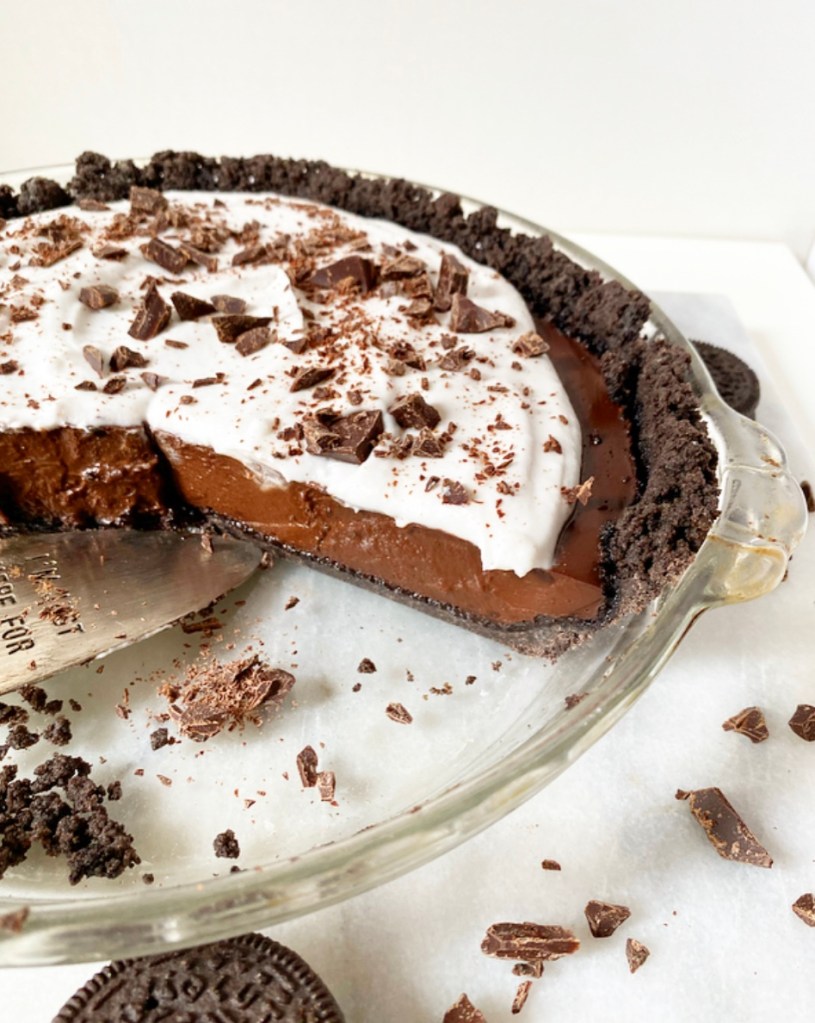
And I do mean perfect. Sliceable, but not bouncy. Rich and chocolaty, but completely devoid of dairy and eggs. I had a vision of it sitting in a chocolate cookie crust with a whisper of vegan whipped cream on top, and two months later, here we are.

As with my traditional Chocolate Cream Pie, this vegan version is nearly no-bake and very simple to make. The crust is just crushed Oreos (I used gluten-free) and vegan butter that are mixed together and baked just to set. The filling is made by whisking things together in a certain order, as all pudding is. No need to sieve this one though—no eggs means no worrying about solids! To assemble, just pour the filling into the crust and refrigerate until very, very cold.

Oh yes, this cold, creamy crowd pleaser of a pie is an all-out winner. I mean, who doesn’t love delicious Chocolate Cream Pie and food everyone can eat and enjoy? Dessert and inclusivity are two of my favorite things!

Vegan Chocolate Cream Pie​

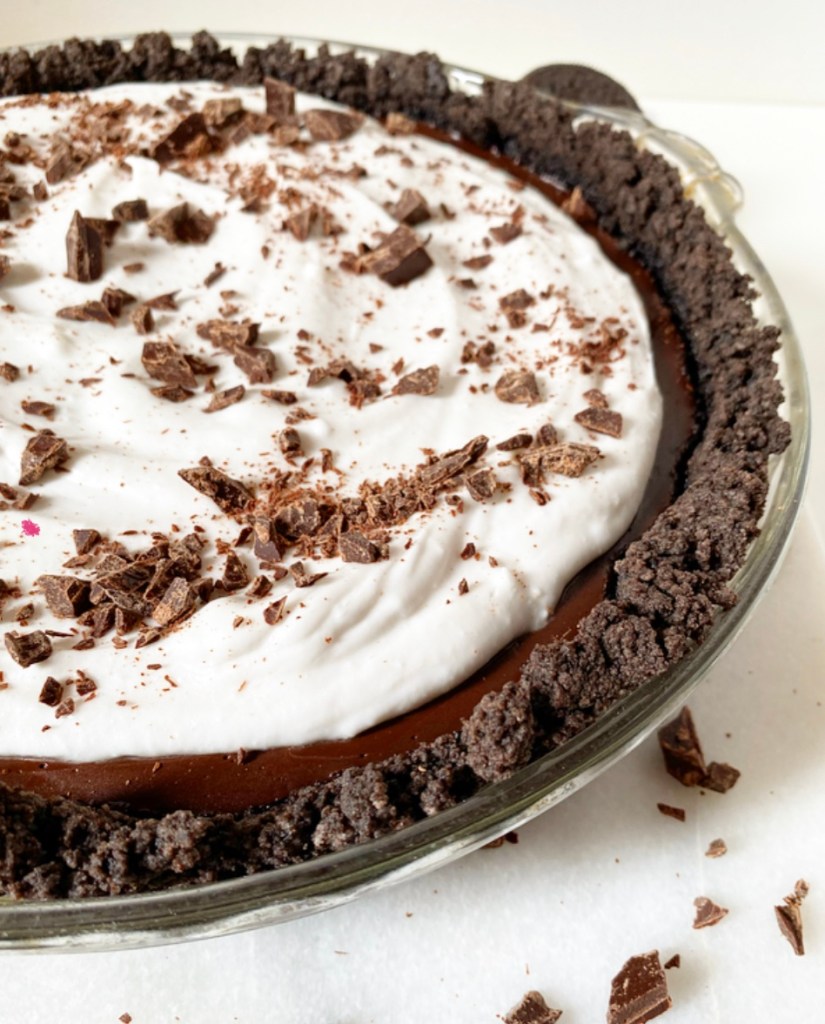
Before serving, top the pie with some vegan whipped cream! I went with an easy coconut cream-based recipe by Minimalist Baker, and it’s outrageously good. If you’re not up to making your own vegan whipped cream, Reddi Wip makes a good coconut whipped cream in a can that you can find in most grocery stores. Just put a little on each slice immediately before serving (and then spray the rest in your mouth because you’re a grown-up and you can).

Vegan Chocolate Cream Pie​

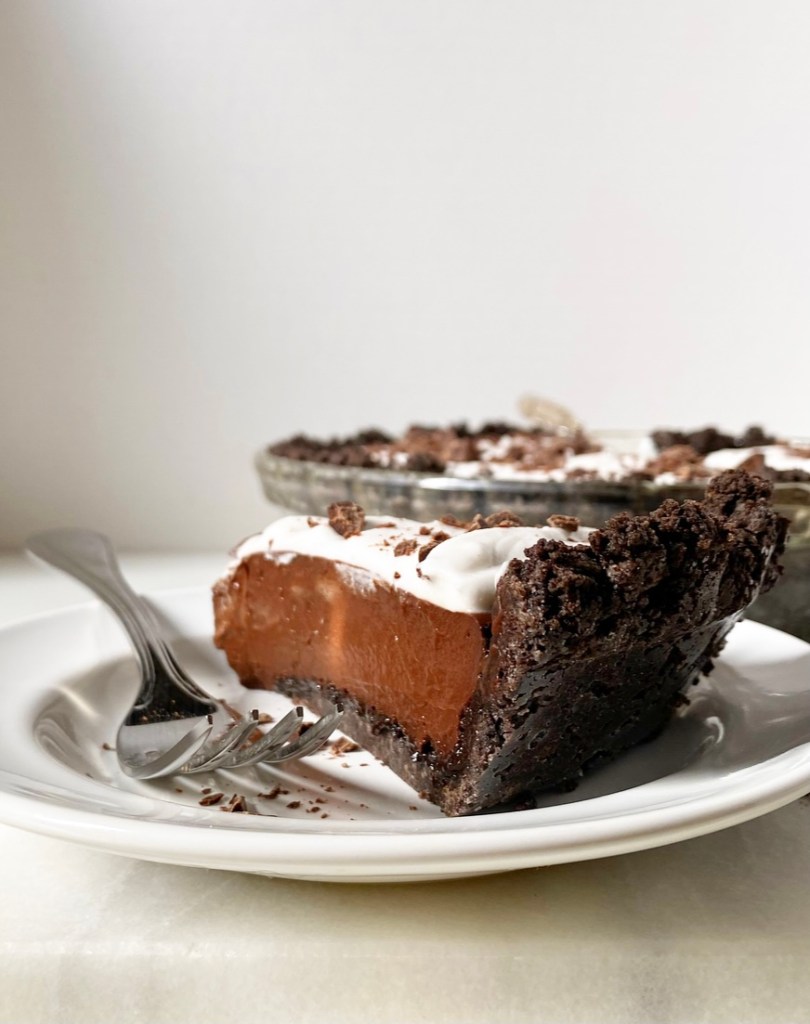
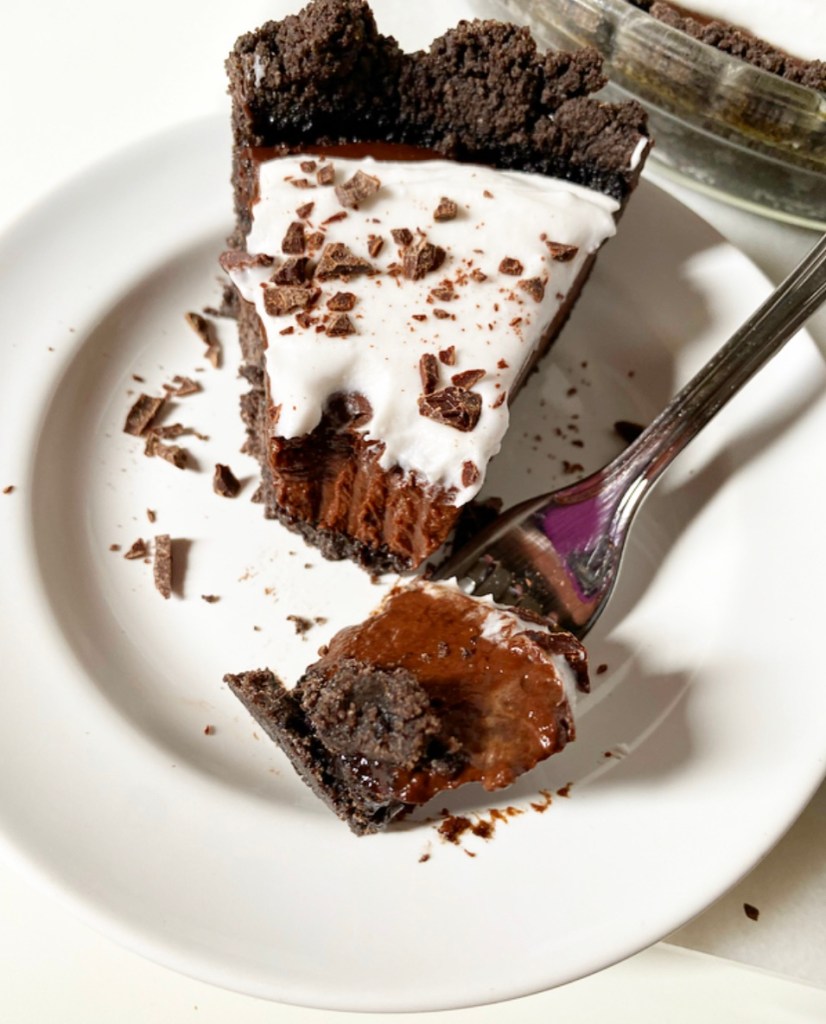
Speaking of slices, can we discuss how beautiful this is? Defined layers! Gorgeous chocolaty filling! And it’s gluten-free and vegan? I think it’s safe to say we have a Thanksgiving showstopper on our hands.

Vegan Chocolate Cream Pie​
Vegan Chocolate Cream Pie
makes 1 pie

Crust:
24 regular or gluten-free Oreos (original or Double Stuf)
5 tablespoons vegan butter, melted

Filling:
5 tablespoons cornstarch
2/3 cup granulated sugar
1/2 cup natural unsweetened cocoa powder
pinch of Kosher or sea salt
3 cups unsweetened non-dairy milk (I used almond milk)
1 teaspoon pure vanilla extract
5 ounces dark chocolate, chopped
1 tablespoon vegan butter

Topping:
Vegan Whipped Cream (I made it with Thai Kitchen Coconut Cream)
finely chopped dark chocolate

Make the crust. Place Oreos in the bowl of a food processor and blitz until they are crumbs. Add melted butter and pulse until the mixture can be pinched together. Press it into the bottom and up the sides of the pie plate (I find that a 1/4 cup measuring cup works for this). Bake the crust for 10 minutes and then let it cool for 20 (or until you can handle the pie plate).

Make the filling. In a medium pot, whisk together cornstarch, sugar, cocoa powder and salt. Whisk in half the non-dairy milk, followed by the remainder.

Place pot over medium heat. Whisking continuously throughout cooking, cook pudding until it has boiled for 1 minute. This process should take 8-10 minutes from start to finish.

Pour filling into the crust. Tap the full pan on the counter a few times to release large bubbles. Press plastic wrap to the surface. Refrigerate for 6 hours or overnight, until cold.

When ready to serve pudding, peel off and discard plastic wrap. Top with vegan whipped cream of choice and finish with chopped dark chocolate. Refrigerate until ready to slice and serve.

Leftover pie will keep covered in the fridge for 3-4 days.