Category Archives: Tips

How to Caramelize Onions in the Oven

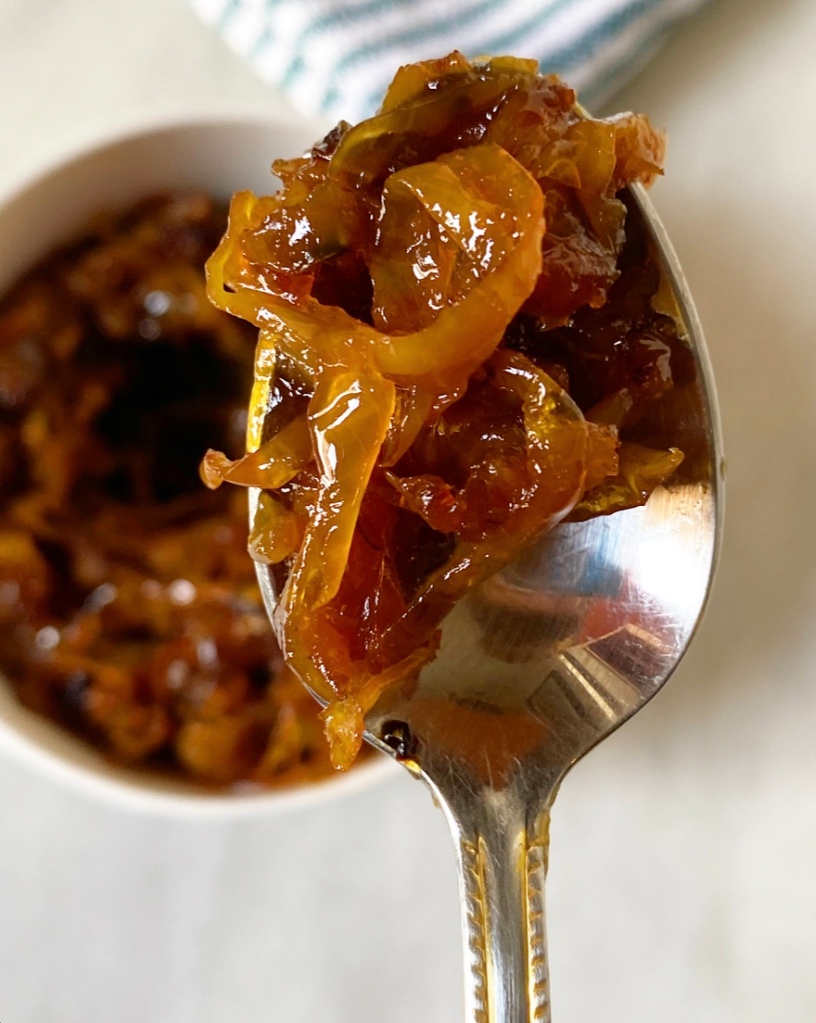
Caramelized Onions may have hit peak popularity in the 80s, but they’re always in style in my kitchen. They add depth and sweetness to any savory dish—an ideal quality when you’re planning a holiday meal.

How to Caramelize Onions in the Oven​

Need to jazz up your mashed potatoes? Add caramelized onions. Looking for a quick compound butter? Caramelized onions to the rescue. Want to change up your cheese plate? Four words: Caramelized Onion Baked Brie.

Truly, there’s no wrong way to use them. The problem is that caramelizing onions takes time and attention. If someone tells you that they can caramelize onions in fifteen minutes, they are lying—this is more of an hour spent over the stove kind of project. Or at least, it was.

Nowadays, I’ve taken to caramelizing onions in the oven. It takes a while—a couple of hours at least—but it’s mostly inactive work time. If I’ve got the oven on for something, there’s a decent chance that I have a foil-wrapped casserole dish full of onions somewhere in there too, using up that heat. It’s a hack I use often, and it’s particularly perfect for a time of year when the oven is almost always on. Two birds and all.

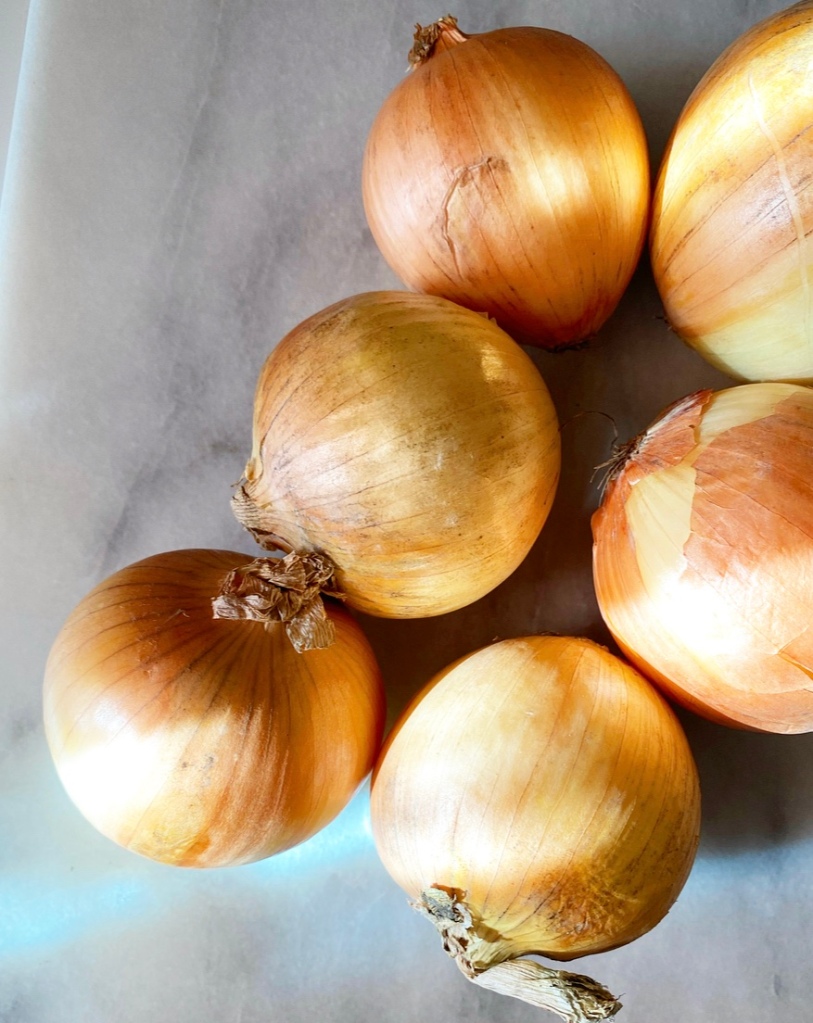
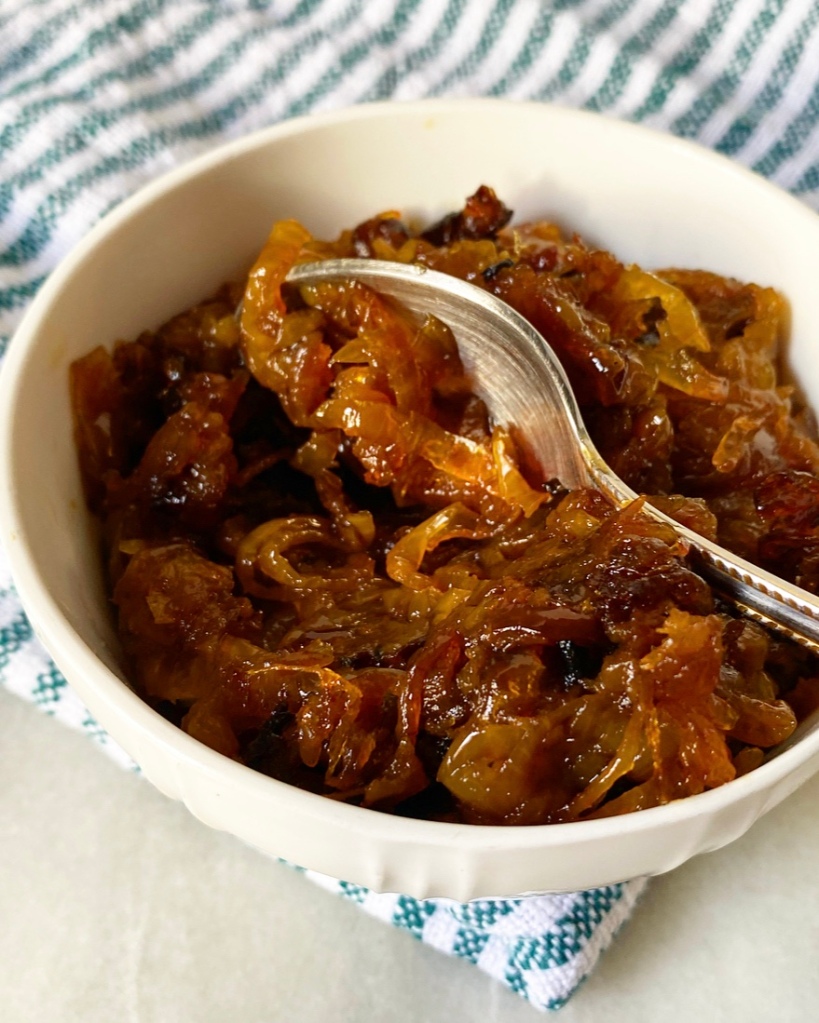
An added benefit to caramelizing onions in the oven is that you can make a ton at once. The onions pictured started as two full pounds, but cooked down to less than a cup all told. If you’ve got the oven space, there’s no reason not to start with four or even six pounds of onions. If you make too many for your intended project, you can easily freeze them for another day.

You know, like tomorrow…hint, hint.

How to Caramelize Onions in the Oven​
How to Caramelize Onions in the Oven
makes about 3/4 cup

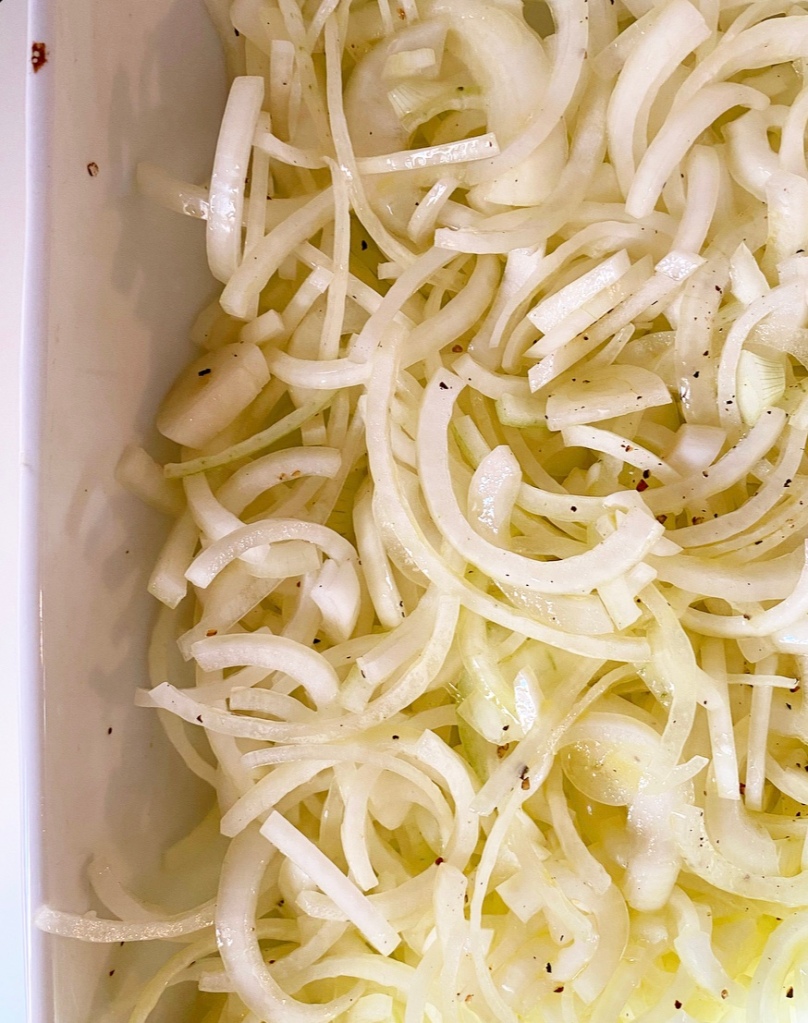
2 pounds Spanish, white or red onions, sliced 1/4-1/8-inch thick
2 tablespoons olive oil
Kosher or sea salt, to taste (I like a heaping 1/4 teaspoon)
few grinds black pepper

Equipment:
9x13” casserole dish
aluminum foil
a stirring implement

Preheat the oven to 350F.

Place sliced onions in a 9x13-inch casserole dish. Add olive oil, salt and pepper, and toss to combine. Cover the pan with foil and bake for 1 hour.

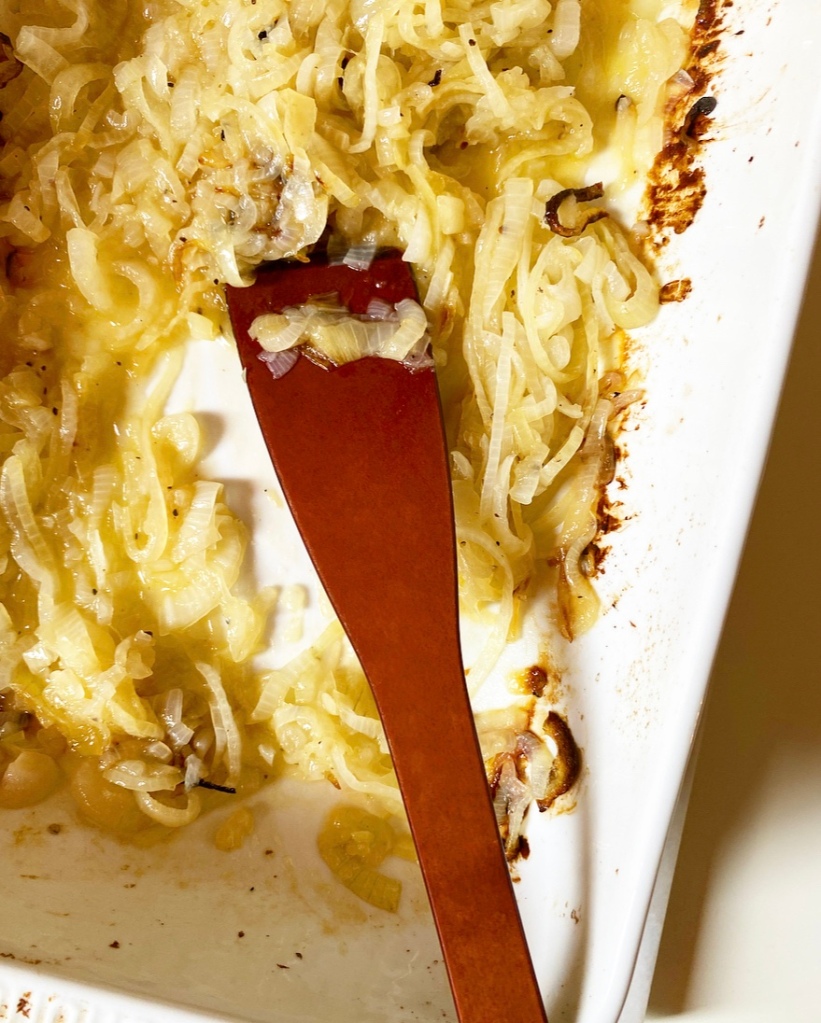
Remove the pan from the oven, lift the foil, and stir the onions. They should be fully soft and translucent at this point, and starting to turn a very pale brown.

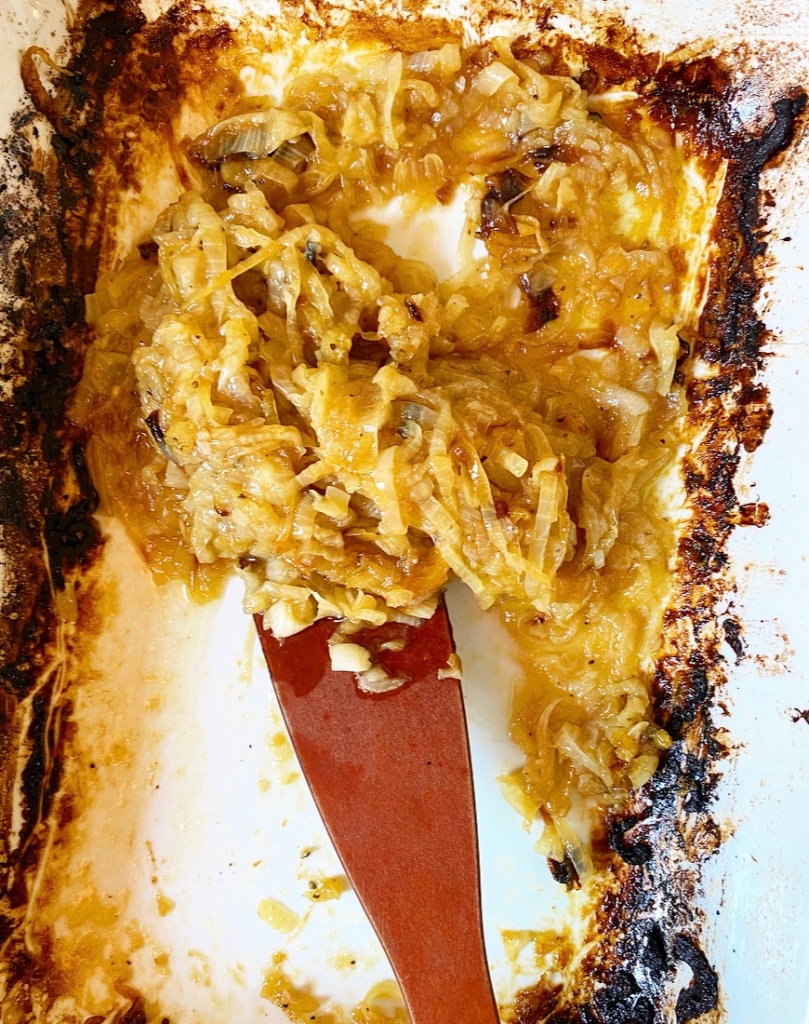
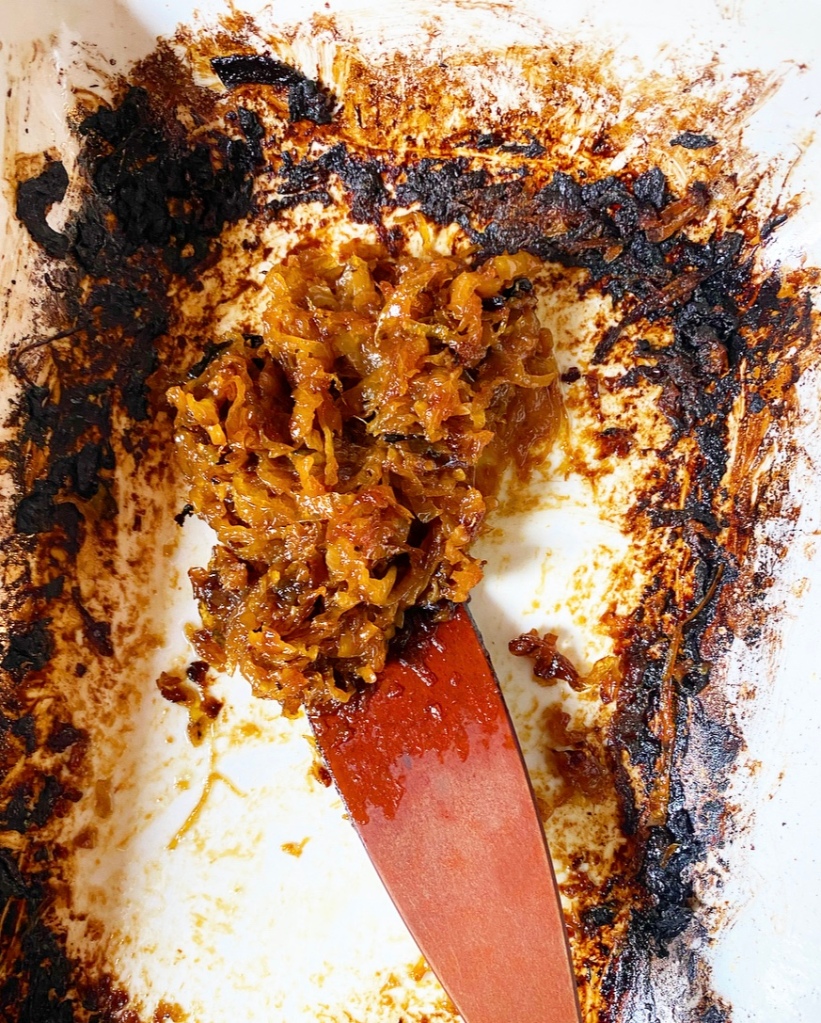
Cover the pan with foil again, then bake for another 30 minutes before stirring again. The onions should be turning darker at this point. If any of the edge pieces have burned, lift them out and discard. Some of the sugars in the onions may char at the edges of the pan—this is normal.

Cover the pan again and bake in 15-20 minute increments, stirring between, until your desired color and consistency has been reached. The onions pictured went about 2.5 hours.

Once your onions are to your liking, remove them from the oven and let cool. Use as desired. Leftovers may be refrigerated for a few days or frozen.

How to Par-Bake Cinnamon Rolls {Make Ahead Method!}

How to Par-Bake Cinnamon Rolls {Make Ahead Method!}​

Coming from a Christmas morning breakfast casserole family, I’ve never really understood why so many people make cinnamon rolls on that day of all days.

I mean, have you made cinnamon rolls from scratch? They are not a quick recipe, clocking in at a minimum of three hours start-to-finish (slightly less if you do the rise overnight). My family is all adults so we start our Christmas morning at a leisurely 9am, eat around 10, then get to the gifts around noon. If we wanted cinnamon rolls for breakfast, that would require the baker (me!) to be up and functioning at 7am. Big no thank you. And if you have kids or people who get up for gifts at 6am or earlier…3am? Earlier? Forget it!

But what if I told you that you could have warm, fluffy, homemade cinnamon rolls on your table on Christmas morning in under an hour? Yes, it’s possible, thanks to a little technique called par-baking.

You’ve definitely heard the term “par-baking” on here before in association with pie crust. It means to partially bake, which is exactly what we’re going to do to these rolls: partially bake them ahead of time, then finish the baking on Christmas. This method will work with any yeast-raised cinnamon roll recipe you love. I wouldn’t recommend this method for any rolls with fruit in the filling (i.e. not these) as it might degrade during thawing, but I think nuts would be okay.

How to Par-Bake Cinnamon Rolls {Make Ahead Method!}​

Now, this isn’t a magic trick. You do have to plan ahead to do about 2.5 hours of mixing/kneading/rolling/rising at some point to make this work. But (but!) the bulk of the work can be done anytime between now and Christmas (or whenever you want cinnamon rolls).

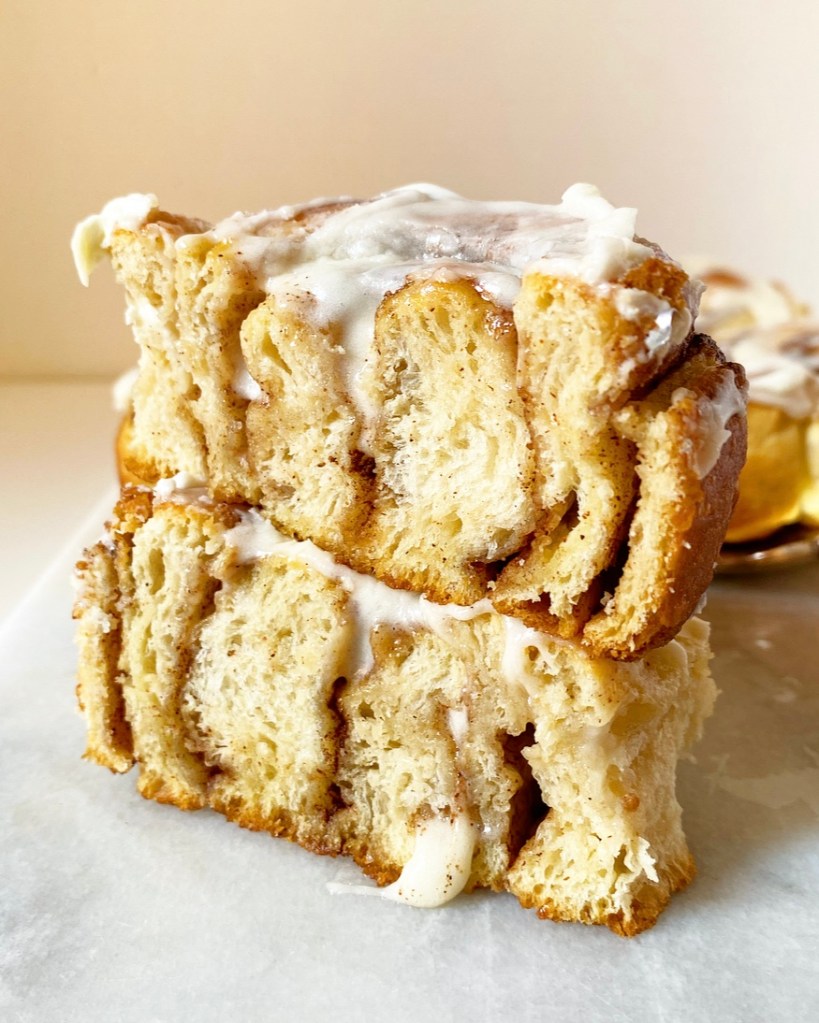
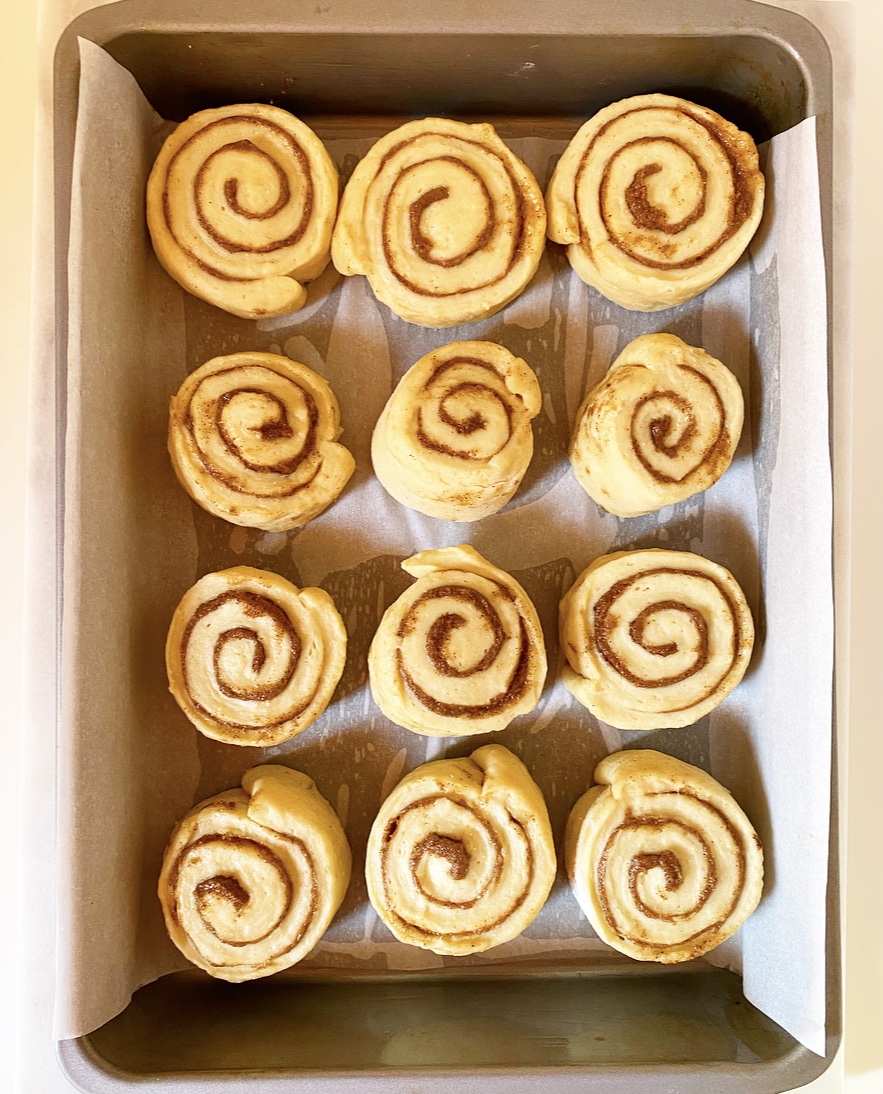
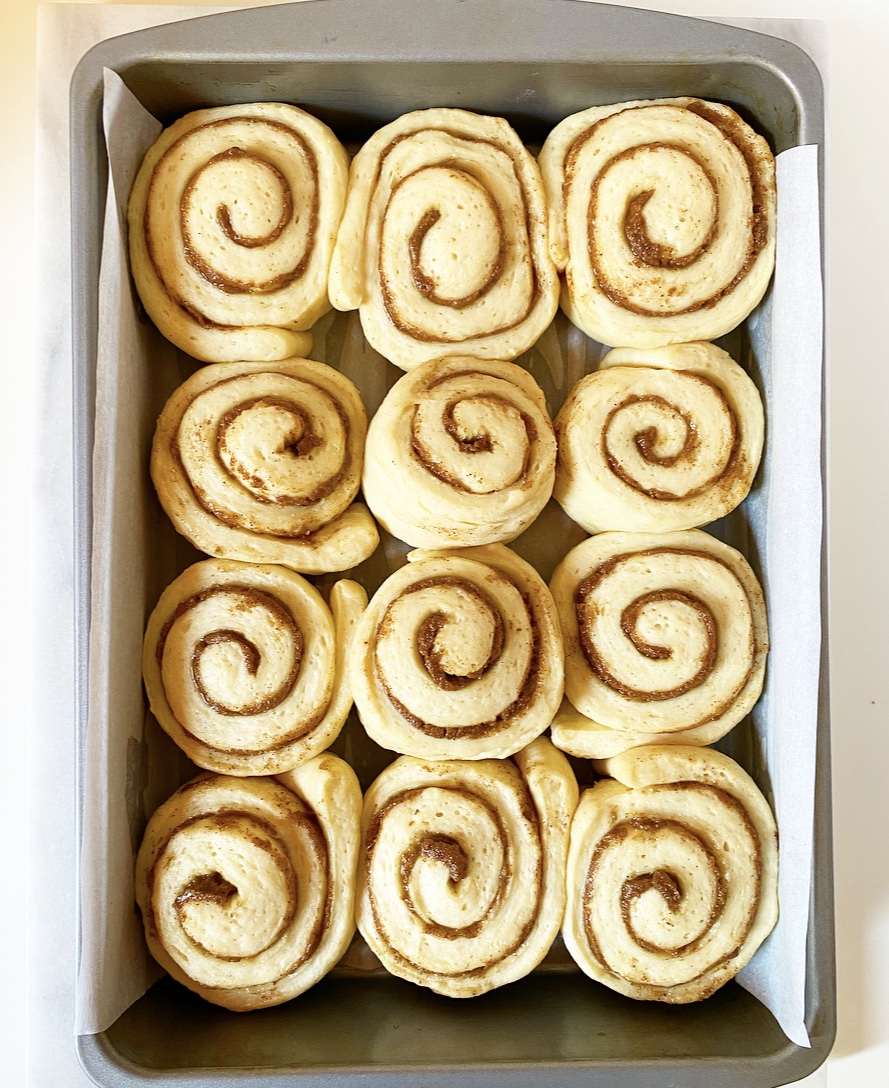
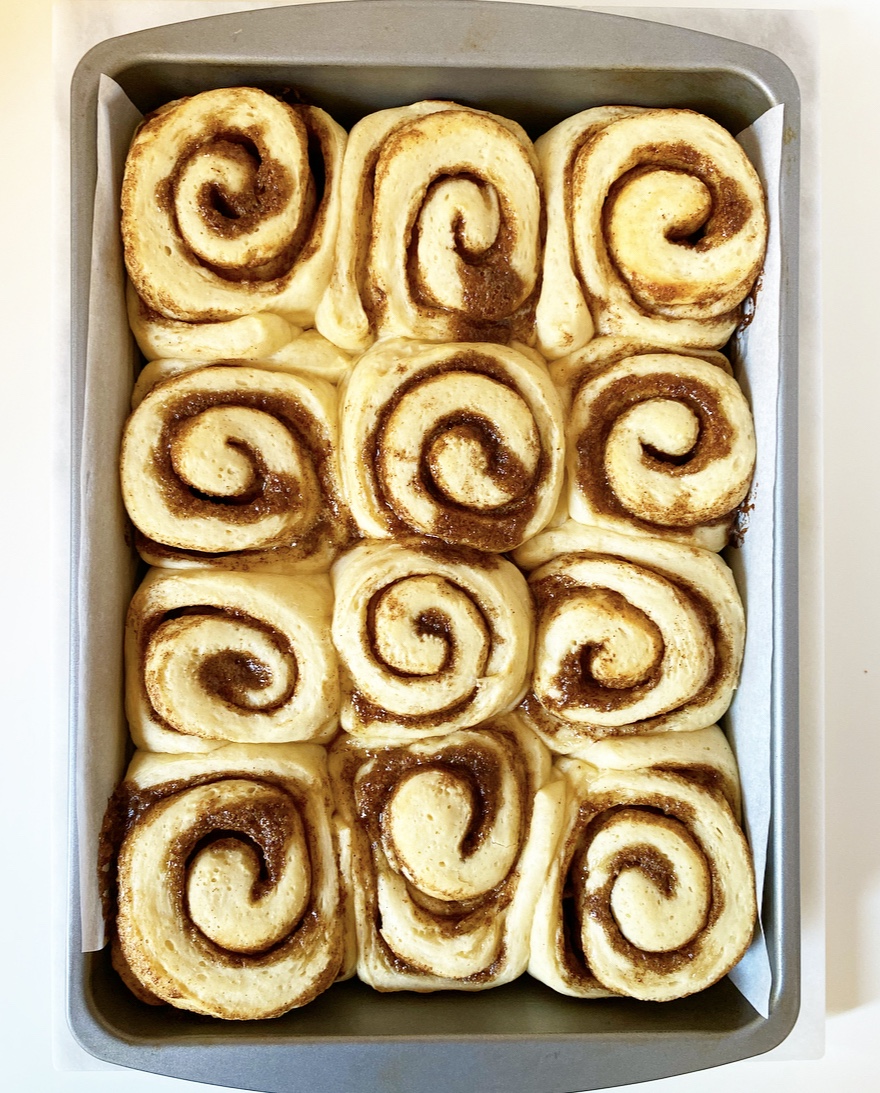
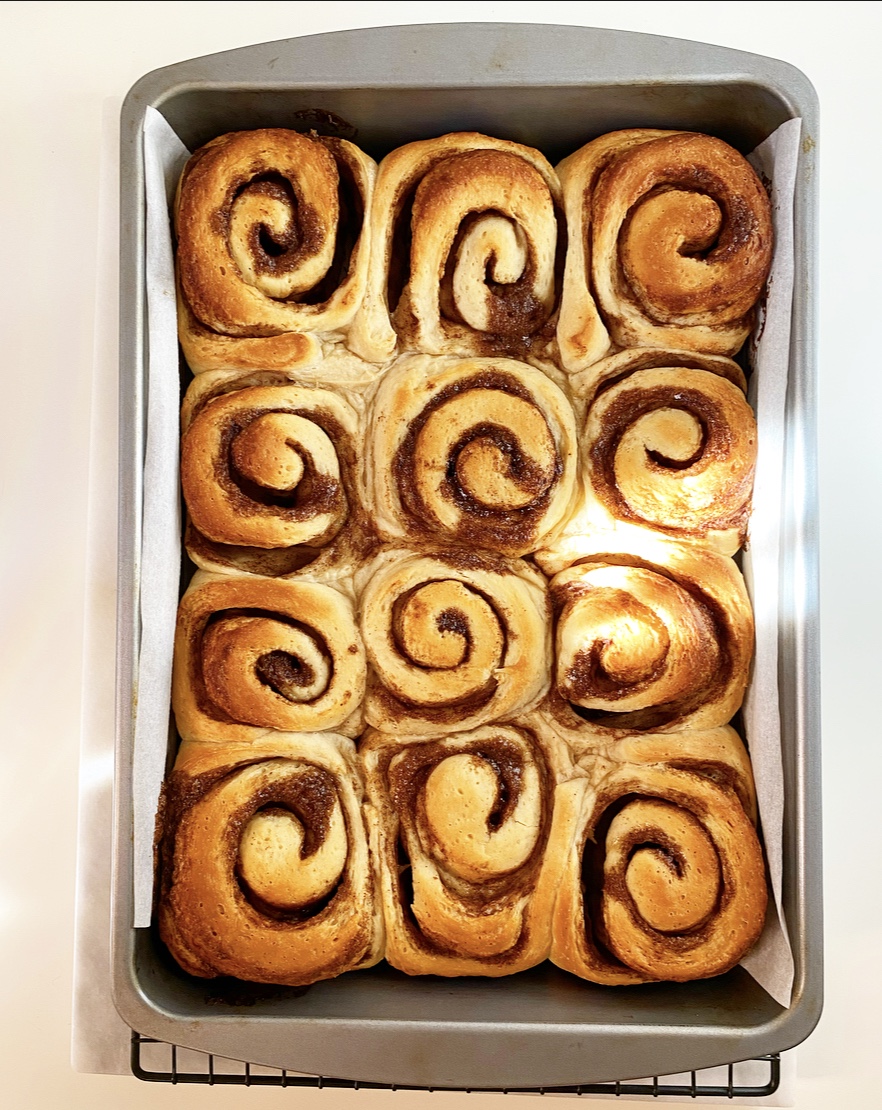
The process is simple. Make your cinnamon roll recipe up to the baking step, then bake for about half the baking time (15 minutes). At this point, your rolls should be risen, puffed and pale. Where you would normally continue baking them until brown, resist that urge and remove them from the oven.

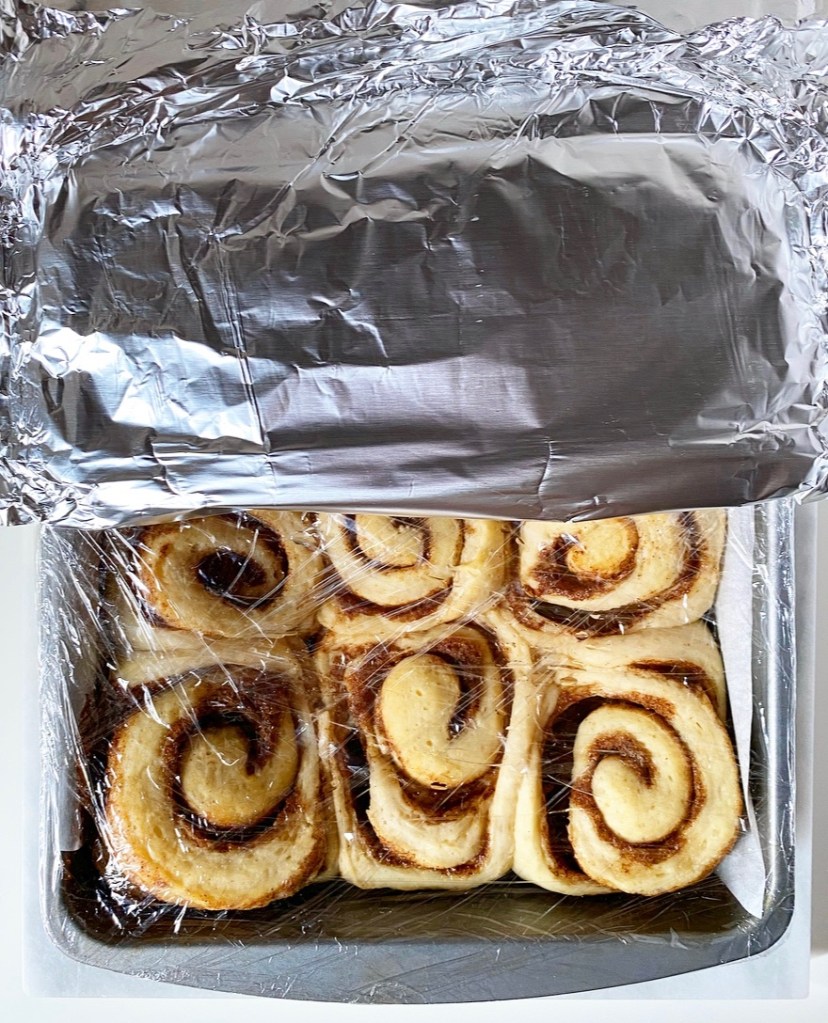
Let your rolls cool to room temperature and then triple wrap in plastic, cover in foil and freeze until the night before you need them. If you don’t want to have your 9×13” pan out of commission for any length of time, you can bake in a disposable aluminum baking pan, then tuck it into your freezer for up to six weeks.

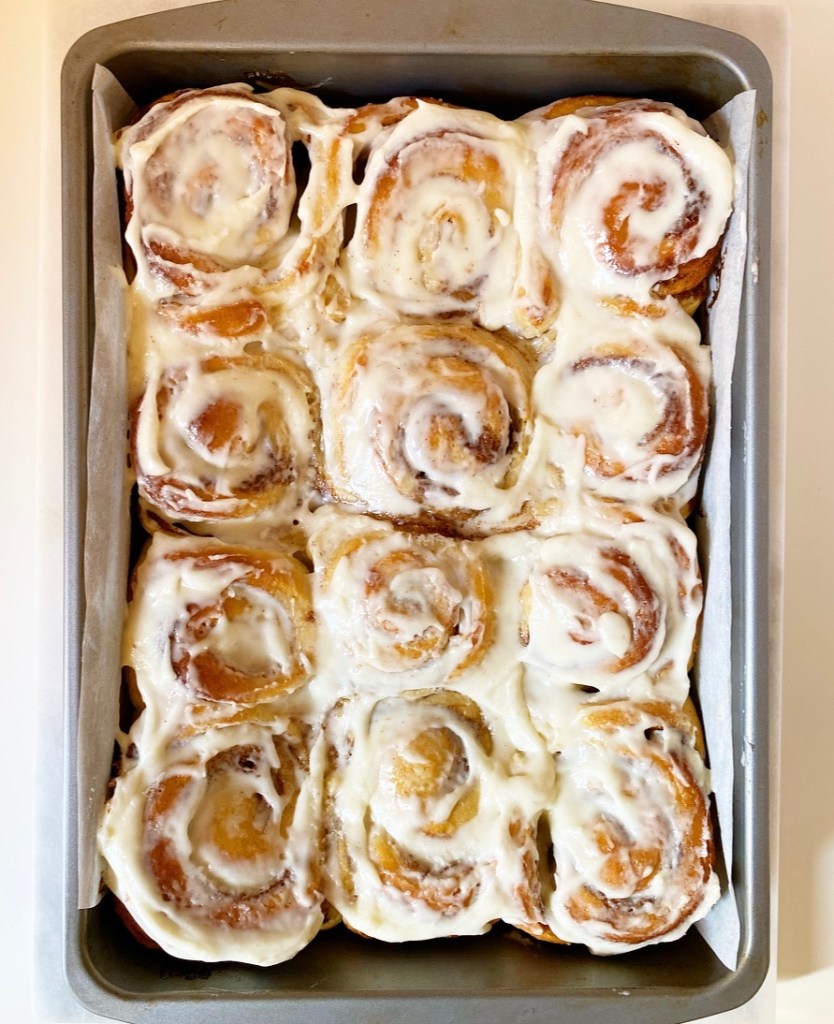
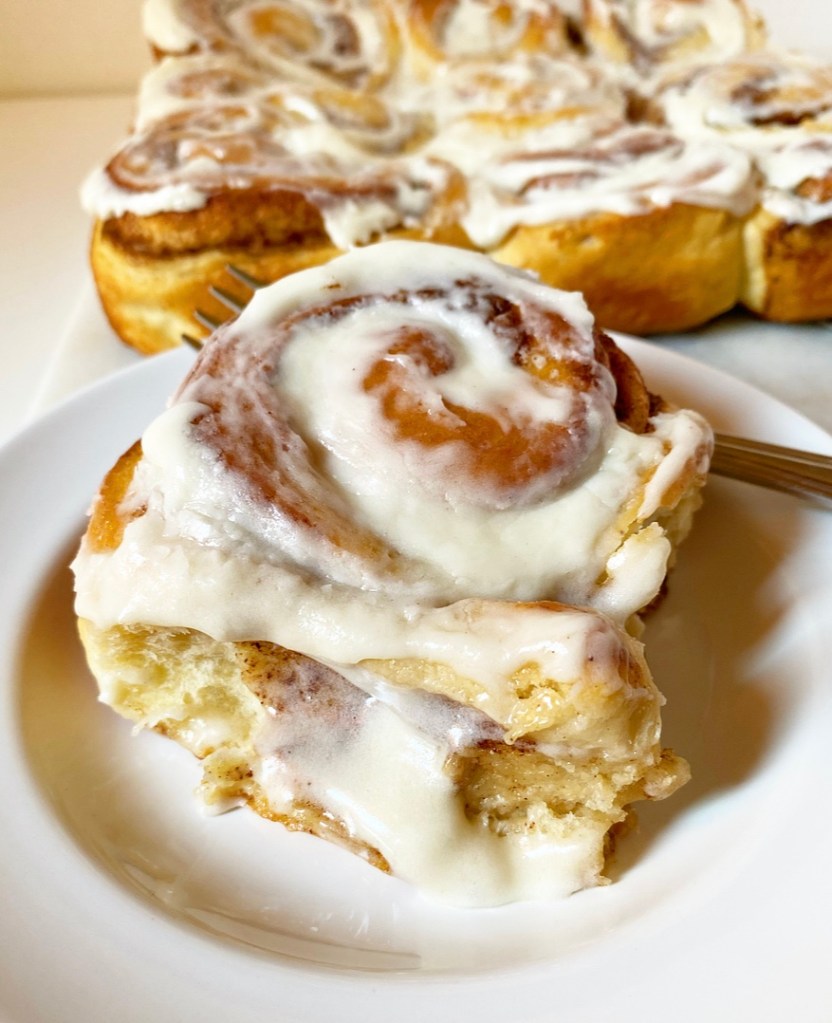
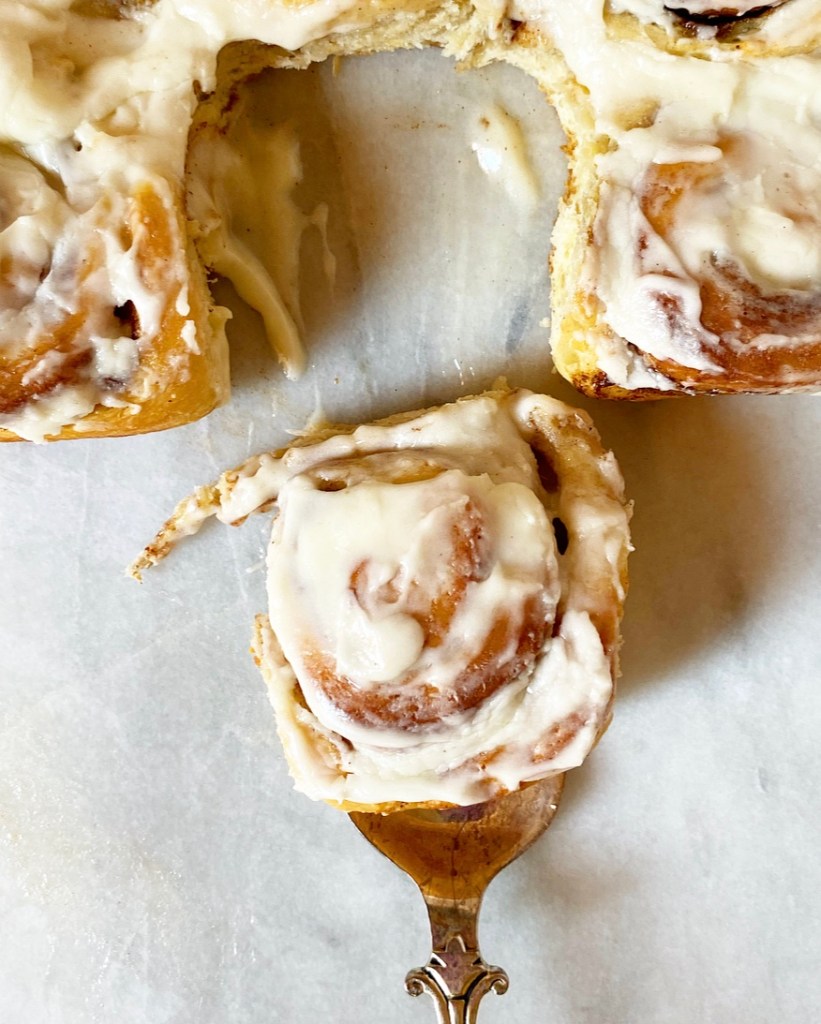
The night before you want cinnamon rolls, move the par-baked rolls from your freezer to your fridge to thaw out. In the morning, simply uncover and bake your rolls for the remaining 15 minutes, until golden. Finish with cream cheese frosting and voila! Fresh homemade cinnamon rolls on your table in under an hour, and you didn’t have to sacrifice sleep to make it happen.

How to Par-Bake Cinnamon Rolls {Make Ahead Method!}​

Call it Christmas magic. Call it whatever you want. Just call me for breakfast.

Par-baked Cinnamon Rolls
adapted from Dana Velden

cinnamon roll recipe of choice
9x13-inch baking pan (disposable aluminum, if desired)

Follow your yeast-raised cinnamon roll recipe up to the baking step.

Preheat your oven to 375F. Bake cinnamon rolls for 10-15 minutes, until risen, puffed and pale.

Remove cinnamon rolls from the oven and allow to cool completely in their pan on a rack. Triple wrap the pan in plastic wrap, then wrap in foil. Freeze for up to 6 weeks.

The night before you want cinnamon rolls, move the pan of frozen rolls to the refrigerator. Let thaw 8-12 hours.

Preheat oven to 375F. Unwrap rolls; discard foil and plastic wrap.

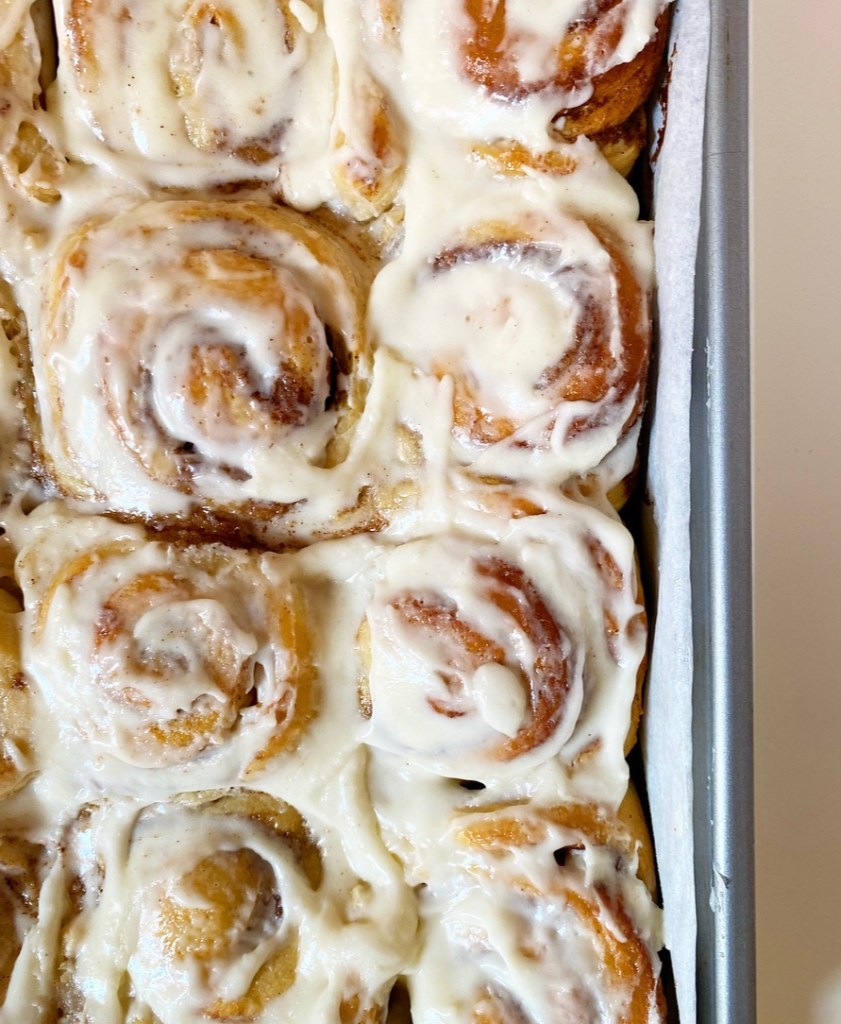
Bake rolls for 10-15 minutes, until golden brown. Top with cream cheese frosting (or whatever your recipe says) and serve warm.

How to Make Eggs 5 Ways

How to Make Eggs 5 WaysAaaaand we’re back! As is my January blogging tradition, this month will be less about dessert and more about savory foods and weeknight meals—the “normal” stuff. One cannot live on holiday cookies alone (but lord knows I’ve tried).

To start us off, something I make all the time: eggs! Nary a week goes by when I don’t slap an egg on something and call it breakfast, lunch or dinner. In addition to being power-lifters in baking, eggs are an inexpensive, versatile, quick-cooking protein. I always have a couple dozen around!

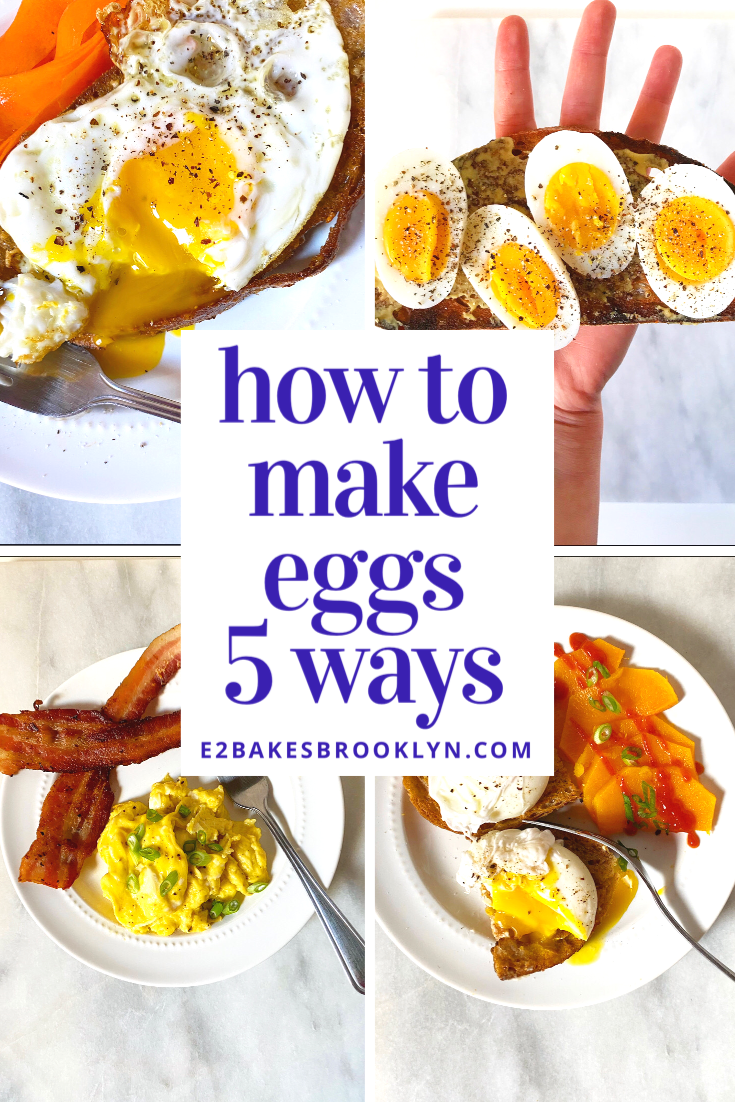
Today, I’m going to walk you through how to make eggs five ways: scrambled, fried, poached, hard-boiled and soft-boiled. Why so many methods? Because I like options! Sometimes I want a delicate poached egg, other times a creamy hard-boiled egg is the ticket. It’s nice to know how to make ‘em both.

I have written all the instructions and proportions based on large eggs, which are what I keep for both baking and eating. If you are using medium or extra-large eggs, you may need to adjust some cook times. I’ve also written each method to reflect using only two eggs (what I usually eat), but the recipes can be multiplied unless stated otherwise.

While I know there are approximately 742 ways to scramble, fry, poach, and hard- and soft-boil eggs, these are the methods that have consistently worked for me. If you have tips or methods that work for you, please let me know in the comments or on social media! Oh, and let me know your favorite thing to throw an egg on! #putaneggonit am I right?How to Make Eggs 5 WaysHow to Make Eggs 5 WaysHow to Make Eggs 5 WaysHow to Make Eggs 5 WaysScrambled Eggs
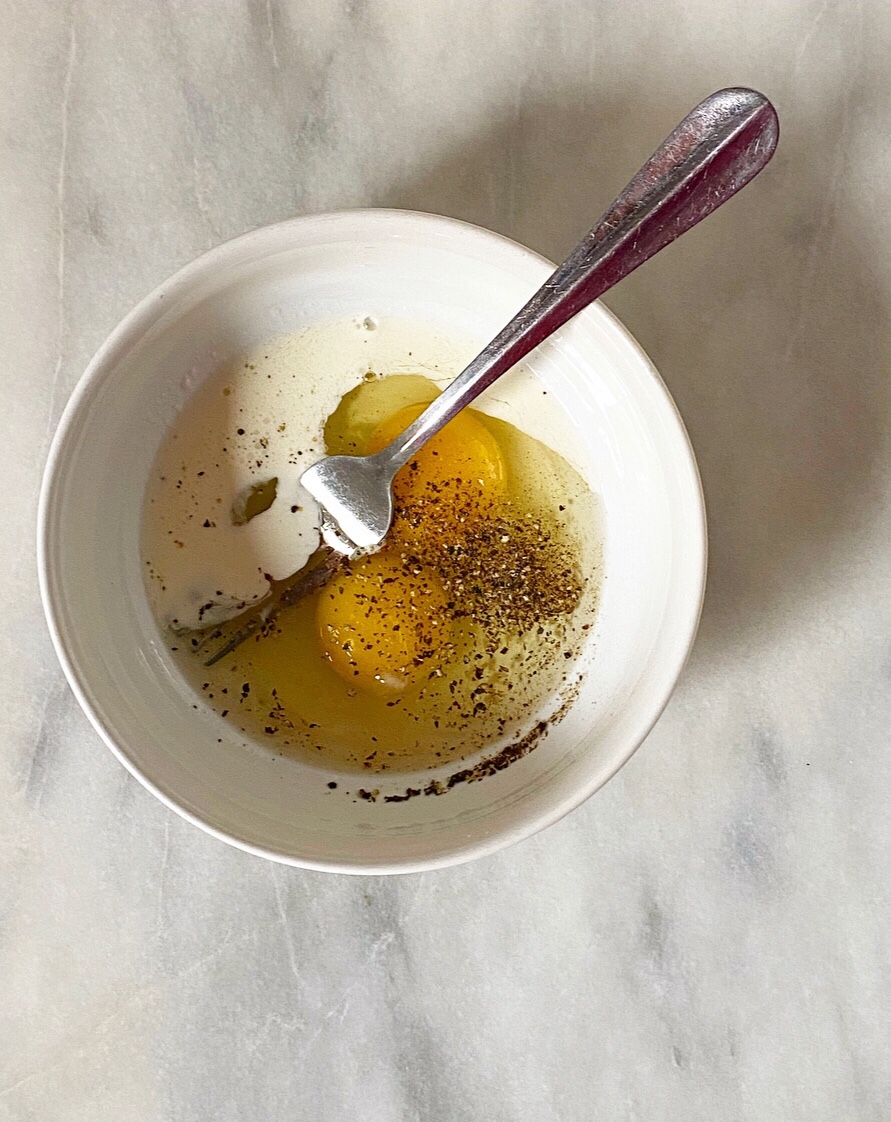
What they are
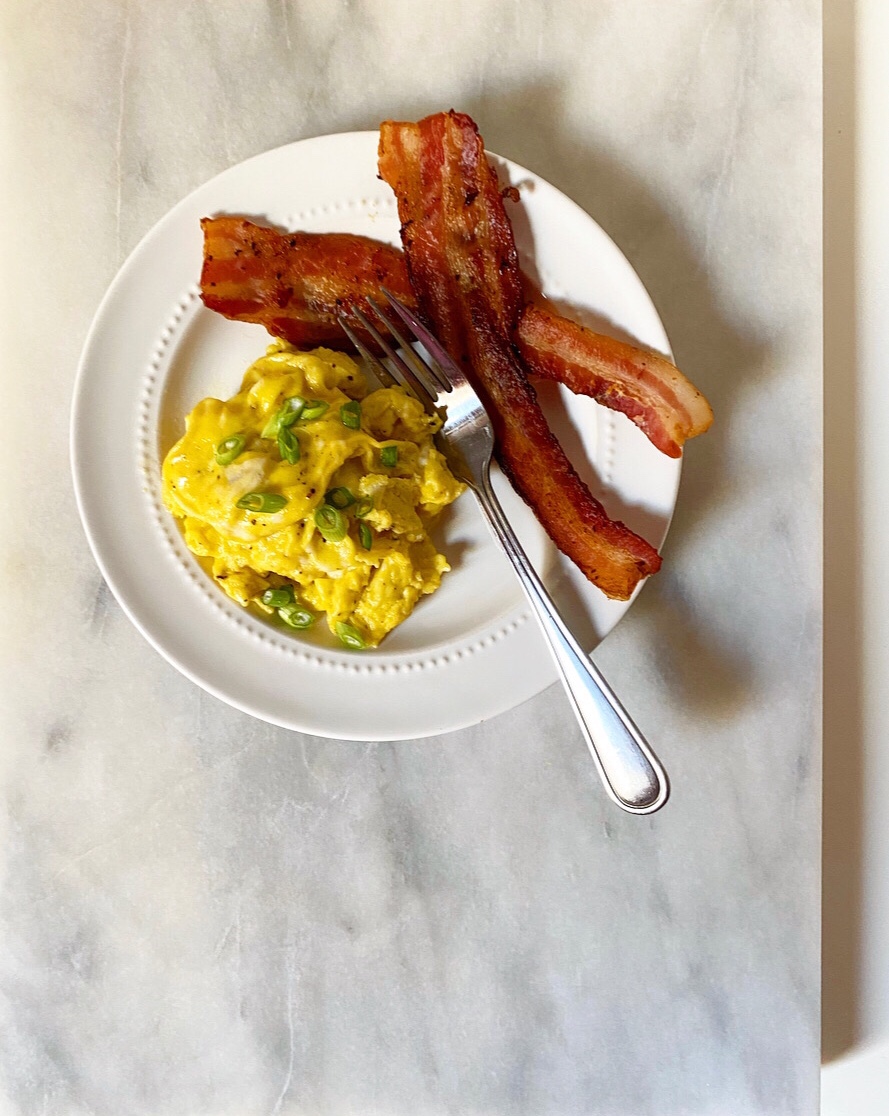
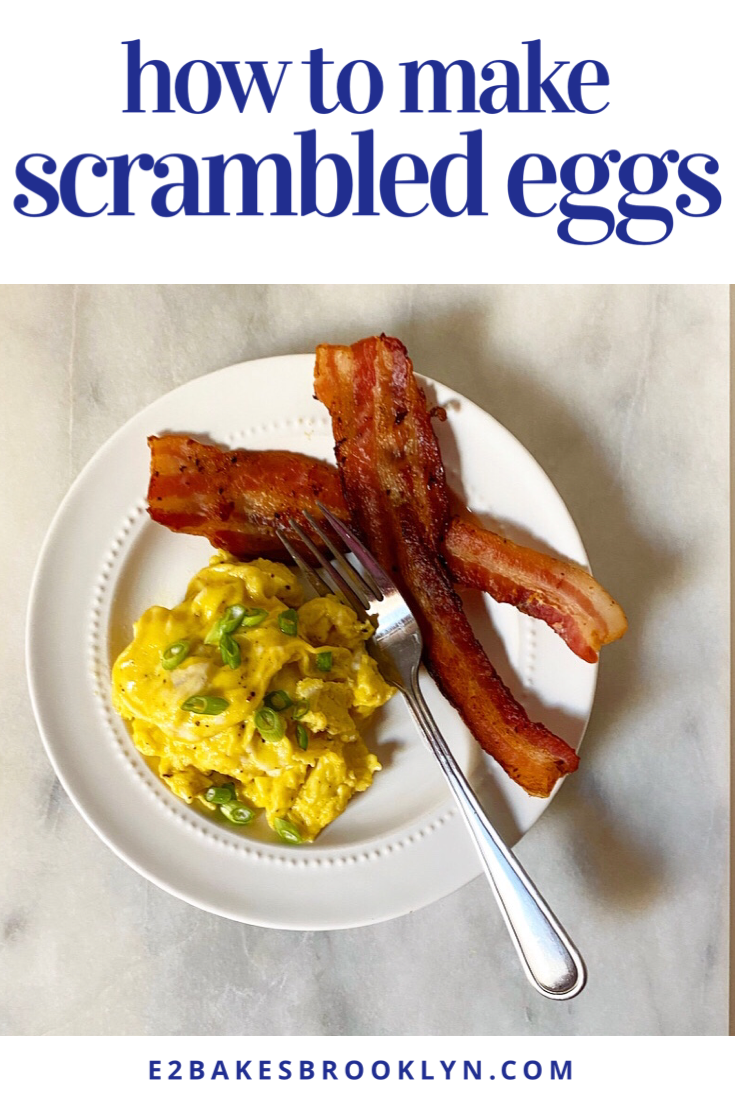
Eggs that have been beaten with cream, salt and pepper, until fully combined, then cooked low-and-slow, until fluffy, but not browned.

What you’ll need
2 large eggs
1 1/2 teaspoons heavy cream
pinch of salt (I use a scant 1/8 teaspoon fine sea salt)
a few grinds of black pepper
1 tablespoon butter, for cooking

How to make them
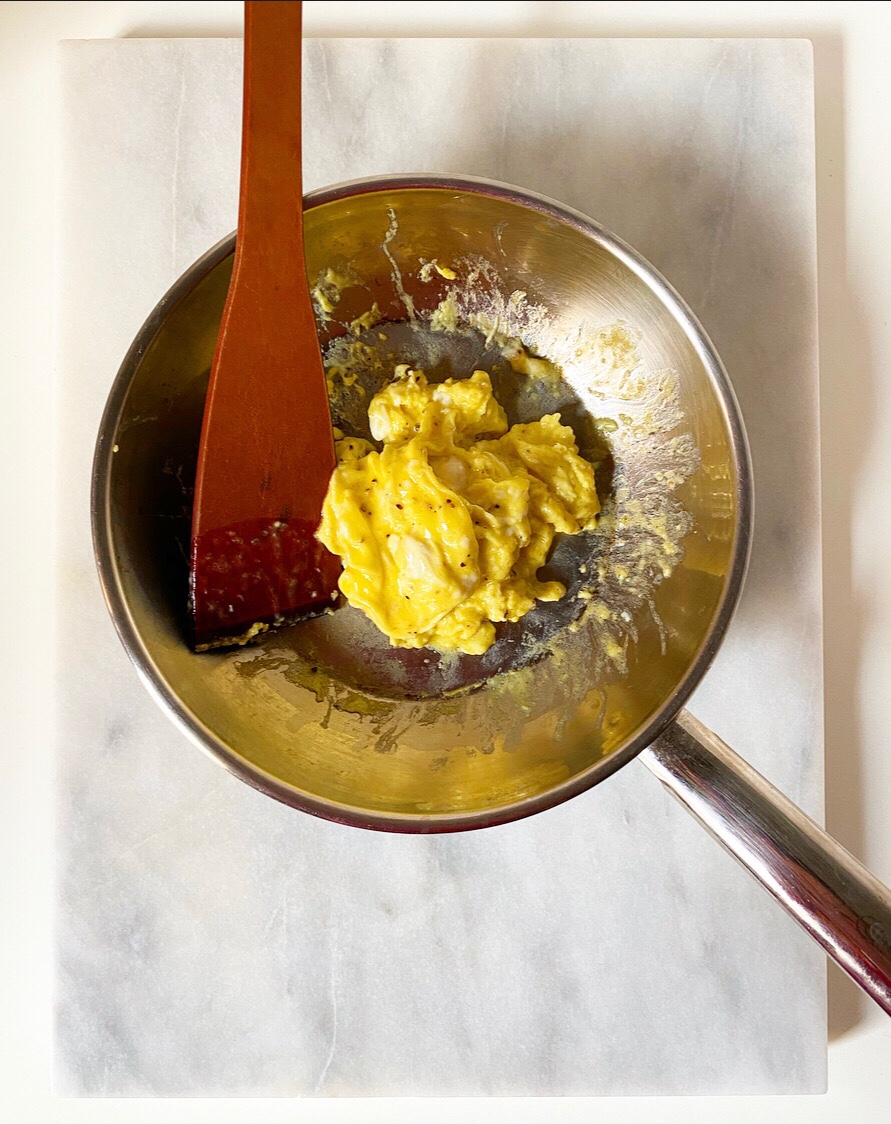
In a small mixing bowl, combine eggs, heavy cream, salt and pepper. Use a fork to whisk together until combined and even in color.

Heat a small-medium skillet over medium-low heat. Add butter and swirl to melt. It may foam a bit; just wait for any dramatic bubbling to subside.

Pour in eggs. Using a spatula, start at the outer edge of the pan and push the runny egg toward the center of the pan. Repeat this motion, moving your way around the pan over and over until large curds form. I recommend pulling the eggs off the heat when they still look a tiny bit underdone, so as not to overcook them. They will finish cooking off the heat (“carryover cooking”). Serve.How to Make Eggs 5 WaysHow to Make Eggs 5 WaysSunny Side-Up Fried Eggs
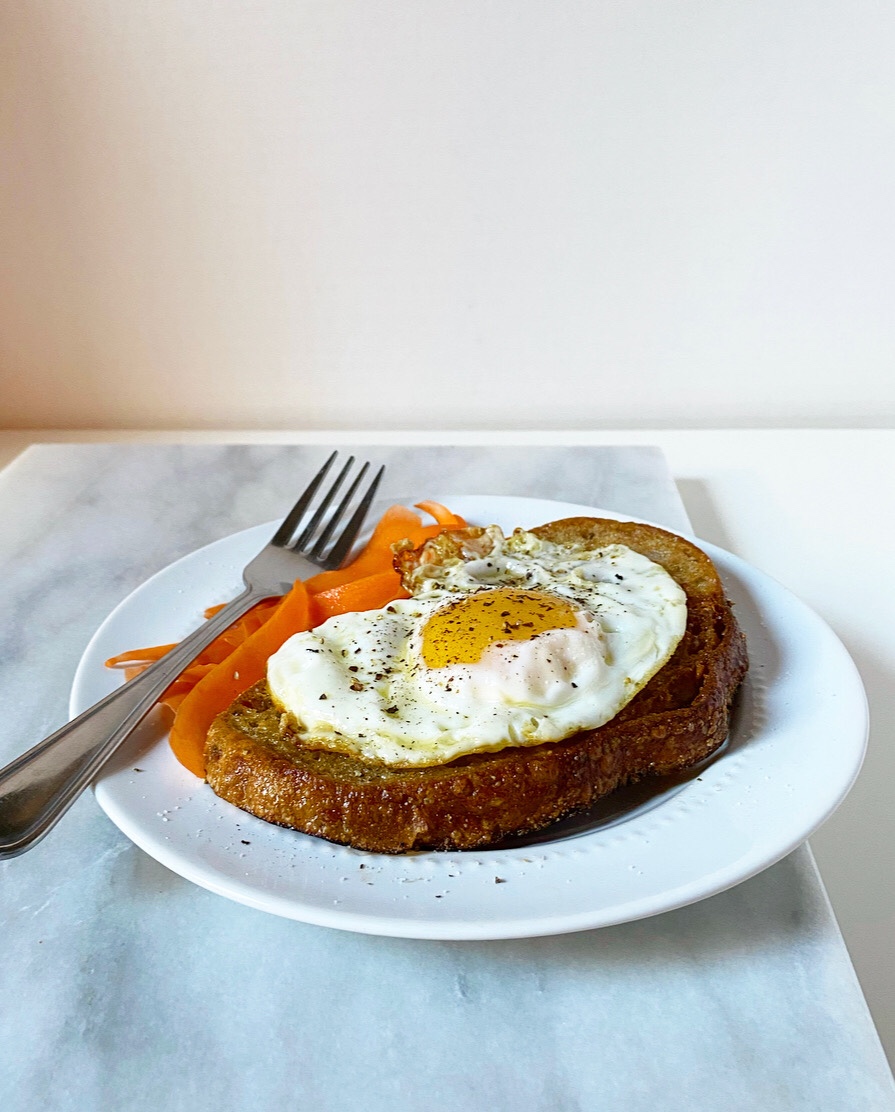
What they are
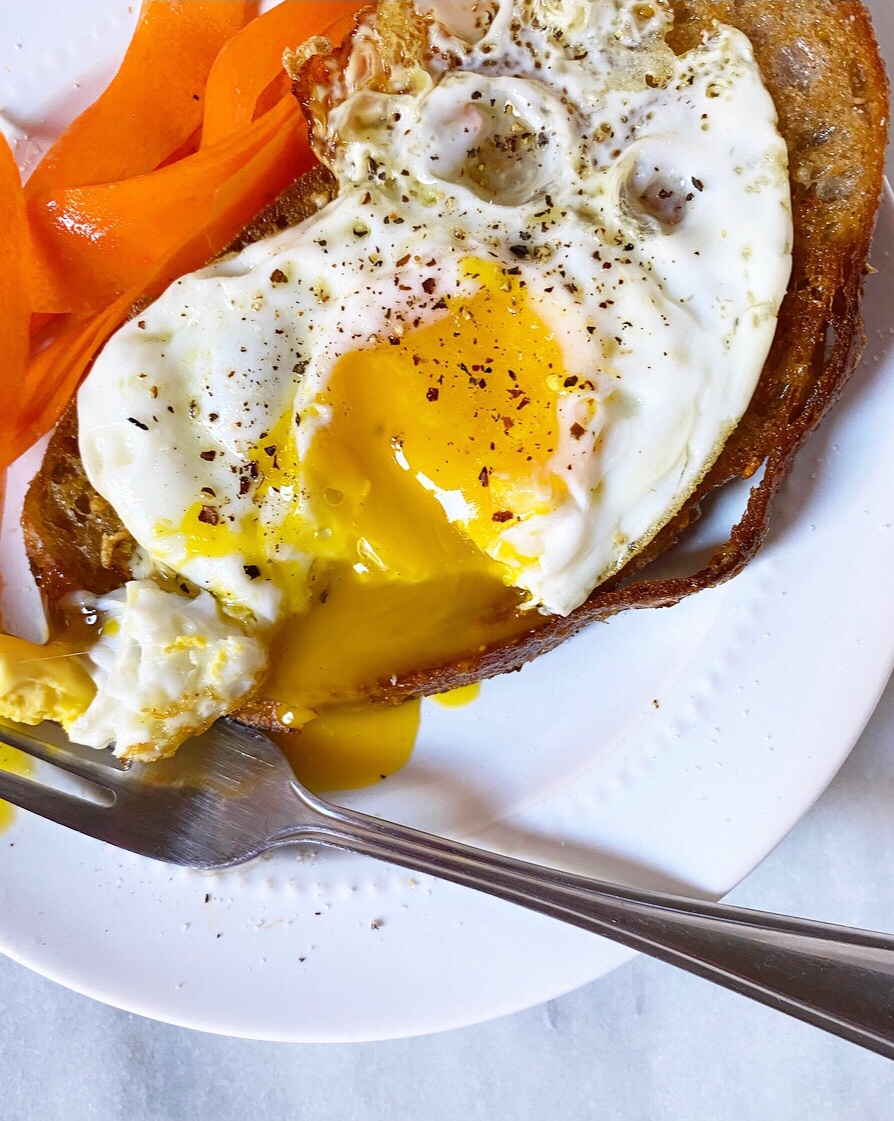
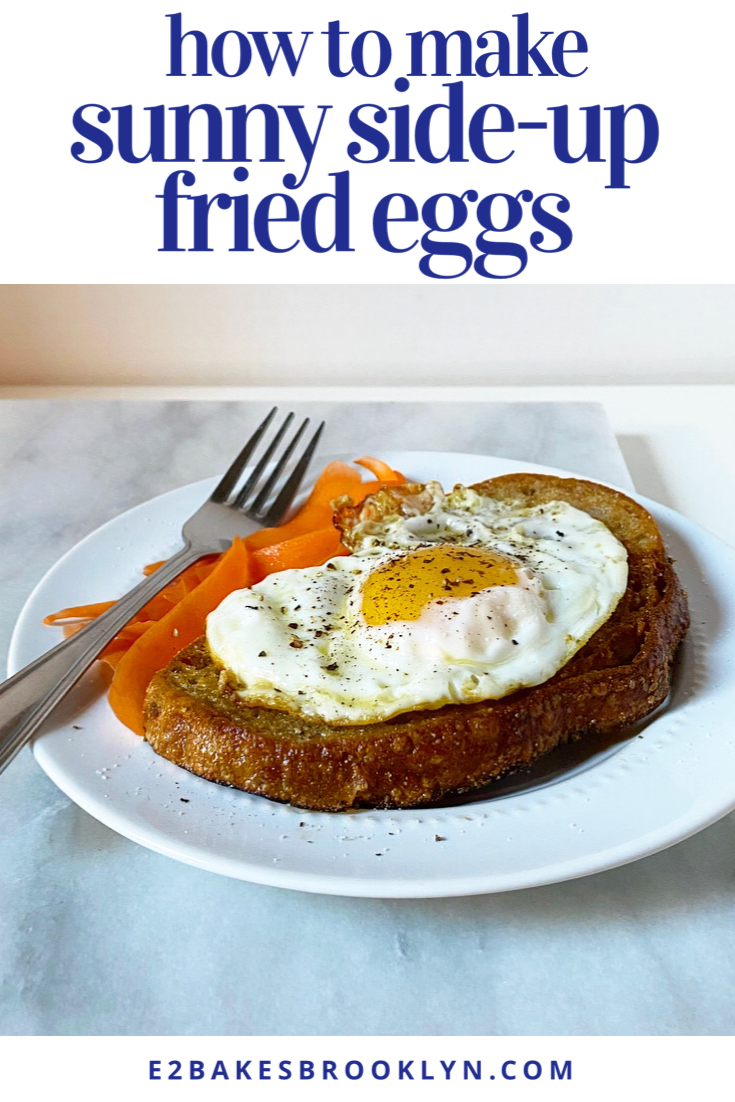
Eggs with yolks and whites still intact that have been quickly fried in oil (or butter, although I don’t care for the appearance of cooked milk solids on my fried eggs). The edges get lacy while the yolks stays runny and golden. They are called sunny side-up because the yolk resembles a bright golden sun.

For those concerned, there is no need to worry about the dreaded uncooked egg whites here—they’re basted with hot oil so that they set before the yolk becomes hard.

What you’ll need
2 large eggs
1 1/2 tablespoons oil (I prefer olive or canola oil)
salt and pepper, for serving

How to make them
Crack eggs into small bowls (one bowl per egg).

Heat oil in a medium skillet over medium heat, swirling to coat. Add eggs and let cook until whites are no longer transparent, but not set. They will sputter and pop quite a bit.

Use an oven mitt to lift/tilt the pan so that the hot oil collects at the edge of the pan, away from the eggs. Use a heatproof spoon to spoon oil over the eggs repeatedly until whites are set and the yolks are still jiggly. Edges should be turning golden.

Immediately remove eggs to plates and serve. I highly recommend garlic-rubbed toast as an accoutrement.How to Make Eggs 5 WaysHow to Make Eggs 5 WaysPoached Eggs
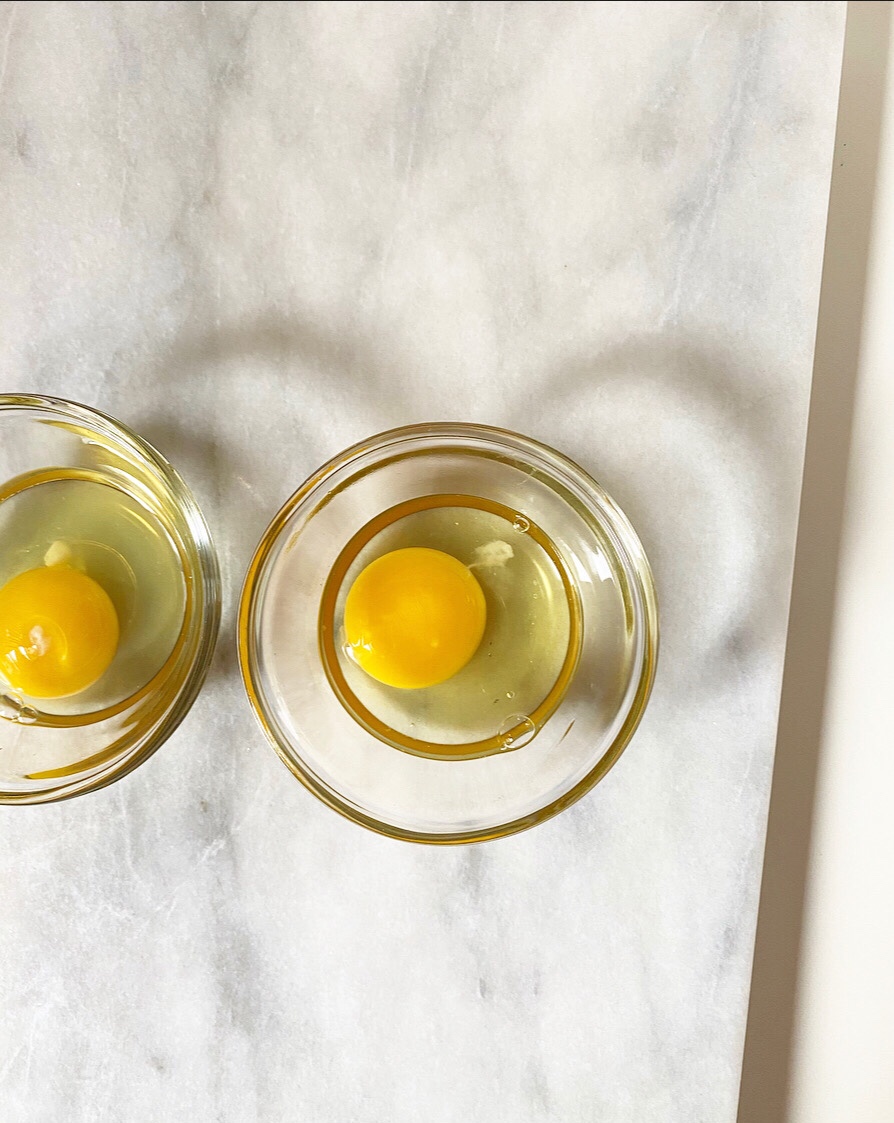
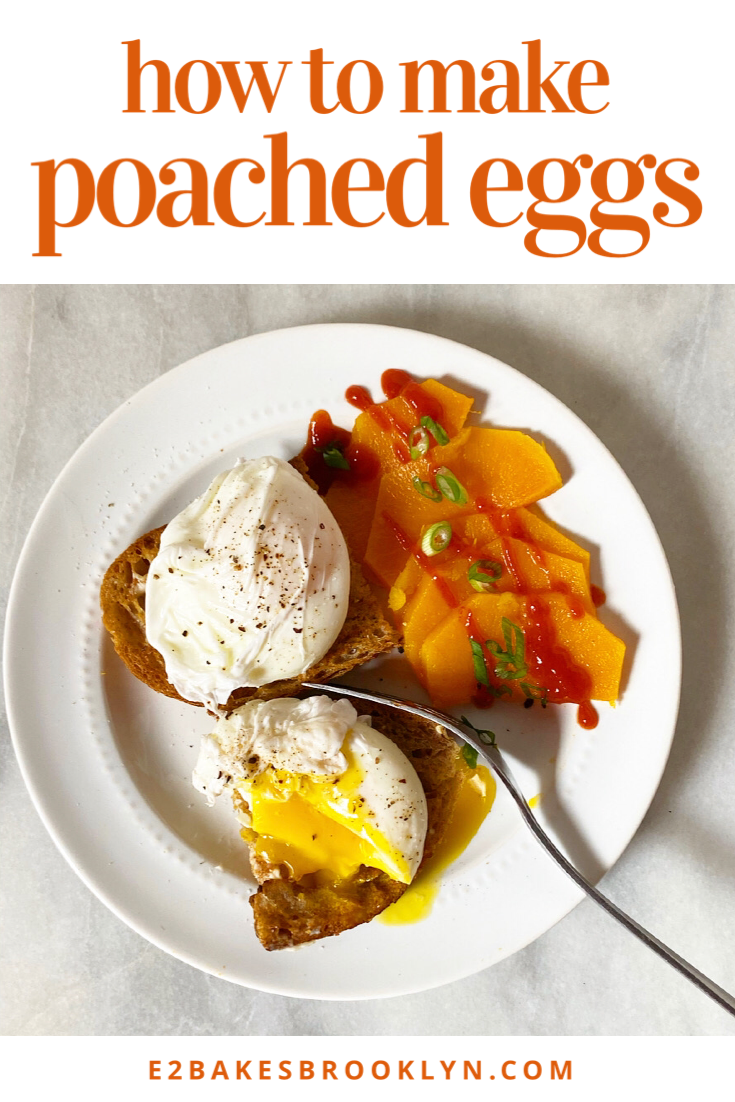
What they are
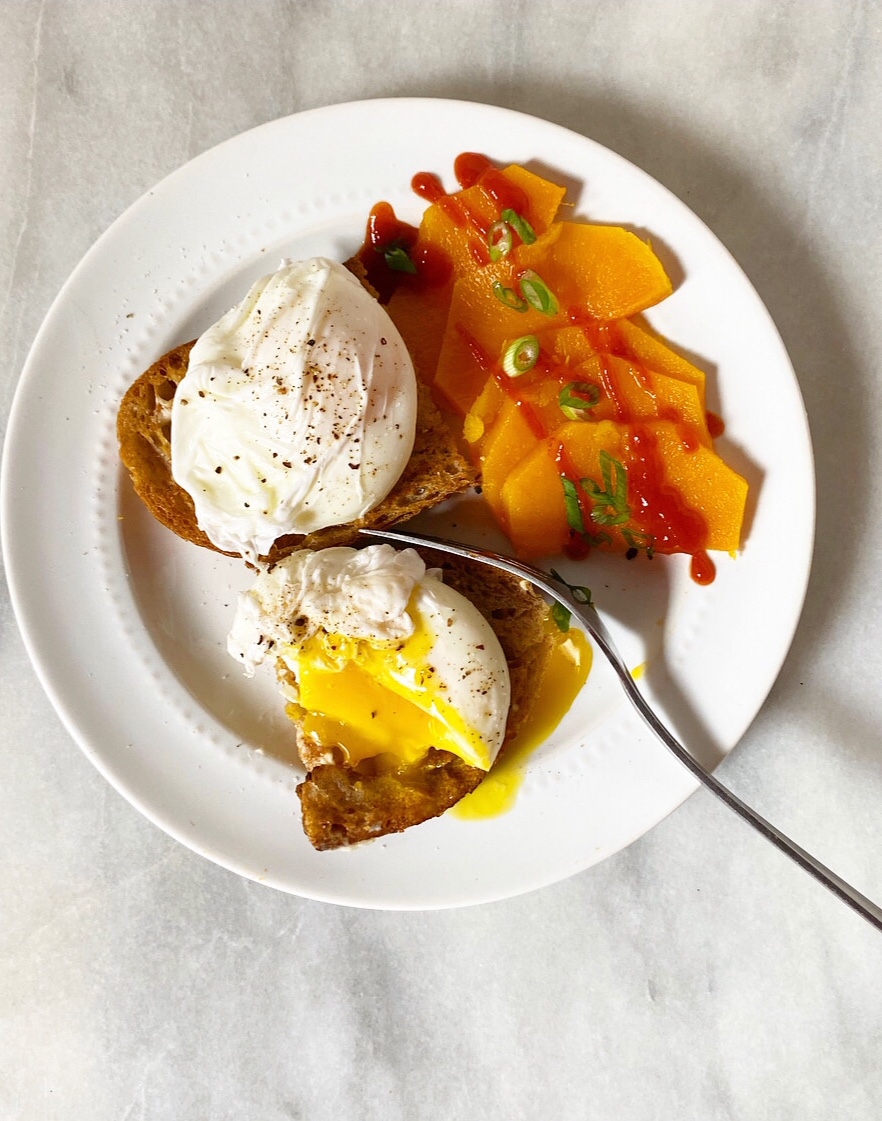
Eggs cooked in simmering (read: not boiling) water until the whites are set and the yolks are still runny, or otherwise cooked to your preference. Although it’s optional, I like to add a splash of vinegar to the water to help the whites set.

I do not recommend making more than 3 poached eggs at a time, as they are extremely time-sensitive. Nothing’s worse than chasing one around the pan with a slotted spoon, only to find that it’s over-cooked!

What you’ll need
water
2 large eggs
a splash (~1 teaspoon) white or apple cider vinegar (optional)
salt and pepper, for serving

How to make them
Fill a 4-quart pot 1/2-2/3 full of water and bring to a boil over high heat.

Crack egg(s) into small bowls (one bowl per egg). Line a small plate with paper towels.

Once water reaches a boil, reduce heat to medium or medium-low, so that it’s at a simmer. Add vinegar, if using.

Working quickly with one egg at a time, bring the bowl close to the surface of the water and pour it in. Immediately drag a slotted spoon under the egg to lift it slightly (this keeps it from sticking to the bottom and has the added benefit of helping the white wrap around the yolk in a pleasing way). Quickly repeat this process with remaining egg. Let simmer 3 minutes, until the whites are set but yolks are still runny. For harder cooked eggs, add 15-30 seconds to the cook time.

Use a slotted spoon to lift eggs out of the water and onto the paper towel-lined plate to drain. Remove eggs to serving plates and enjoy immediately.How to Make Eggs 5 WaysHow to Make Eggs 5 WaysHard-Boiled Eggs
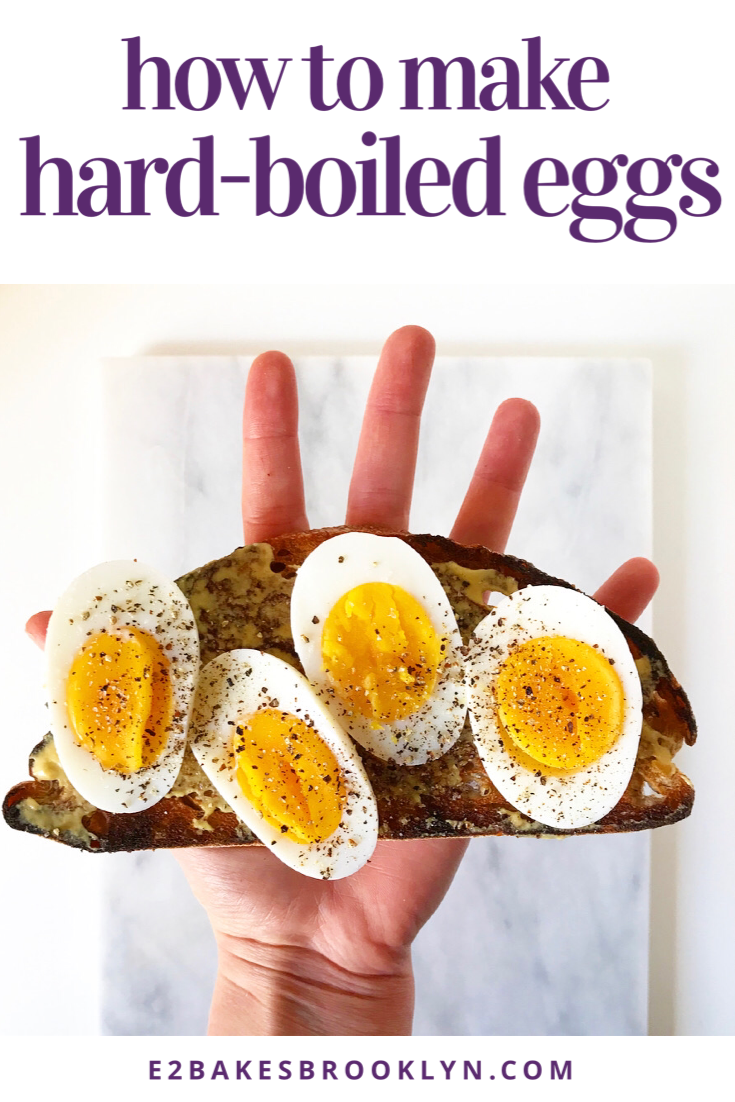
What they are
Eggs that have been cooked in their shells until both the whites and yolks are just set. No green-ringed yolks here! These can be made ahead and refrigerated in their shells for up to three days, so they’re great for on-the-go breakfasts or snacks, and making deviled eggs and egg salad, of course.

It’s as quick and easy to make twelve hard-boiled eggs as it is to make two. You can make as many as will fit in your pan.

What you’ll need
2-12 large eggs in their shells (based on need and pan space)
cold tap water
ice

How to make them
Place eggs in a single layer on the bottom of a deep pan. Add cold water to cover by about an inch. Place over high heat and bring to a rolling boil for 1 minute. Remove from heat, but let eggs sit in water for 9 minutes.

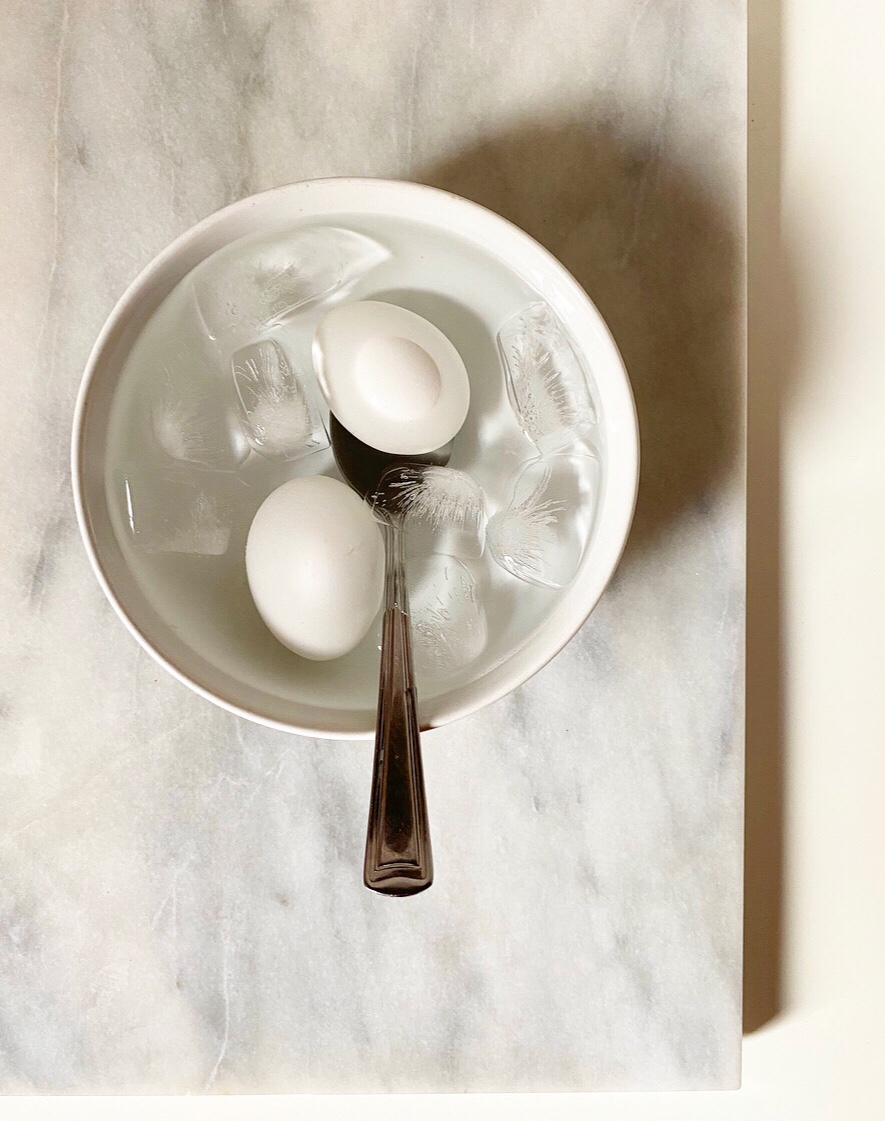
While eggs are still in the hot water, fill a bowl with cold water and add lots of ice. When the 9 minutes are up, use a spoon to lift eggs out of the hot water and into the ice bath. Let sit about 10 minutes, or until cooled.

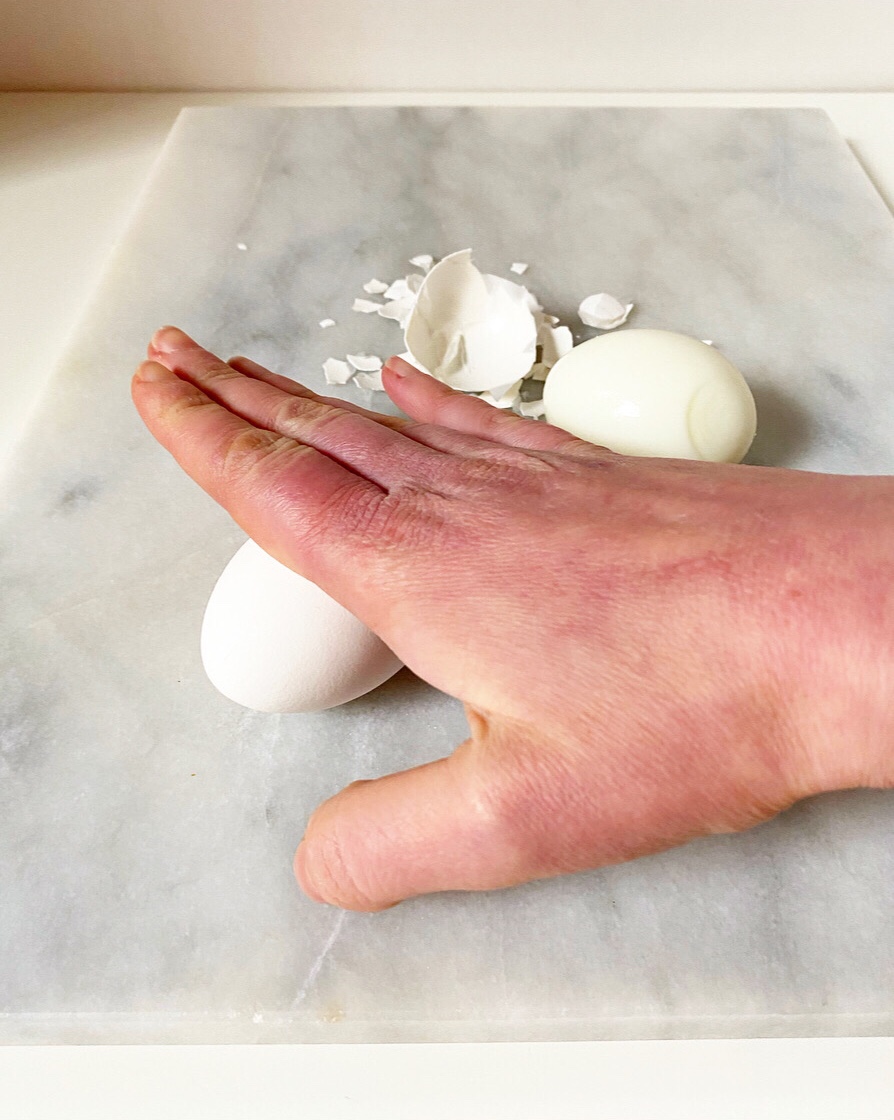
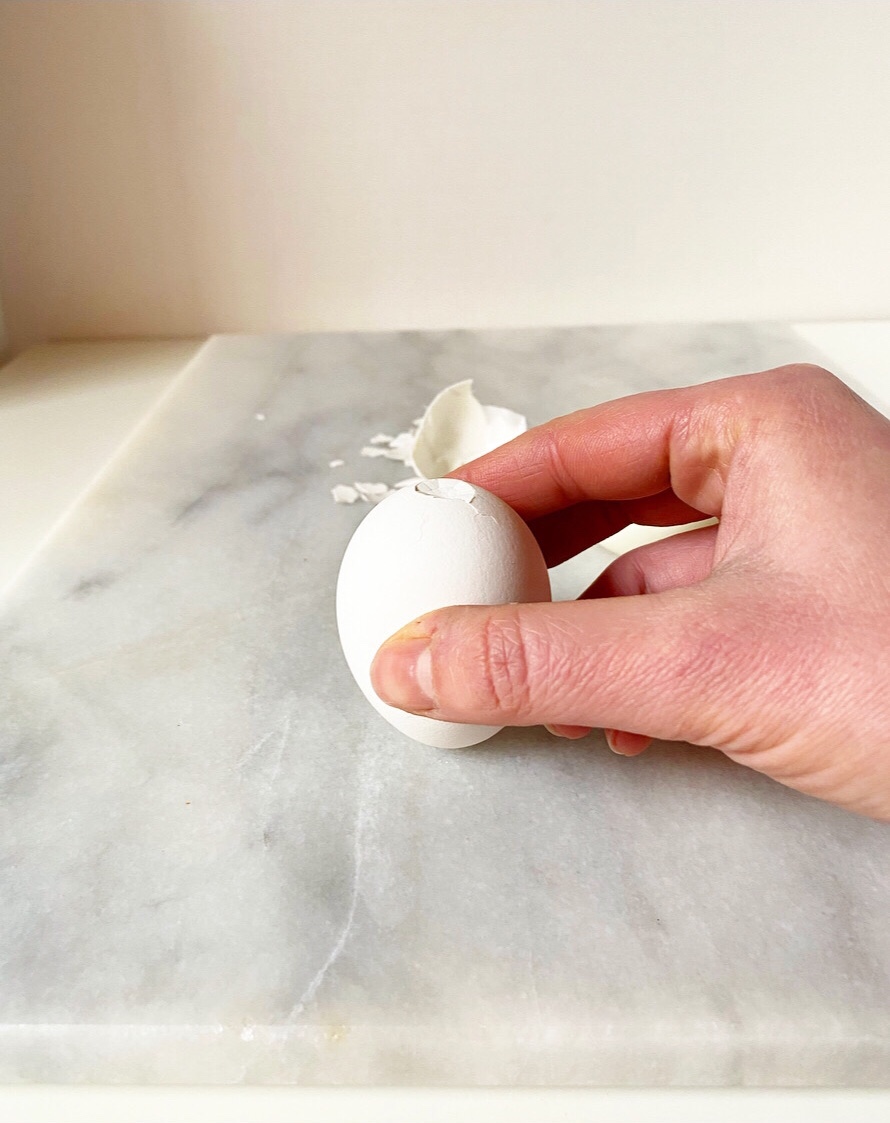
To peel an egg, tap each narrow end of the egg shell on a hard surface, and then gently roll it on the surface to encourage cracking all the way around. Use your fingers to pick the shell away. Rinse with cold water, if needed. Enjoy.

Leftover eggs may be kept in their shells in the refrigerator for up to 3 days.How to Make Eggs 5 WaysHow to Make Eggs 5 WaysHow to Make Eggs 5 WaysSoft-Boiled Eggs
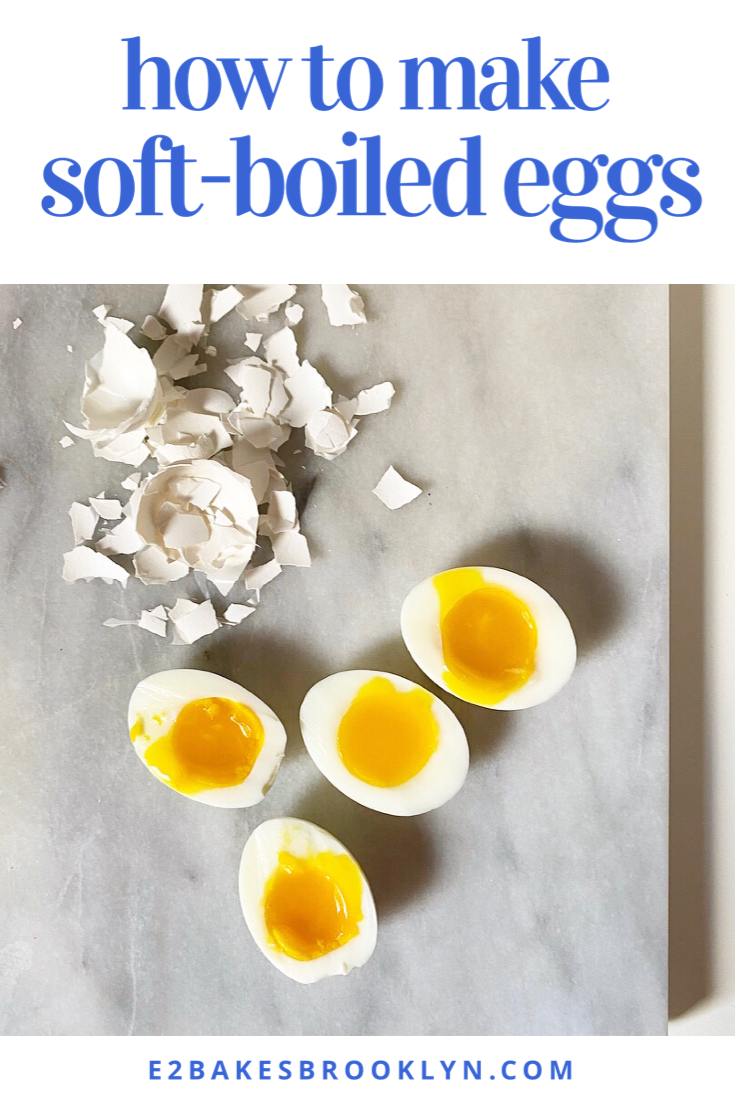
What they are
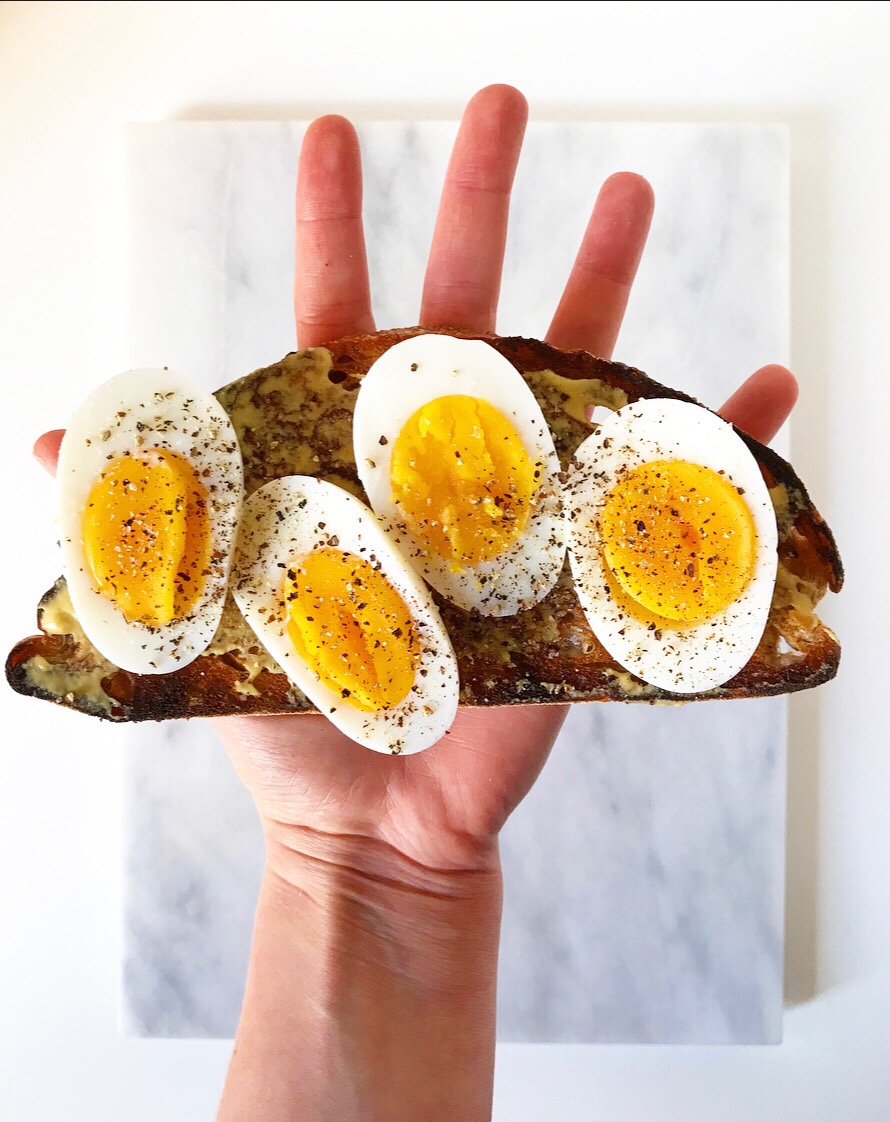
Eggs that have been cooked in their shells in boiling water until the whites are just set, but the yolks are jammy. These can be made ahead and refrigerated in their shells for up to three days. These are great on toast, in salads or even in soup (think borscht and ramen).

As with hard-boiled eggs, it’s as quick and easy to make twelve soft-boiled eggs as it is to make two. You can make as many as will fit in your pan.

What you’ll need
2-12 large eggs in their shells (based on need and pan space)
water
ice

How to make them
Fill a deep pan 1/3-1/2 way (so that it’s deep enough to cover an egg). Bring to a boil over high heat. Carefully add eggs and boil for 6.5 minutes.

While eggs are boiling, fill a bowl with cold water and add lots of ice. When the 6.5 minutes are up, use a spoon to quickly and carefully move eggs from hot water to ice bath. Let cool 5-10 minutes, or until you can handle them, before removing from ice bath.

To peel an egg, tap each narrow end of the egg shell on a hard surface, and then gently roll it on the surface to encourage cracking all the way around. Use your fingers to pick the shell away. Rinse with cold water, if needed. Enjoy.

Leftover eggs may be kept in their shells in the refrigerator for up to 3 days.How to Make Eggs 5 WaysHow to Make Eggs 5 WaysHow to Make Eggs 5 WaysHow to Make Eggs 5 WaysHow to Make Eggs 5 WaysHow to Make Eggs 5 Ways
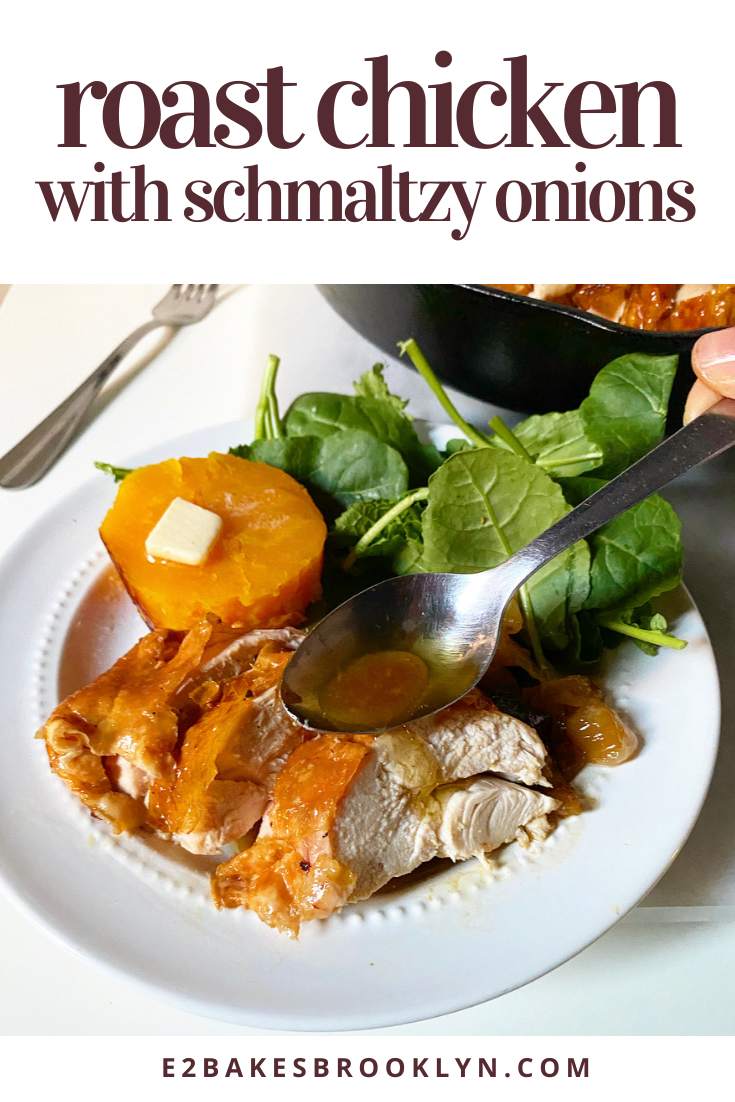
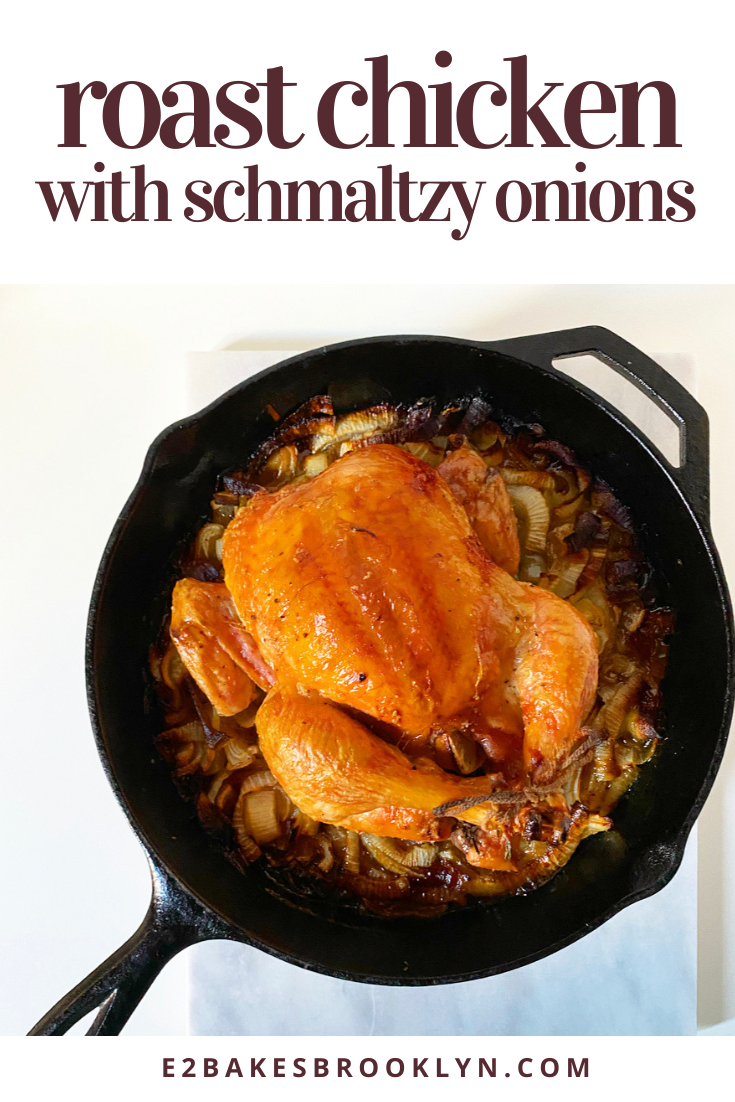
Roast Chicken with Schmaltzy Onions

Updated 09/20/2020 to add new photos, adjust the roasting temperatures, and give instructions for optional trussing.Roast Chicken with Schmaltzy OnionsIt has come to my attention that a shocking amount of my friends and acquaintances have never attempted to roast a chicken. In fact, some have admitted to being terrified of the process. Not intimidated. Terrified.
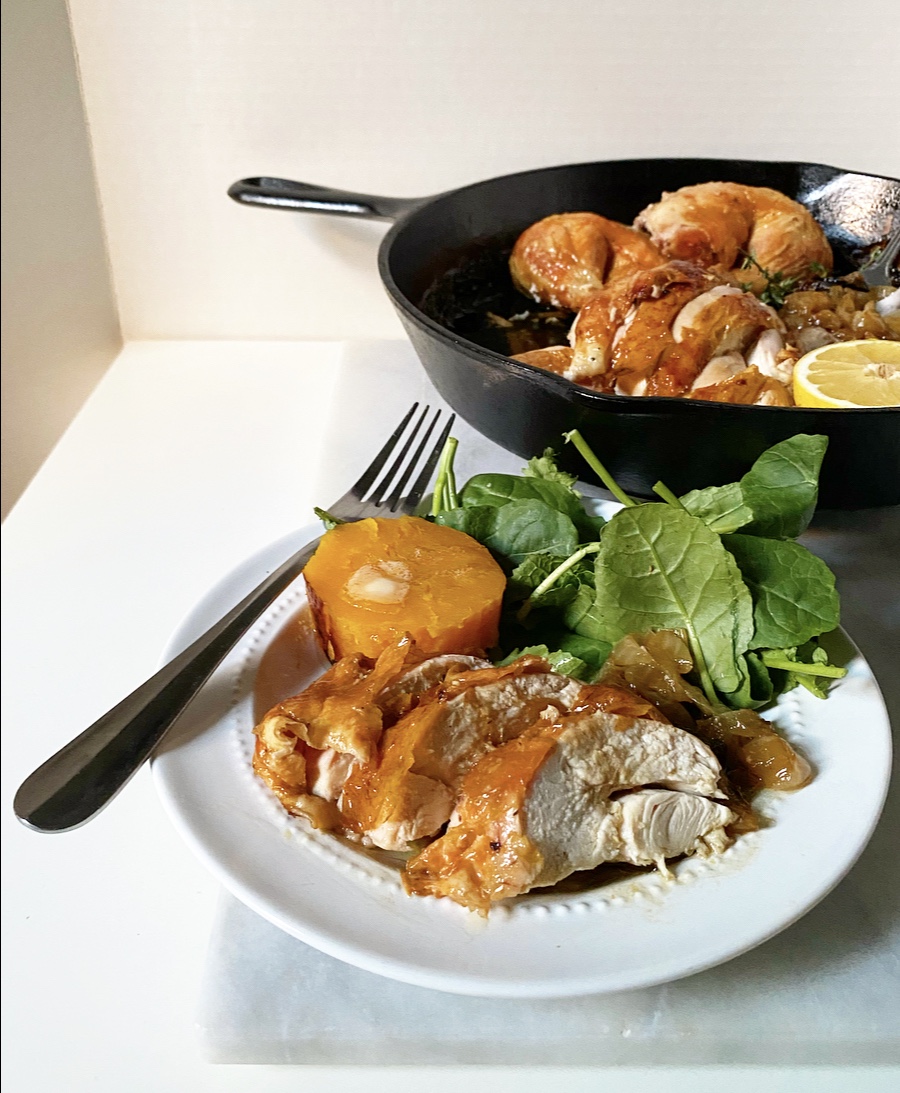
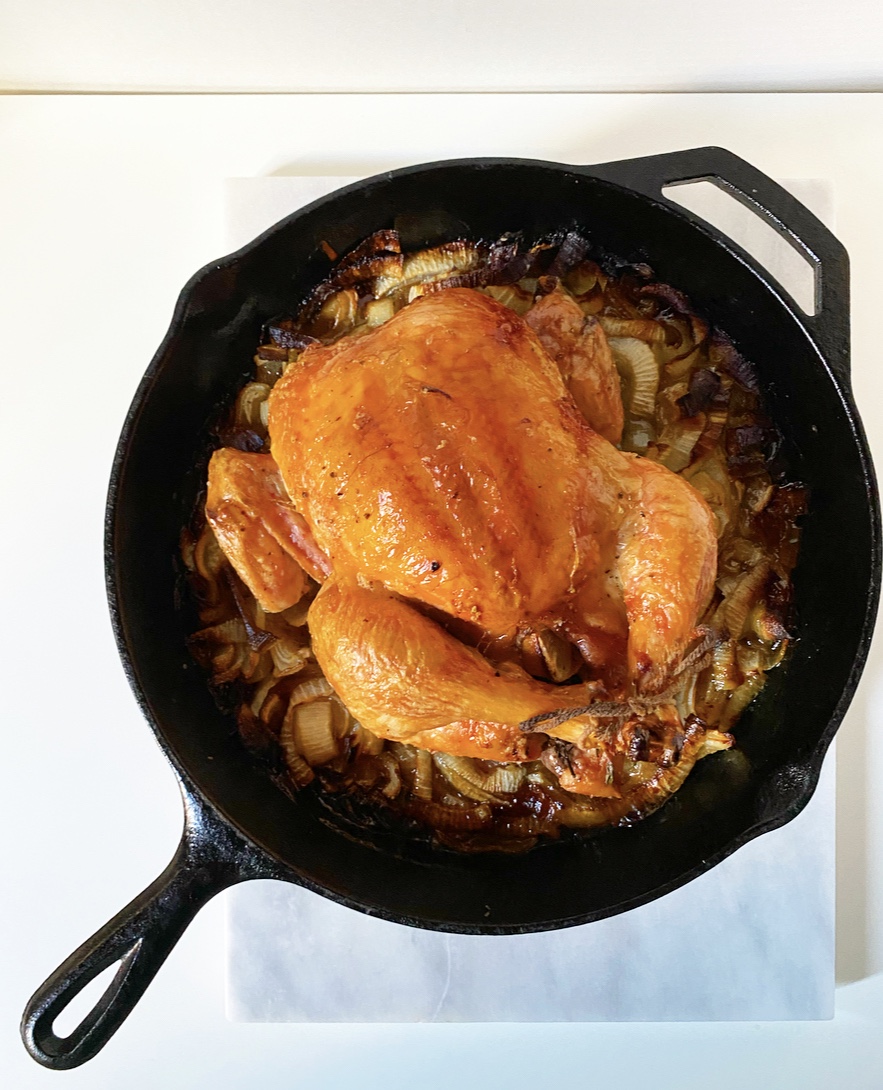
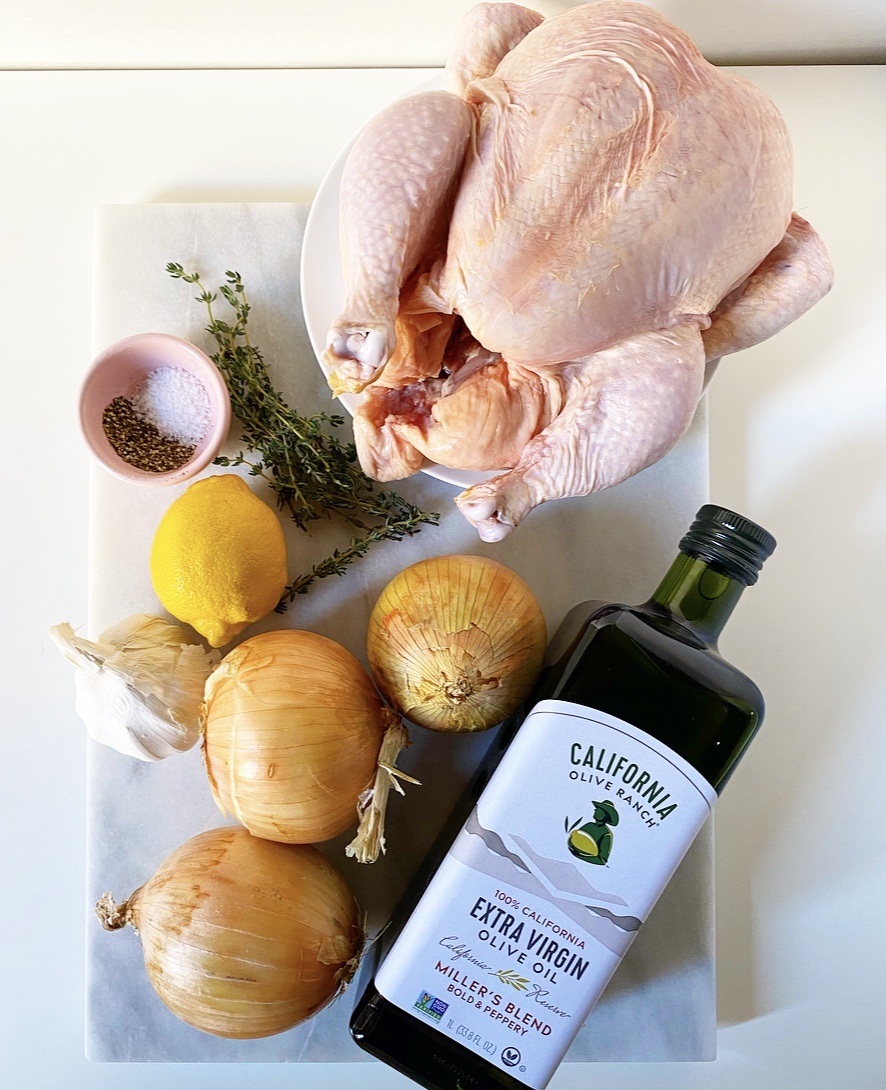
Y’all, that’s sort of ridiculous. If you fall into this category, let me be the one to tell you that roast chicken is one of the easiest things in the world to make. It’s chicken, not rocket science.Roast Chicken with Schmaltzy OnionsHere’s everything you’ll need to make a quality roast chicken: salt and pepper, olive oil, garlic, thyme (or rosemary), a lemon, a lot of onions, and a whole chicken.Roast Chicken with Schmaltzy OnionsFirst things first—slice up the onions and toss them together in the pan. You want your pan to be almost full of onions.
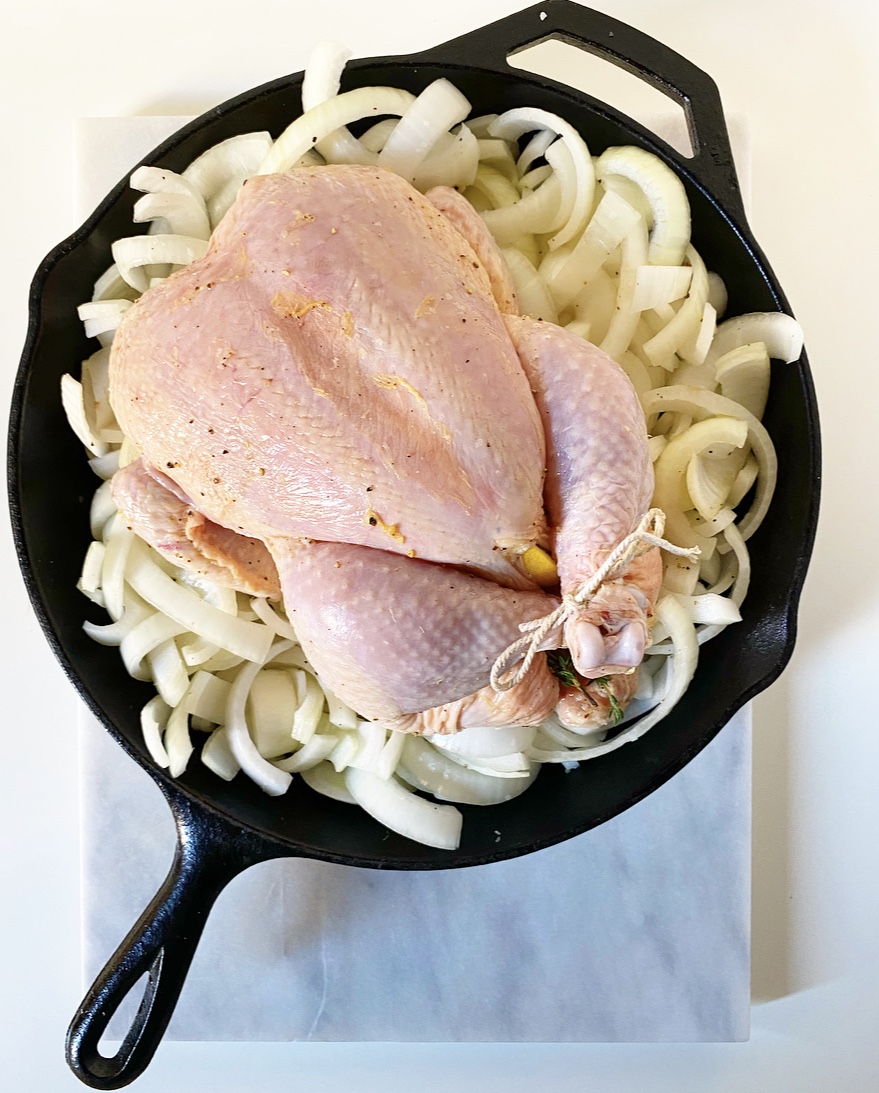
Dry off your chicken with paper towels and lay it on that bed of onions. You want it breast-side up, meaning that the neck and tail will be down. Grease the inside and outside of your bird with olive oil and give it a good massage with salt and pepper.

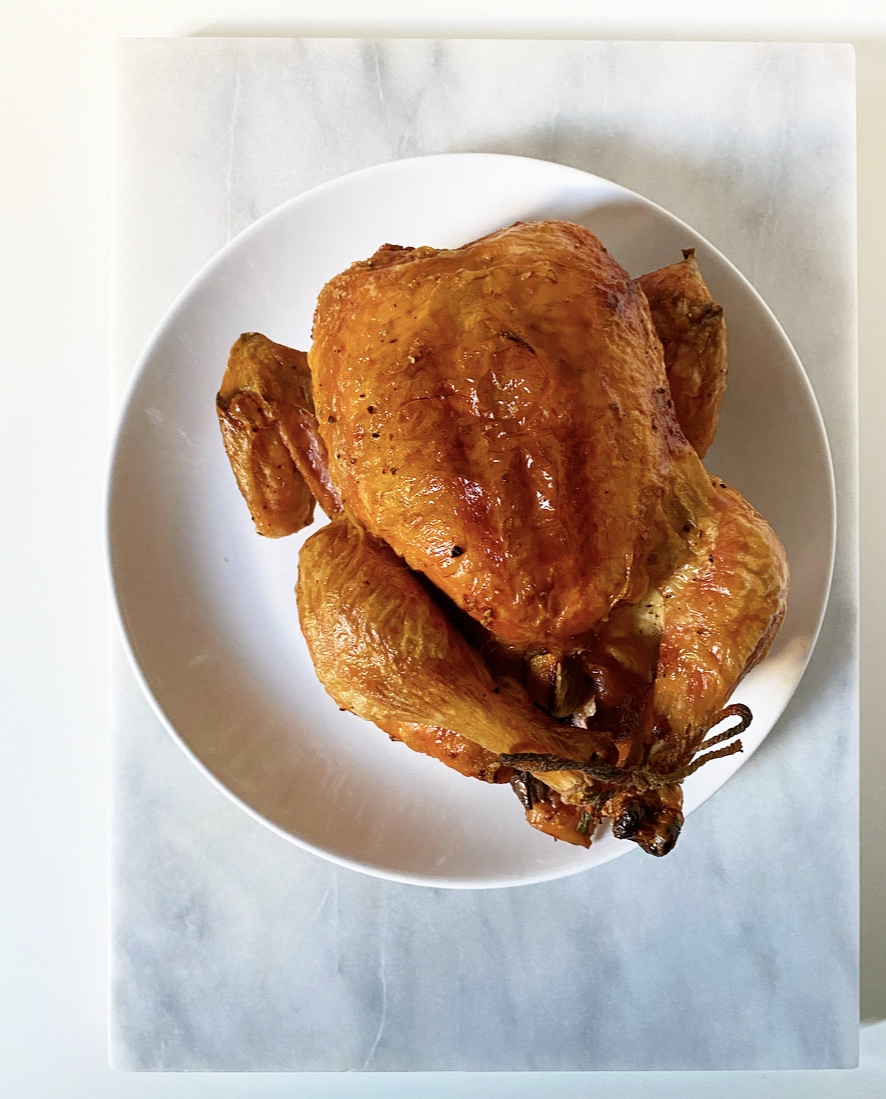
Tuck the wingtips under the breast. This helps the chicken to cook more as a cohesive unit and keeps the wings from drying out. They may move as they cook—that’s okay.Roast Chicken with Schmaltzy OnionsStuff the lemon, garlic, and thyme in the cavity, and truss the legs (tie them together) if that’s your bag. Whether you choose to truss or not, the next step is to slide the chicken into a 450F oven. Yes, 450F. This initial burst of high heat helps the skin turn golden. As the cooking time moves on, the heat will be turned down to 400F. This keeps the chicken from burning or drying out throughout the long roasting time.Roast Chicken with Schmaltzy OnionsWhen you finally remove the chicken from the oven, it’ll be golden and beautiful. When I roast chickens, I nearly always get comments on how aesthetically pleasing they look.Roast Chicken with Schmaltzy OnionsBut who cares about looks—it’s all about flavor! And this chicken has plenty of it. The skin is crispy, the meat is moist, and everything is well seasoned.Roast Chicken with Schmaltzy OnionsAnd that’s to say nothing of the soft roasted onions that are coated in rendered chicken fat (aka schmaltz). Seriously, if you’ve never tasted a sweet onion that’s been cooked in chicken fat, you’ve been deprived.
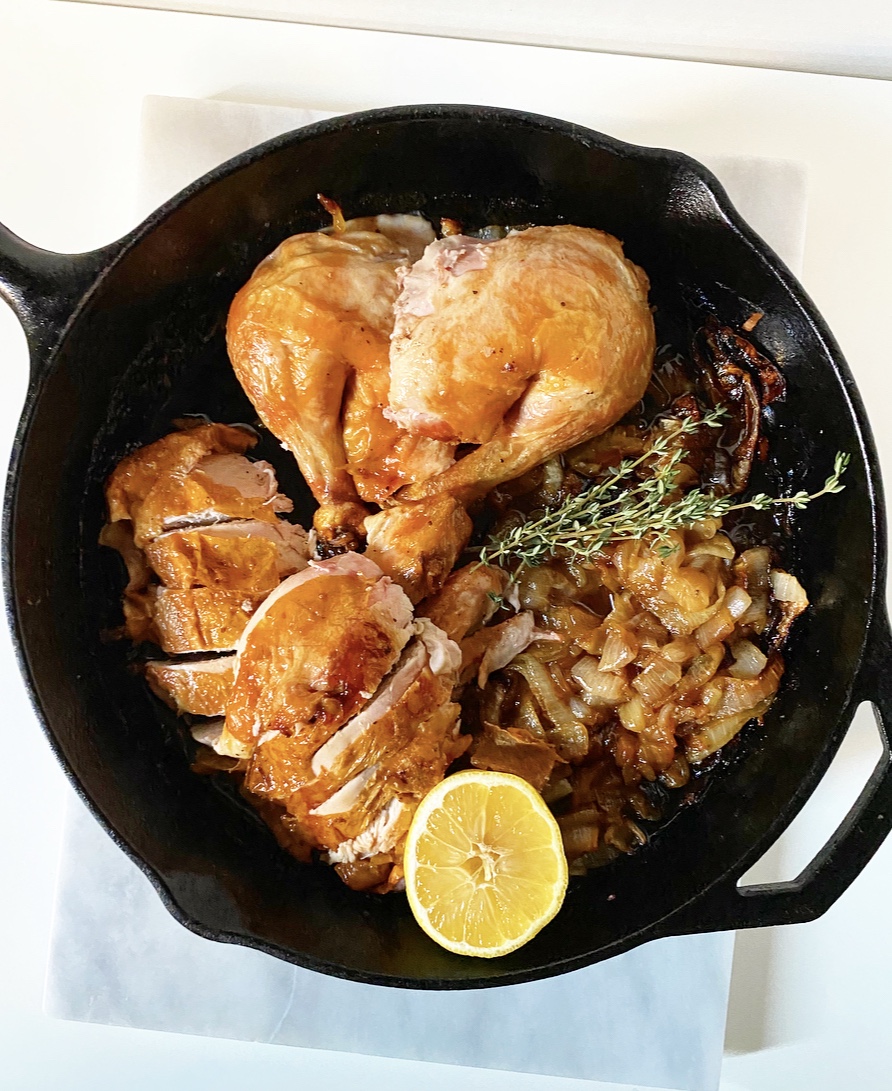
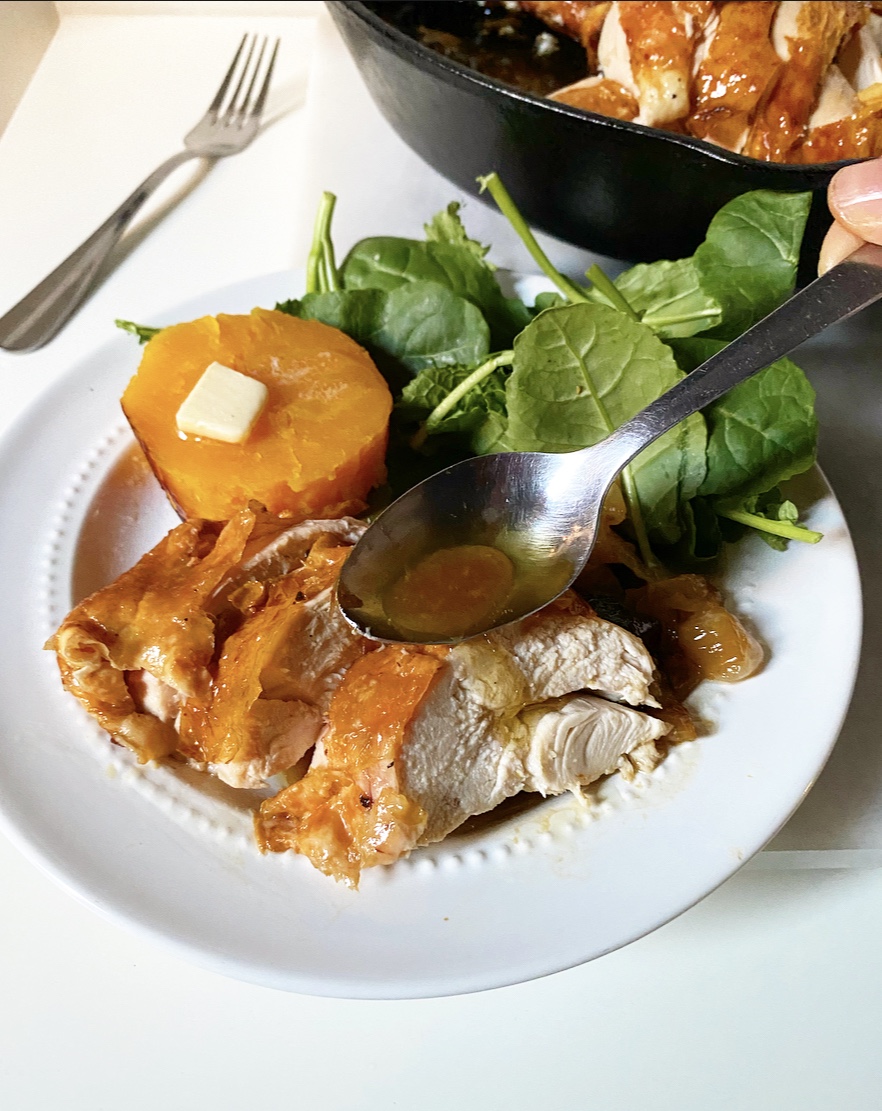
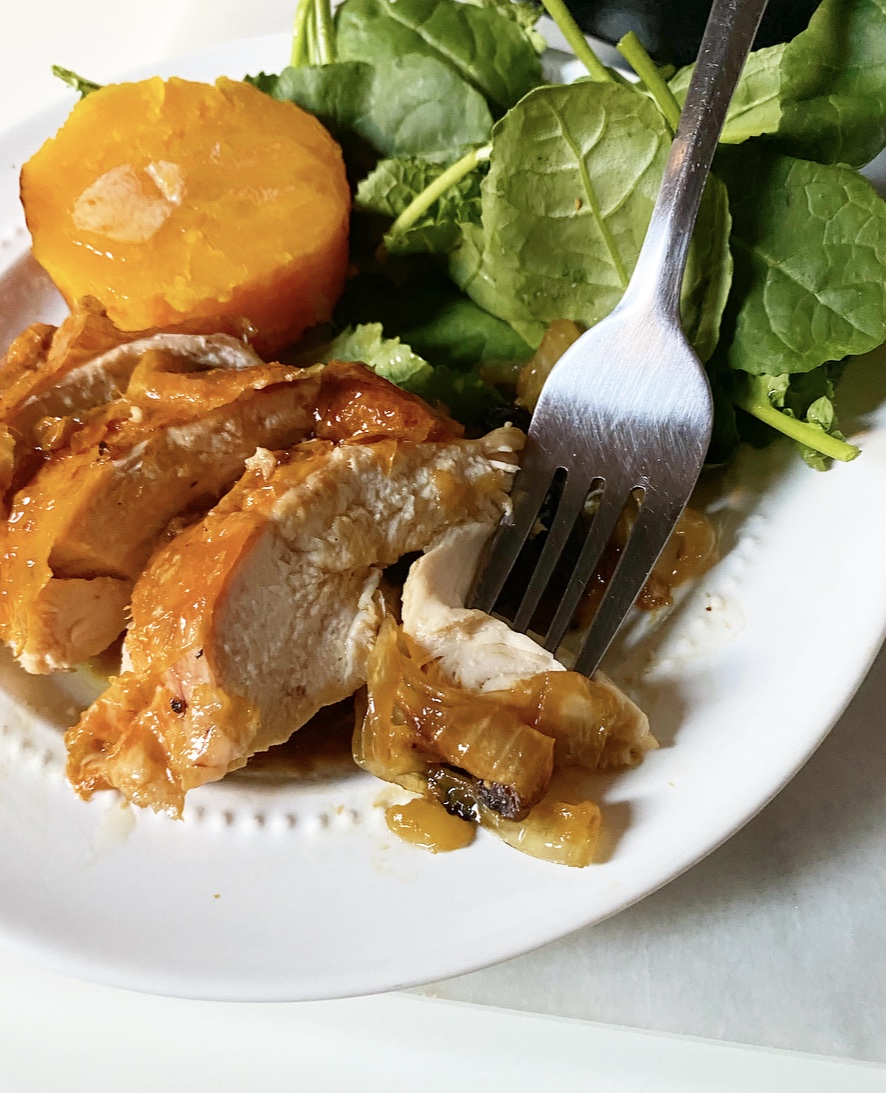
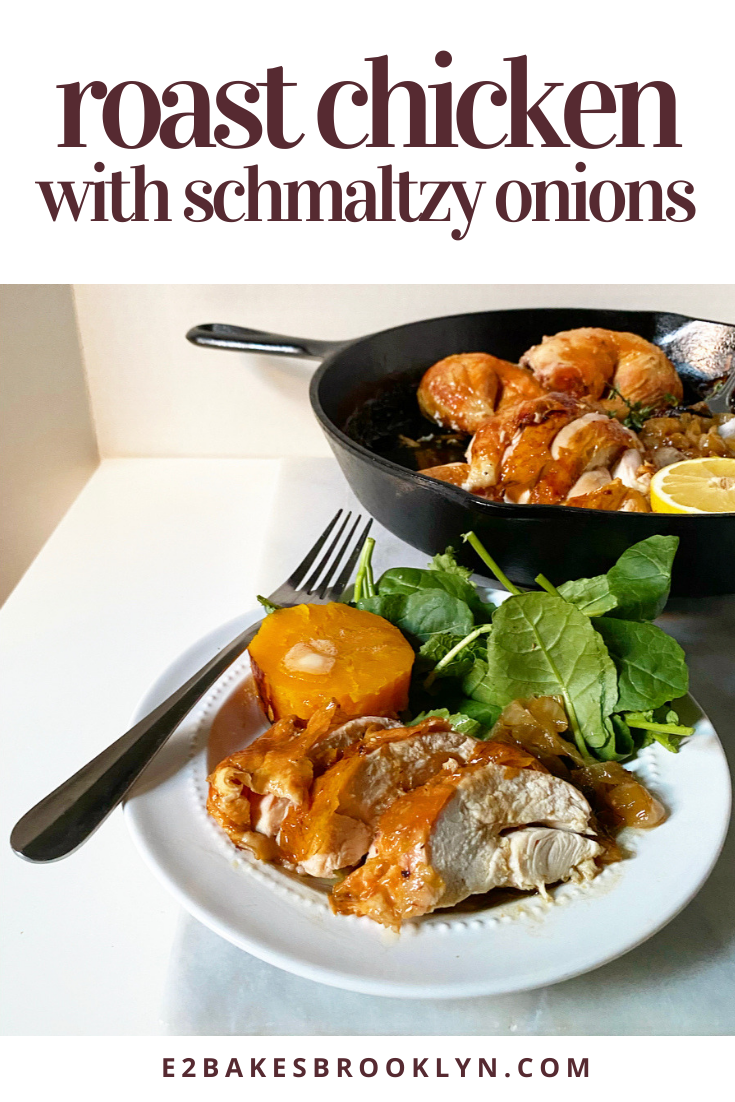
Better make up for lost time.Roast Chicken with Schmaltzy Onions
Roast Chicken with Schmaltzy Onions
makes one 5 pound chicken

2 tablespoons olive oil, divided
2-3 pounds sweet onions, peeled and cut into 1/2-inch slices
1 1/2-2 teaspoons Kosher or sea salt
1/2 teaspoon freshly cracked black pepper
1 4.5-5.5 pound raw whole chicken, giblets removed
1 lemon, sliced in half equatorially
1 small-medium head of garlic, sliced in half equatorially
2 sprigs fresh rosemary or 10 sprigs fresh thyme

Special Equipment:
trussing string (optional)

***Make sure your oven is fairly clean before starting. The high heat in this recipe can cause smoke if there is any significant grime on the walls or floor of your oven.***

Place an oven rack in the center position. Preheat oven to 450F.

Grease the bottom of a 9×13-inch casserole dish (or other large high-sided pan) with 1 tablespoon of olive oil. Top with layers of onion slices. Set aside.

In a small bowl, mix together salt and pepper.

Use paper towels to blot chicken to remove excess moisture—make sure to do this inside the cavity, too. Place chicken, breast-side up, on the bed of onions.

Coat chicken inside-and-out with remaining tablespoon of olive oil. Massage salt and pepper onto chicken, including the cavity. Stuff the cavity with the lemon, garlic, and rosemary or thyme.

If trussing, cross the ends of the legs and tie them together with trussing string. Trussing is not required for this recipe.

Put pan in the oven. Roast for 90 minutes, reducing the heat to 400F at the 60 minute mark.

Chicken is done when a thermometer inserted in the thickest part of the thigh (not touching bone) reads at least 165F. Juices should run clear.

Remove dish from oven. Remove chicken to a plate and tent loosely with foil. Let rest for 20 minutes.

Stir onions and return to oven for 15-20 minutes. Set aside to cool while you carve the chicken.

Uncover plate. Lift chicken and pour any excess liquid from the cavity into the onions. Place chicken on a cutting board and remove lemon halves, garlic, and thyme/rosemary. Carve chicken (here’s a tutorial).

Use tongs or a wooden spoon to stir onions together with rendered chicken fat (aka schmaltz). Serve chicken and onions together, spooning schmaltz over the top as desired.

Leftovers will keep in the refrigerator for up to five days.Roast Chicken with Schmaltzy OnionsRoast Chicken with Schmaltzy OnionsRoast Chicken with Schmaltzy Onions

Make Your Own Pumpkin Purée

Did you get pie pumpkins at the farmstand this year? Good, me too! I have about ten cans of perfectly good pumpkin purée in my kitchen, but I just couldn’t resist the cute display at Salinger’s Orchard.

My pumpkins sat on my counter for two weeks waiting for me to do something with them. I thought about making Dorie Greenspan’s Pumpkin Stuffed with Everything Good, but let’s be real, I do not need a whole pumpkin filled with bread, cheese, and bacon. I considered just keeping them for decoration, but that’s just a waste. And so I came to my senses and made pumpkin purée.Make Your Own Pumpkin Purée

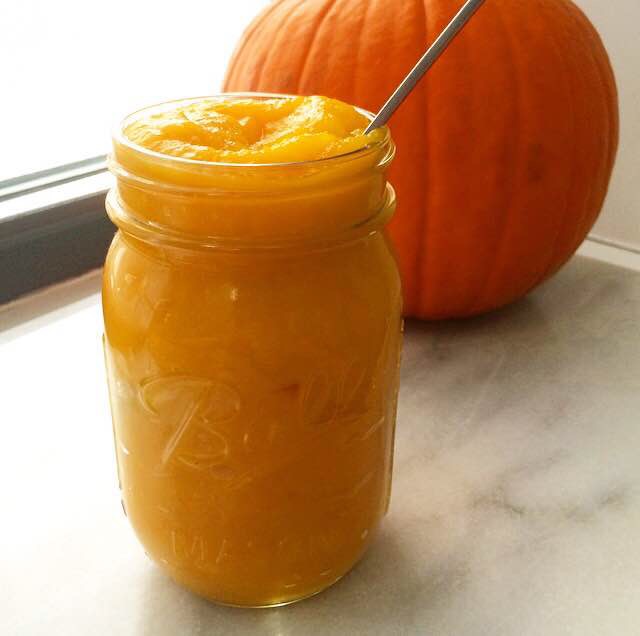
Y’all, I am a big fan of canned pumpkin purée for everyday baking, but it doesn’t hold a candle to this stuff. It’s sweet and rich, and look at that color! I’m not saying I’ll be making my own all the time or anything, but it’s fun to use an actual pumpkin to make cookies every once in a while!

Let me show you how to make your own pumpkin purée.Make Your Own Pumpkin Purée

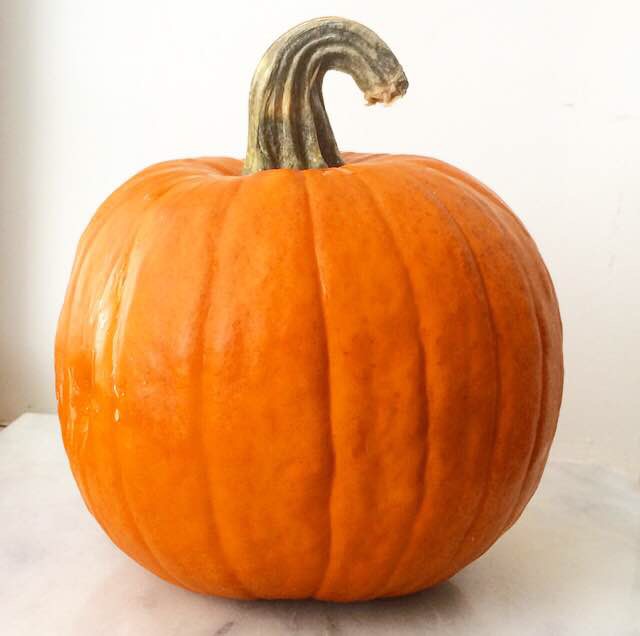
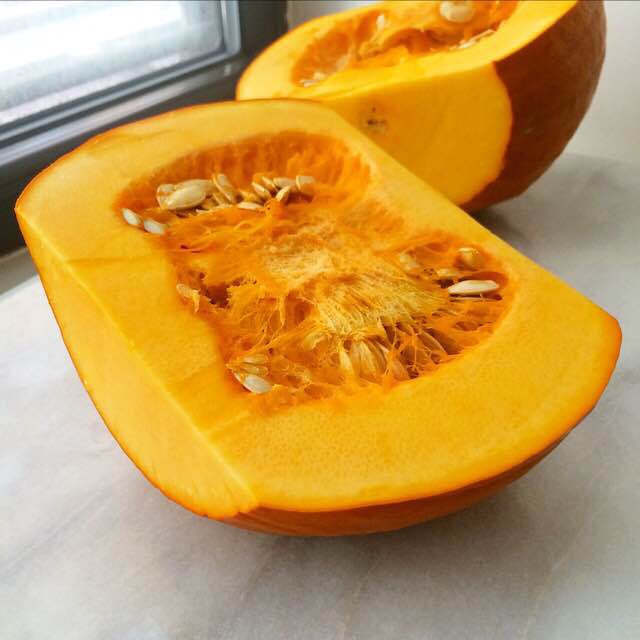
Grab your pumpkin. This is a sugar pumpkin, but cheese pumpkins work well too!Make Your Own Pumpkin Purée

Remove the stem and slice it in halves or quarters, depending on the size. See those seeds and fibrous innards? Scoop ’em out with a sturdy spoon. You can save the seeds and roast them later.Make Your Own Pumpkin Purée

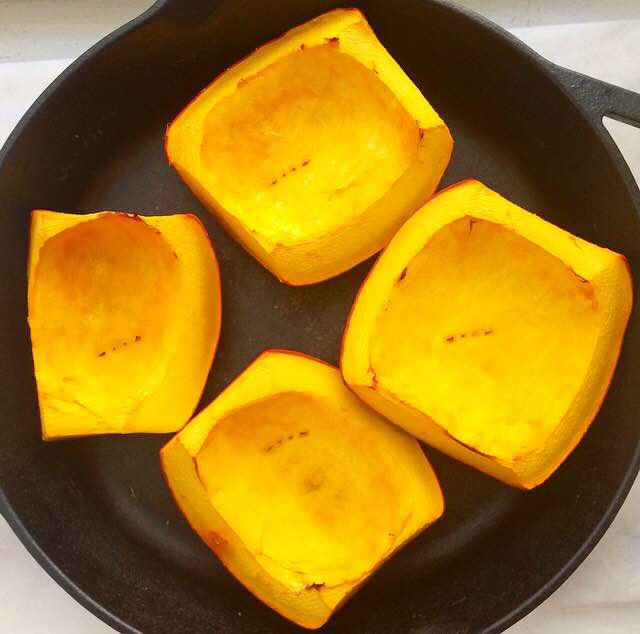
Place your pumpkin pieces in a casserole (or your trusty cast-iron skillet). Pour in water until there’s about 1/4-inch in the bottom of the pan. No need for oil or anything.Make Your Own Pumpkin Purée

Roast your pumpkin pieces at 375F for 45-50 minutes, or until they are fork-tender. Let them cool until you can handle them.Make Your Own Pumpkin Purée

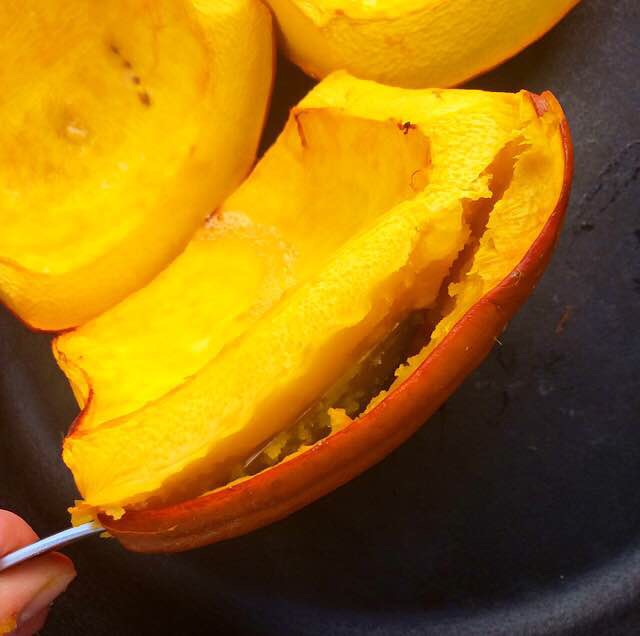
Use a sturdy spoon to separate the flesh from the skin.Make Your Own Pumpkin PuréeMake Your Own Pumpkin Purée

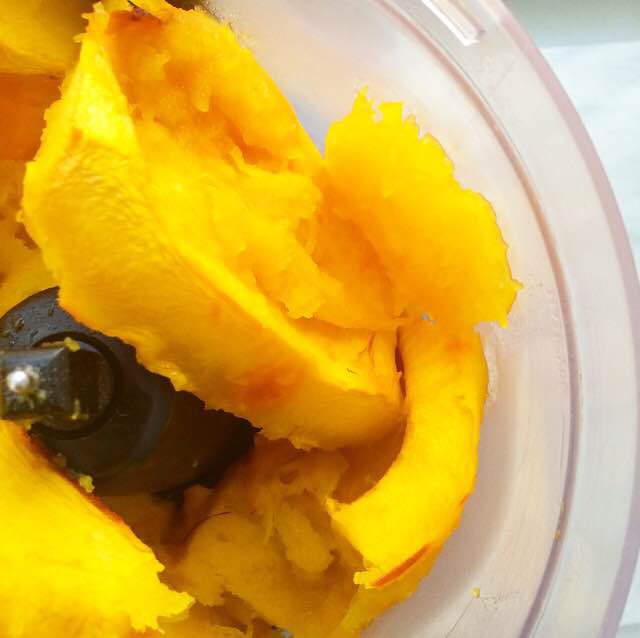
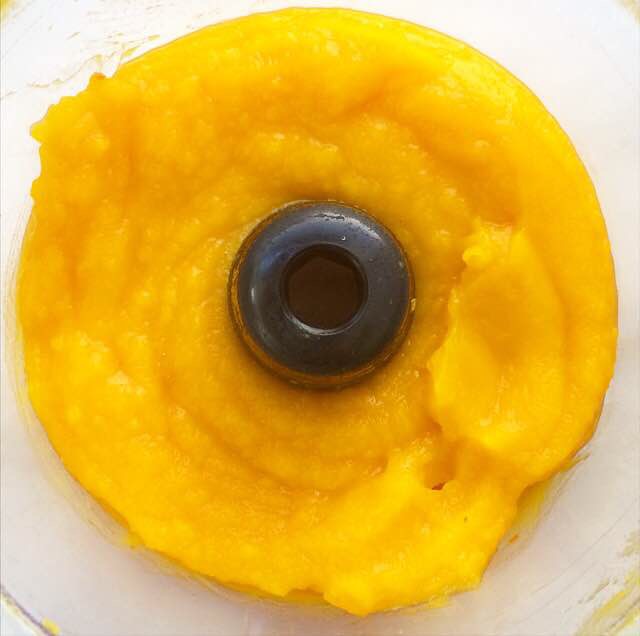
Throw all that good pumpkin in a food processor and let it go for 3-5 minutes, until smooth. Mine puréed up just fine, but if yours looks dry, add water by the tablespoon until it looks right.Make Your Own Pumpkin Purée

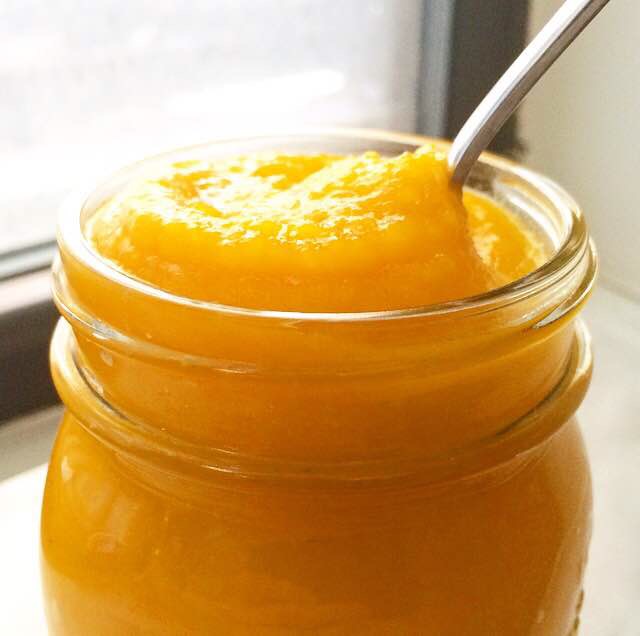
That’s it! Transfer your pumpkin purée to an airtight container and refrigerate it for up to a week. It’s really delicious stirred into yogurt and oatmeal, but why not use it to make something delicious?!Make Your Own Pumpkin Purée

Like Pumpkin Oat Muffins.Make Your Own Pumpkin Purée

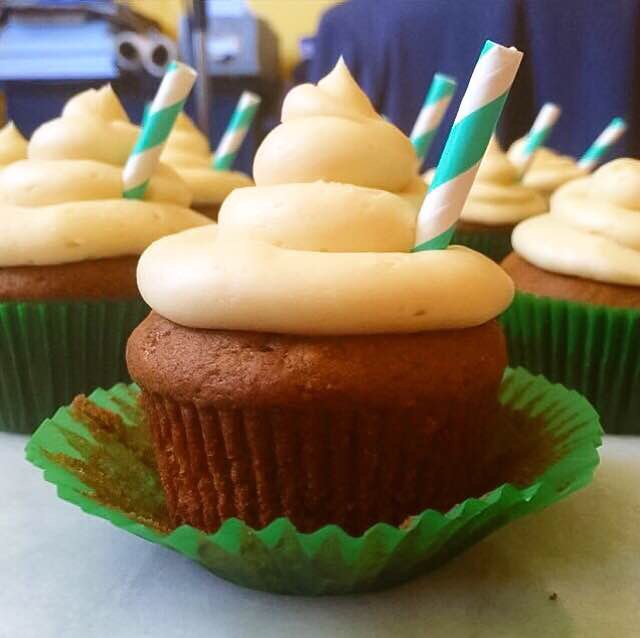
Or Pumpkin Spice Latte Cupcakes.Make Your Own Pumpkin Purée
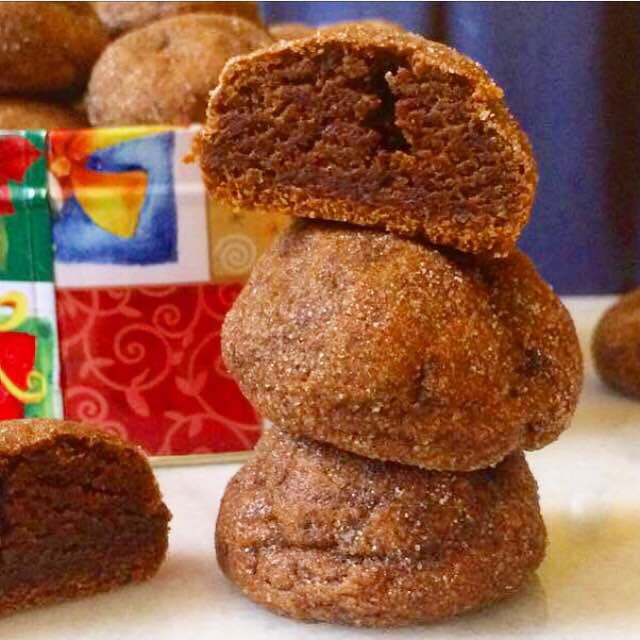
Or Chewy Pumpkin Ginger Cookies.Make Your Own Pumpkin Purée

Or Pumpkin Wafers & Pumpkin Icebox Cake.Make Your Own Pumpkin Purée

Or the lightest, fluffiest Pumpkin Pie ever.

Let me know what you’re baking with pumpkin this fall! @e2bakesbrooklyn on Instagram 💗