 This is the last post-vacation recipe, I promise. After today, I will write about things that are not the most perfect little island off the coast of Maine. I will. But first I’m going to tell you about the easiest, fanciest-sounding (thanks, French name!) savory late summer preserve/condiment/what-have-you: Tomato & Zucchini Confit.
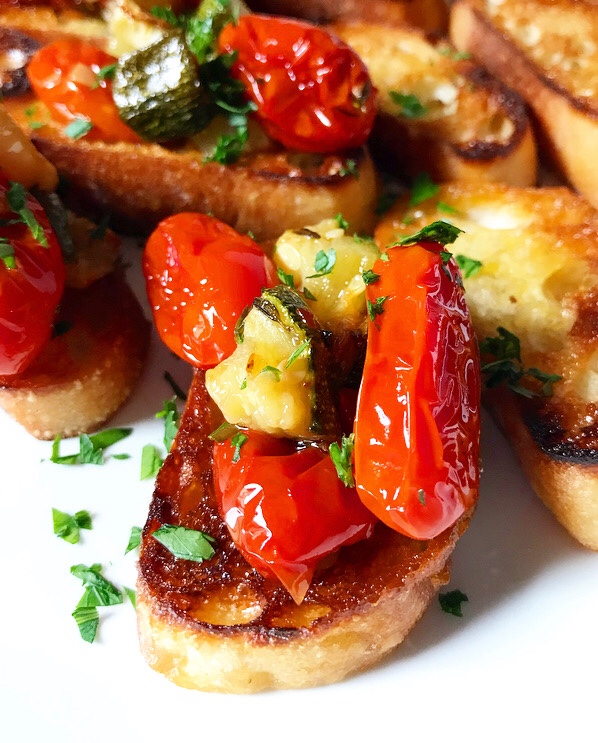 Unlike the other recipes I’ve posted from our trip, this one was not part of the plan. I was sitting on the Swan’s Island Library internet porch on our second-to-last night trying to think up ways to use the last of our produce, when I saw Chanie Apfelbaum* talking about garlic confit in her Instagram Stories. When I got back to the cottage a little later, I proceeded to make confit from some grape tomatoes and zucchini that were languishing in the fridge and toss it with some red lentil pasta. And it was good. So good that we ate it again for lunch the next day. So good that it was the first thing I cooked when I got home to Brooklyn. So good that I’m here writing about it because it’s so good, you should make it.
*I follow a number of Kosher food blogs, as I make many Shabbat dinners and holiday meals throughout the year. Chanie’s is one of the best.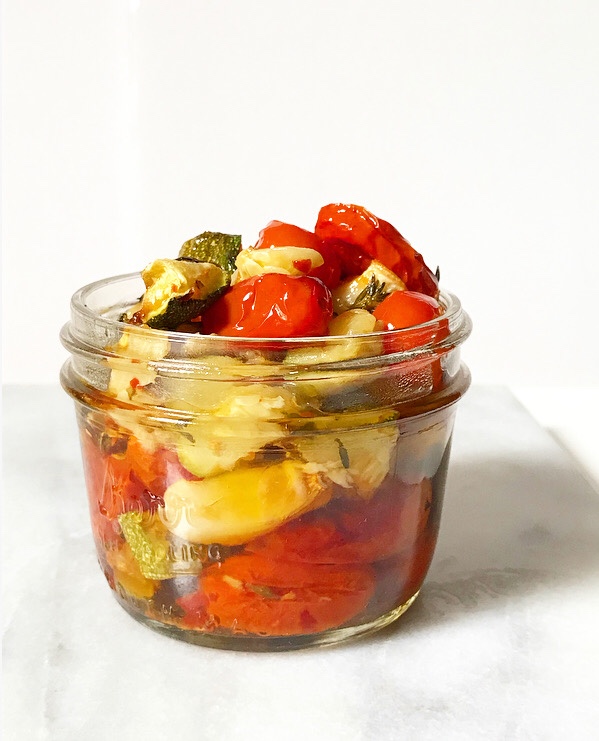 Now, you’ve almost certainly heard of confit, most likely in association with duck. The word itself comes from the French word confire—literally “to preserve.” A confit is a preserve created by slow-cooking a food in fat or sugar. Today, we’re confit-ing tomatoes, zucchini and garlic in olive oil.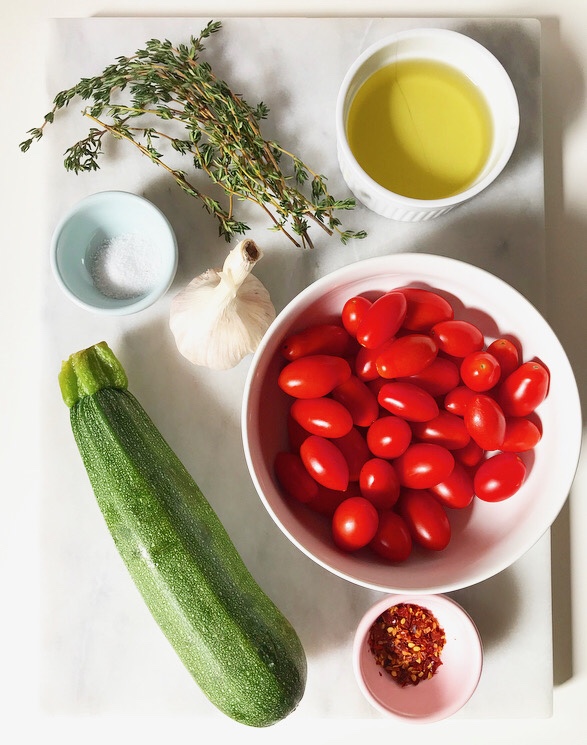
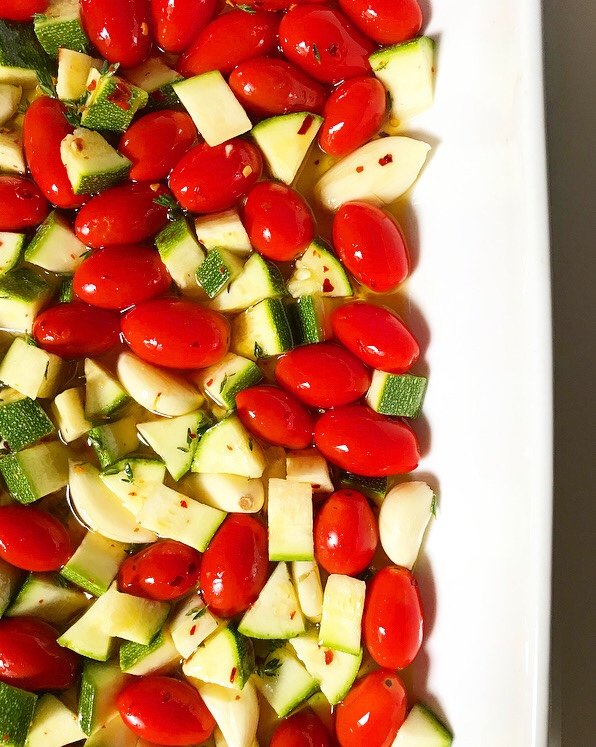
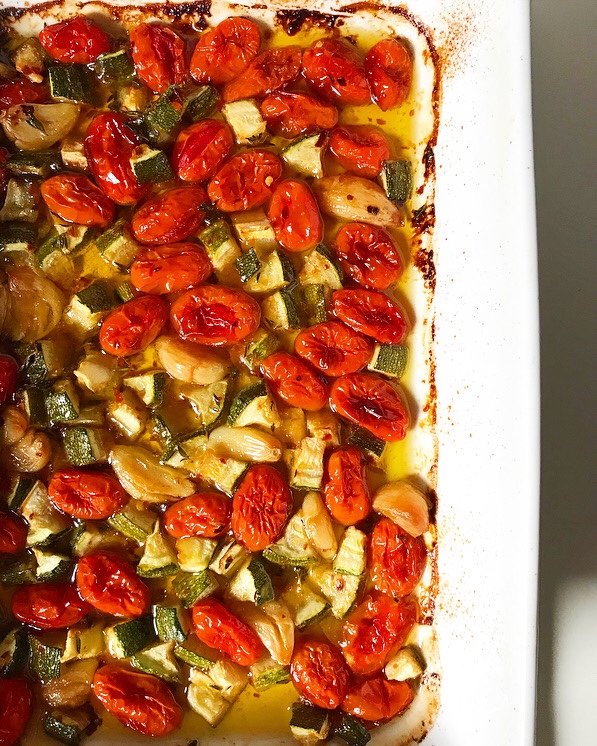 Making this confit couldn’t be simpler. Start by tipping a pint of grape tomatoes, some diced zucchini and an entire head’s-worth of garlic cloves into a casserole dish. Season them with thyme, red pepper flakes and salt. Stir in 3/4 cup of olive oil and slow-roast until it’s all soft, caramelized, and fragrant. That’s it.
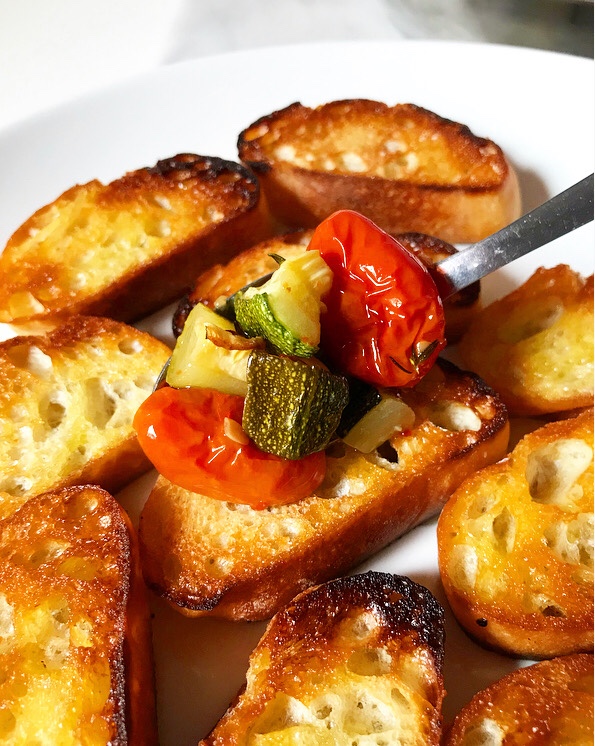 The sky’s the limit on applications. Tomato & Zucchini Confit can be stirred into pasta , grains or beans for a quick meal, or used to garnish chicken or fish. For this post, I just spooned it onto some baguette slices that were toasted in olive oil and called it crostini. Really, put this on anything that could use a touch of herby, savory, garlicky tomato & zucchini. (I think you’ll find that that’s most things.)
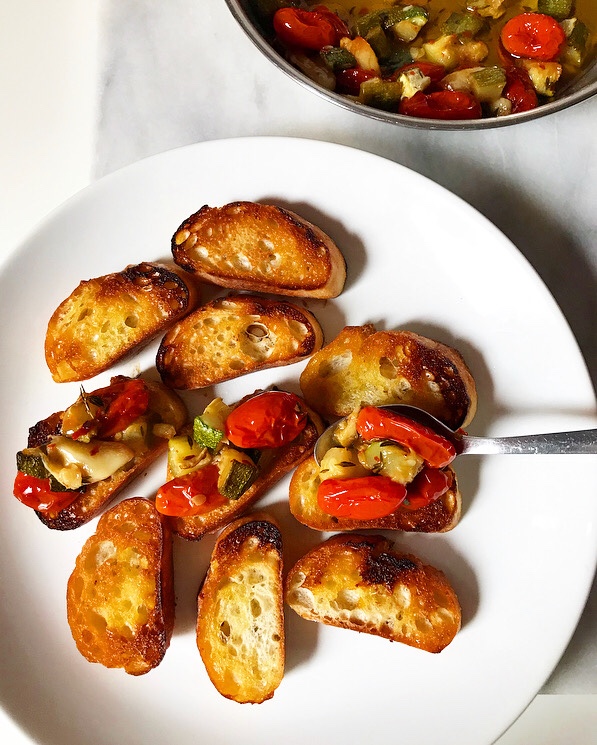 I’ve written this recipe so that the oven is at 300F and the confit cooks for about an hour, but you can go even lower and slower (think 250F for 2 or even 3 hours) for greater depth of flavor. I think it’s pretty wonderful as is though.
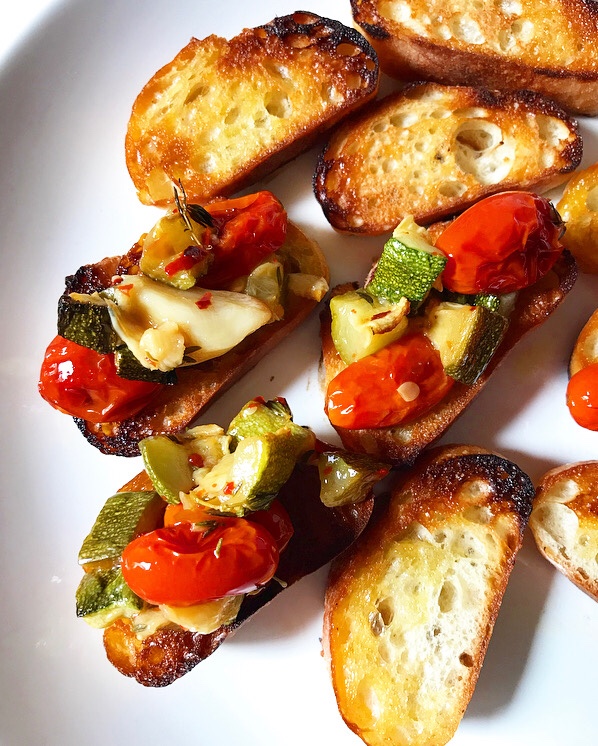 Tomato & Zucchini Confit is great the day it’s made, but since it’s a preserve, one batch can last a while. Once it has cooled, just pile it into a jar, top it off with olive oil so that none of the tomato, zucchini or garlic is exposed, and store it in the fridge. When you’re ready to serve it, bring the confit back to room temperature. When you’ve had your fill, top the leftovers with more oil and refrigerate the jar again for up to two weeks. If you’re anything like me though, it won’t be around longer than a few days.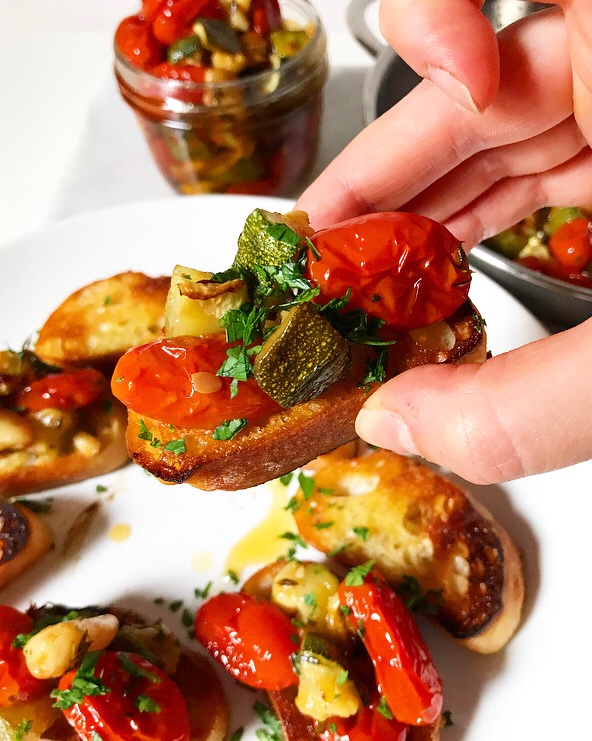
Tomato & Zucchini Confit
makes about 2 cups
1 head garlic
1 dry pint grape tomatoes, whole
1 large zucchini, 1/2-inch dice
1 tablespoon fresh thyme leaves (or 1 teaspoon dried)
1/2-1 teaspoon red pepper flakes
1 teaspoon fine sea salt
3/4 cup olive oil
Serving suggestions:
toasted baguette
pasta
cooked grains
beans
chicken or fish
Preheat the oven to 300F.
Separate all the cloves on a head of garlic and peel them; I like to do this by smashing each one with the flat side of a large chef’s knife and slipping off the skins with my fingers.
Place peeled garlic, tomatoes and zucchini in a large casserole dish. Scatter thyme, red pepper flakes and salt over the top. Pour in olive oil and carefully stir to combine. Bake uncovered for 60-75 minutes, or until tomatoes and garlic have begun to caramelize and everything is fragrant.
Let confit cool at room temperature before transferring to a jar with a tight-fitting lid. Top with extra olive oil if anything is exposed before storing in the refrigerator. Tomato & Zucchini Confit will keep in the refrigerator for up to a couple of weeks.
Bring to room temperature before serving. Continue to top the jar off with more olive oil before storing.


 The last morning on
  But it’s also time for one last good breakfast. Since
  Initially, she may have regretted this. I had it in my head that my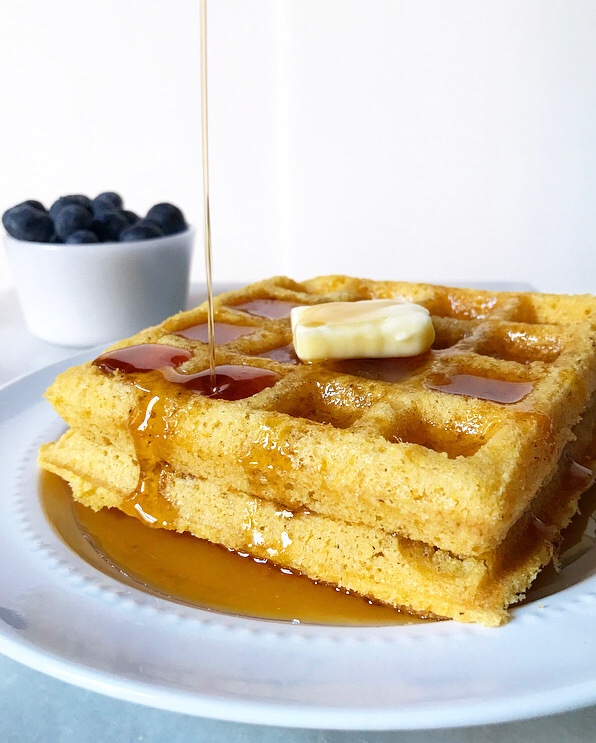
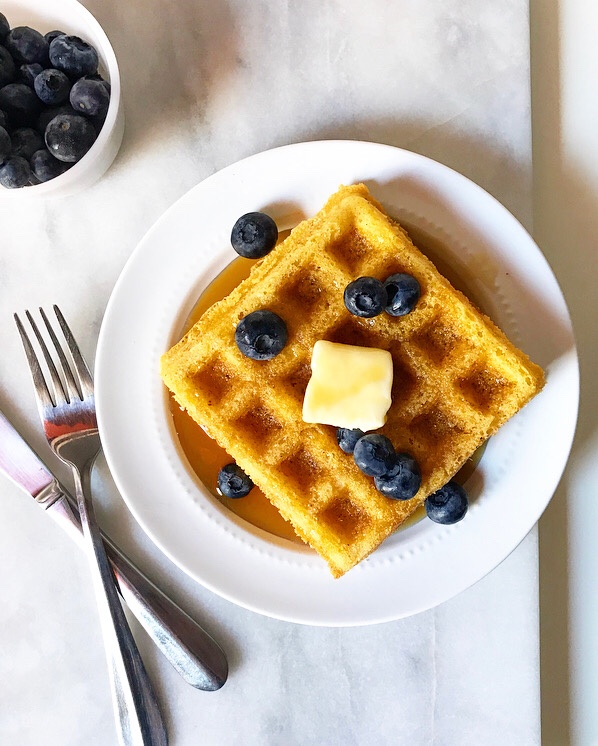 You can see where this is going—the first round was akin to cornmeal styrofoam. Turns out, waffle batter generally needs to be thinner than pancake batter, lest the final product be tough, dry and heavy. We ate the waffles anyway (bad waffles are still waffles), but it took two days and neither of us was particularly jazzed about it. Needless to say, I was a little disheartened, and spent a couple of days writing and rewriting the recipe until I was ready to try again on the final morning.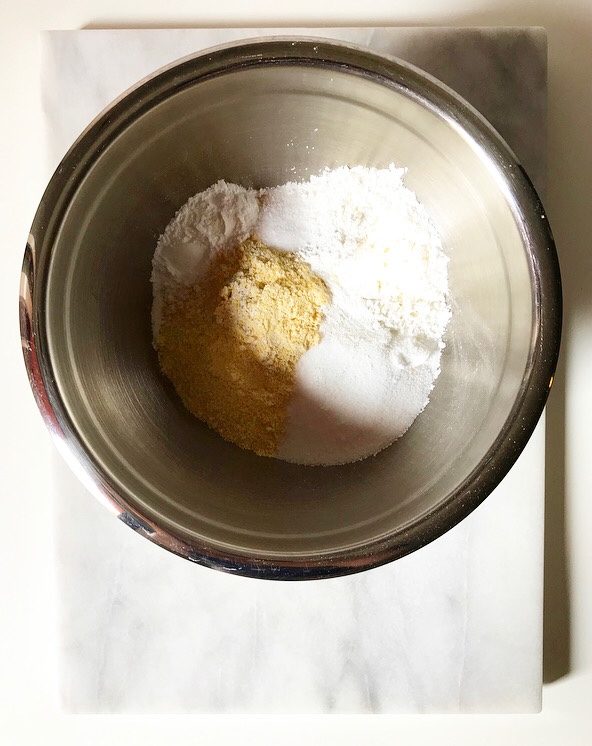
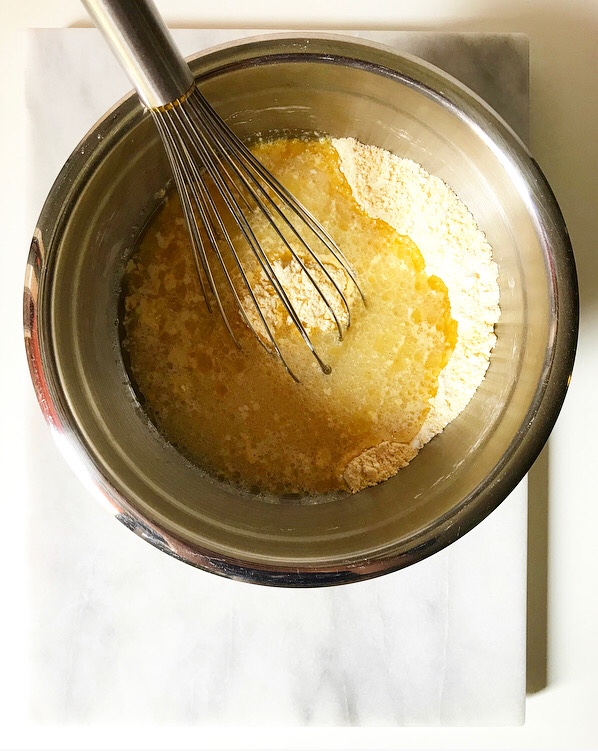
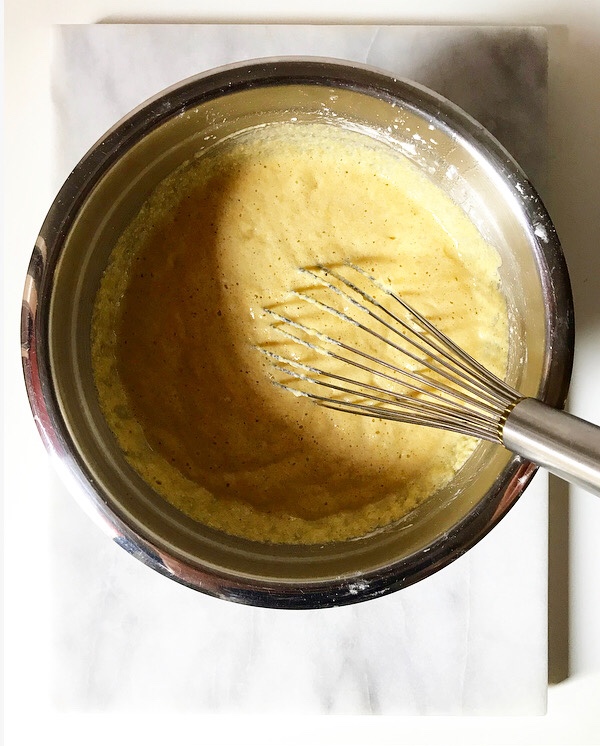 As I began mixing together dry ingredients and measuring out aquafaba and oil, I started to worry that round two would be disastrous too, but I ladled the batter into the iron anyway. VJ and I had an unspoken agreement that we would eat the results, no matter how awful.
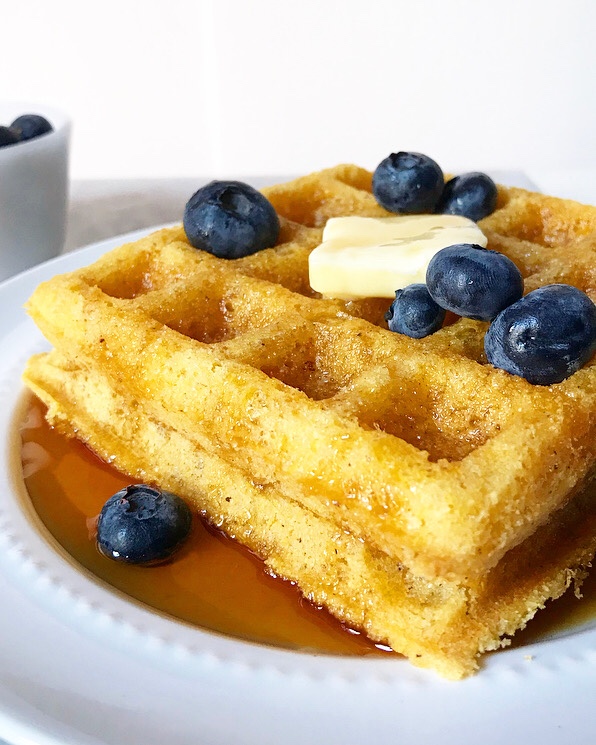
 But we were pleasantly surprised. My adjustments—reducing the cornmeal and doubling the aquafaba (chickpea canning liquid/egg substitute)—had worked, producing lighter, softer waffles with crisp edges and a good corn flavor. We finished them in one sitting. No arduous styrofoam-esque breakfasts here!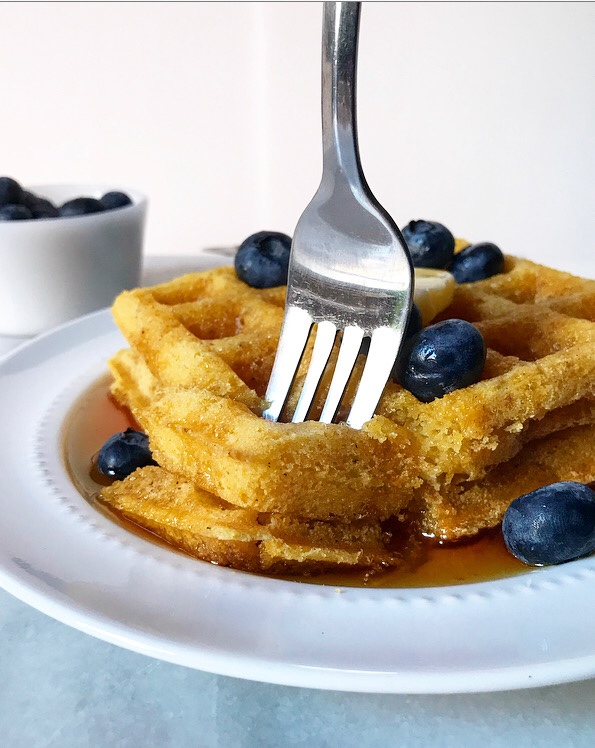
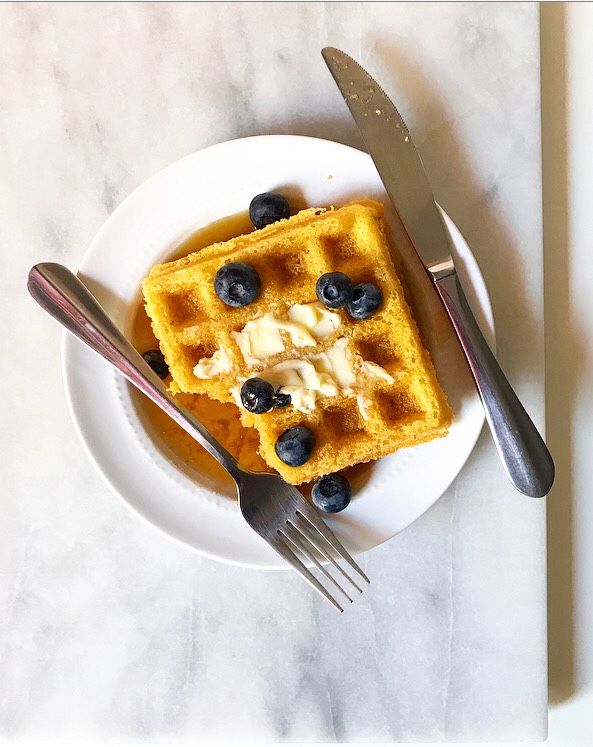 Long story short, in addition to my haul from the vintage stores, this vacation also resulted in my purchase of a waffle maker. I’ve been home for about six days now and have already gotten a good return on my investment: I’ve made this recipe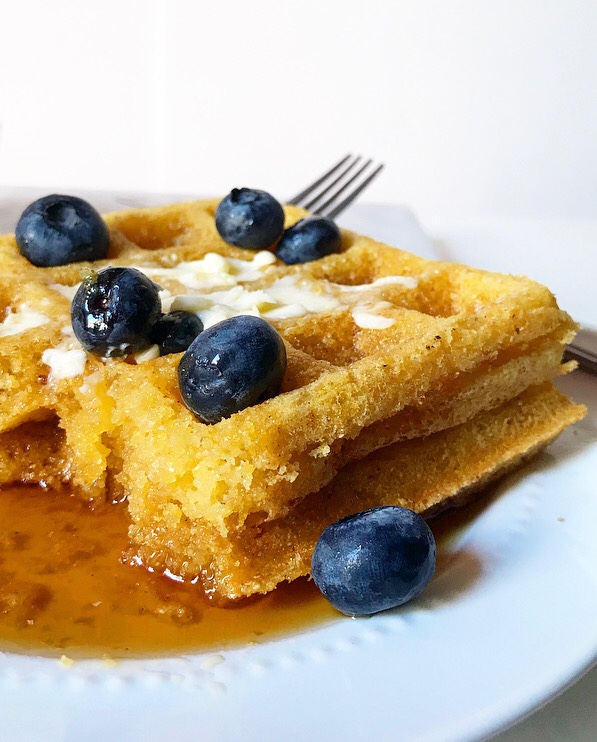




 Hi there! Long time, no blog.
 That doesn’t mean I didn’t cook though. Vacationing on a remote island means spending time in the kitchen is a necessity, and for me,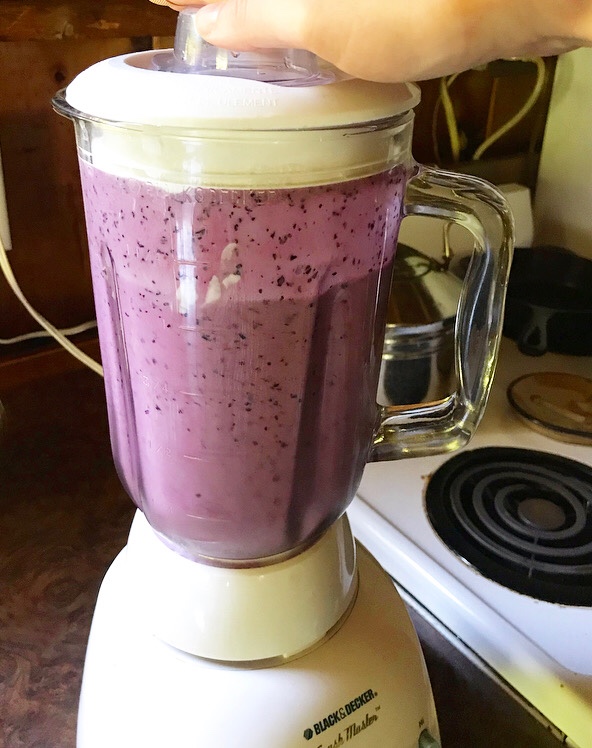
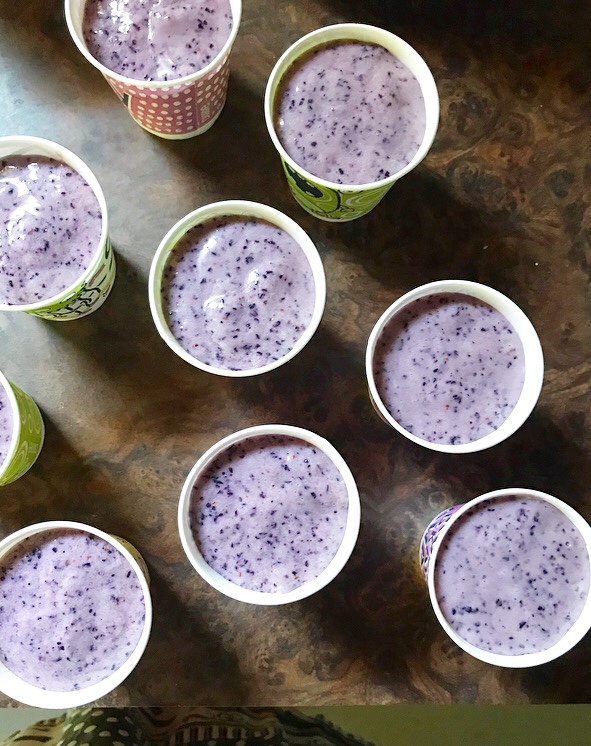 This time around, we already had blueberries (because Maine), maple syrup (because waffles), and vanilla (because I’m a baker) on the list, and I had packed a blender (because
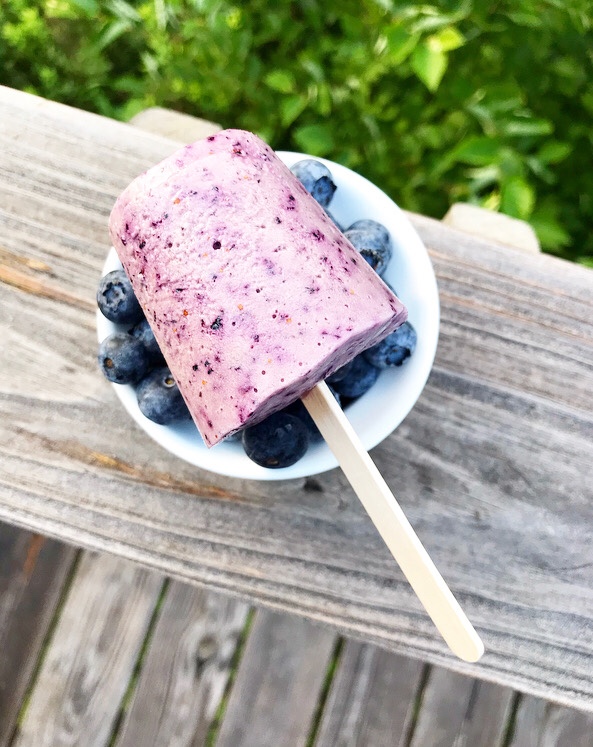
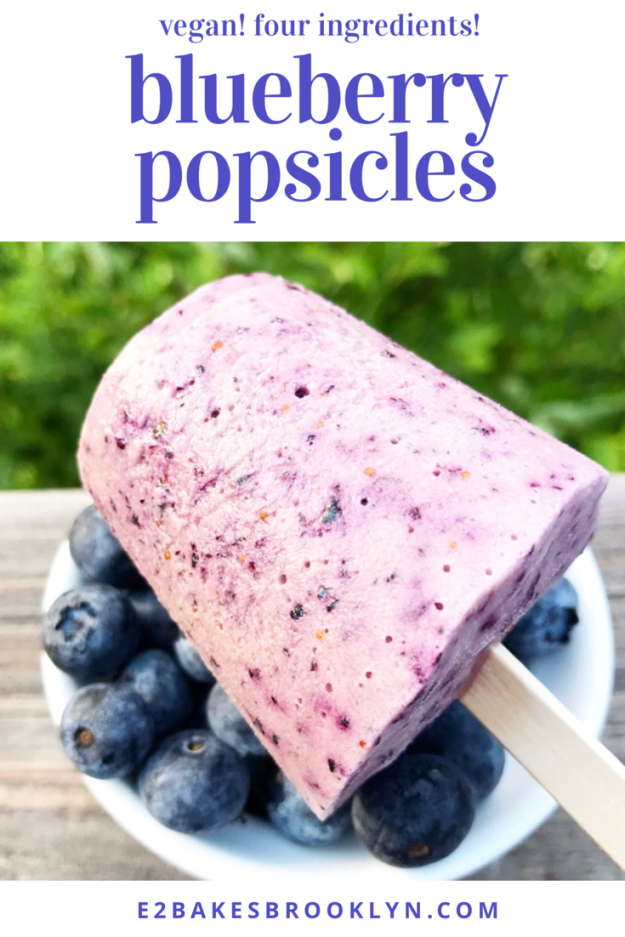
 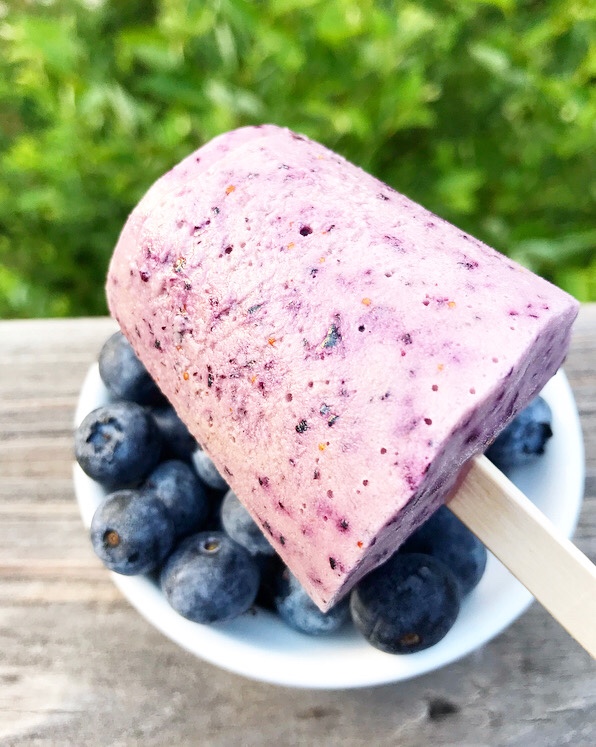 These are the perfect easy summer dessert! They require the bare minimum of effort and ingredients, but deliver big-time on icy texture and creamy blueberry flavor. Oh, and they’re vegan, so your gluten-free vegan co-traveler can enjoy them too.
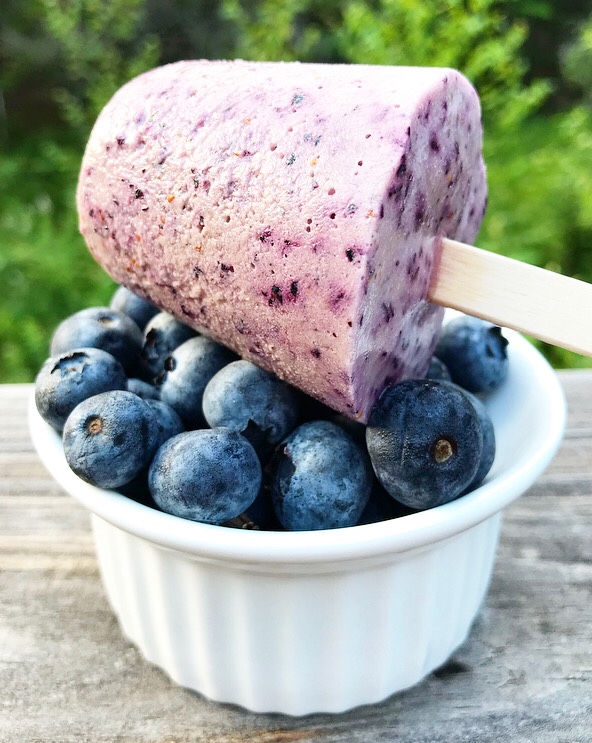 There are four steps to making Blueberry Popsicles: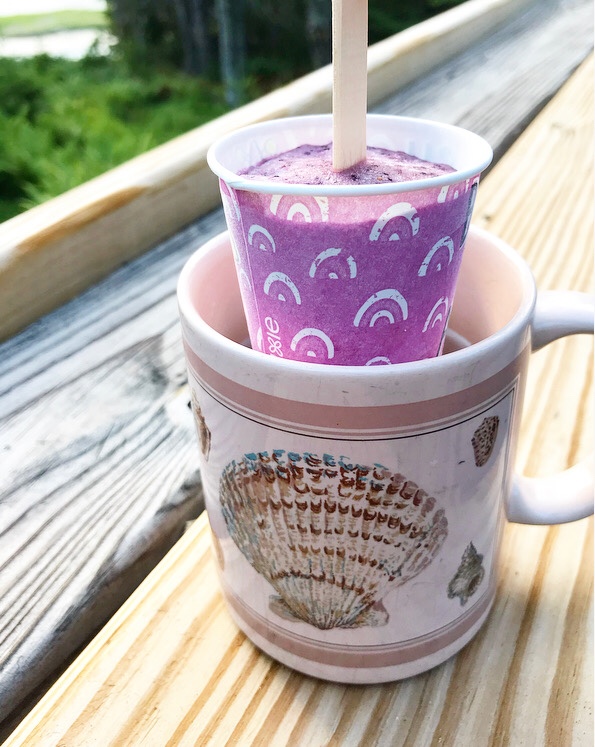
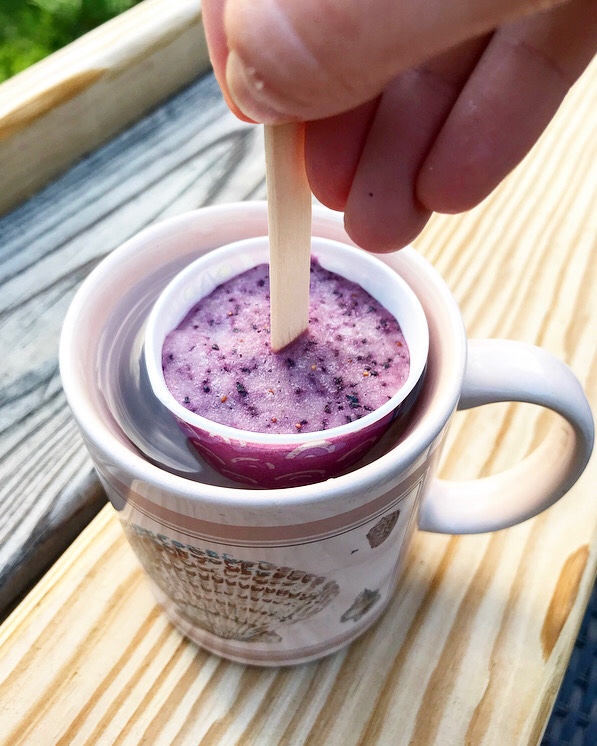 All that’s left to do is unmold and enjoy them on a patio in
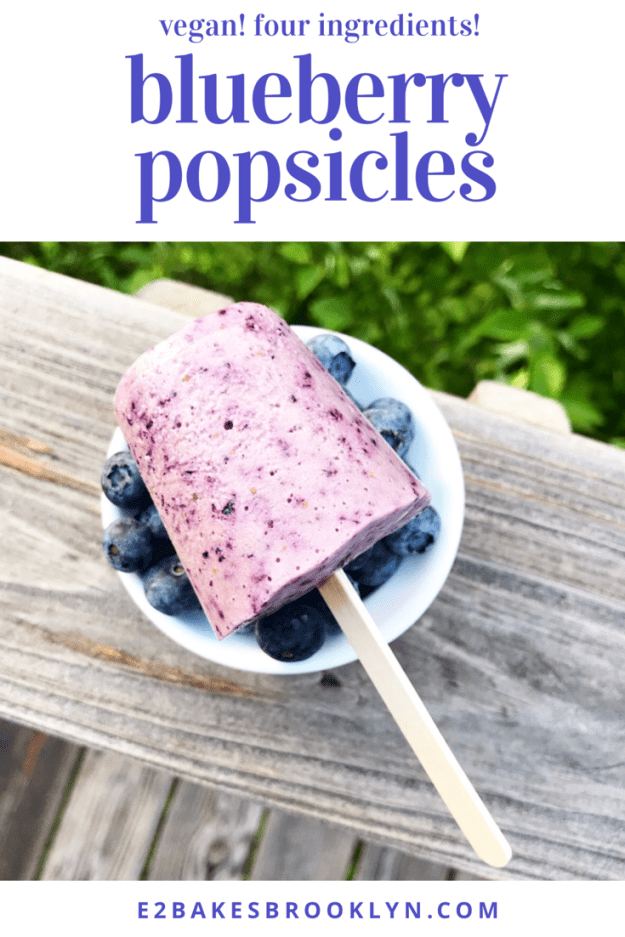
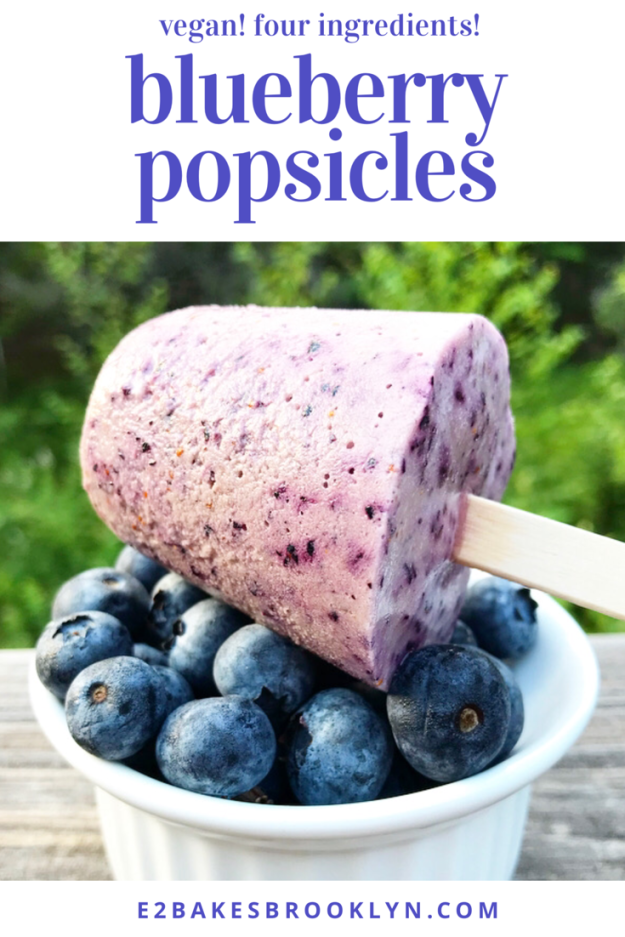
 Hello from

 I am only doing things that I want to do this week, which have thus far included thrifting, reading an actual book, re-seasoning our cottage’s abused cast iron, going to another island to see whale bones, and eating waffles twice because my friend/co-traveler/fellow Swan’s Island enthusiast, VJ, thought to bring her waffle iron and has been kind enough to let me mess with it.
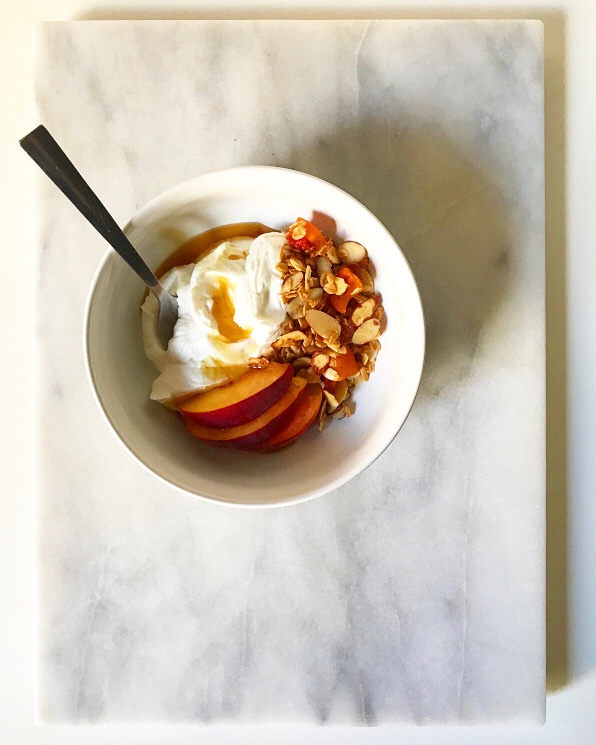
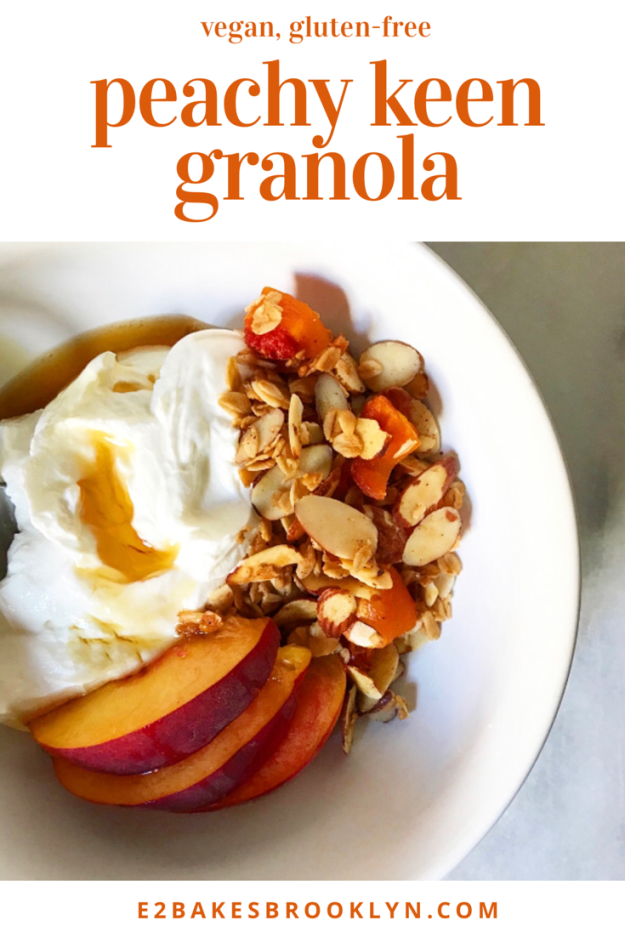
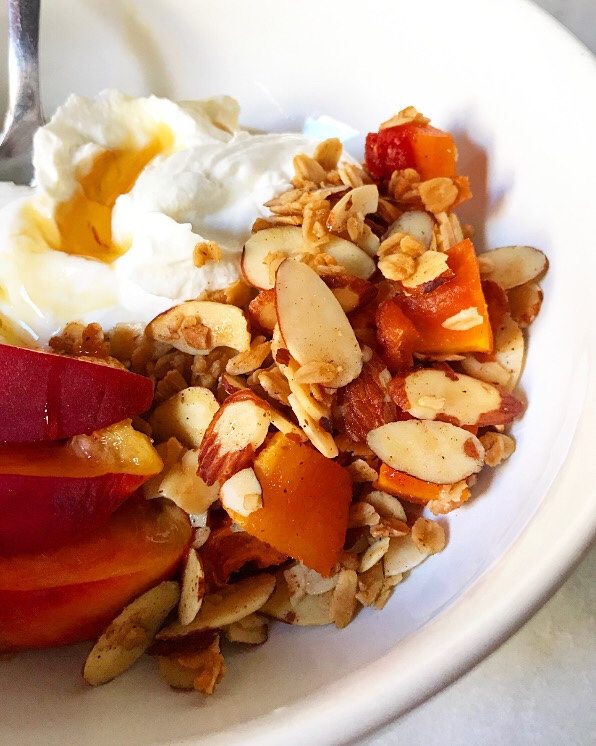 I, however, am the Granola Queen. In an effort over the last few years to create a breakfast item that we could both enjoy, I’ve created three granola recipes in anticipation of our trips to Maine. They’re all vegan and gluten-free (aka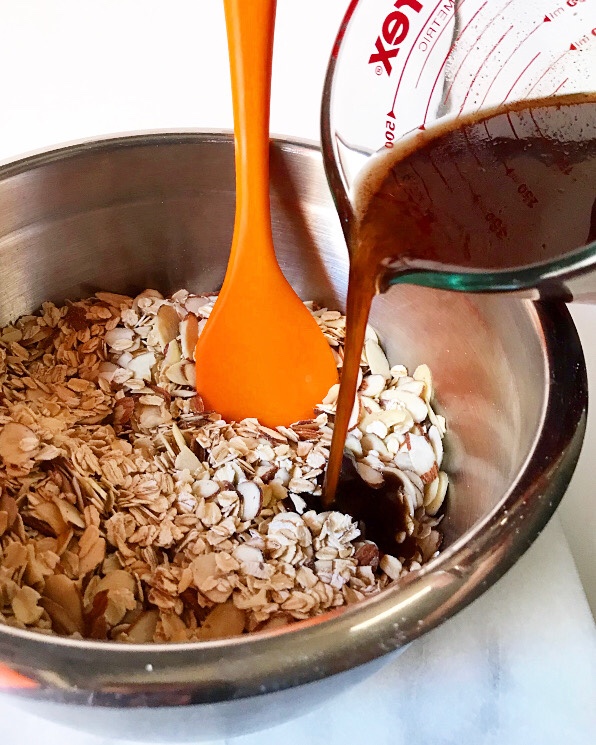
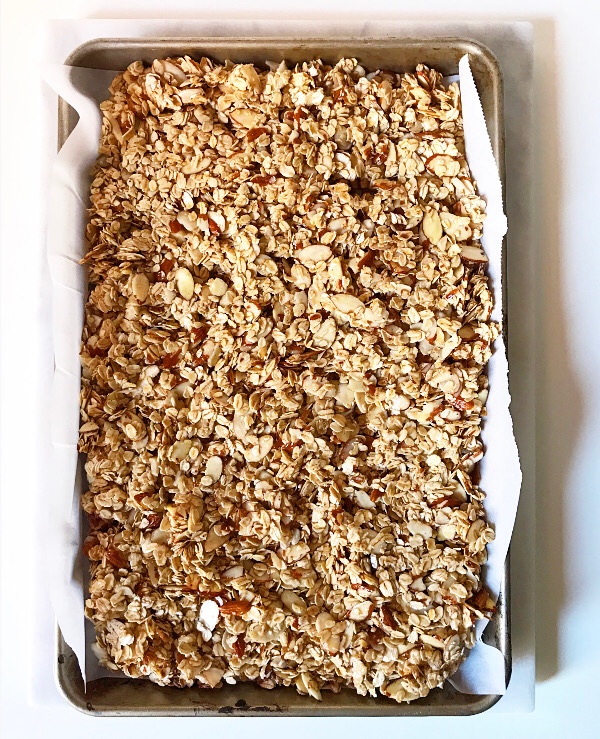
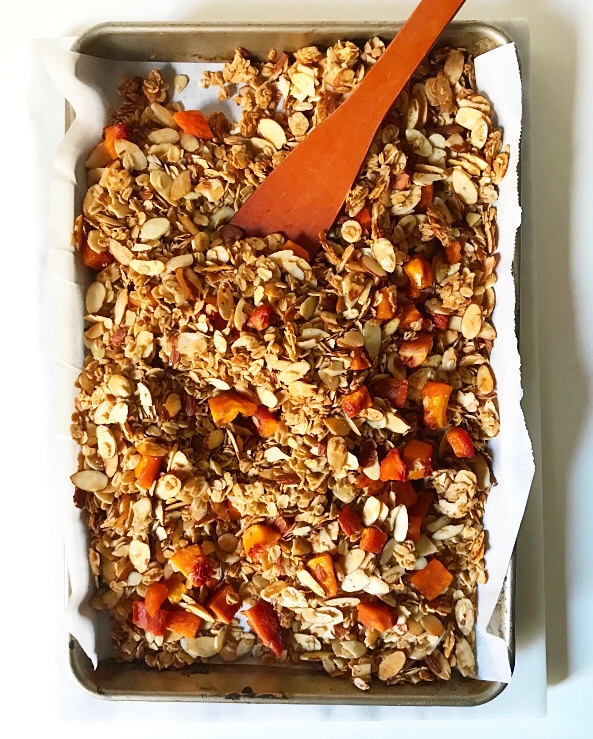 I will not apologize for the cutesy name, or this granola for that matter. It’s my first new variation in
 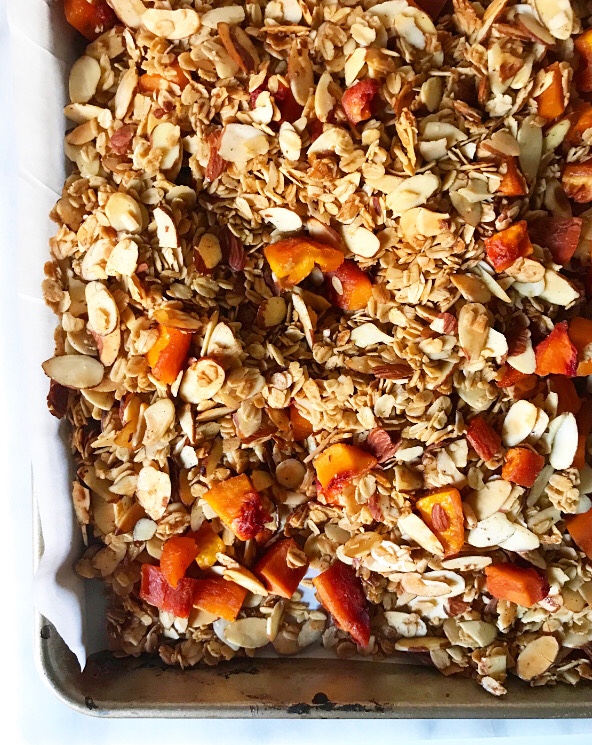 Made with dried peaches, almond extract and pie spices in addition to the usual oats, nuts, maple syrup and olive oil, this is the stuff my summer breakfast dreams are made of.
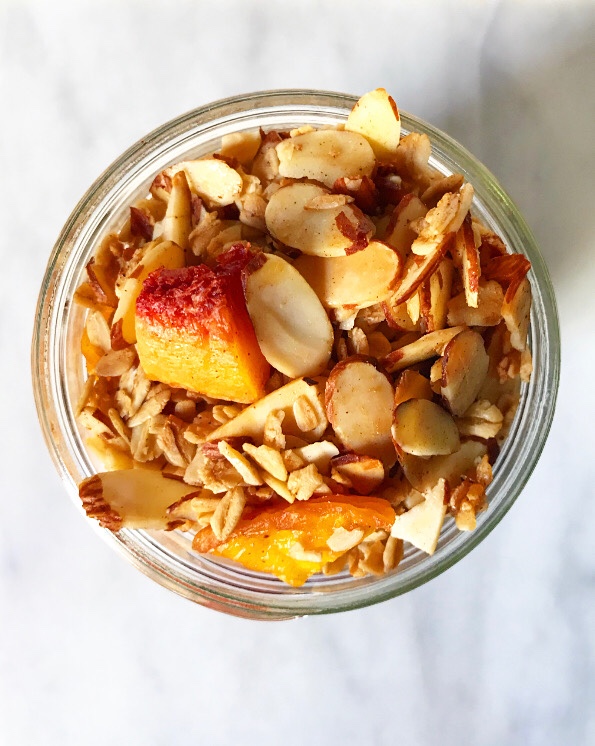 That goes double when eaten in my own personal paradise. Peachy keen, indeed.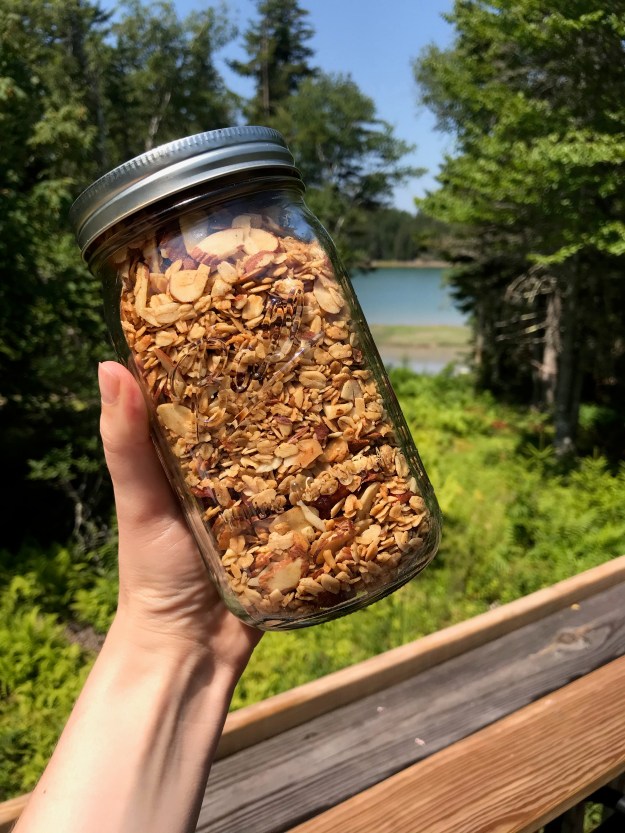

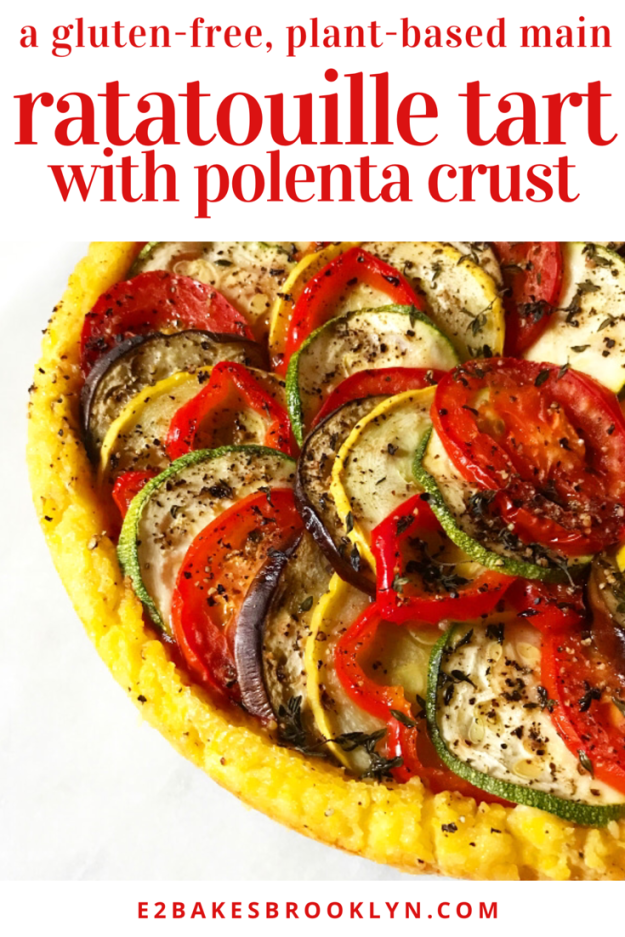
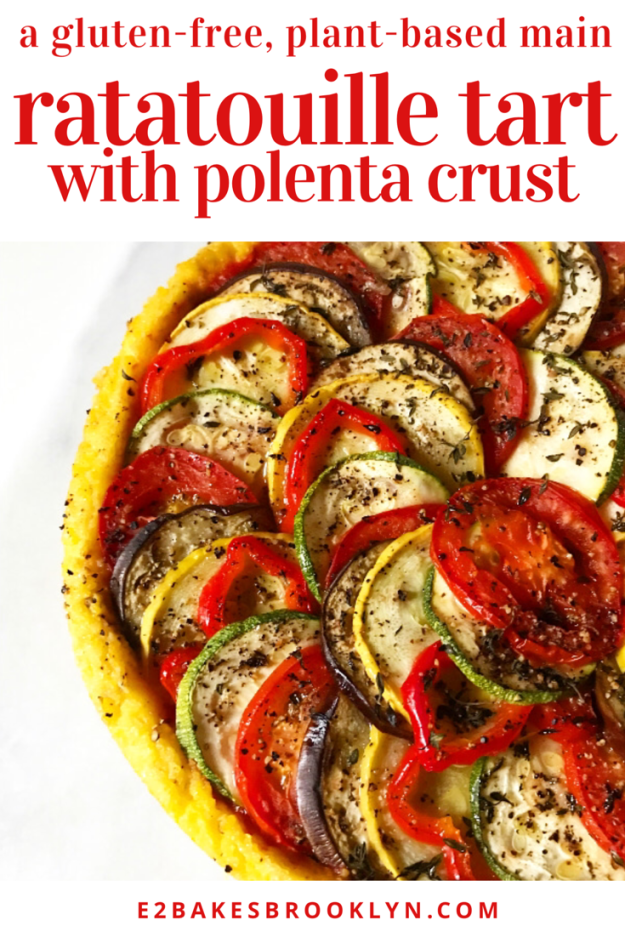
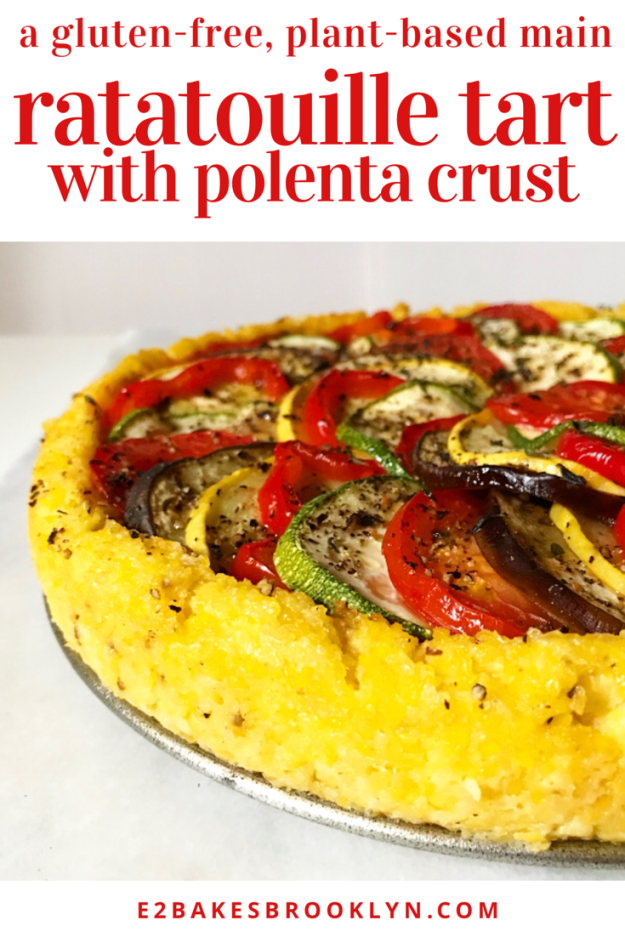
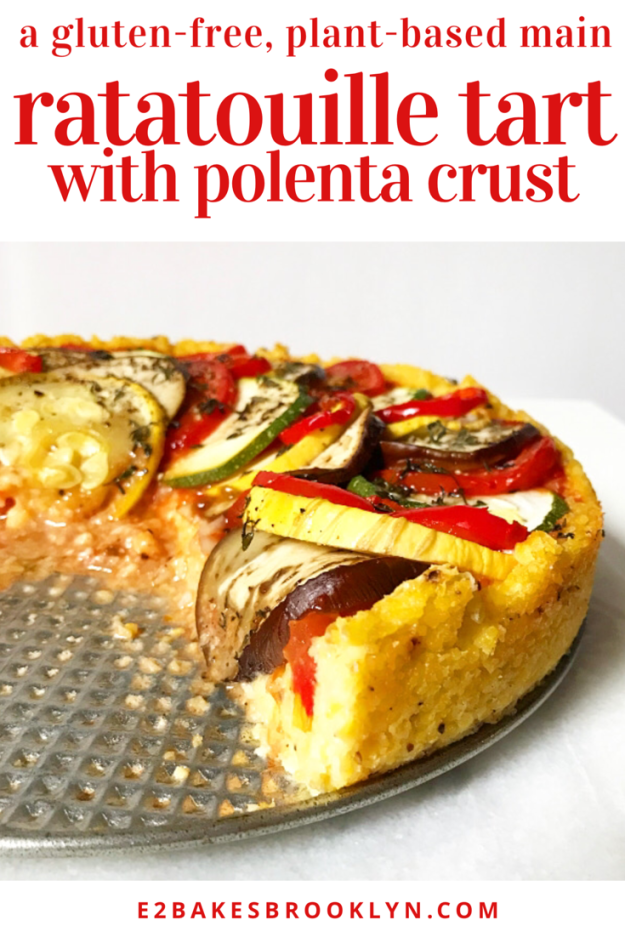
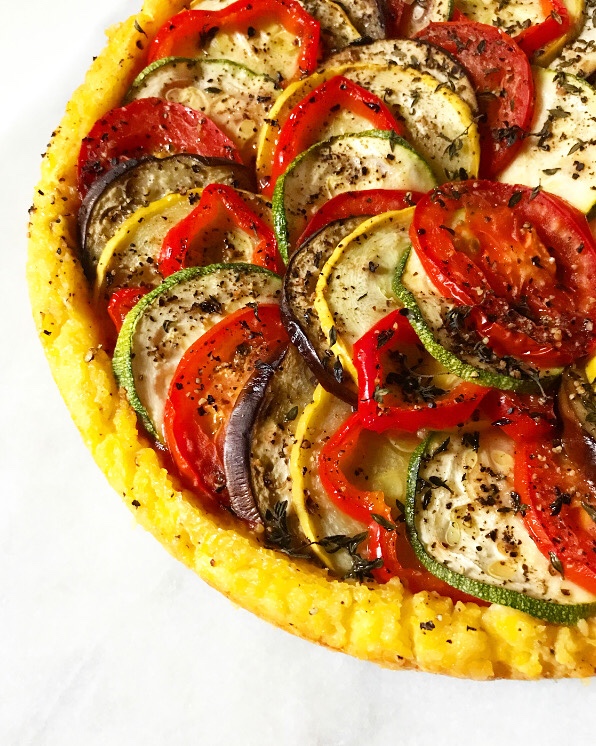 If you’re searching for a plant-based summer recipe that is as visually striking as it is delicious, look no further. This Ratatouille Tart with Polenta Crust combines two of my favorite things—simply-prepared vegetables and soft corn
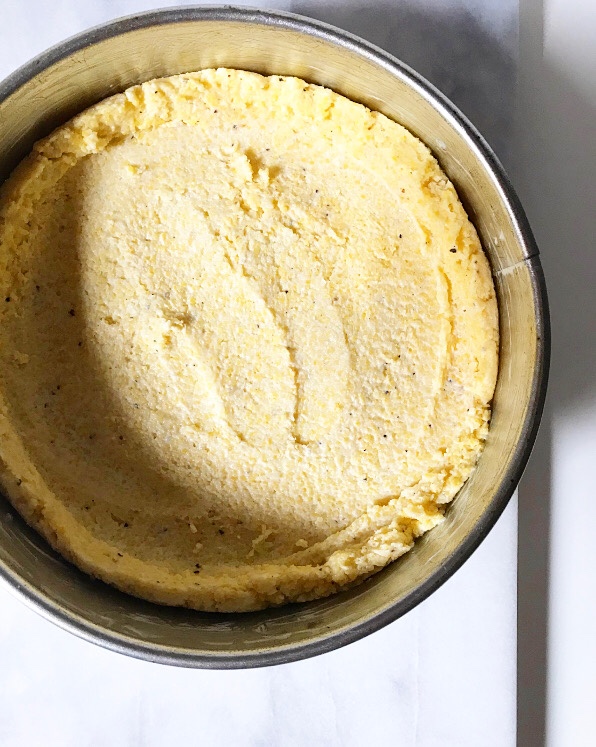 While this recipe takes some time to prepare, none of the steps are difficult and the results are more than worth the effort! You can make things easier for yourself by preparing the polenta and forming the crust a day ahead.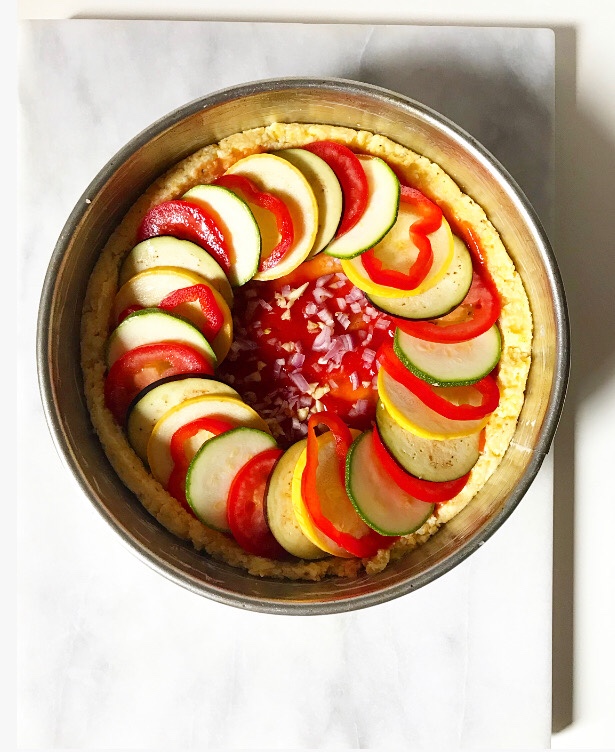
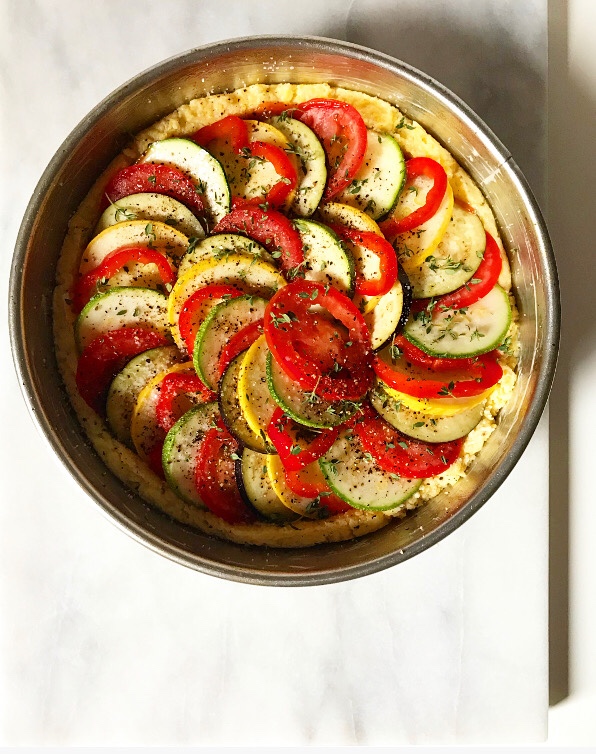 When you’re ready to bake, spread on some tomato sauce and slice up a bunch of summer produce. If you’re a little fancier than I am and have a mandoline, this would be a great time to use it.
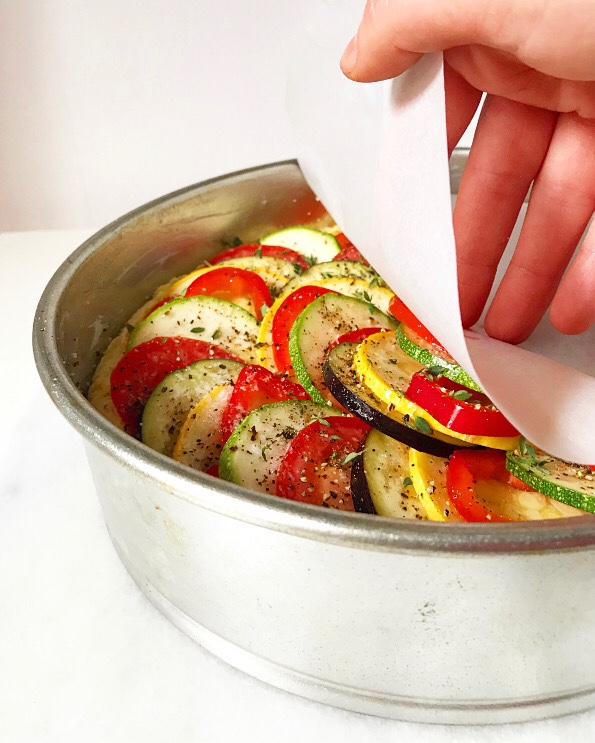 Assemble the tart by arranging the sliced vegetables in concentric circles and finishing them off with olive oil and fresh thyme. Cover the whole thing with a parchment round to ensure that everything cooks evenly. And then…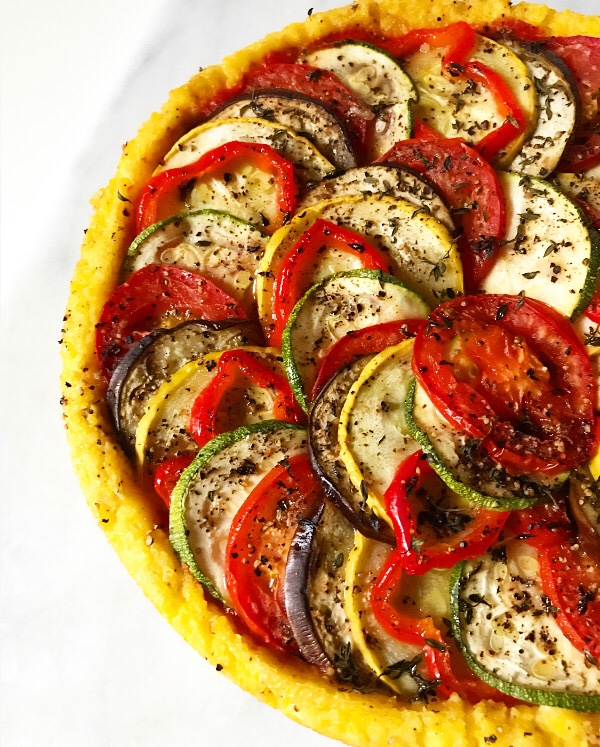
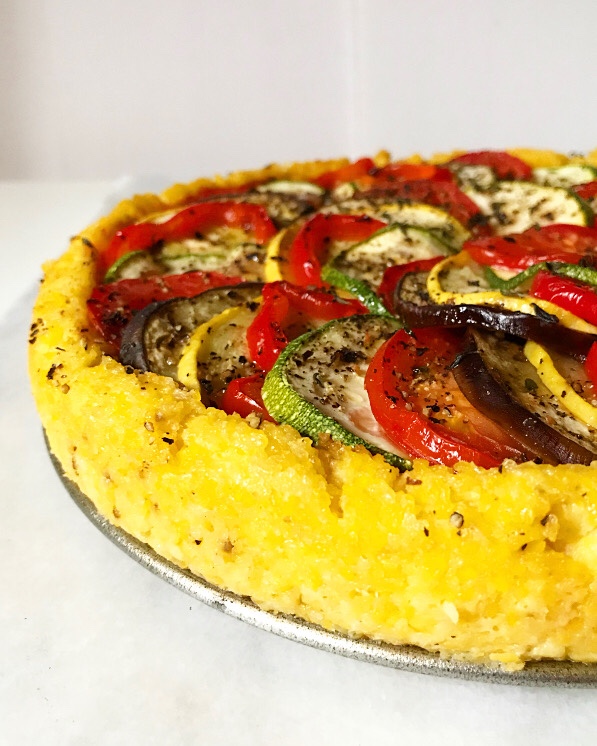 …well, let’s just say I’ll pray for you during the thirty minutes between baking and slicing. I promise it’ll be worth the wait. I mean, when are polenta and ratatouille not worth the wait?!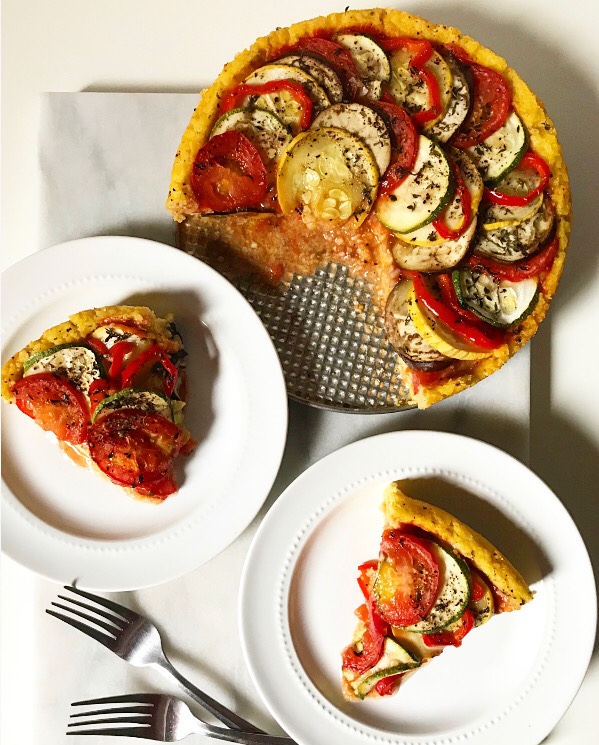
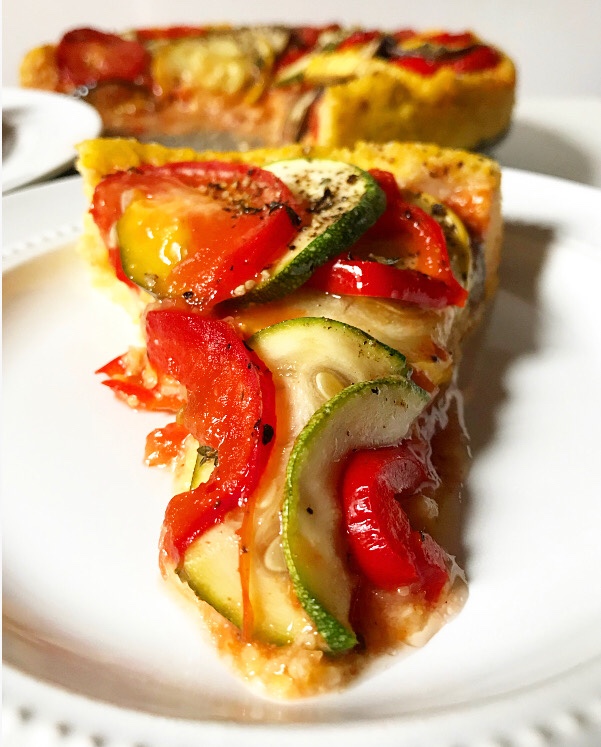 I love this tart when it’s fresh, but you should know that it slices particularly well at room temperature and cold, meaning this is a great make-ahead option. The tart pictured here was made on a Monday and reheated by the slice for lunches all week long.
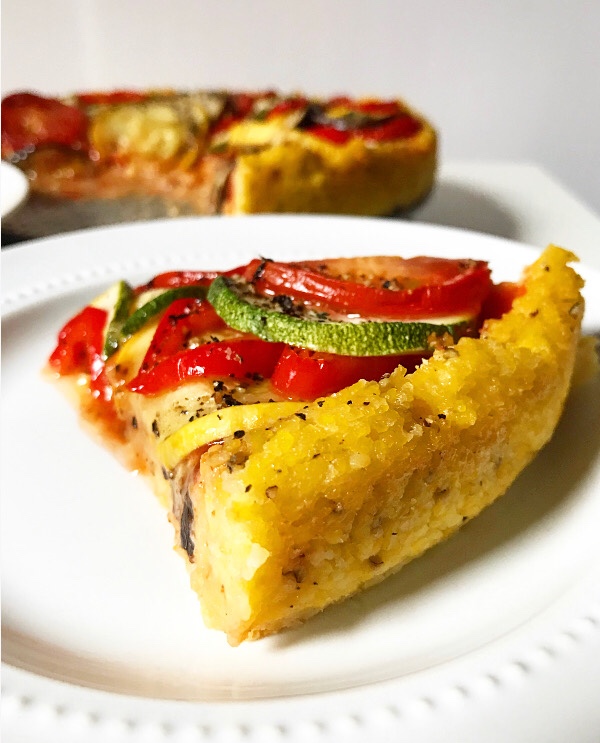 It was exactly as wonderful as it looks.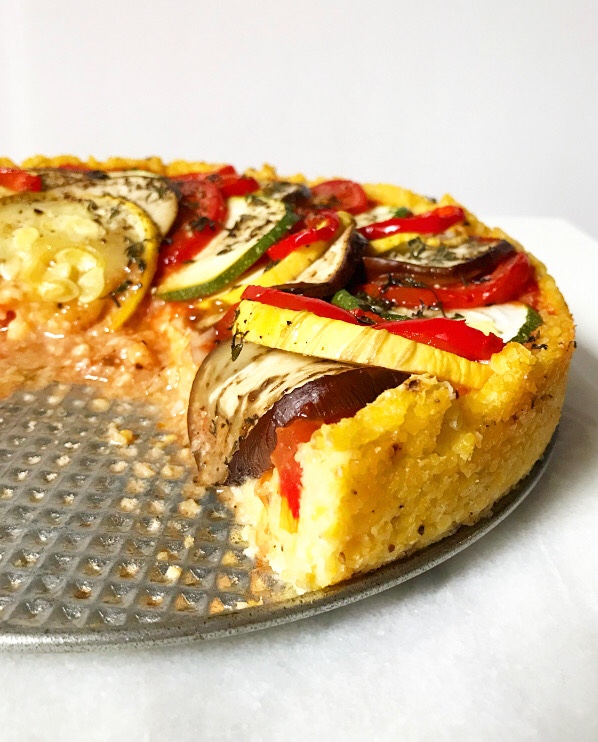
 e2 bakes brooklyn