Category Archives: thanksgiving

Black Bottom Caramel Oatmeal Pie

Black Bottom Caramel Oatmeal ​Pie

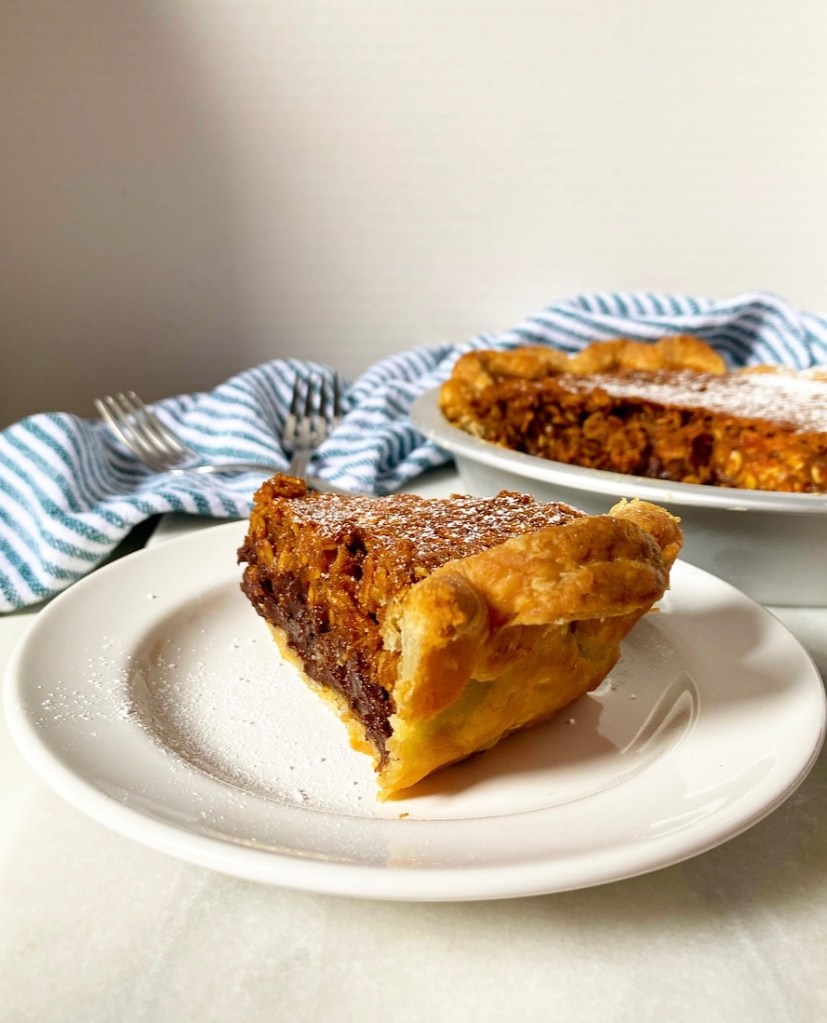
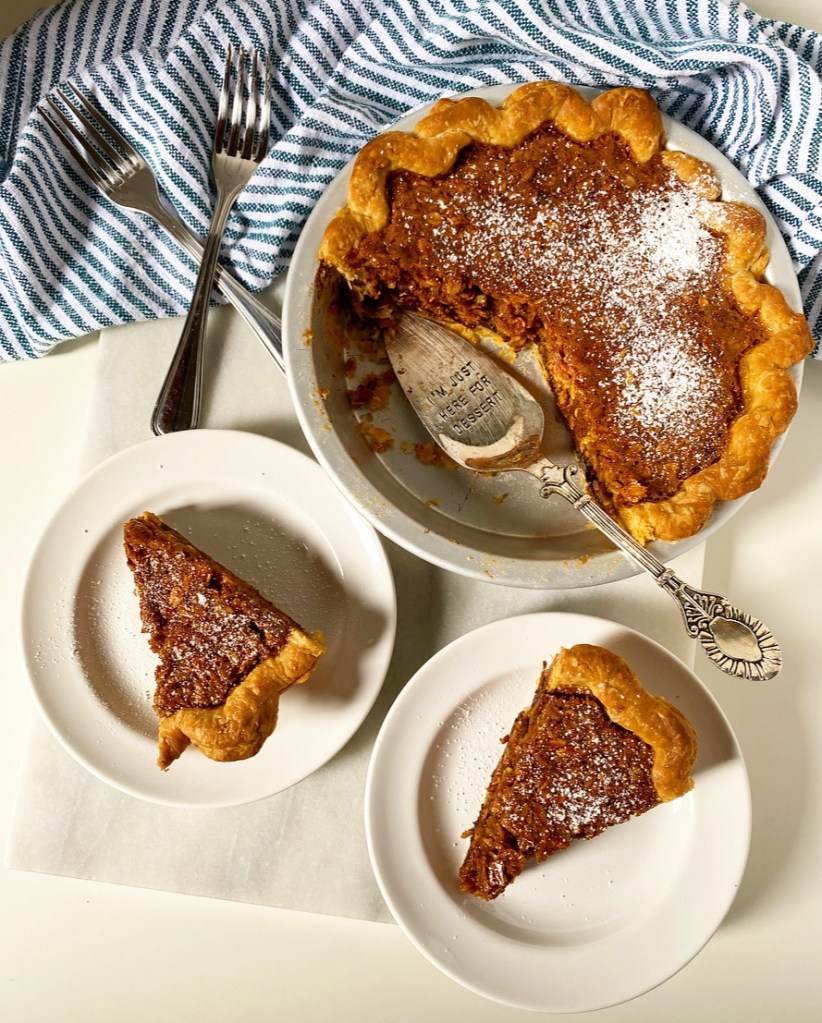
Just before I started my blog, Brooklyn’s favorite pie shop, Four & Twenty Blackbirds, released a recipe for their Black Bottom Oatmeal Pie and everyone in the food world lost their minds over it. And for good reason. That pie is an old fashioned favorite: essentially a pecan pie with toasted oats instead of nuts, all suspended over a puddle of dark chocolate ganache—a triumph, if you ask me.
Black Bottom Caramel Oatmeal ​Pie

But, as you have probably noticed, I cannot leave well enough alone. I can’t just leave a recipe the way it is. I can’t! I’ve been looking at this perfect pie for six Thanksgivings thinking “but what if you made it with caramel?”
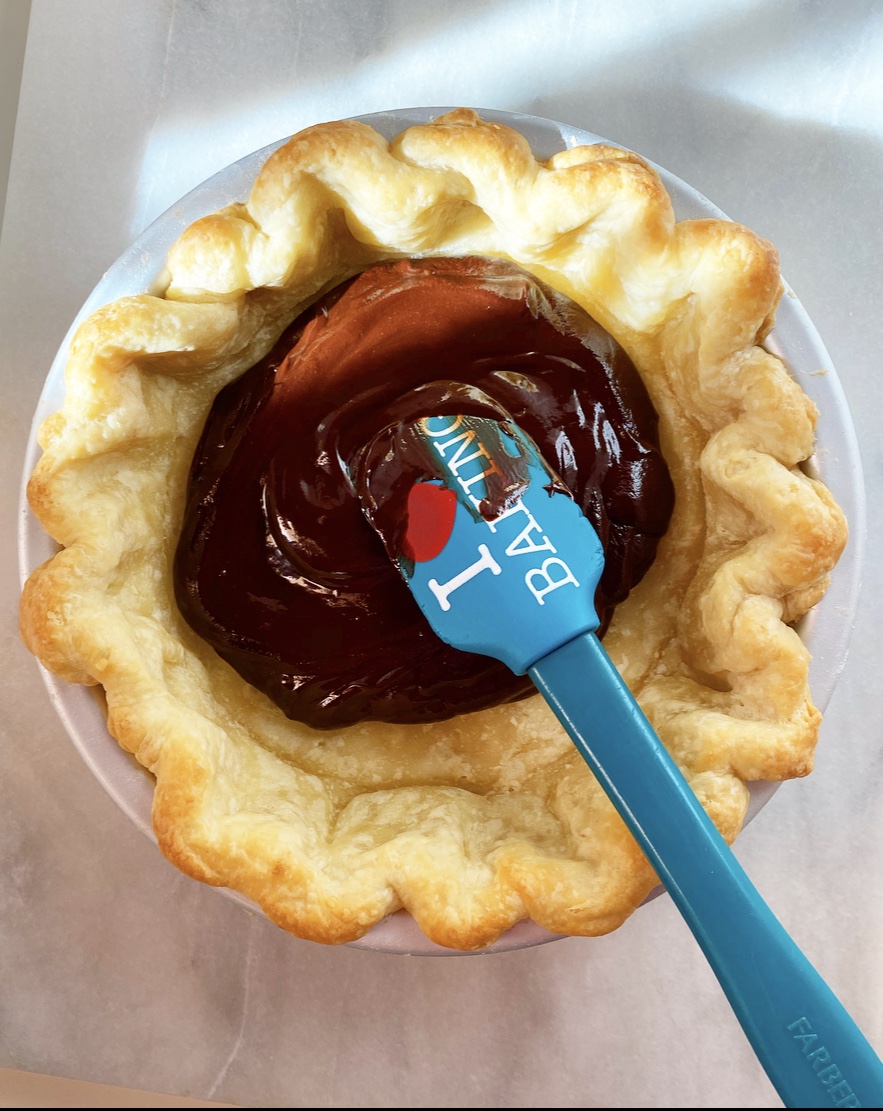
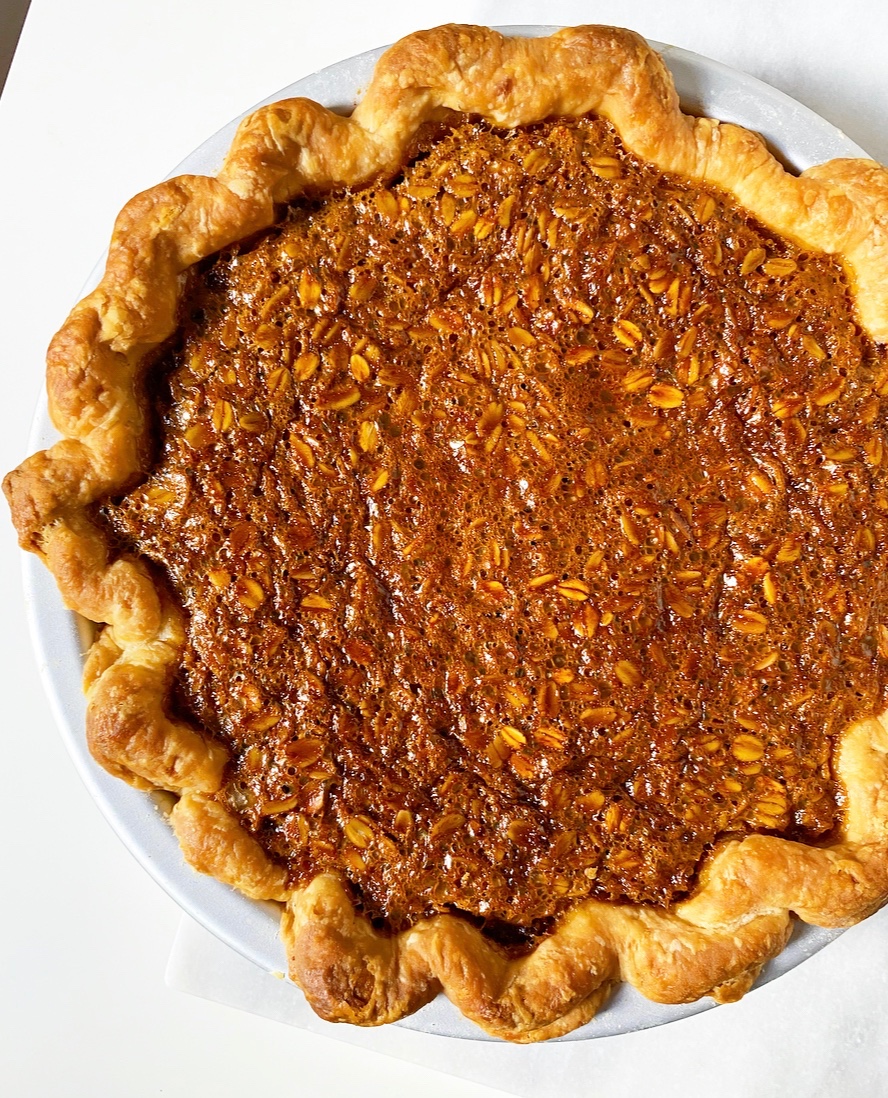
Well, I finally got myself together and did just that. I made the pie with luxurious homemade caramel instead of the usual invert sugars, adjusting for time and texture, and it came out magnificently. Now I just wish I hadn’t waited six whole freaking years to experience this rich, buttery, oat-studded caramel & dark chocolate masterpiece. I mean, I know I’ve made lots of other delicious things, but my goodness, I need to make up for lost time with this one.

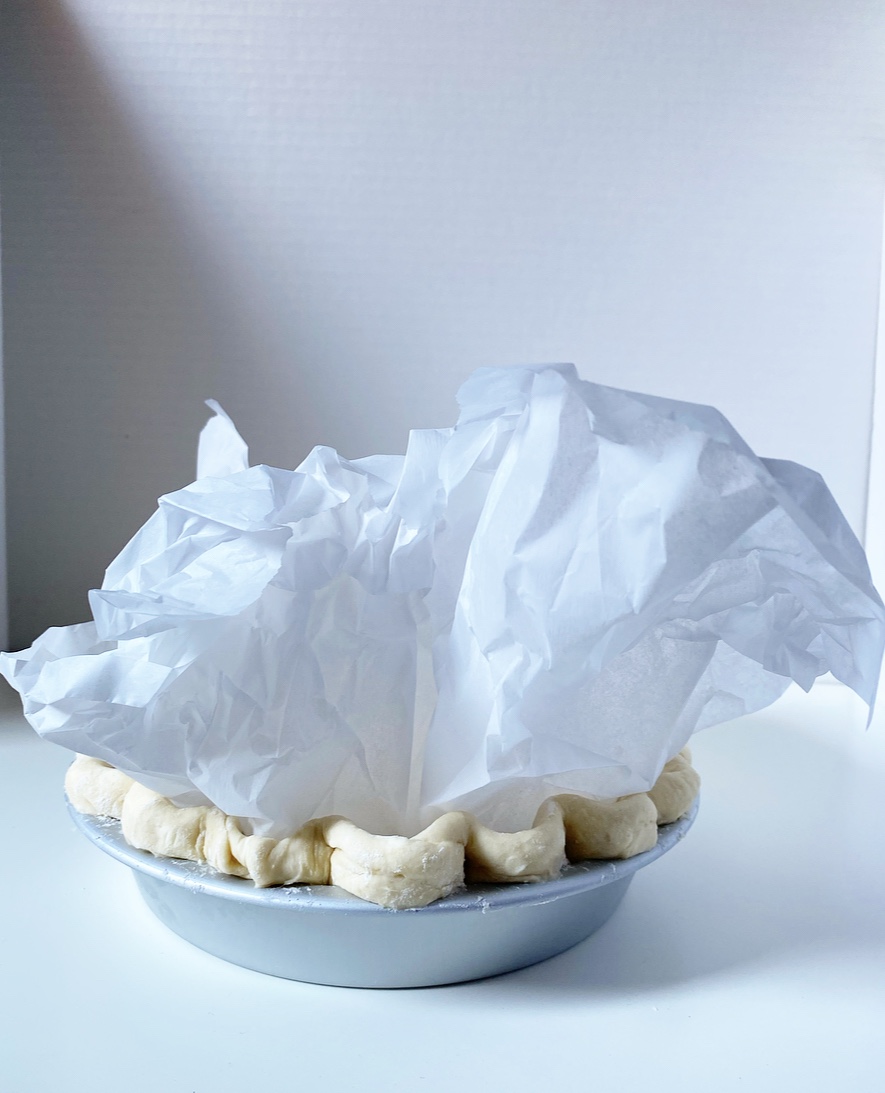
As with so many pies, this one isn’t complicated, but it has a bunch of steps and does take time. You’ve got to partially blind bake the crust, and then there’s the whole making a caramel oatmeal filling and layering it over chocolate bit, but I promise you these are all simple steps, and if you follow them one by one and give yourself some grace and time, you will be rewarded. Oh, will you ever.
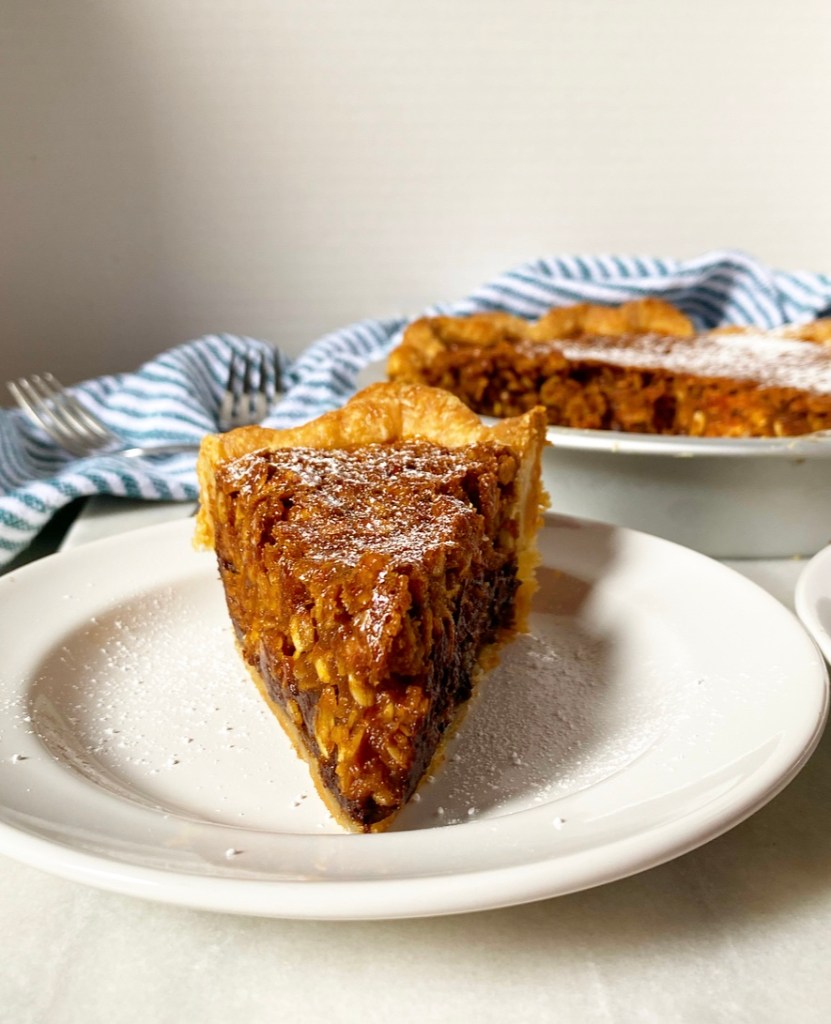
The balance of chocolate and caramel and chewy oats and flaky crust? It’s a triumph, if you ask me.
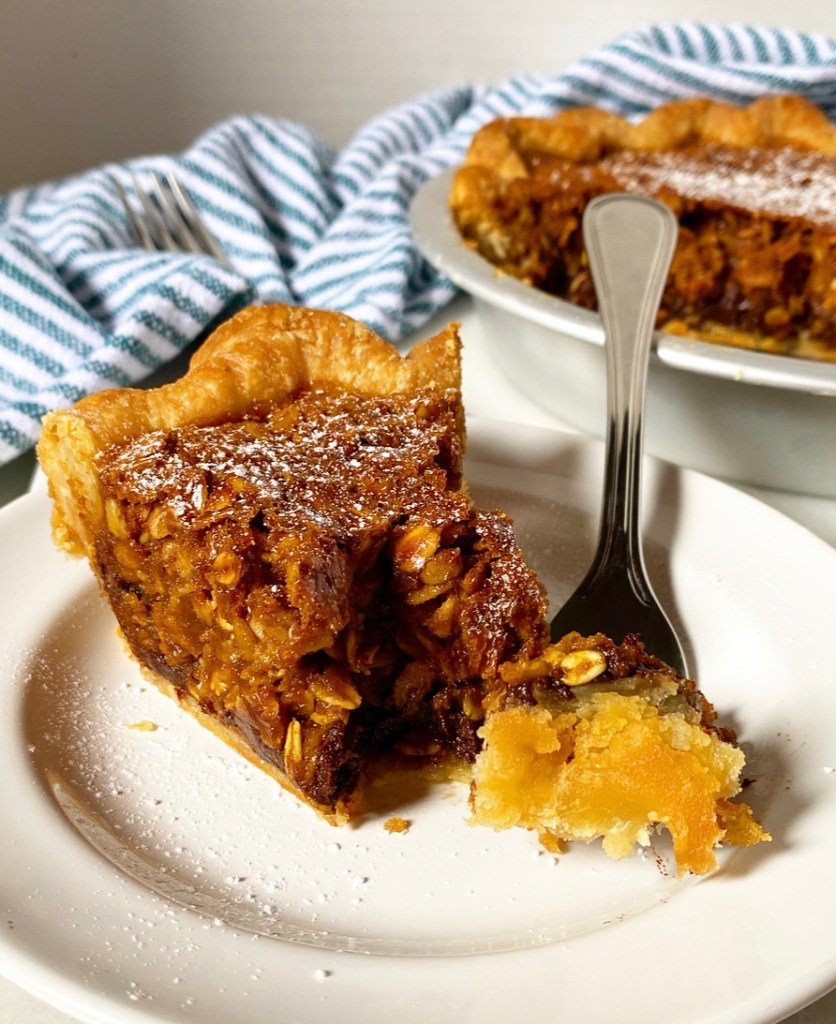
Black Bottom Caramel Oatmeal Pie
adapted from Four & Twenty Blackbirds
makes 1 pie

Crust:
1/2 batch All-Butter Pie Dough (or other good single crust recipe)

Caramel Oatmeal Filling:
1 1/2 cups rolled oats (toast)
1 cup granulated sugar
1 teaspoon Kosher or sea salt
1/2 cup (1 stick) unsalted butter, cut into pieces
1 cup heavy cream, divided
2 tablespoons light corn syrup (or maple syrup or mild honey)
1 teaspoon pure vanilla extract
1 teaspoon apple cider vinegar
2 large eggs, lightly beaten, room temperature

Dark Chocolate Ganache (Black Bottom):
5 ounces bittersweet chocolate, chopped
5 tablespoons heavy cream

For Garnish:
confectioner’s sugar, if desired

Place oven racks in the upper and lower positions. Preheat oven to 375F.

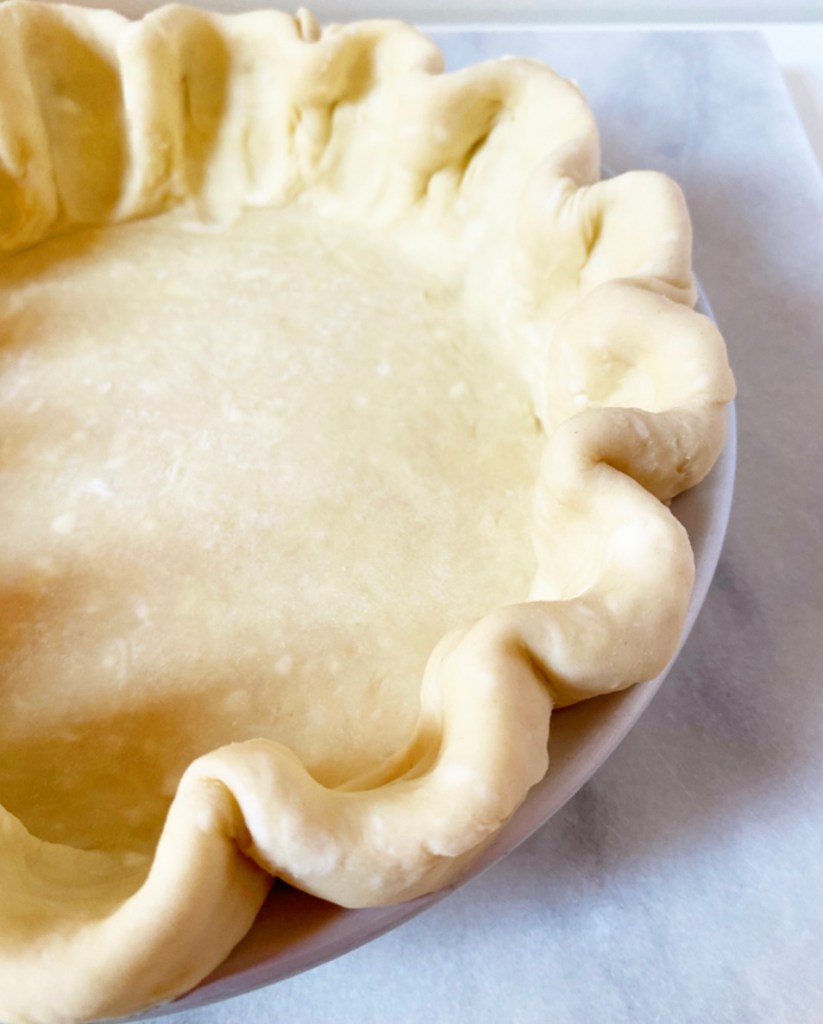
Partially blind bake the pie crust. On a floured surface, roll out pie dough to a 12" diameter. Fit into a deep 9-inch pie plate and trim the overhang to 1/2-inch. Crimp the edges and freeze for 30 minutes or refrigerate for an hour.

Remove pie crust from the freezer. Line frozen crust with a big piece of parchment. Fill the center with pie weights (or dried beans or rice).

Place the prepared pie crust on a rimmed baking sheet and bake for 20-25 minutes, or until pie crust has “set” and is starting to turn golden in places, but is far from done. Use parchment to lift out pie weights. Prick the bottom several times with the tines of a fork. Return crust to the oven for 10 minutes.

Make the caramel oatmeal filling. Place oats on a dry rimmed sheet pan. Toast in the oven for 5-7 minutes, until fragrant. Remove and let cool.

Make the caramel. Place a medium heavy-bottomed pot on the stove. Add sugar, salt, butter, 1/2 cup cream, and corn syrup to the pot. Do not stir or jostle in any way! Bring to a boil over medium heat and let cook for 10 minutes, until dark all over but not burnt. Remove from heat and *carefully* whisk in remaining 1/2 cup cream, followed by vanilla and vinegar. Let caramel cool 20 minutes.

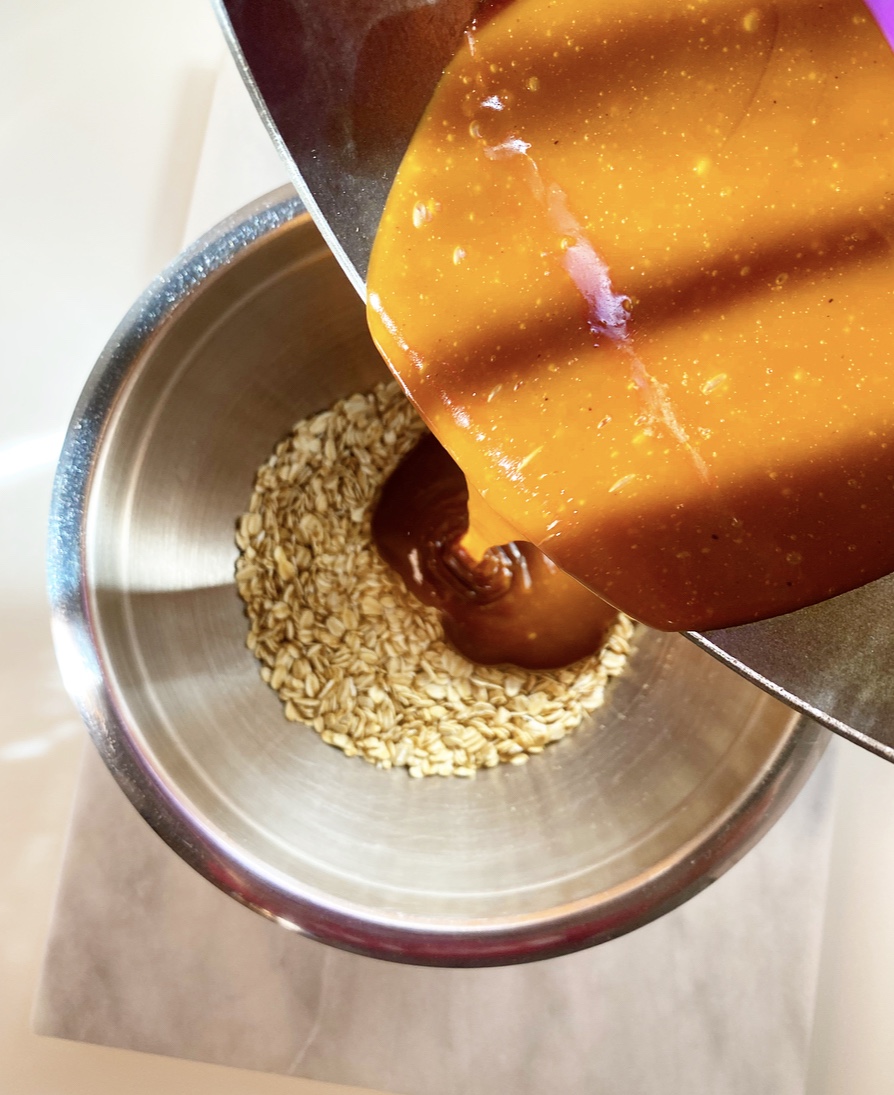
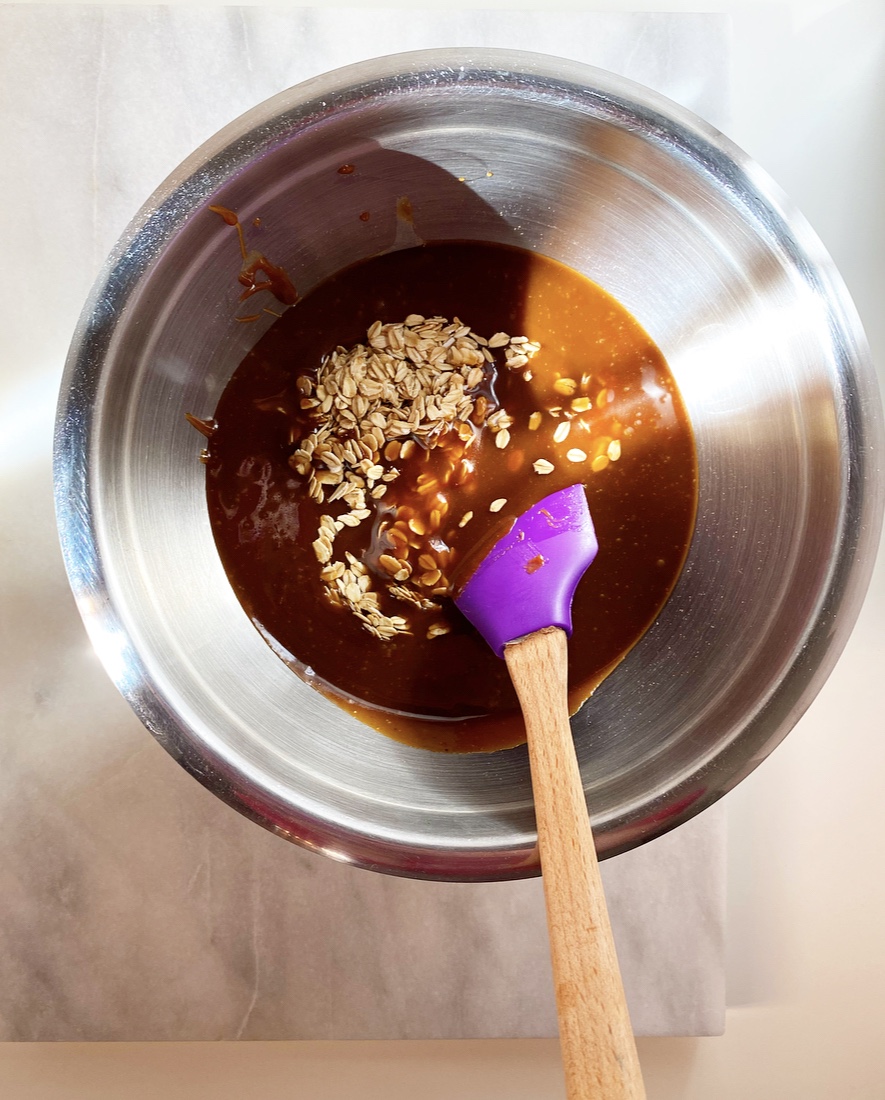
Add oats to a mixing bowl and pour caramel over the top. Stir together. Whisk in eggs. Set aside.

Make the dark chocolate ganache (black bottom). Place bittersweet chocolate in a small bowl. Pour heavy cream into a small saucepan over medium heat. When it just barely starts to boil, remove it from the heat and pour the cream over the chocolate. Once the chocolate looks soft, stir it together with a fork until you have a smooth chocolate sauce.

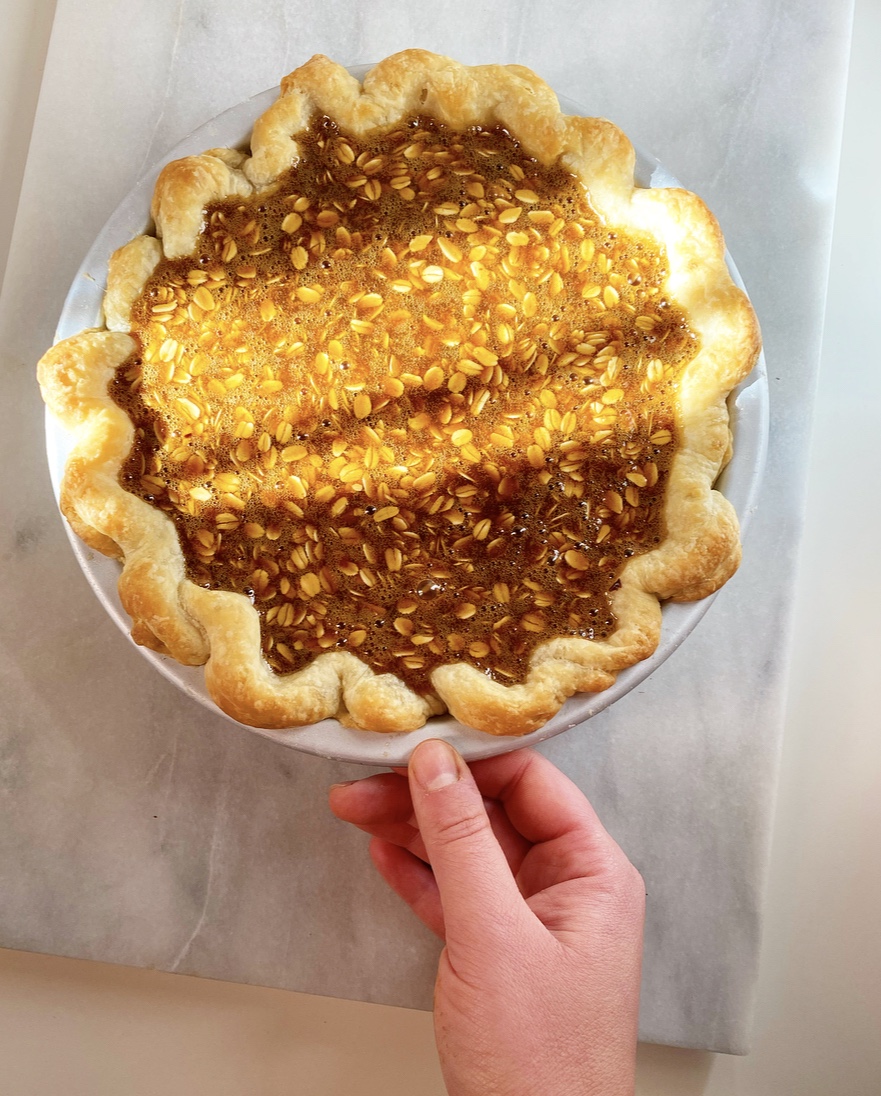
Spread ganache into the bottom of the pie crust. Top with caramel oatmeal filling. Bake pie on the bottom rack for 25 minutes, then move to the top rack for another 20-25 minutes, until puffed and slightly jiggly in the center. If crust is darkening too quickly at any point, tent with foil.

Let pie cool completely before serving, with a dusting of confectioner’s sugar, if desired.

Leftover pie will keep covered at room temperature for up to two days or in the refrigerator for three.
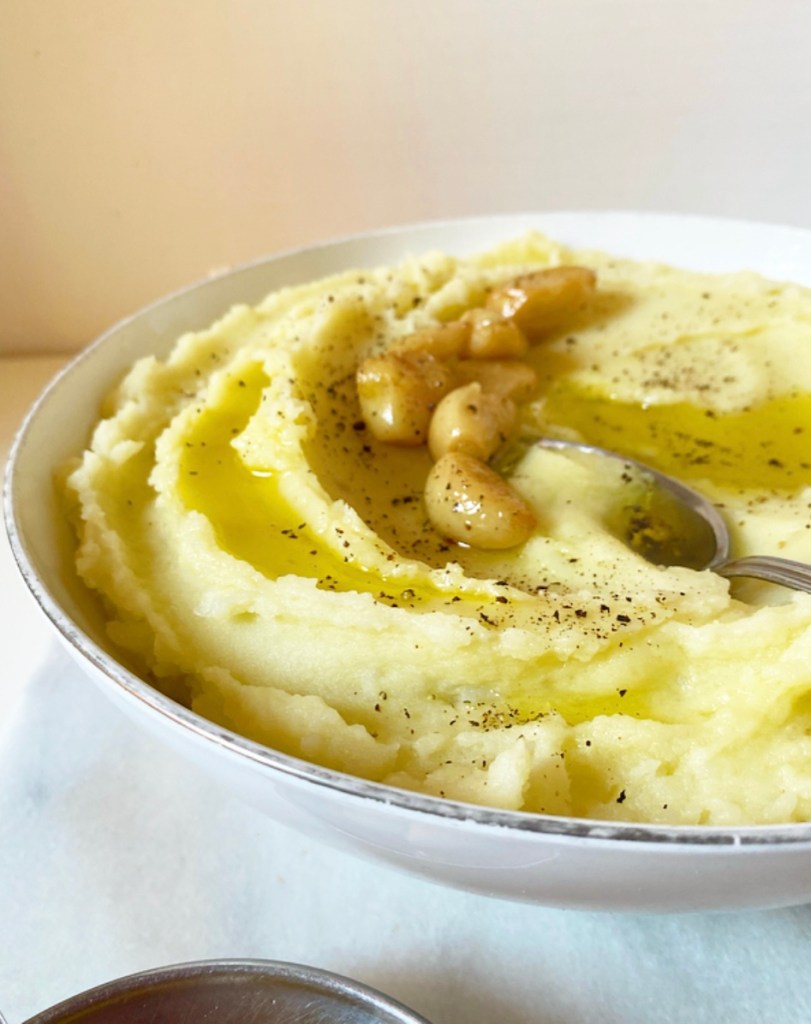
Garlic Confit Mashed Potatoes

Garlic Confit Mashed Potatoes

The internet will try to tell you otherwise, but I feel you should know that the absolute best garlicky mashed potatoes are completely free of butter and cream.

Yeah, I’m here to sell you on vegan mashed potatoes. Please don’t leave!

Garlic Confit Mashed Potatoes

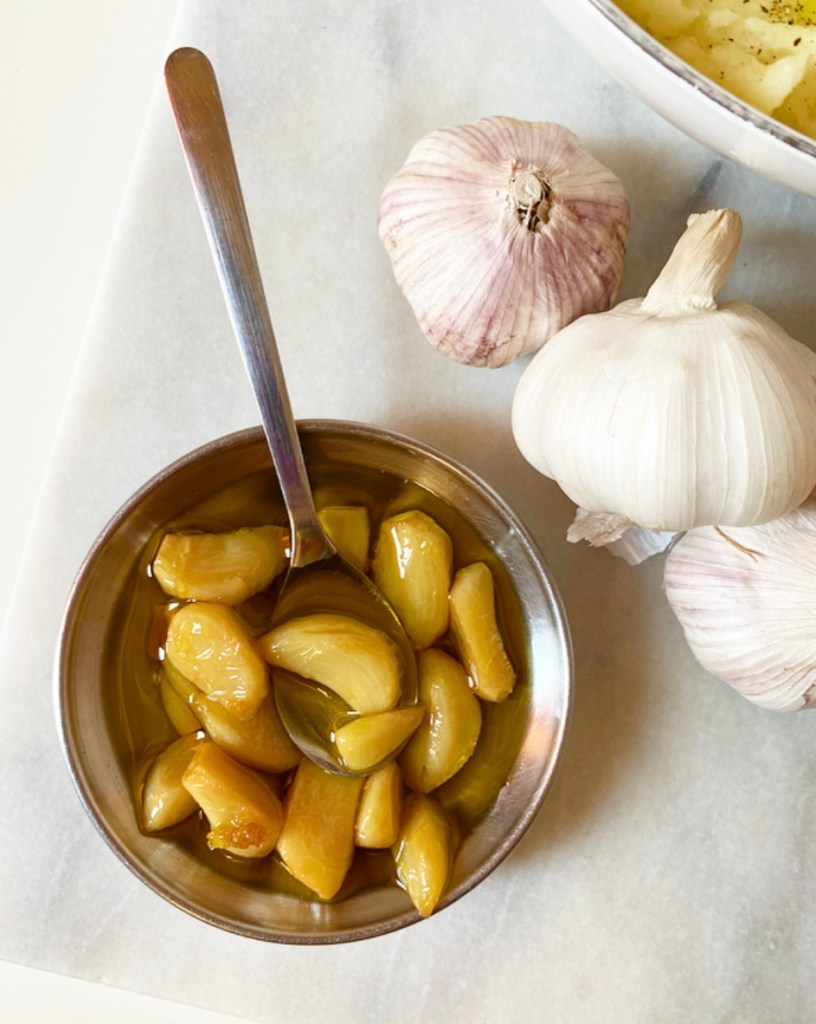
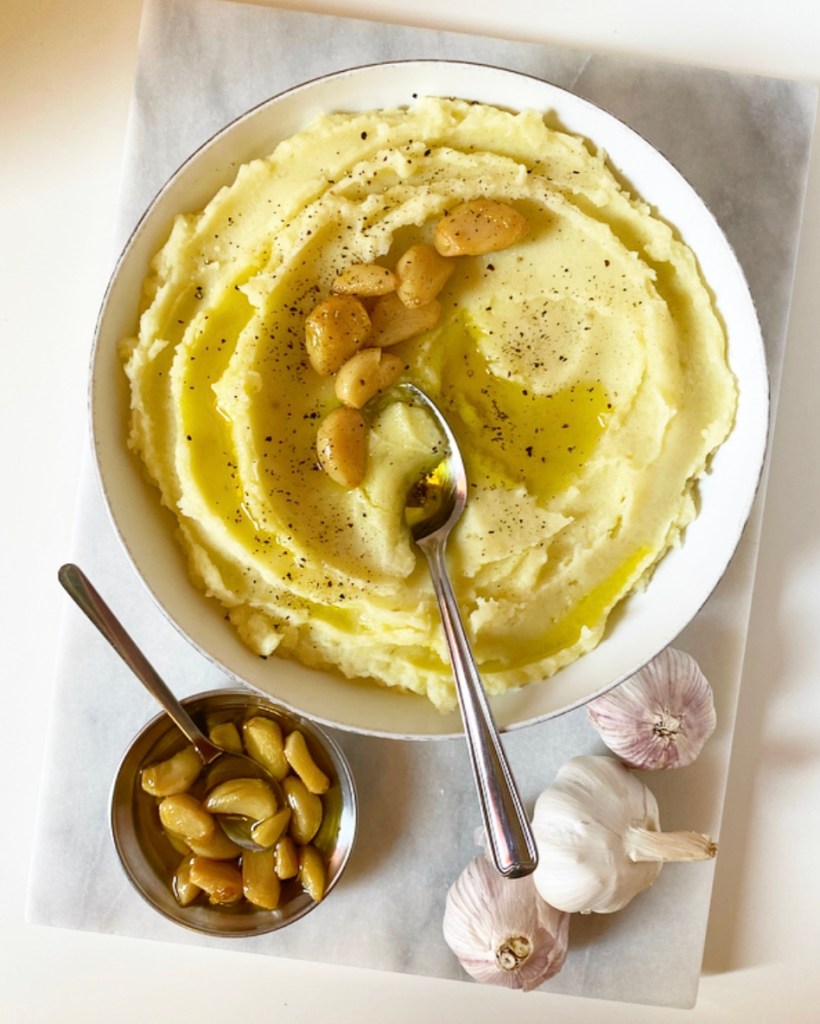
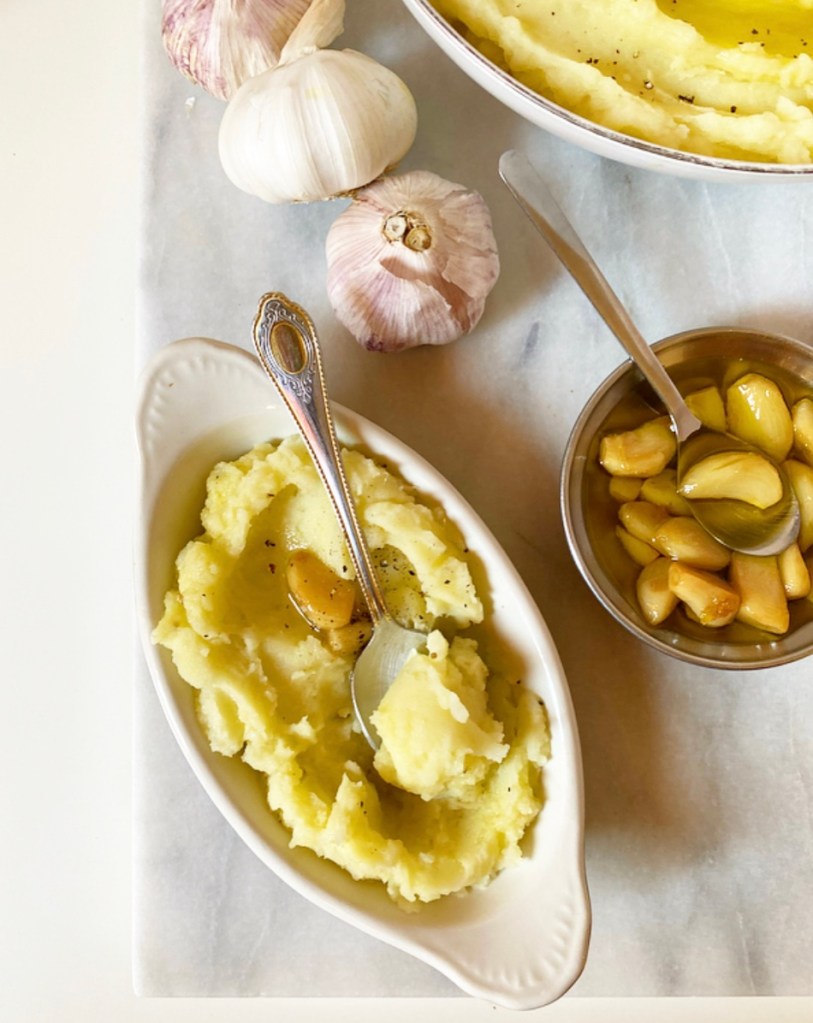
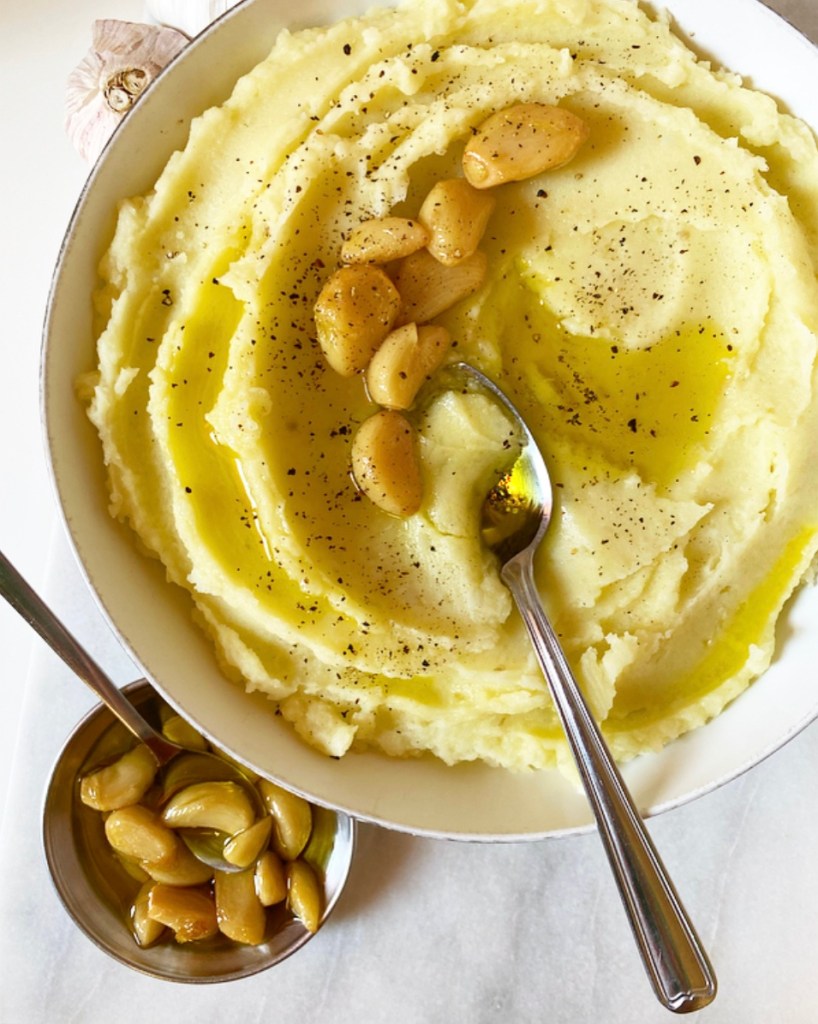
You’ll be missing out on luxurious homemade garlic confit that’s been slow-simmered to rich, fragrant perfection and then mashed into soft russet potatoes. Uh huh. Garlic Confit Mashed Potatoes are where it’s at, y’all. Only the best garlicky potato bliss for our Thanksgiving tables, am I right???

You can get a jump start on making your own holiday Garlic Confit Mashed Potatoes right now! The confit can be made up to two weeks ahead (yeah, Thanksgiving is only two weeks away). Just simmer it while you’re doing something else and then stick it in the fridge until you need it. Let it come to room temperature and then mash it into these rich, smooth, oh so good potatoes.

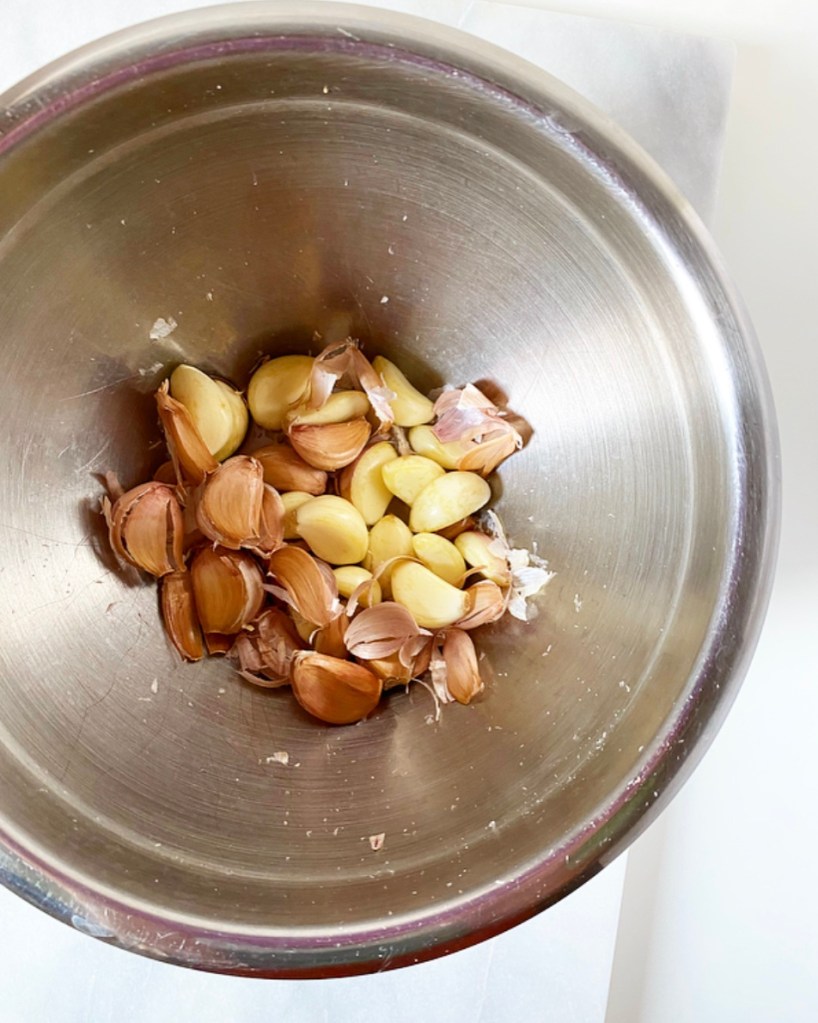
You’ll notice that the garlic confit recipe asks for you to peel three heads of garlic, which probably seems insane, but fear not! You can either purchase your garlic already peeled *or* take the DIY easy way out, following one of those hacks you sometimes come across on social media, which is what I did.

I simply separated all the garlic cloves, put them in a covered bowl (I used a thin cutting board as a lid) and shook the living daylights out of the whole contraption for about two minutes, until all the papery skins had at least begun to slip off. Boom, done. After that, it’s just a matter of slicing off the ends before confit-ing, which again, is just simmering at a very low heat. So easy!

One more tip for perfect confit and mashed potatoes: buy fresh olive oil. Besides garlic, olive oil is the primary flavoring agent here, so you want it fresh fresh fresh. If you want to use a less expensive oil here, I’d go with grapeseed, but again, make sure it’s fresh. You don’t want some slightly “off” oil to ruin your potatoes.

Garlic Confit Mashed Potatoes

I mean, how could you not want these?! They’re the smooth side dish you know, but absolutely bursting with garlic flavor (and not much else)! Beyond their flavor, I love that they are vegan —at such a meat- and dairy-forward meal, I always worry about the vegans at the table having things to eat. And while you can’t subsist on Garlic Confit Mashed Potatoes alone, I wouldn’t mind giving it a try, you know?

Garlic Confit Mashed Potatoes
makes about 6-8 servings

Garlic Confit:
3 heads garlic
1 cup olive oil

Mashed Potatoes:
3 lbs russet potatoes
cold tap water
1/2-3/4 batch garlic confit
Kosher or sea salt
freshly cracked black pepper

Make the confit. Peel the garlic by separating each head into cloves and putting them in a small mixing bowl. Top it with a lid or another object that will create a seal and shaking it until the papery peels start to remove themselves, about 2 minutes. Remove and discard the peels, then trim off the ends and any imperfections on the garlic cloves.

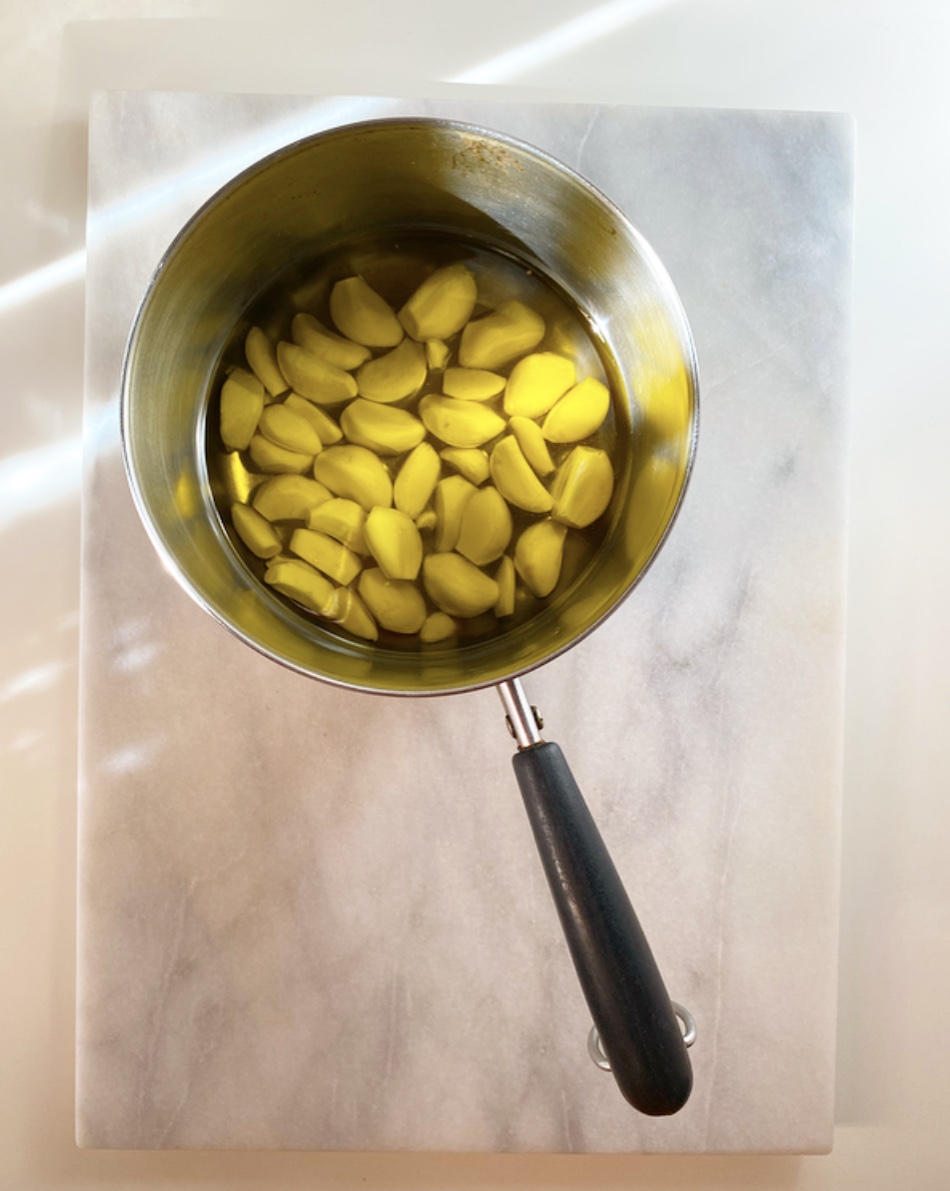
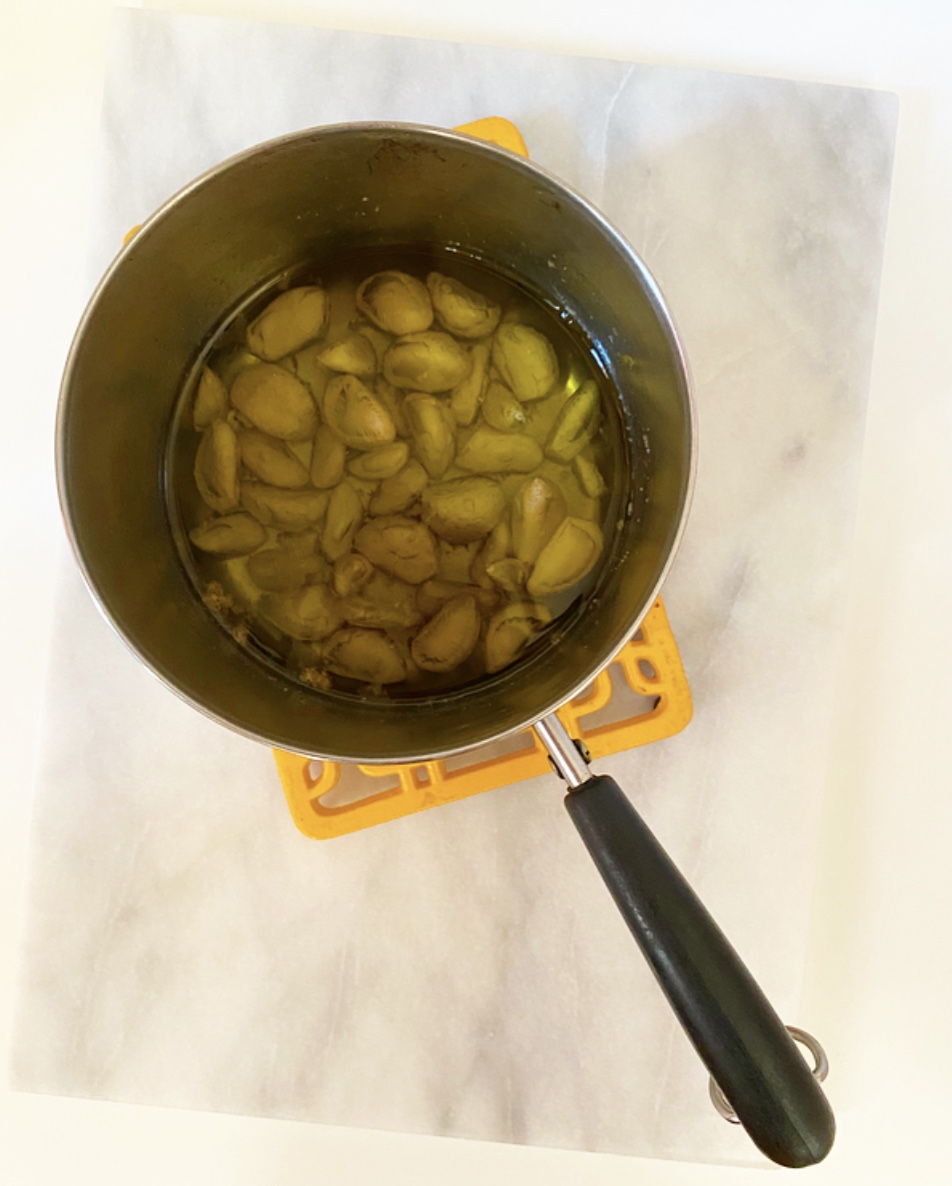
In a small saucepan, combine peeled garlic and olive oil, ensuring all garlic is submerged. Bring the mixture to a simmer over the lowest heat setting on your stove. Let simmer 30 minutes, until cloves are soft, but not browned. Set aside to cool for at least 15 minutes. You may also make the confit up to two weeks ahead and keep it covered in the refrigerator. Just make sure that the oil is covering all the garlic. Bring confit back to room temperature before using in potatoes.

To make the mashed potatoes, start by scrubbing, drying and peeling the russet potatoes. Cut into 1-inch cubes and place in a large heavy-bottomed pot. Cover with cold water by about 1-inch and season well with salt. Bring to a boil and let cook for about 15 minutes, until fork-tender.

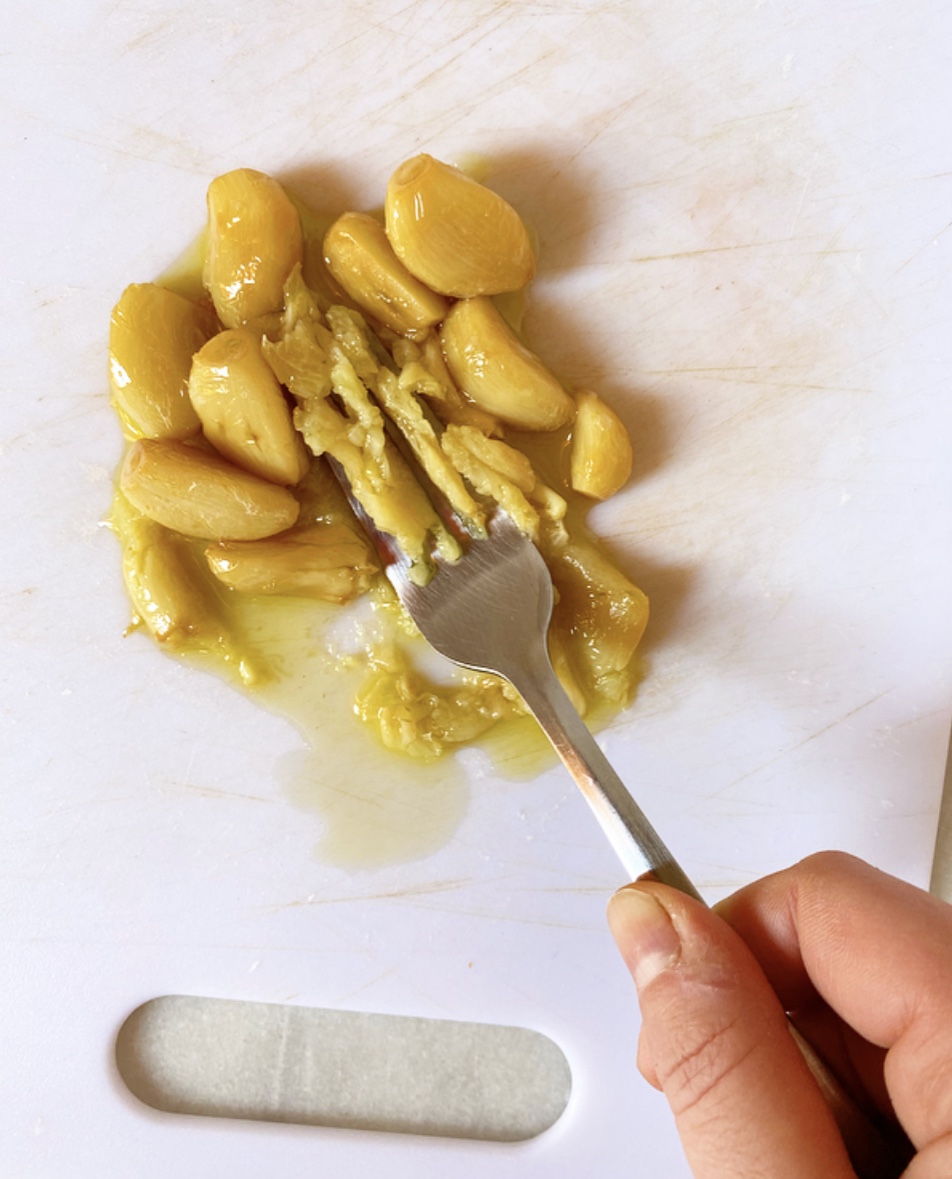
While the potatoes are cooking use a fork to mash about half (1/2 cup) of the garlic in the confit.

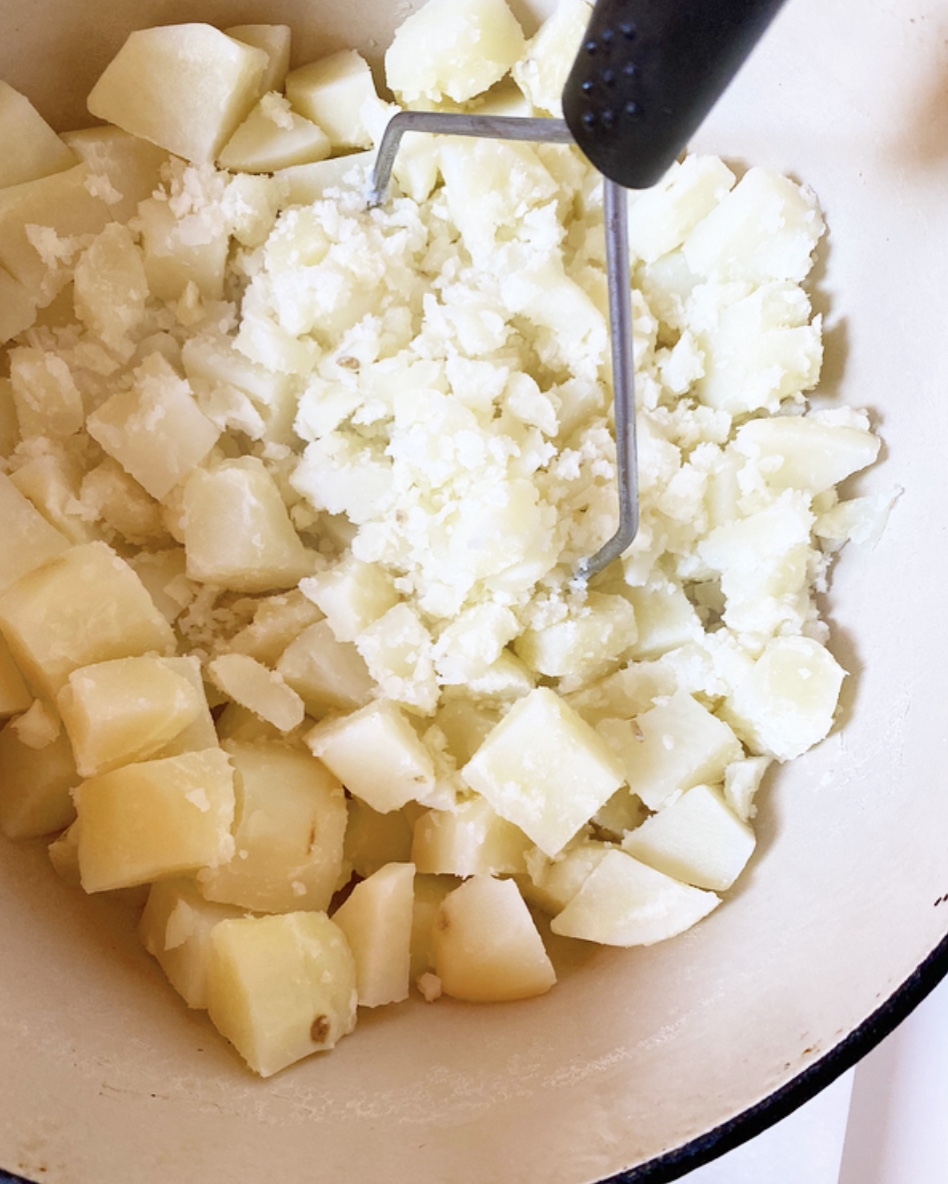
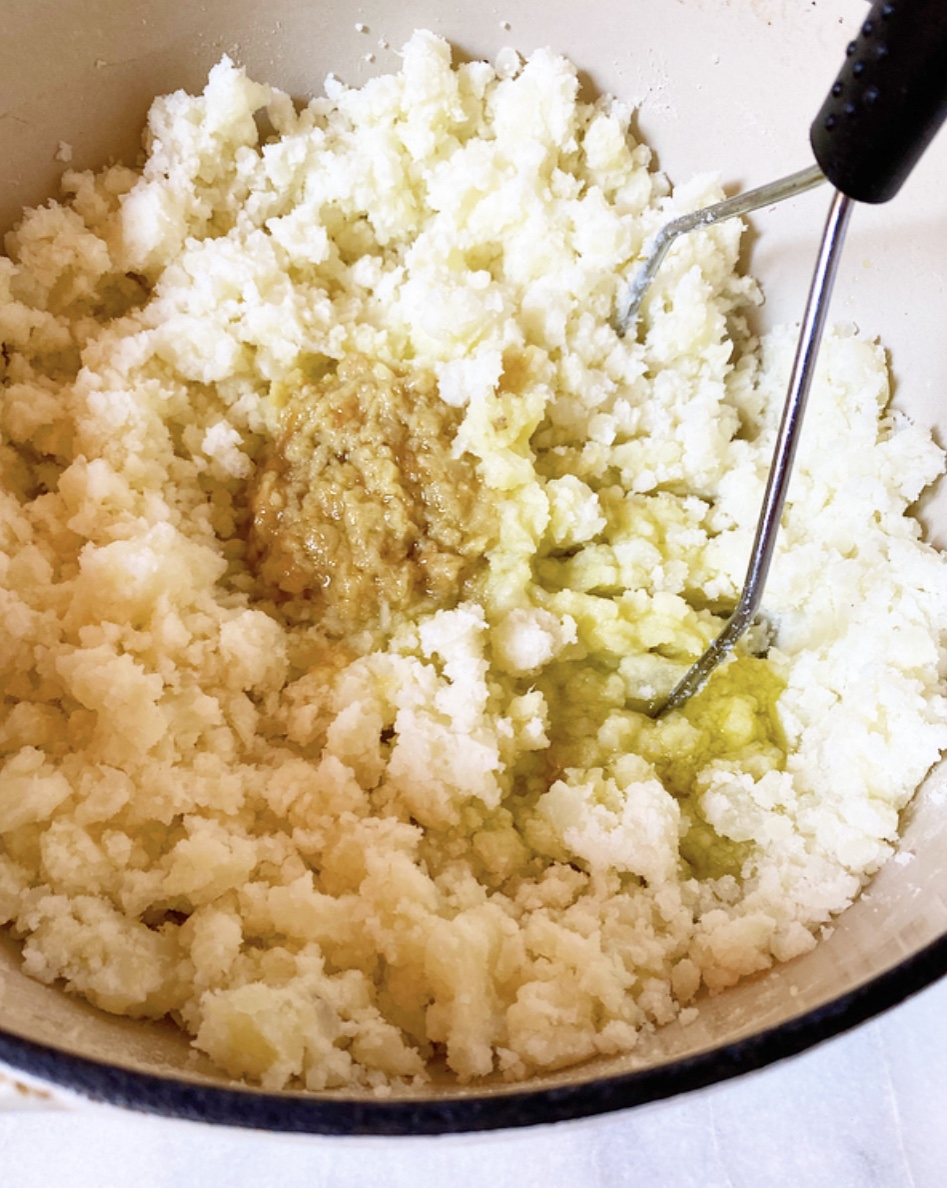
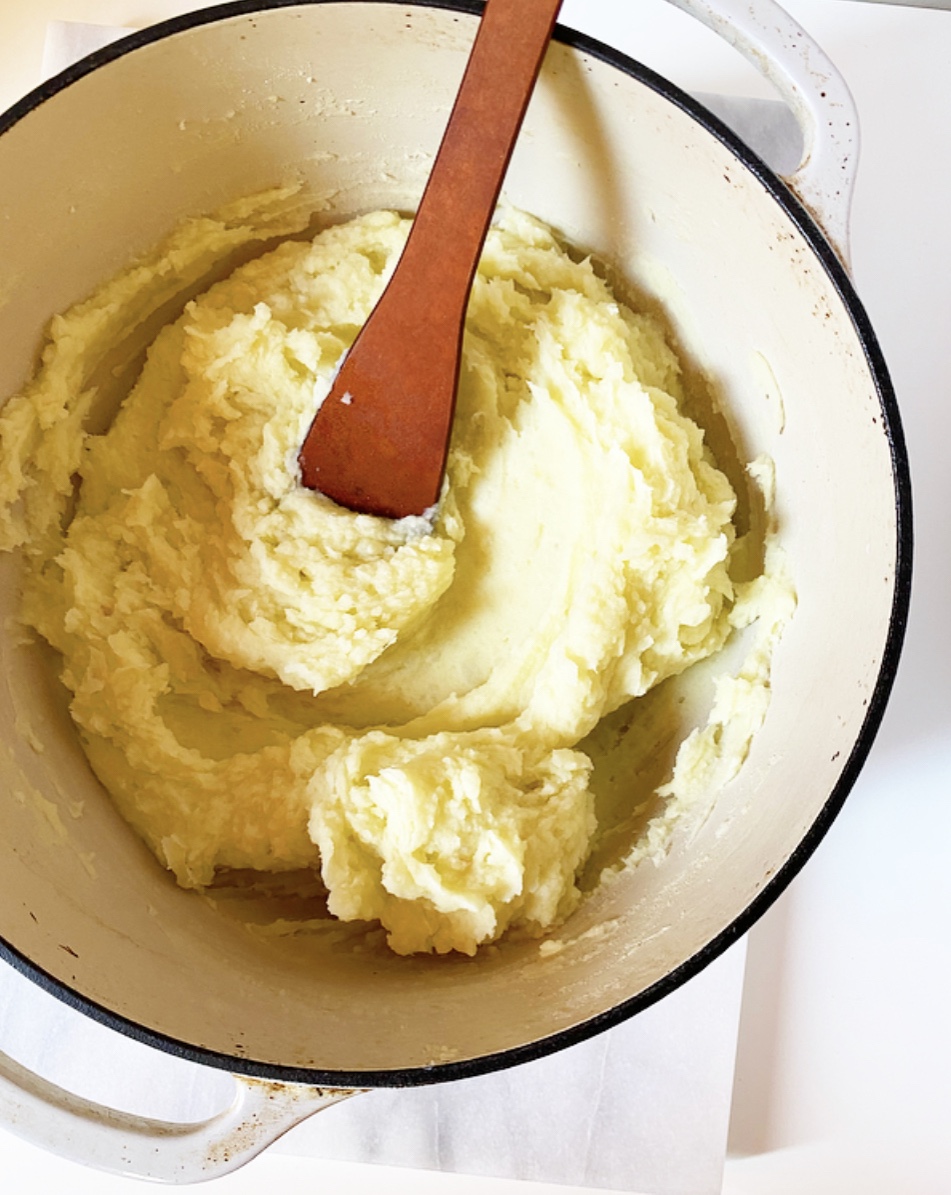
Reserve about 1 cup of the starchy potato cooking water. Drain potatoes and return them to the pot. Mash with a potato masher (or a ricer if you have one). Add mashed garlic, along with about 3/4 cup of the garlicky oil and 1/4 cup of the starchy cooking water. Mash well, adding more cooking water (and/or oil from the confit) as needed to achieve the desired texture. Season to taste with salt.

Serve potatoes with more garlic confit on top, along with a sprinkle of freshly-ground black pepper.

Leftovers will keep in an airtight container in the refrigerator for up to 4 days.

Pecan Galette

Pecan Galette

Every Thanksgiving, I forget that I like making pie. I mean, I know I like it, but I forget that I like it more than eating pie (and I quite like eating pie). There’s something soothing about the whole lengthy process of lovingly rolling, crimping and otherwise helicopter parenting a large pastry that just does something for me.

Pecan Galette

But you know what I like even more than making pie? Making galettes, which is like making pie, but it takes half the time and it doesn’t matter what the final product looks like because it’s supposed to be rustic. Rustic is my middle name.

Just kidding, it’s Ann.

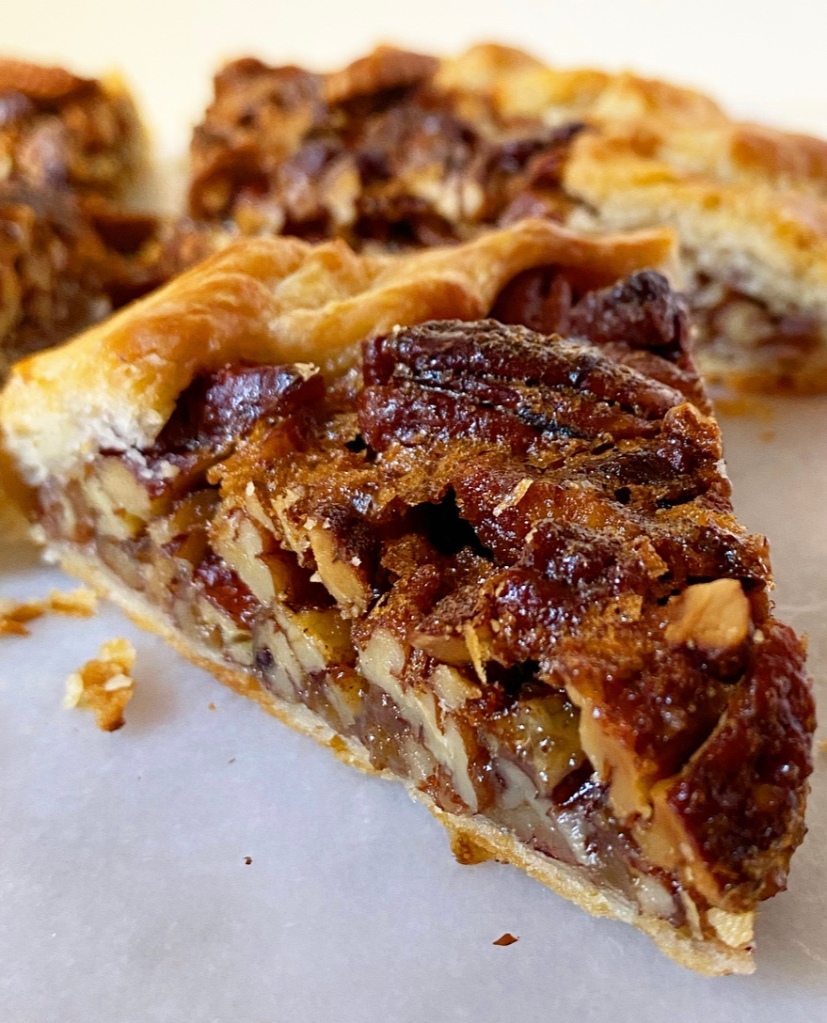
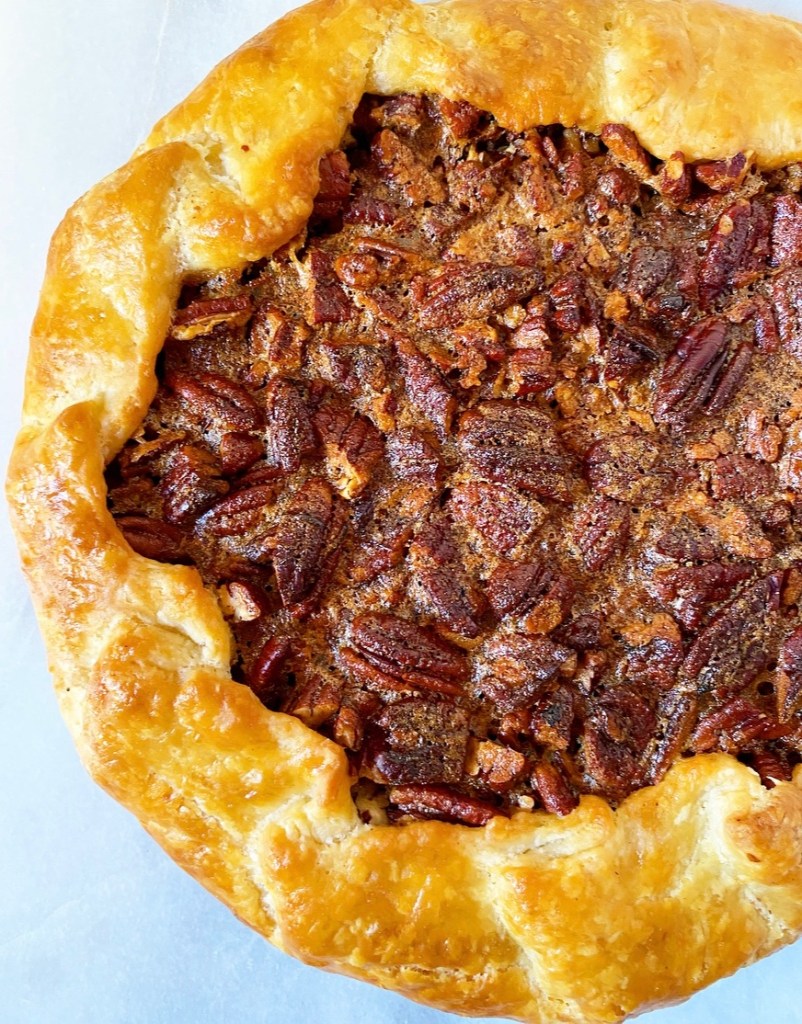
But I digress. Today, I’m taking my favorite pie—pecan, naturally—and folding it up into a rustic galette.

Pecan Galette

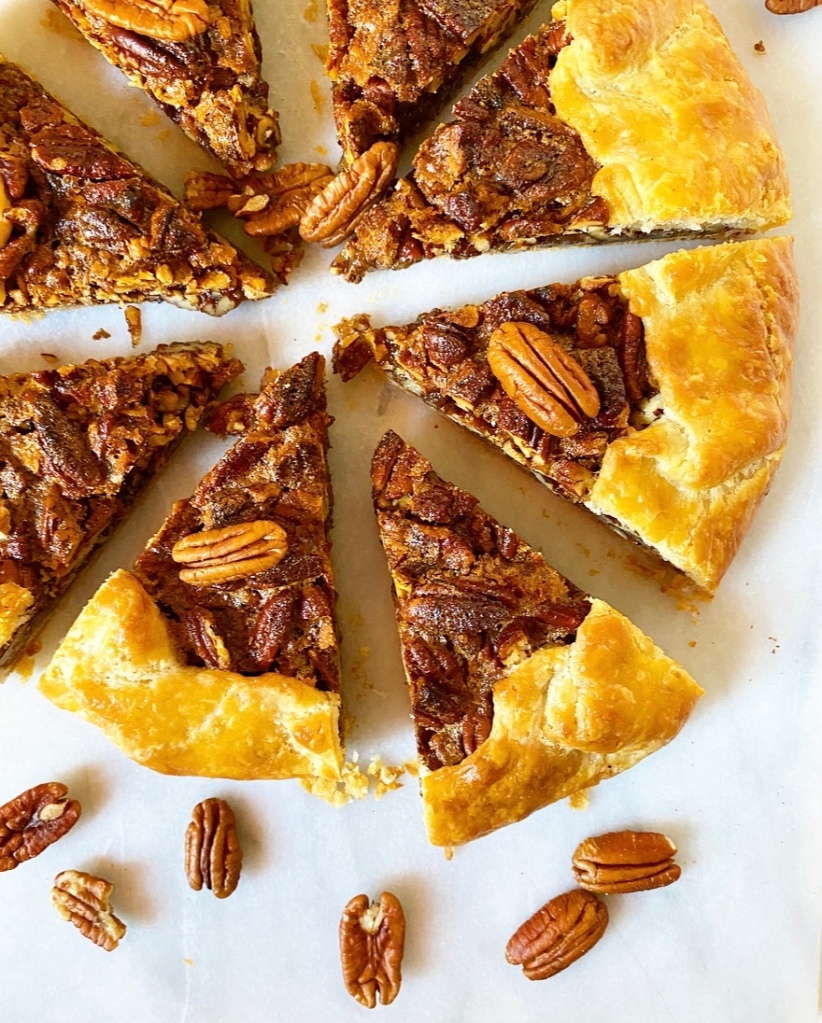
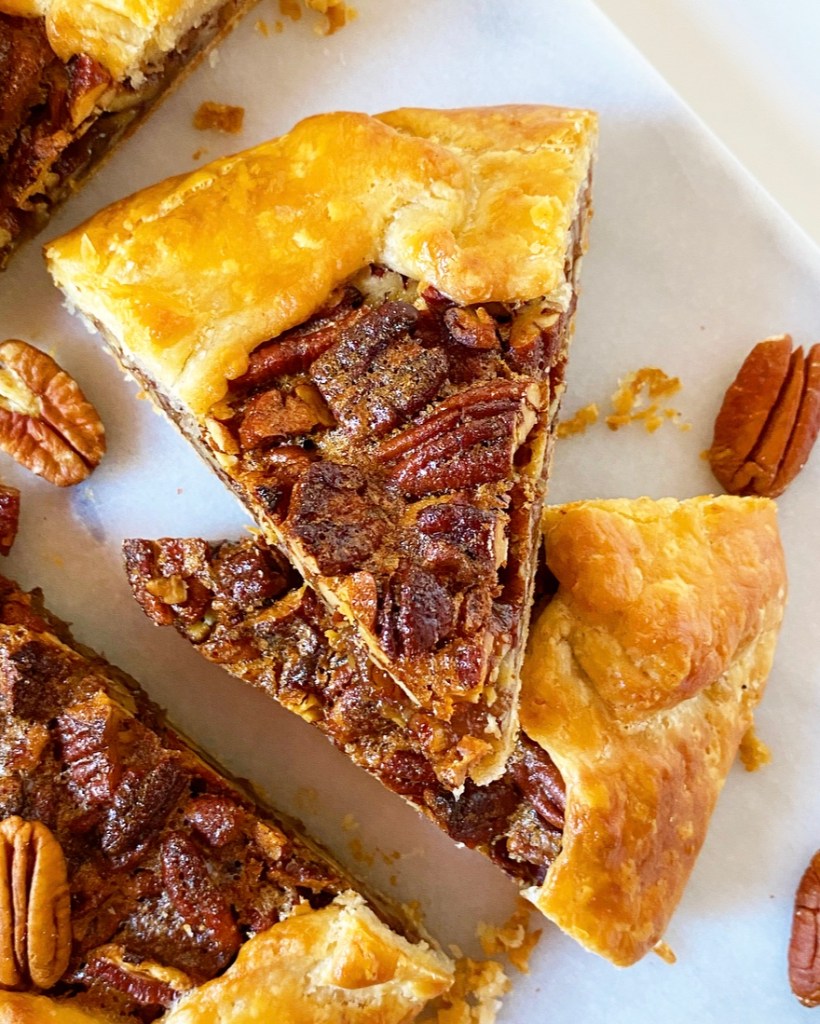
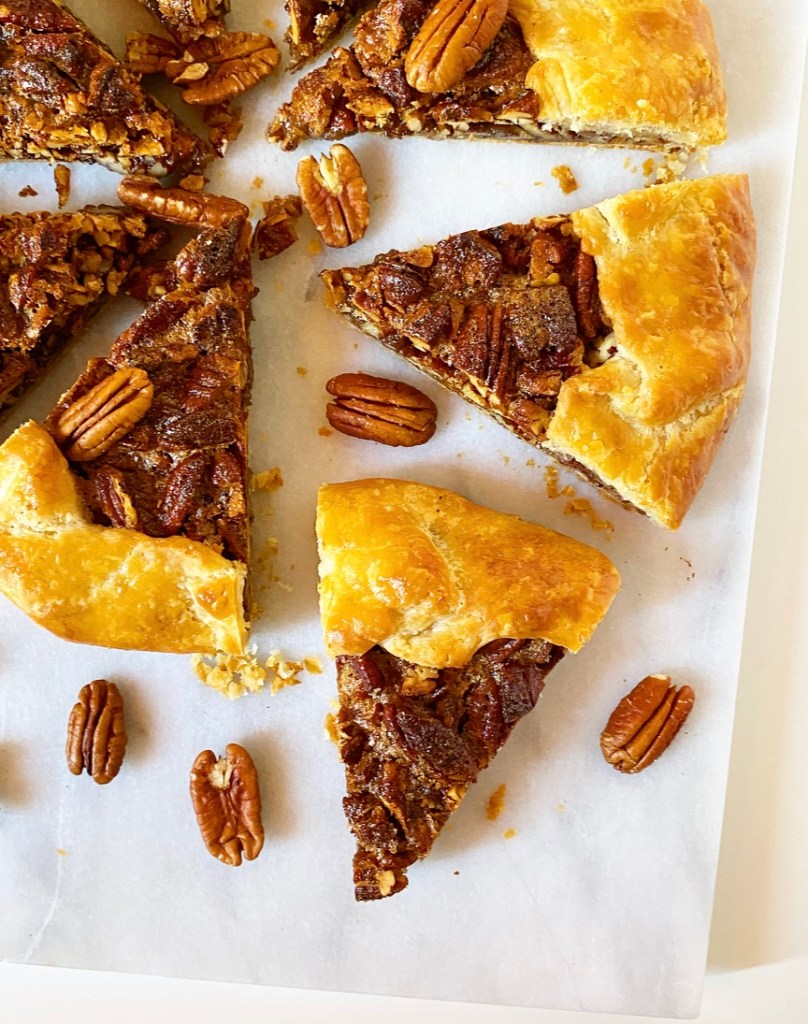
Yes! You can make non-fruit galettes! Here we have all the sticky, crunchy, flaky-crusted magic of traditional pecan pie, but made in a relative snap. No crimping, no endless chills, no waiting half a day for it to be cool enough to slice. This Pecan Galette is Pecan Pie’s low maintenance sister.

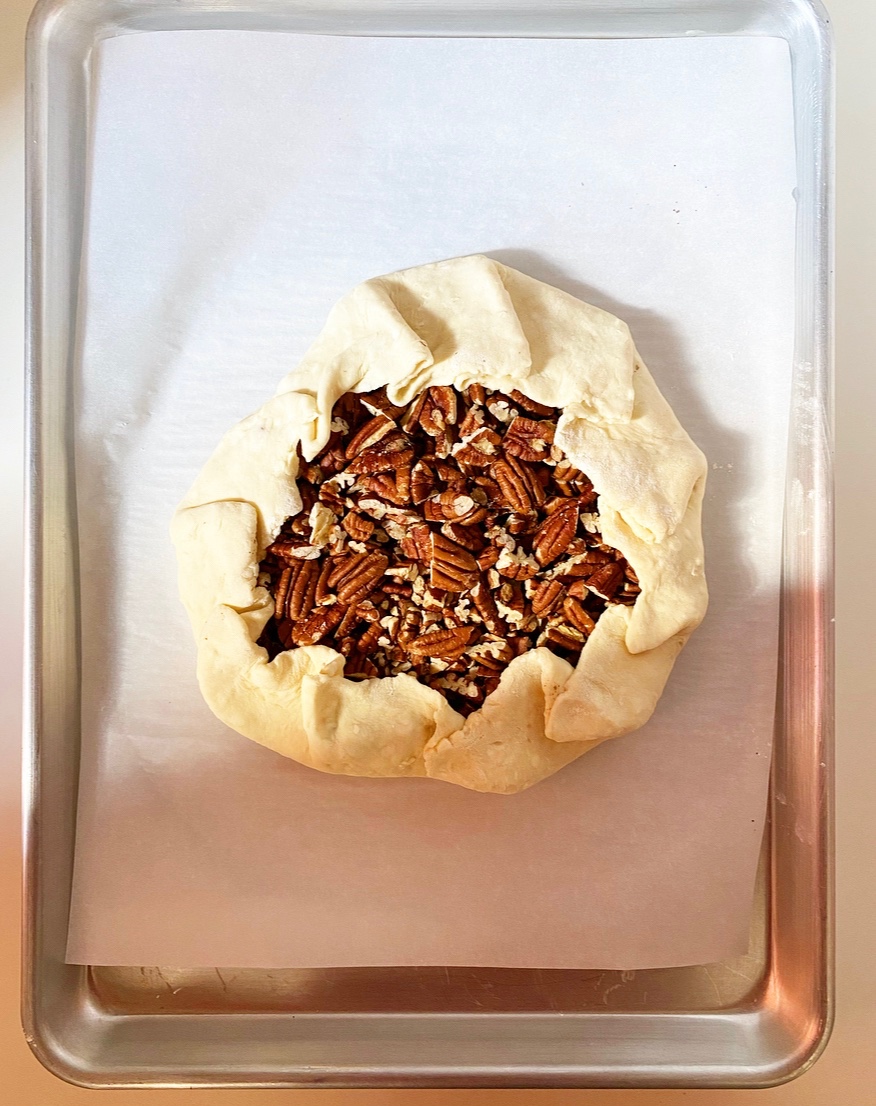
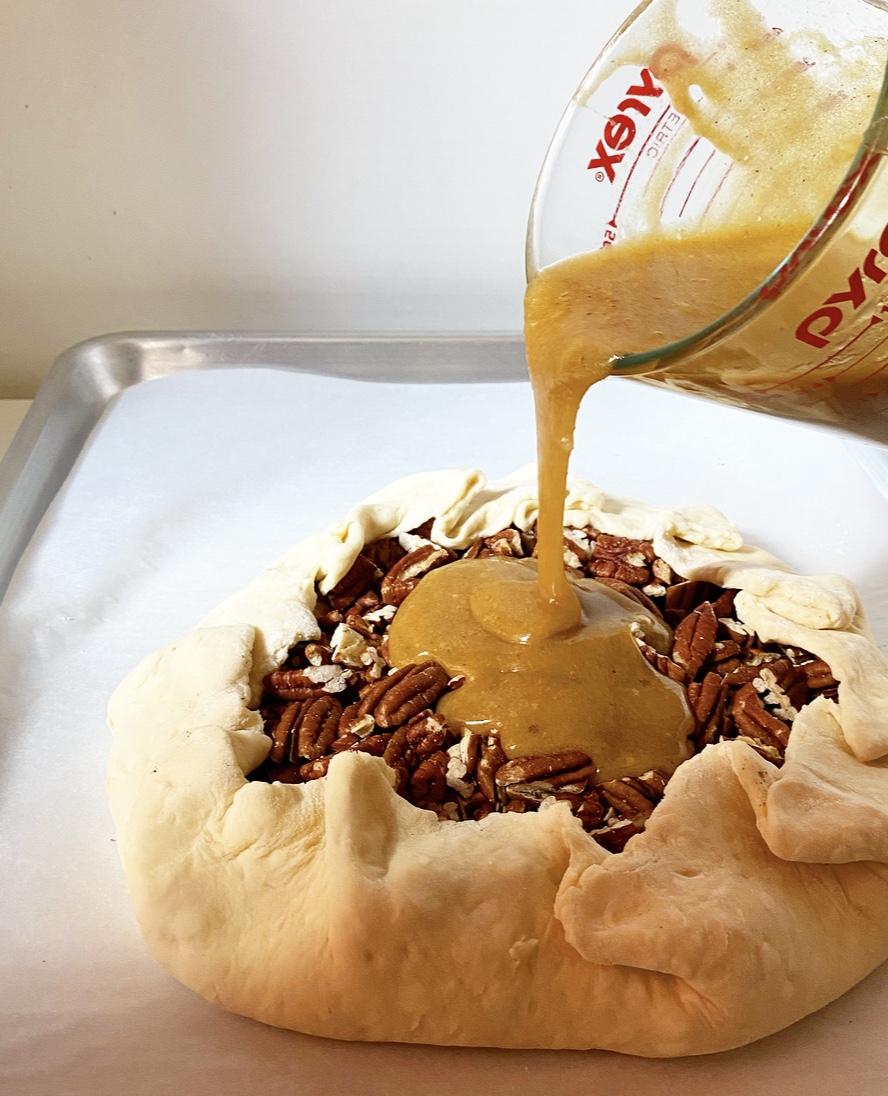
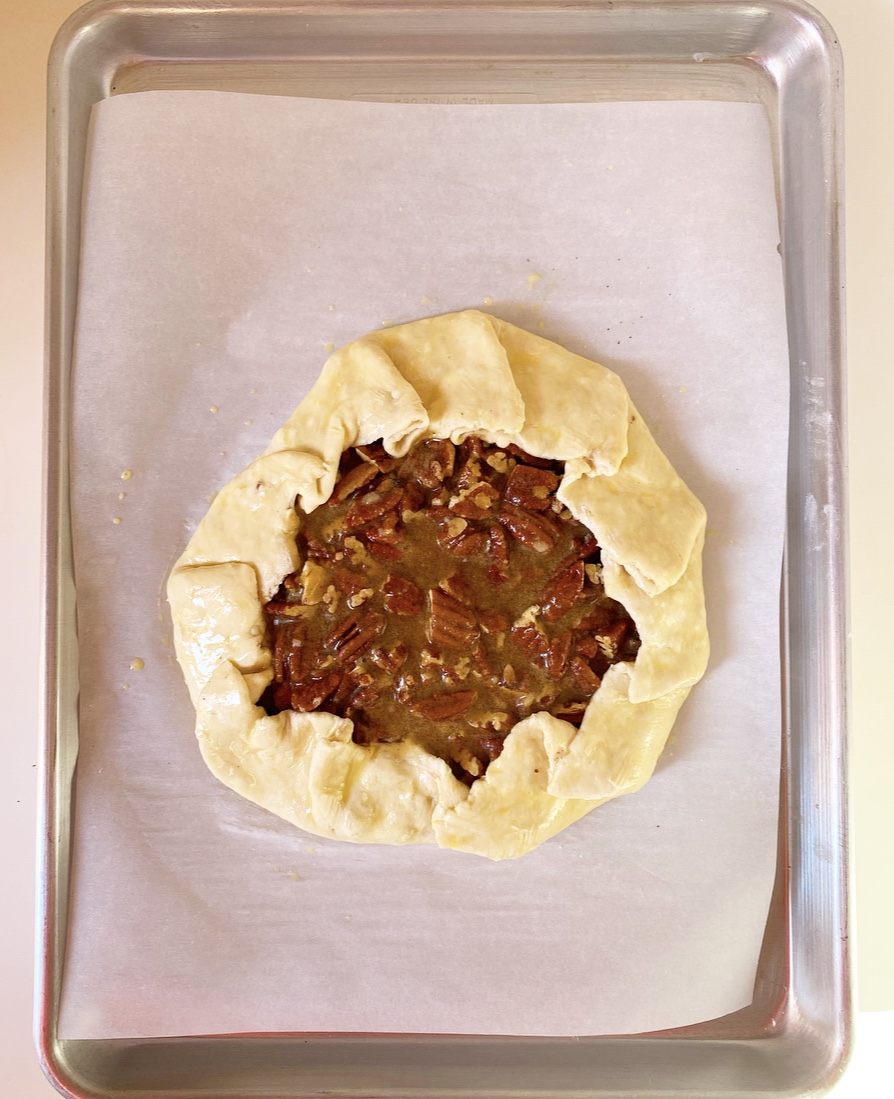
The major hurdle here (and in all custard pies) is containing the liquid. I tried assembling this one two different ways, first adding the complete filling before folding, then taking a note from pie queen Erin McDowell and adding the pecans, folding, then pouring in the liquid before baking. It will come as no surprised that that the pie queen’s method was much less frustrating. It will feel strange to assemble a galette in this order, but it actually makes perfect sense. And you can’t argue with the results.

One of my favorite things about making galettes is that they can be sliced up within a couple hours of baking. That said, if you’re looking to work ahead for Thanksgiving, you can bake this a day or two ahead of time and it will be divine.

Oh yes, I do love a galette.

Pecan Galette
makes 1 galette

1/2 recipe All-Butter Pie Dough or other good single crust recipe
1 1/2 cups pecan halves, roughly chopped
2/3 cup light brown sugar, packed
1/4 teaspoon ground nutmeg
1/2 teaspoon Kosher or sea salt
2 tablespoons pure maple syrup (or mild honey or light corn syrup)
1 teaspoon apple cider vinegar
1 teaspoon pure vanilla extract
4 tablespoons unsalted butter, melted
1 large egg, room temperature

For assembly:
1 large egg
1 teaspoon water

Arrange oven racks in the upper and lower positions. Preheat oven to 375F. Line a rimmed baking sheet with parchment paper. Set aside.

Place pecans on a dry rimmed sheet pan. Bake for 5-7 minutes until toasted and fragrant. Do not burn. Set aside to cool to room temperature.

In a liquid measuring cup or small bowl, whisk together brown sugar, nutmeg, salt, maple syrup, apple cider vinegar and vanilla. Add melted butter, followed by egg. Set aside.

Flour a surface and a rolling pin. Roll pie dough out until it is 1/8-inch thick. Trim edges so that you have a 12-inch circle. Transfer to prepared pan. Mound toasted pecans in the middle of the dough, leaving at least 2 inches of excess on all sides. Fold dough over the pecans to contain them. Slowly (!) pour liquid mixture over pecans, stopping frequently to tap the pan on the counter to help the liquid settle. Continue until all liquid is in the galette.

In a small bowl, whisk together egg and water. Brush mixture on exposed pie dough.

Bake galette on the upper rack for 25 minutes. Move to the lower rack. Bake for 20 more minutes, tenting with foil if anything begins to brown too quickly. Crust will firm up as the galette cools.

Let galette cool completely in the pan on a rack. Remove to a cutting board. Slice and serve.

Galette will keep covered at room temperature for two days, or in the refrigerator for up to five.

The Best Way to Mix Pie Dough in the Food Processor

For years, I have been telling you to mix your pie dough by hand. In fact, I have insisted.

The Best Way to Mix Pie Dough​ in the Food Processor

In the seven Thanksgiving seasons that this blog has seen, I have never put a food processor method for pie dough on here. I thought I was above it and that hand-mixed dough was far superior, but that was then, when I was young(er) and could still move after a full day of work. But now, at 36, I must admit that I was wrong (or at least wrong enough) and have discovered the joy of making batches of pie dough in five minutes in my food processor.

Of course, people have been making pie dough in the food processor for decades, so this is nothing new. My resistance is not because I’m a Luddite (which I am), but because I find most food processor pie doughs to lack flakiness, because people tend to process the butter too much. Visible butter is the sign of a future flaky crust; the water in the butter evaporates and creates buttery lil’ air pockets. When you mix dough by hand, it’s much easier to ensure that you get visible butter chunks, but that takes time and energy that I do not currently have, so I have figured a way to make the food processor method work for me. Here’s my method for All-Butter Pie Dough in the food processor.

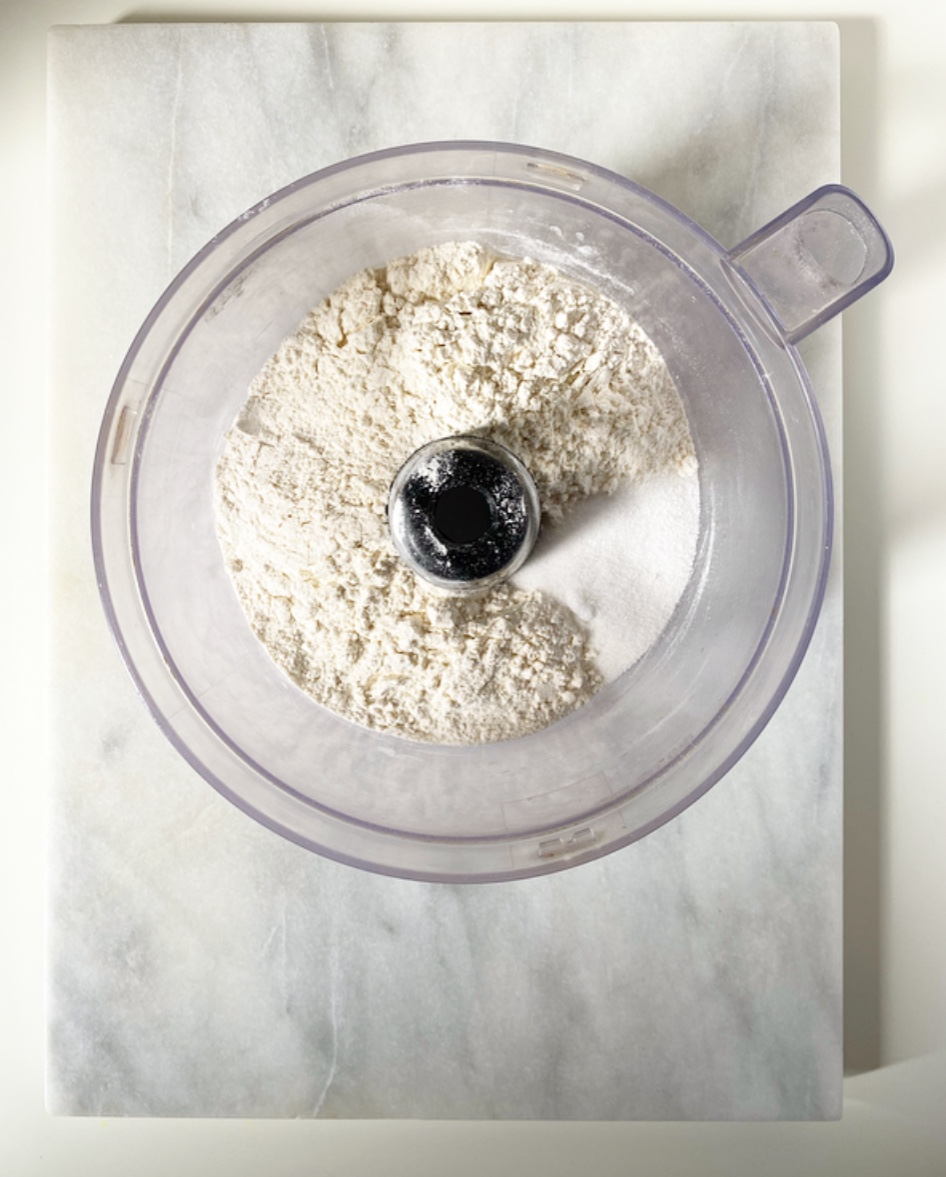
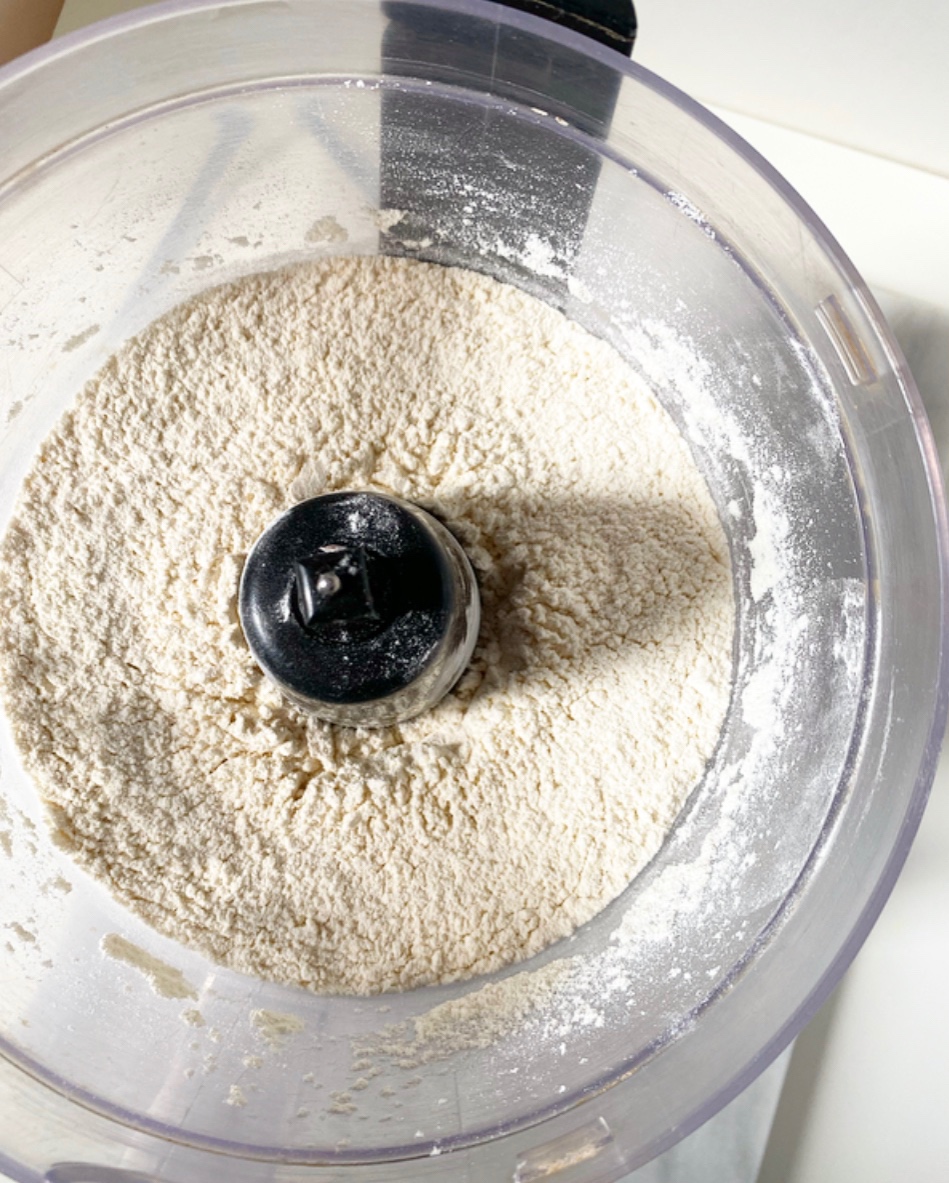
First, blitz the dry ingredients together. This will evenly mix the sugar and salt into the flour. Also, it looks like freshly fallen snow and that delights me.

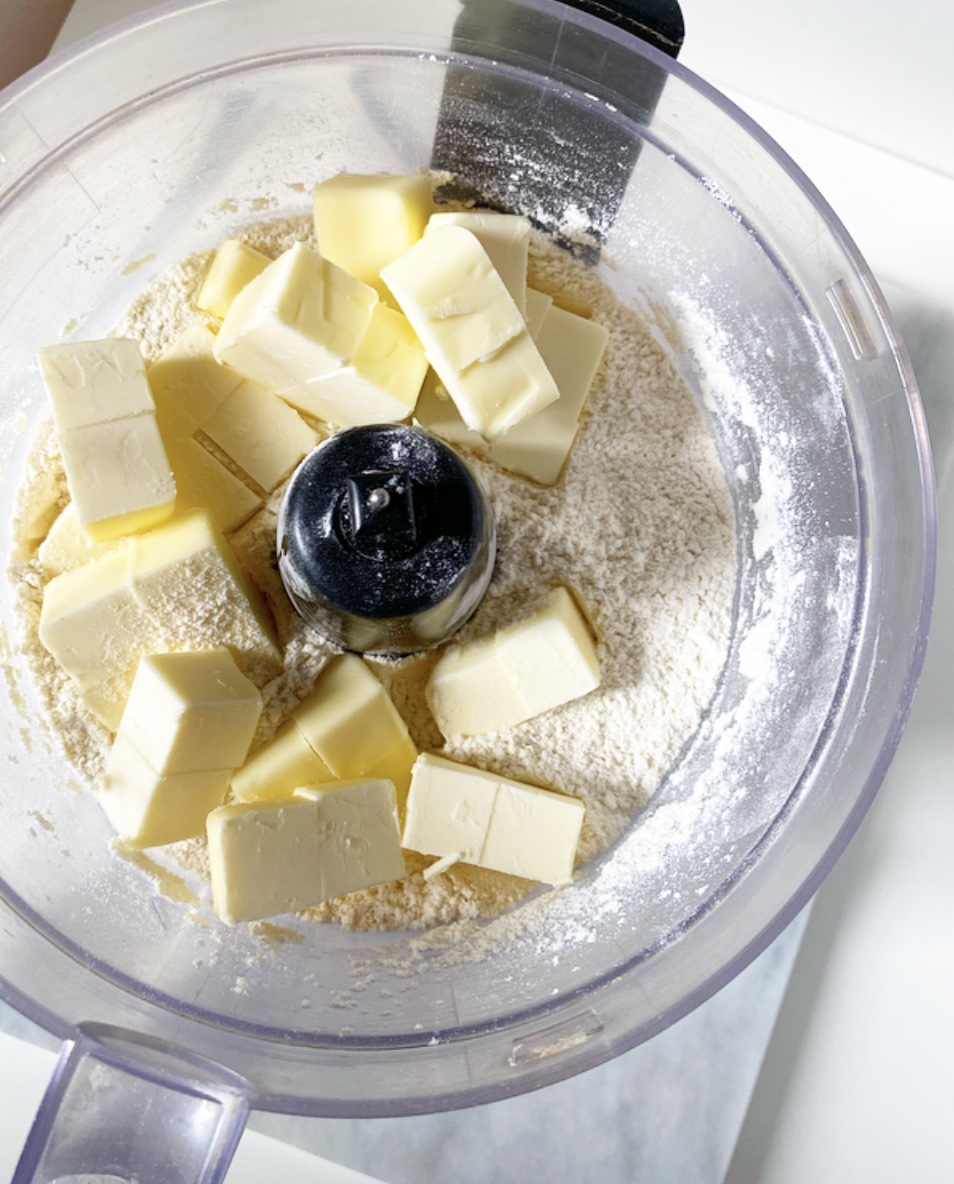
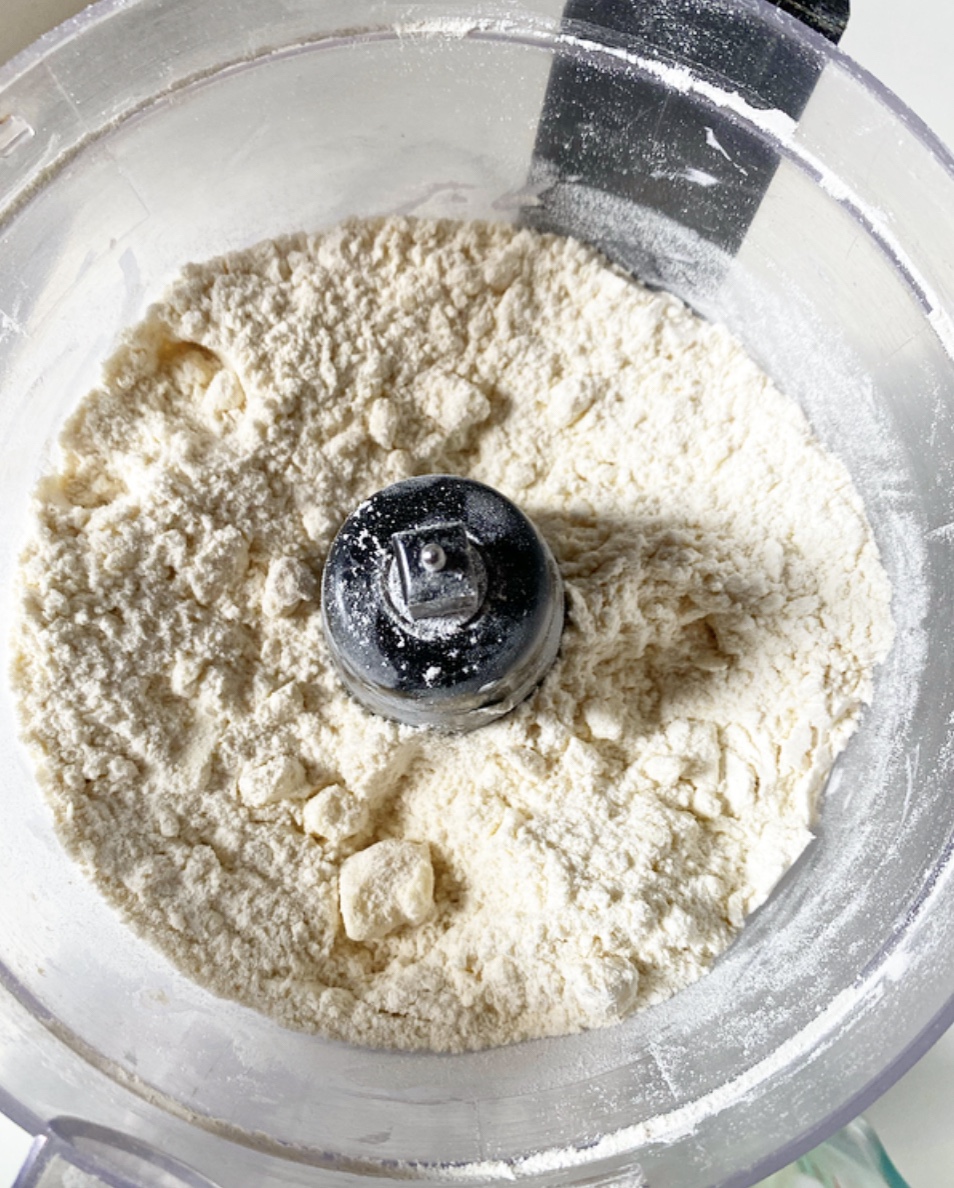
Next, add the COLD cubed butter and pulse it until the largest pieces are the size of marbles. This should take a maximum 5-10 pulses. Don’t let the butter get to the standard “large peas” phase or there will not have visible butter in the final product. If the butter is over-processed, the dry ingredients and butter may be transferred to a bowl where the liquid may be added by hand. Otherwise…

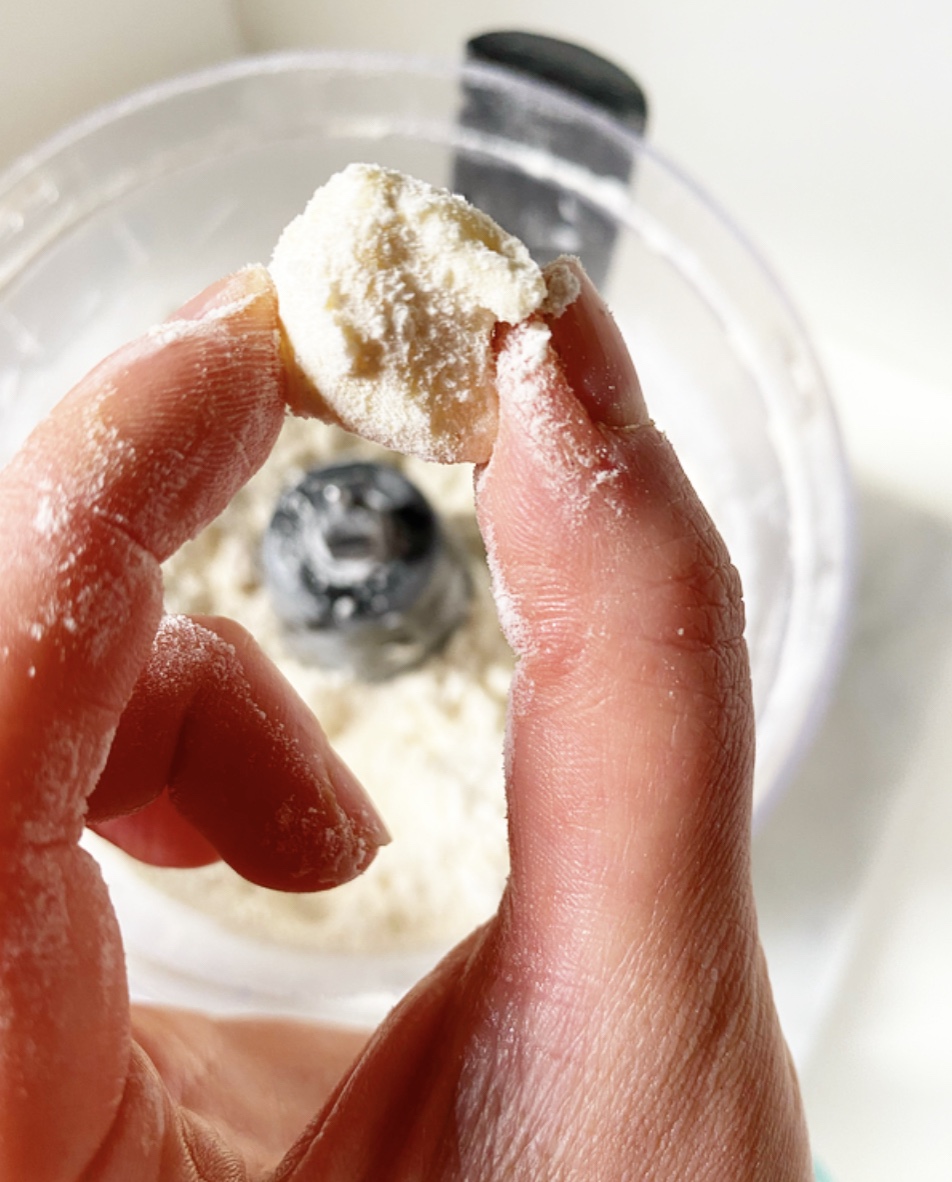
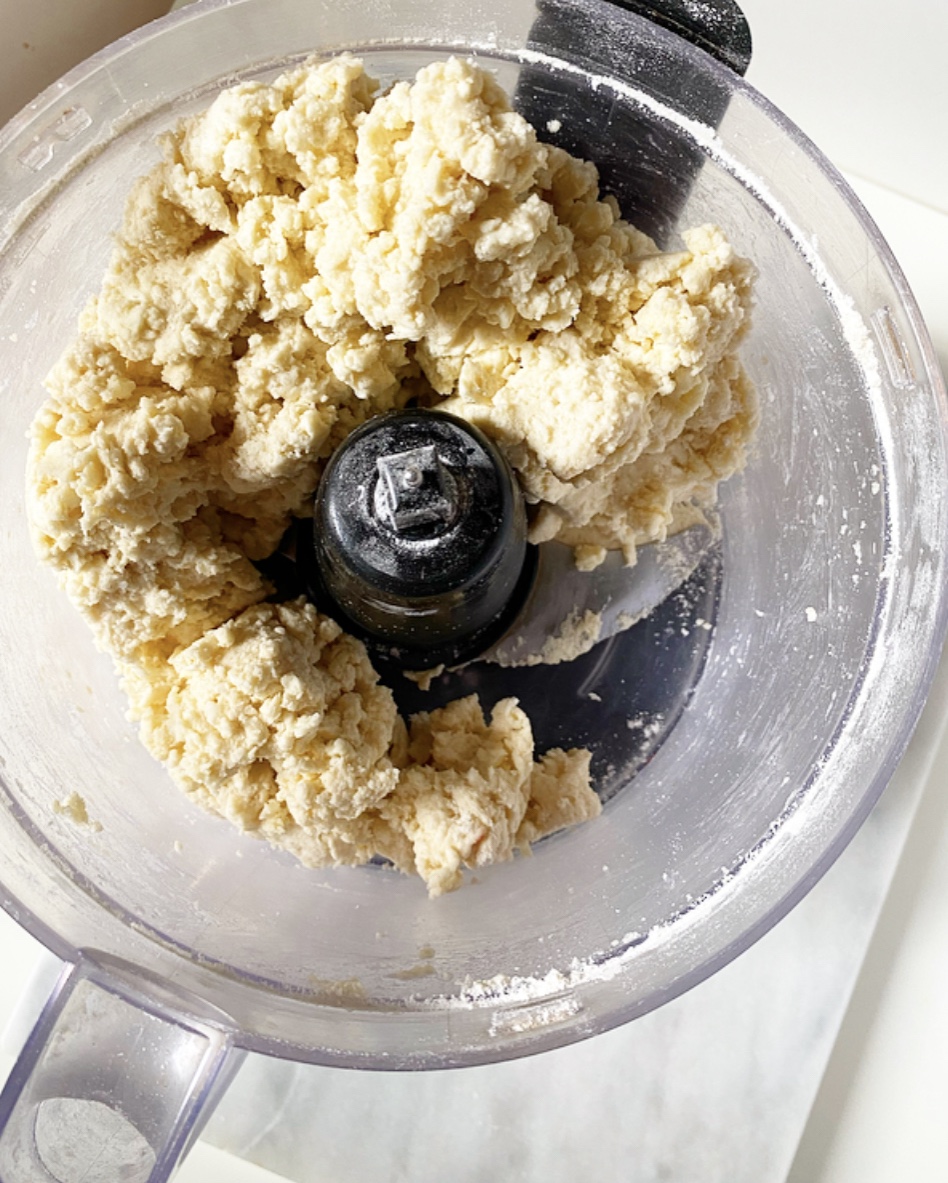
Pulse in the liquid ingredients. For my All-Butter Pie Dough, I use ice water and vinegar. Add liquid slowly through the food processor’s feed tube just until the dough gathers together. It should look clumpy.

The Best Way to Mix Pie Dough​ in the Food Processor

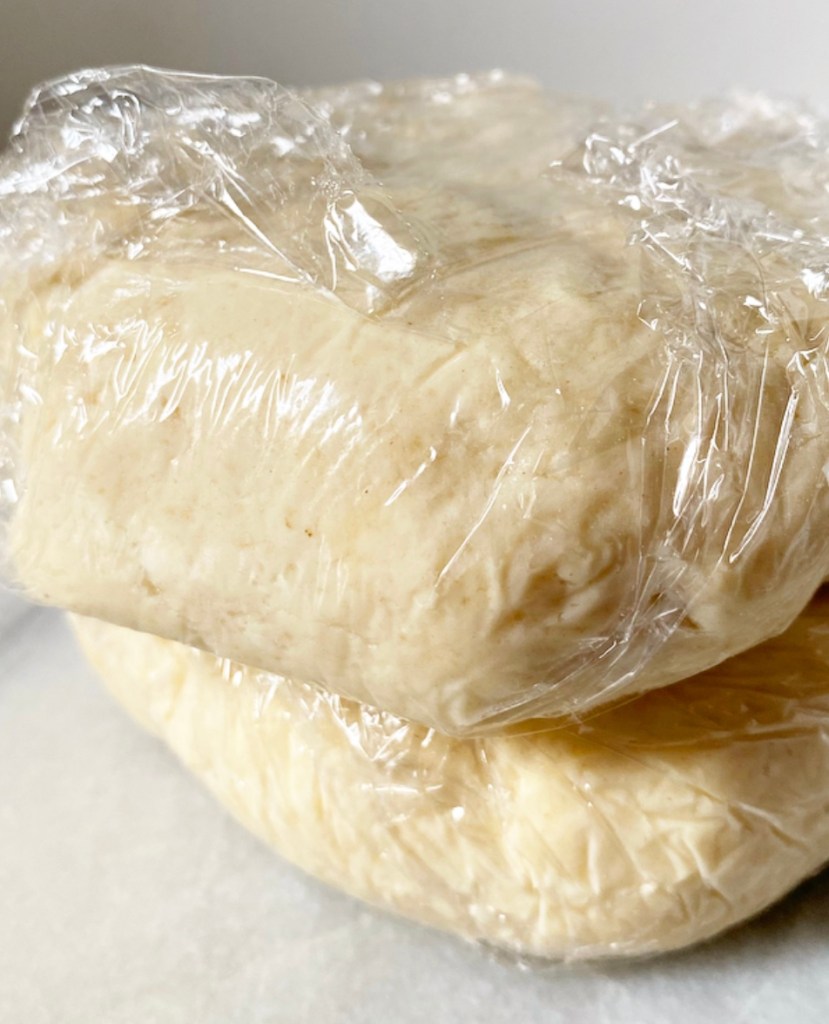
After that simply halve the dough, form it into disks, wrap it in plastic and refrigerate for an hour or up to three days. For longer storage, triple wrap the pie dough in plastic and freeze it for up to six months.

The Best Way to Mix Pie Dough​ in the Food Processor

I could leave it at that, but I know pie dough freaks some people out, so I’m going to give you some tips for pie dough success. These aren’t secrets, just things I wish someone would have gently told me before I ever made my first crust. Years of hearing food personalities telling you that pie dough (and for that matter, yeasted anything) is difficult to make are not easily shaken, but I promise that this is way simpler than it’s been made out to be.

The Best Way to Mix Pie Dough​ in the Food Processor

Measure all the ingredients ahead of time and chill the ones that need to be chilled. This goes for any pie dough recipe you are making. Ideally, you should do this with every recipe, but I understand that you live in the real world. Nevertheless, doing it here will keep you from having soft butter and make everything accessible so you can be efficient.

Move quickly, but don’t rush! Resist the urge to add all the ingredients at the same time. There are three steps here: blitz the dry ingredients, pulse in the butter, pulse in the liquid ingredients. Each one has to be done just to a certain point because, as with hand-mixed pie dough, we want visible butter in our finished product. Visible butter = flaky pie crust.

The fridge is your friend. Getting overwhelmed or over-warmed? You have the option of throwing your entire food processor (minus the stand) in the refrigerator at anytime. A 15 minute chill can do your dough and your mental health a world of good.

Make multiple batches at once. Your food processor is already out and dirty after one batch and pie dough is very freezer-friendly. You can spend less than half an hour mixing dough and then be stocked for the holidays and beyond. Simply thaw disks of dough overnight in the fridge when you want to make pie.

Do not make pie dough if you do not enjoy it. I mean it! If you are indifferent to the flavor of homemade vs. store bought pie crust, or if making pie dough brings you more agony than joy, please please please do not waste your time making it. Baking should be fun, period. Full stop.

I, for one, find making pie dough very fun and look forward to making three new Thanksgiving pies for you every year. Here’s a sneak peek at the first! It’s coming Friday.

Still have questions? I made a video of this process last year. Click here to see how it’s done!

All-Butter Pie Dough in the Food Processor
makes 2 crusts

1 cup (2 sticks) unsalted butter, very cold, cut into cubes
1 tablespoon apple cider vinegar
~2/3 cup water, very cold
ice cubes
2 1/2 cups all-purpose flour
2 tablespoons granulated sugar
1/2 teaspoon Kosher or sea salt

Cut butter into cubes. Put it on a plate and freeze it while you prepare the other ingredients.

Pour apple cider vinegar into a liquid measuring cup. Add cold water up to the 2/3 cup mark. Add a few ice cubes. Set aside.

In a food processor, pulse together flour, sugar and salt until combined.

Add butter and pulse until the largest pieces are the size of marbles.

Slowly add 1/2 cup of the liquid through the feed tube of the food processor, pulsing occasionally, to combine. Continue to add more liquid and pulse just until the dough clumps.

Turn dough onto a surface and give it a couple of quick kneads to help it come together, if needed. Divide dough into two equal pieces and fork into disks. Wrap in plastic wrap and refrigerate for at least 1 hour or up to 3 days. For longer storage, triple wrap your disks in plastic wrap and freeze for up to 6 months. Thaw overnight in the fridge before using.

Flour a surface and a rolling pin. Unwrap one disk of dough. Use rolling pin to roll dough to 1/8-inch thickness (about 14 inches in diameter for a 9-inch pie plate). For easiest rolling, roll dough in one direction, turning it one quarter turn after each roll. Re-flour surface and rolling pin as needed.

To transfer to a pie plate, carefully fold dough into quarters. Place point in the center of the pie plate and carefully unfold. Fit it to the pan, trim any excess overhang to 1-inch and crimp.

Proceed with your pie recipe as written.

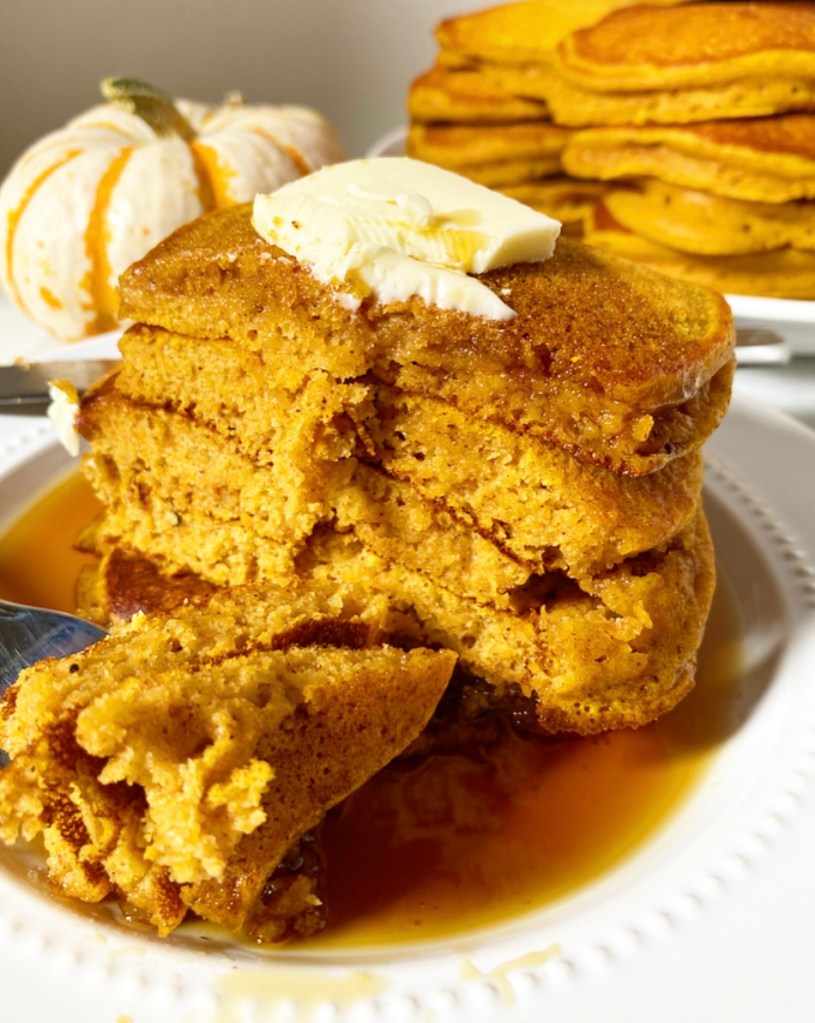
Pumpkin Pancakes

Pumpkin Pancakes

Two pumpkin recipes in a row?! ‘Tis the season.

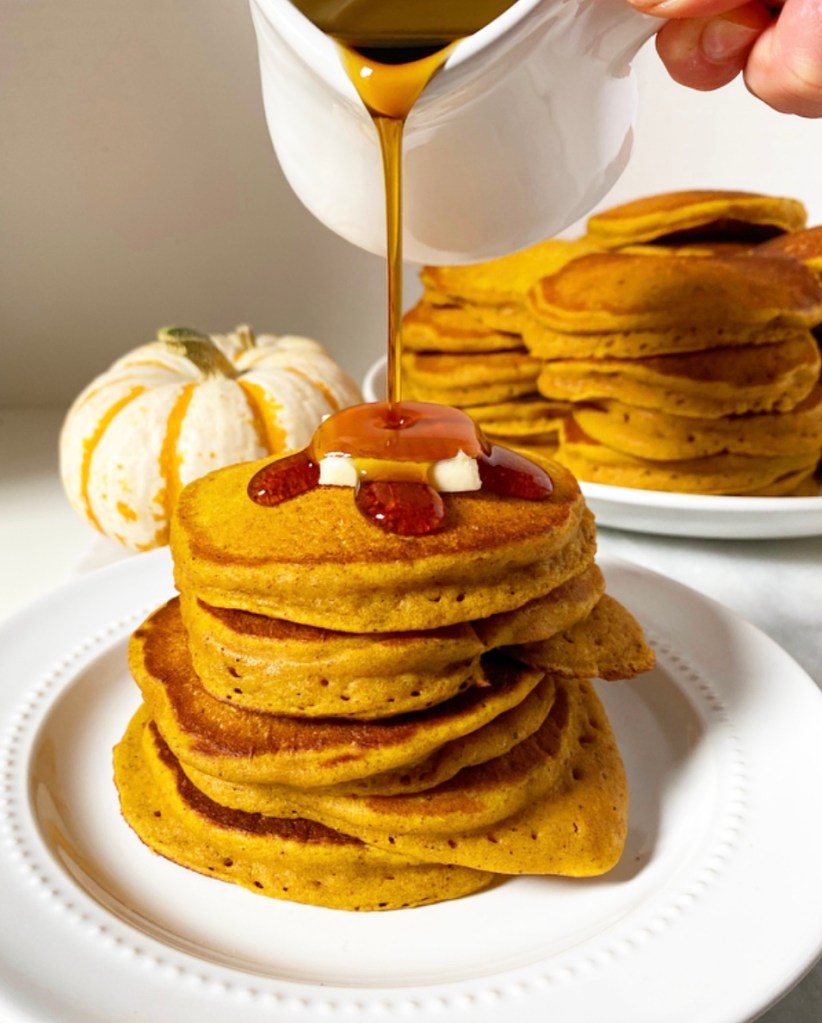
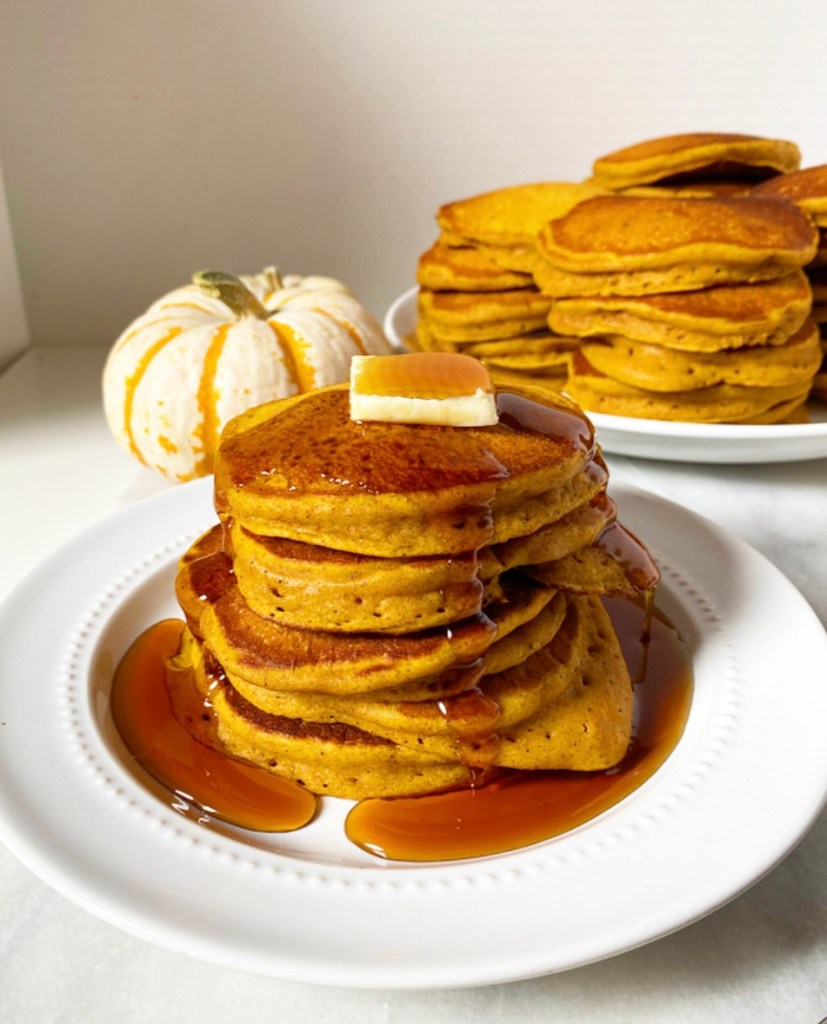
And even if it weren’t, the prospect of these fluffy, golden Pumpkin Pancakes might just get me to crack open a can of the orange stuff any ol’ time. Even in the middle of summer. But seeing as it’s October right now, I suppose I’ll cross that bridge when I get to it.

Pumpkin Pancakes

Right here, right now though, on this autumnal Wednesday? Nobody can argue with me about seasonality. They can call me basic if they want, but if being basic means I get to have a stack of Pumpkin Pancakes for breakfast and then stock my freezer for an inevitable mid-November Pumpkin Pancake “emergency?” Well, call me basic.

Call me whatever you want, in fact. Just don’t forget to call me when you’re making these for breakfast.

Pumpkin Pancakes
makes 18 pancakes

1 1/2 cups all-purpose flour
3 tablespoons light or dark brown sugar, packed
2 teaspoons pumpkin pie spice
2 teaspoons baking powder
1 teaspoon baking soda
3/4 teaspoon Kosher or sea salt
1 cup pure pumpkin purée
1 1/3 cup milk or buttermilk, room temperature
1/4 cup (1/2 stick) unsalted butter, melted
2 large eggs, room temperature
2 teaspoons pure vanilla extract
canola or vegetable oil, for cooking

For serving:
pats of butter
chopped nuts
maple syrup

Preheat oven to 200F. Line a rimmed sheet pan with parchment. Set aside.

In a large mixing bowl, whisk together flour, brown sugar, pumpkin pie spice, baking powder, baking soda and salt.

In a medium mixing bowl or large measuring cup, whisk together pumpkin purée, milk (or buttermilk), melted butter, eggs and vanilla. Add wet ingredients to dry and whisk until no streaks of flour remain—there will still be some lumps. Let batter rest 5-10 minutes.

Heat your pan or griddle over medium heat for a few minutes, until heated through. Brush with oil (or grease lightly), then wipe excess out with a folded paper towel or kitchen towel.

Stir rested batter one or two strokes. Pour 1/4 cup increments of batter on greased pan. Let cook 2-3 minutes, until bubbles are forming and they are turning golden. Flip with a spatula and cook for 2 minutes, or until the bottom is turning golden. Remove to prepared baking sheet and keep warm in the oven until serving.

Continue making pancakes with remaining batter, greasing the pan only as necessary.

Serve immediately with butter, chopped nuts and/or maple syrup, if desired.

Leftover pancakes may be stacked in threes, triple-wrapped in plastic wrap and frozen for a couple of months. Discard plastic and microwave 2.5 to 3 minutes before serving.