For years, I have been telling you to mix your pie dough by hand. In fact, I have insisted.
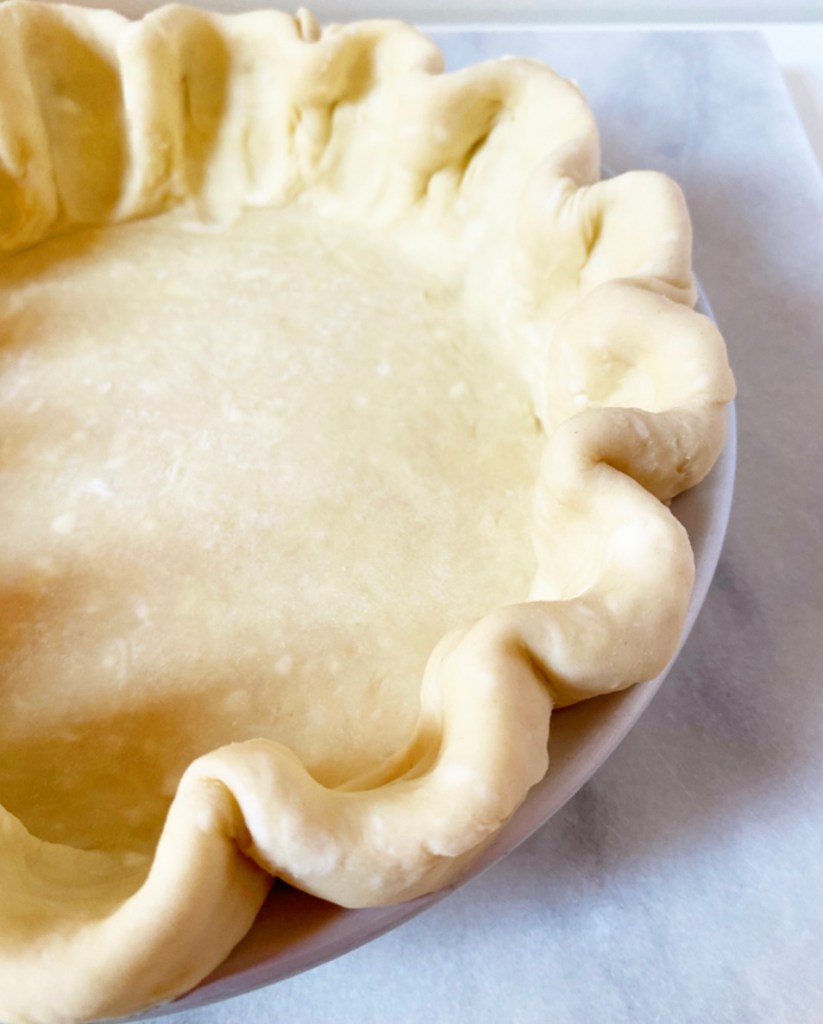
In the seven Thanksgiving seasons that this blog has seen, I have never put a food processor method for pie dough on here. I thought I was above it and that hand-mixed dough was far superior, but that was then, when I was young(er) and could still move after a full day of work. But now, at 36, I must admit that I was wrong (or at least wrong enough) and have discovered the joy of making batches of pie dough in five minutes in my food processor.
Of course, people have been making pie dough in the food processor for decades, so this is nothing new. My resistance is not because I’m a Luddite (which I am), but because I find most food processor pie doughs to lack flakiness, because people tend to process the butter too much. Visible butter is the sign of a future flaky crust; the water in the butter evaporates and creates buttery lil’ air pockets. When you mix dough by hand, it’s much easier to ensure that you get visible butter chunks, but that takes time and energy that I do not currently have, so I have figured a way to make the food processor method work for me. Here’s my method for All-Butter Pie Dough in the food processor.
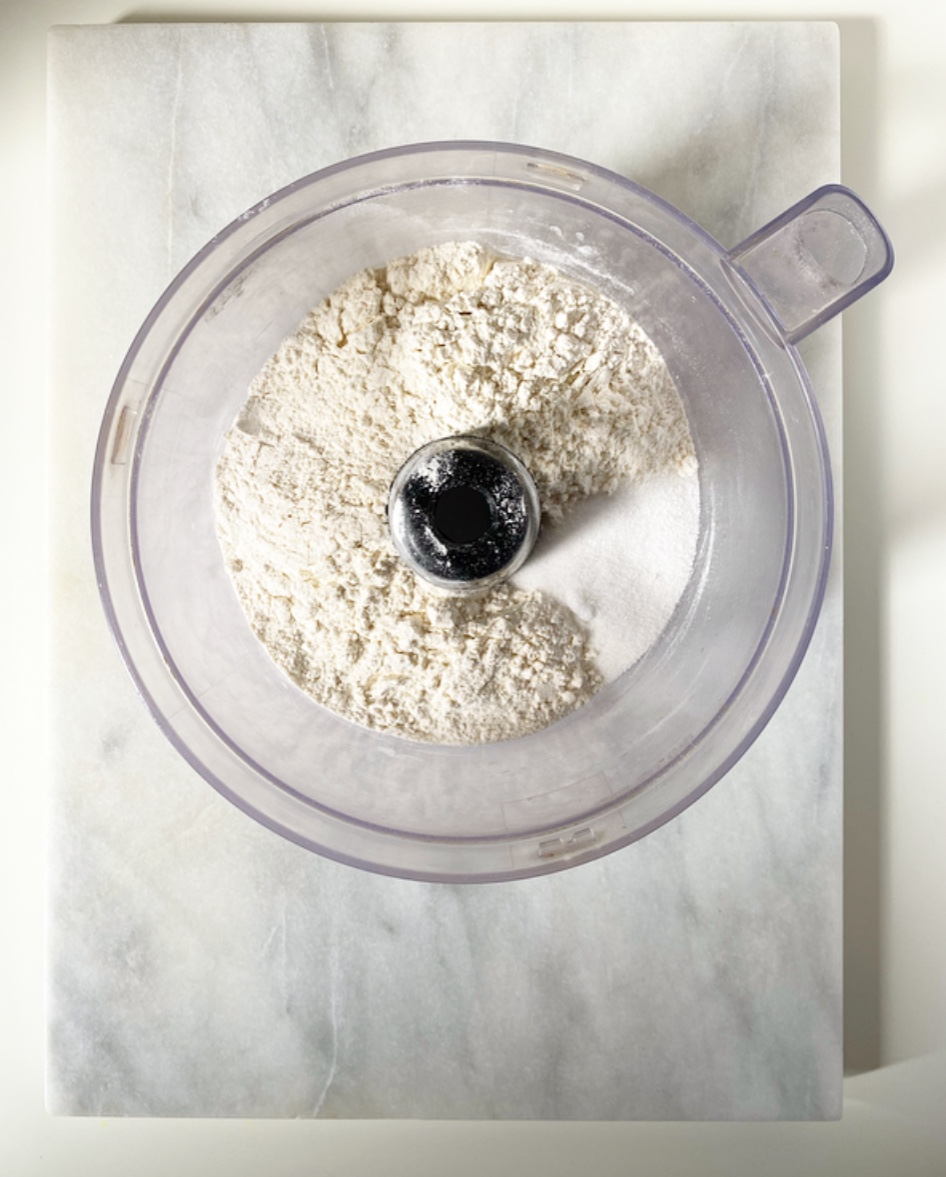
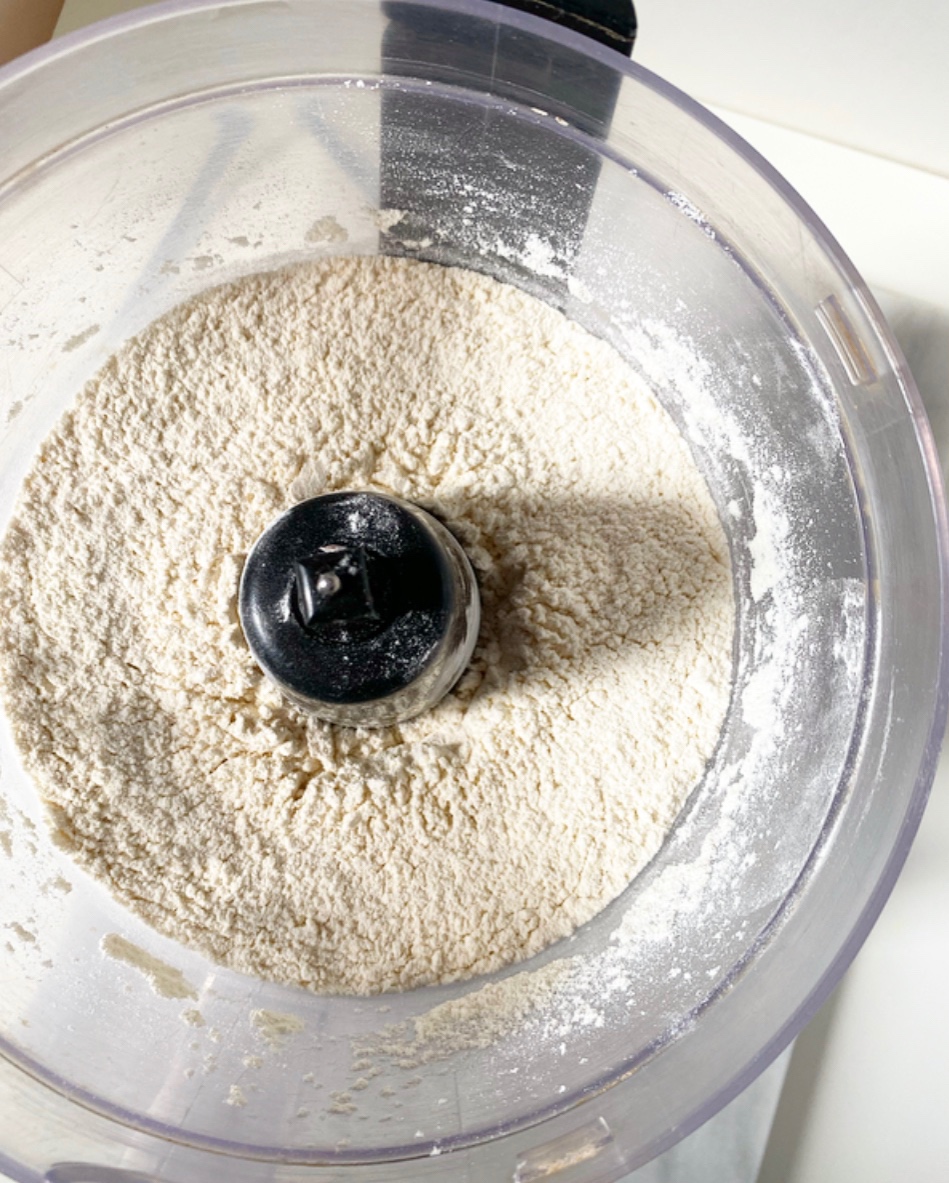
First, blitz the dry ingredients together. This will evenly mix the sugar and salt into the flour. Also, it looks like freshly fallen snow and that delights me.
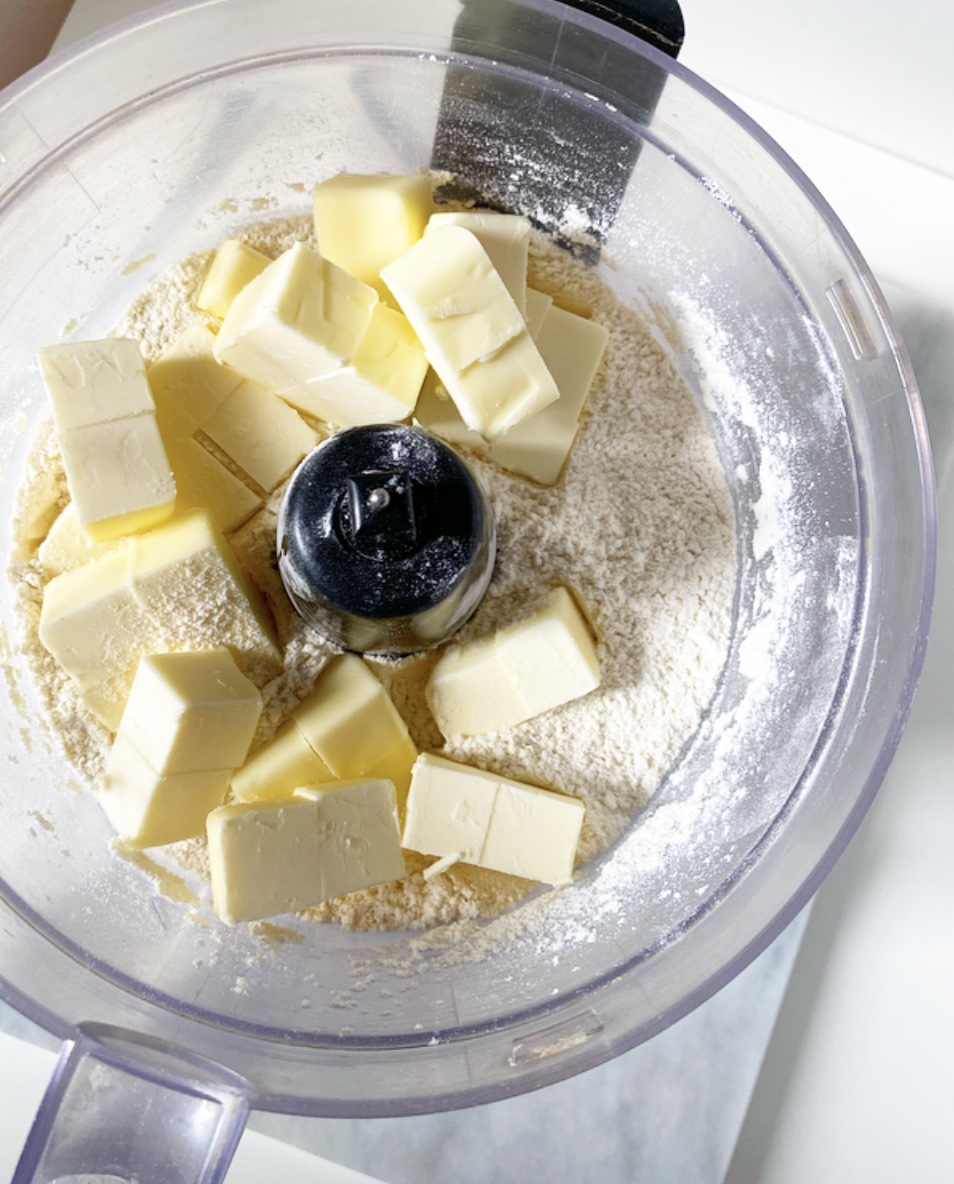
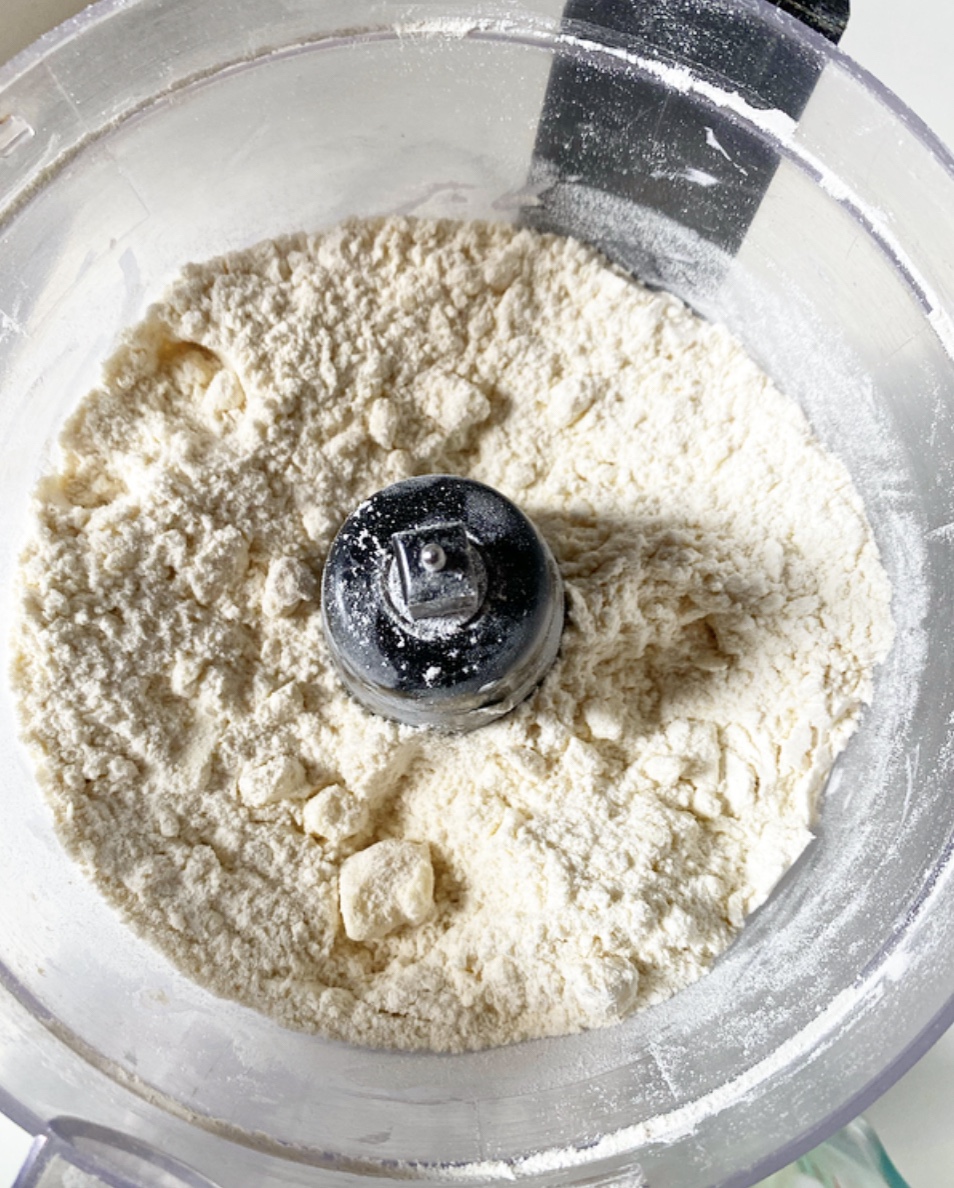
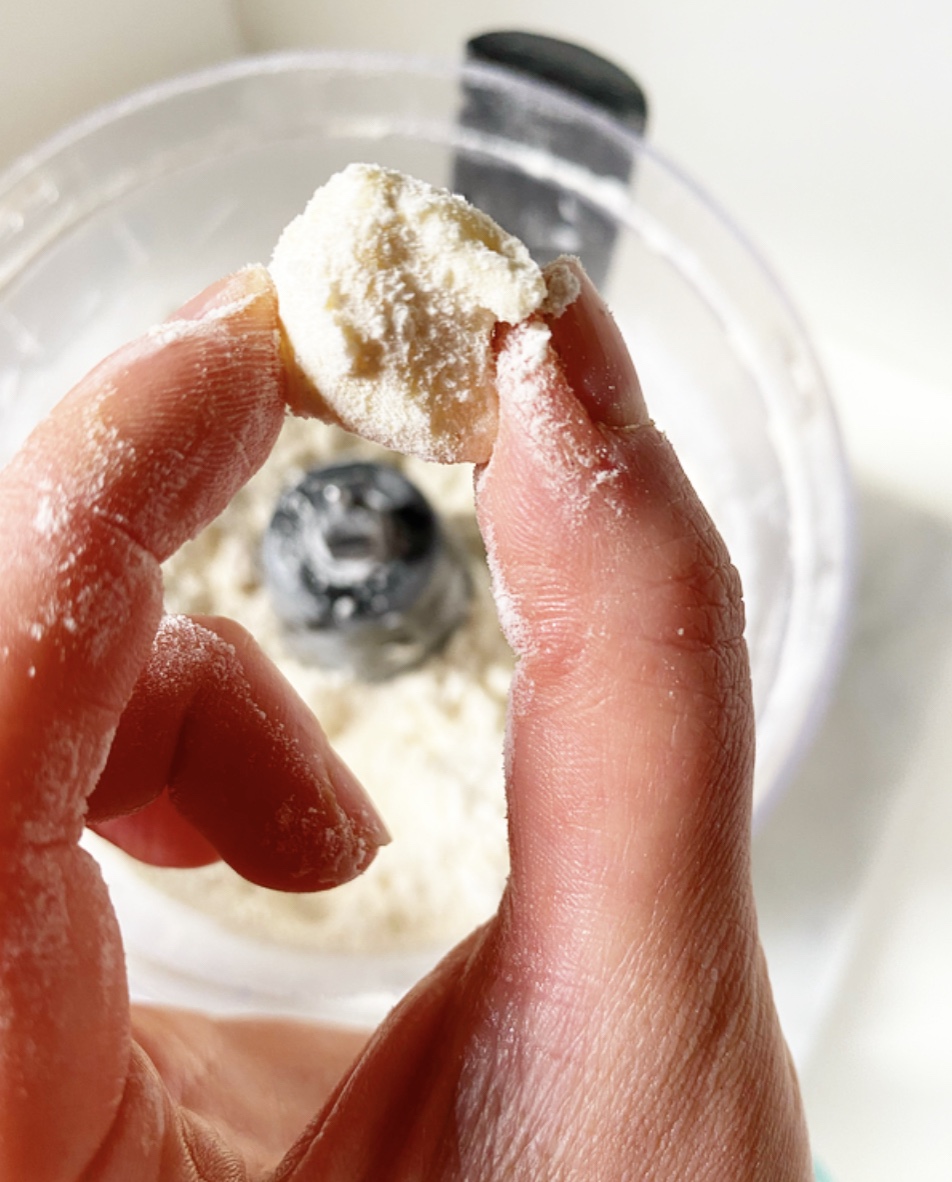
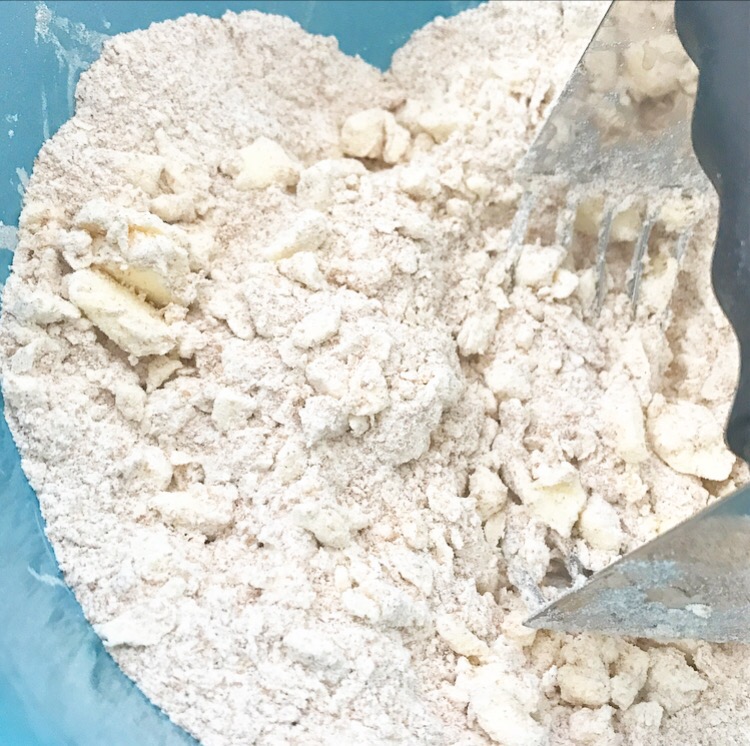
Next, add the COLD cubed butter and pulse it until the largest pieces are the size of marbles. This should take a maximum 5-10 pulses. Don’t let the butter get to the standard “large peas” phase or there will not have visible butter in the final product. If the butter is over-processed, the dry ingredients and butter may be transferred to a bowl where the liquid may be added by hand. Otherwise…

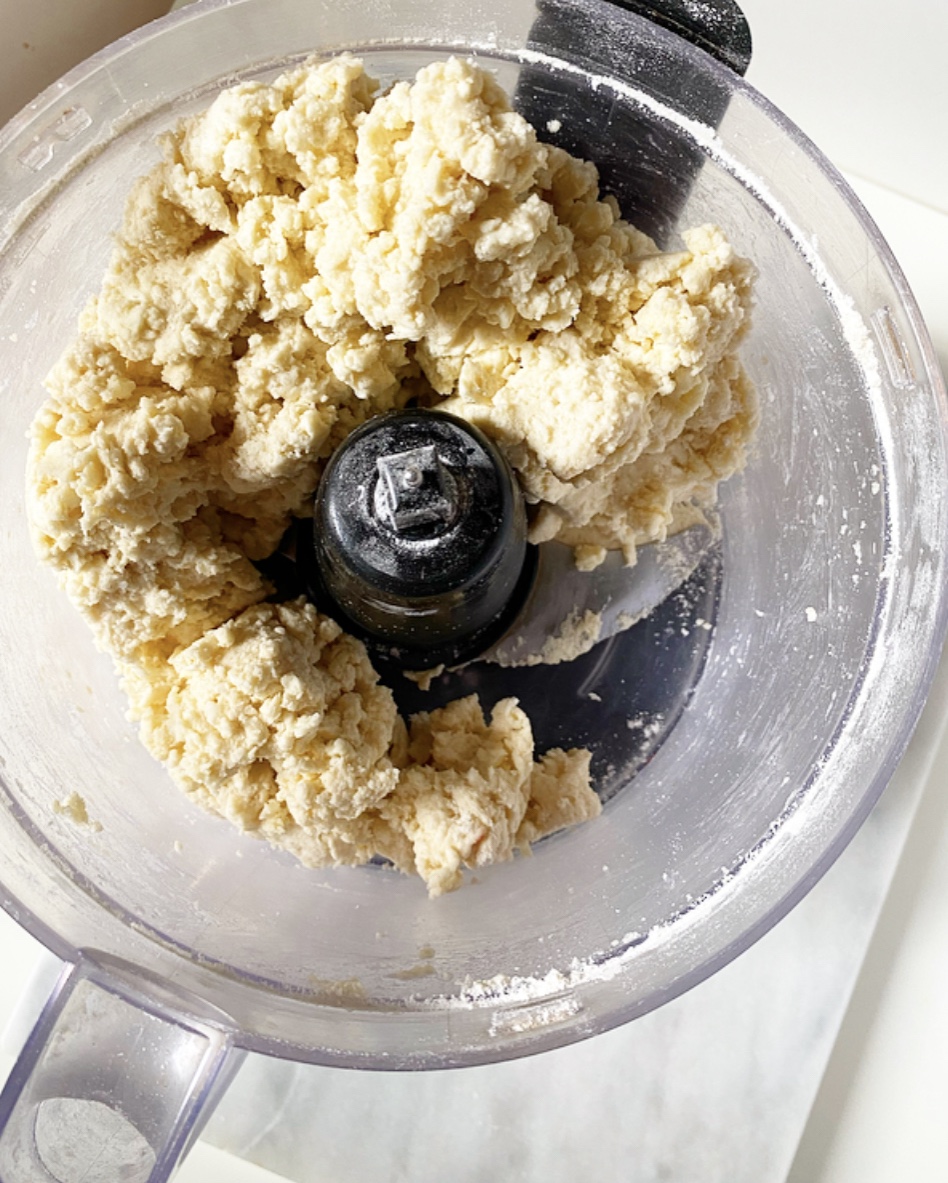
Pulse in the liquid ingredients. For my All-Butter Pie Dough, I use ice water and vinegar. Add liquid slowly through the food processor’s feed tube just until the dough gathers together. It should look clumpy.

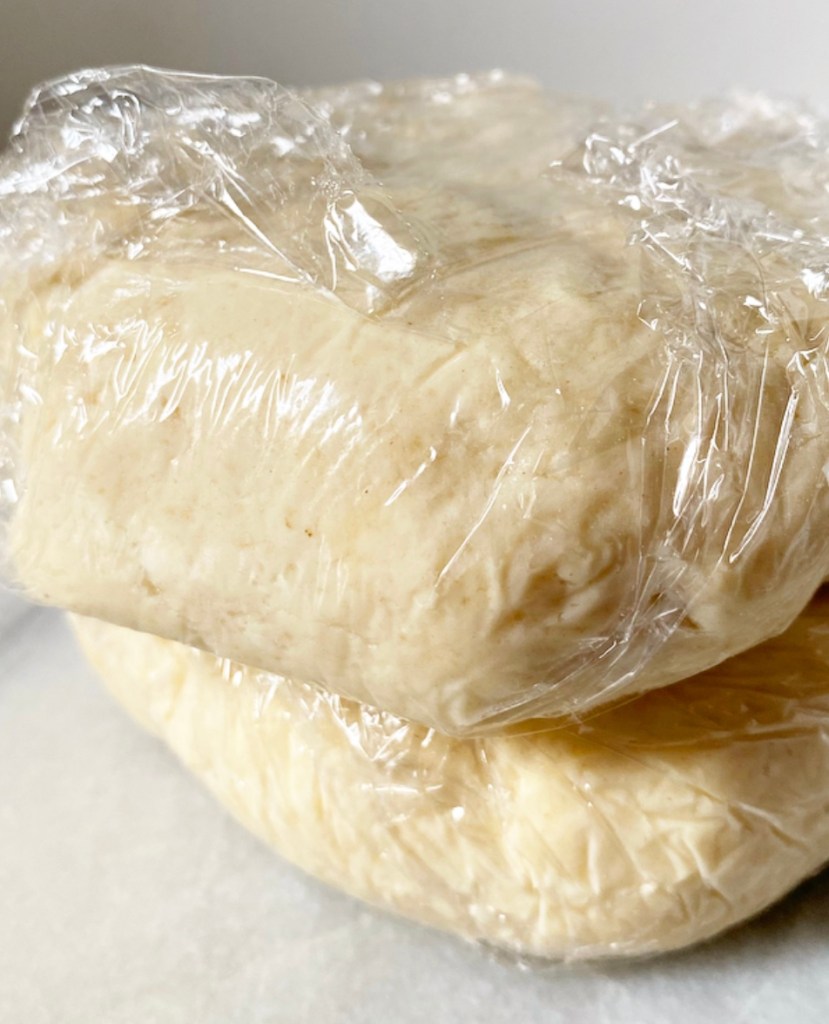
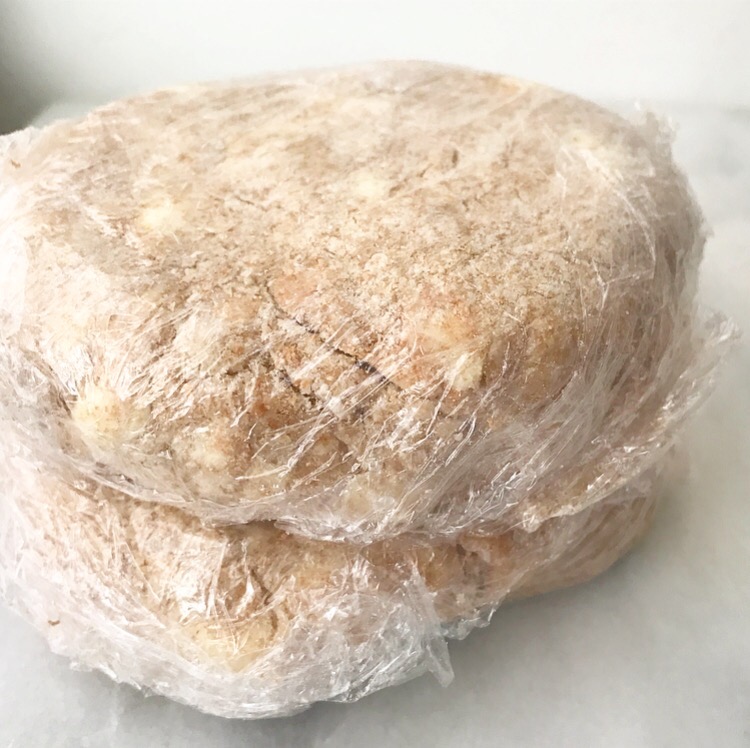
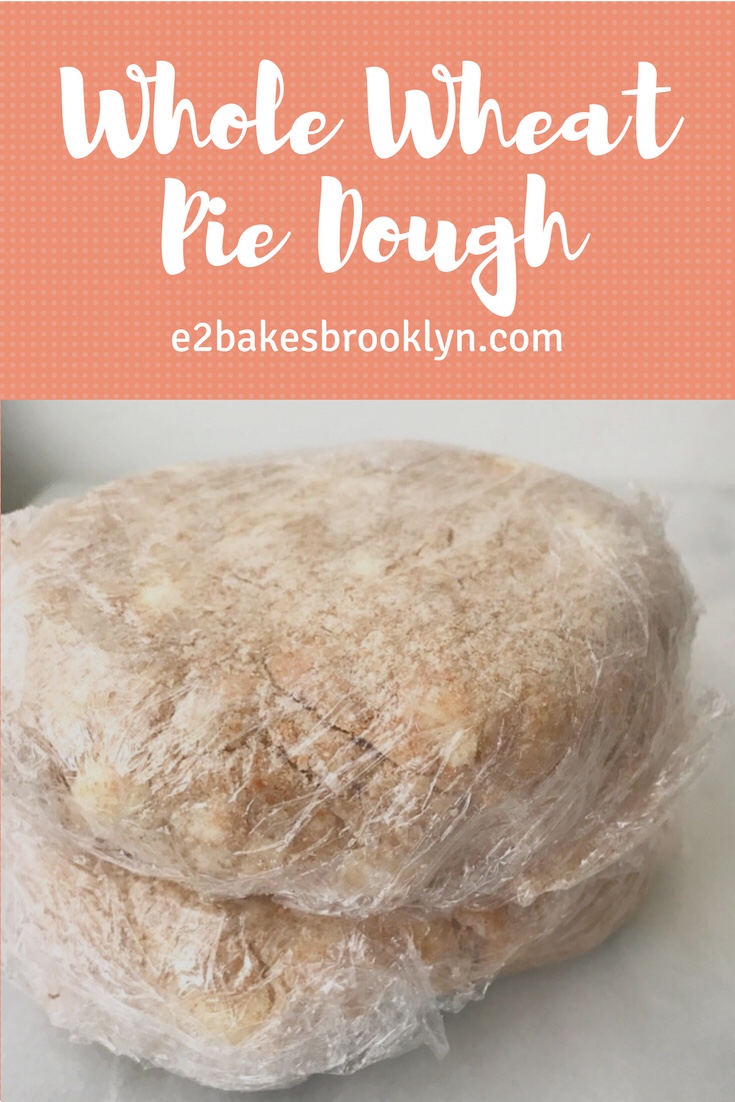
After that simply halve the dough, form it into disks, wrap it in plastic and refrigerate for an hour or up to three days. For longer storage, triple wrap the pie dough in plastic and freeze it for up to six months.
I could leave it at that, but I know pie dough freaks some people out, so I’m going to give you some tips for pie dough success. These aren’t secrets, just things I wish someone would have gently told me before I ever made my first crust. Years of hearing food personalities telling you that pie dough (and for that matter, yeasted anything) is difficult to make are not easily shaken, but I promise that this is way simpler than it’s been made out to be.

Measure all the ingredients ahead of time and chill the ones that need to be chilled. This goes for any pie dough recipe you are making. Ideally, you should do this with every recipe, but I understand that you live in the real world. Nevertheless, doing it here will keep you from having soft butter and make everything accessible so you can be efficient.
Move quickly, but don’t rush! Resist the urge to add all the ingredients at the same time. There are three steps here: blitz the dry ingredients, pulse in the butter, pulse in the liquid ingredients. Each one has to be done just to a certain point because, as with hand-mixed pie dough, we want visible butter in our finished product. Visible butter = flaky pie crust.
The fridge is your friend. Getting overwhelmed or over-warmed? You have the option of throwing your entire food processor (minus the stand) in the refrigerator at anytime. A 15 minute chill can do your dough and your mental health a world of good.
Make multiple batches at once. Your food processor is already out and dirty after one batch and pie dough is very freezer-friendly. You can spend less than half an hour mixing dough and then be stocked for the holidays and beyond. Simply thaw disks of dough overnight in the fridge when you want to make pie.
Do not make pie dough if you do not enjoy it. I mean it! If you are indifferent to the flavor of homemade vs. store bought pie crust, or if making pie dough brings you more agony than joy, please please please do not waste your time making it. Baking should be fun, period. Full stop.
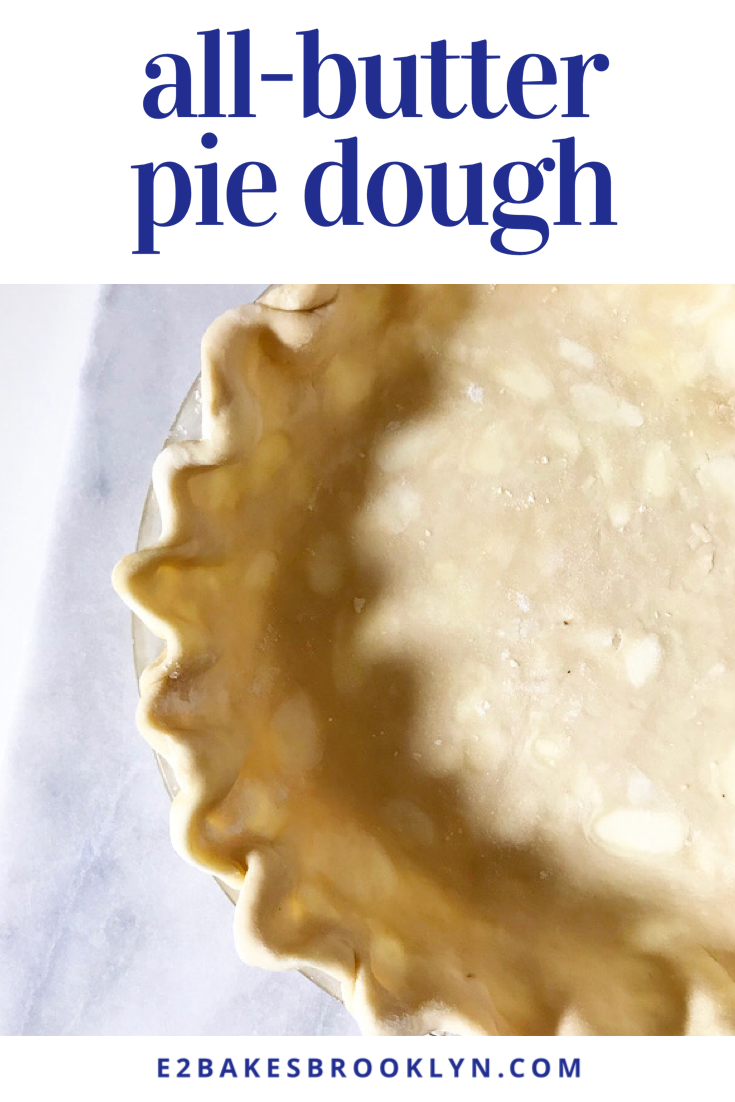
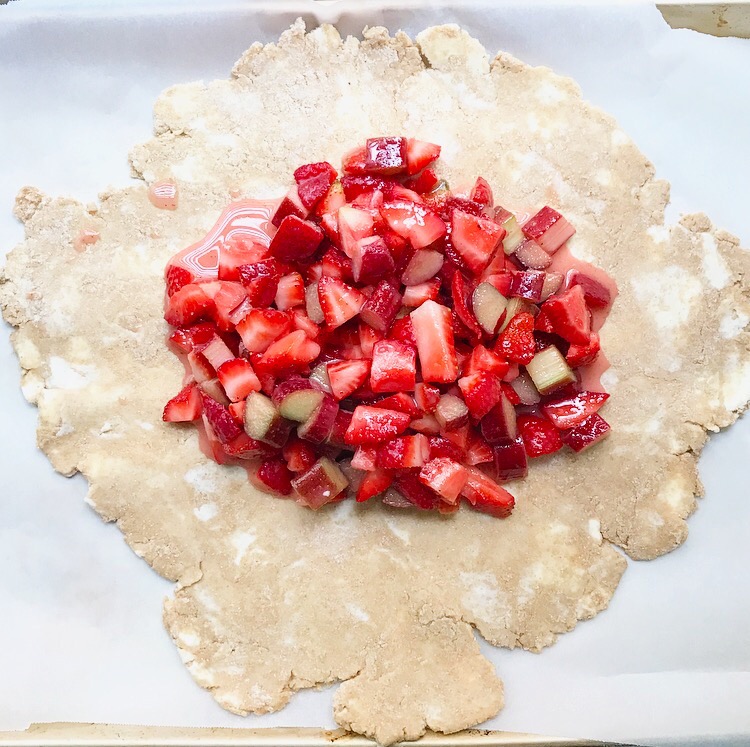
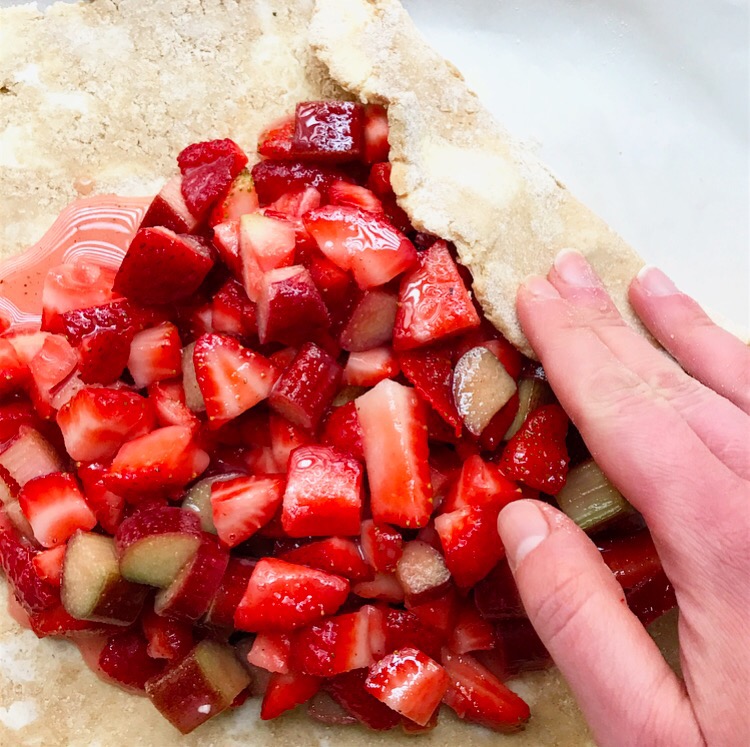
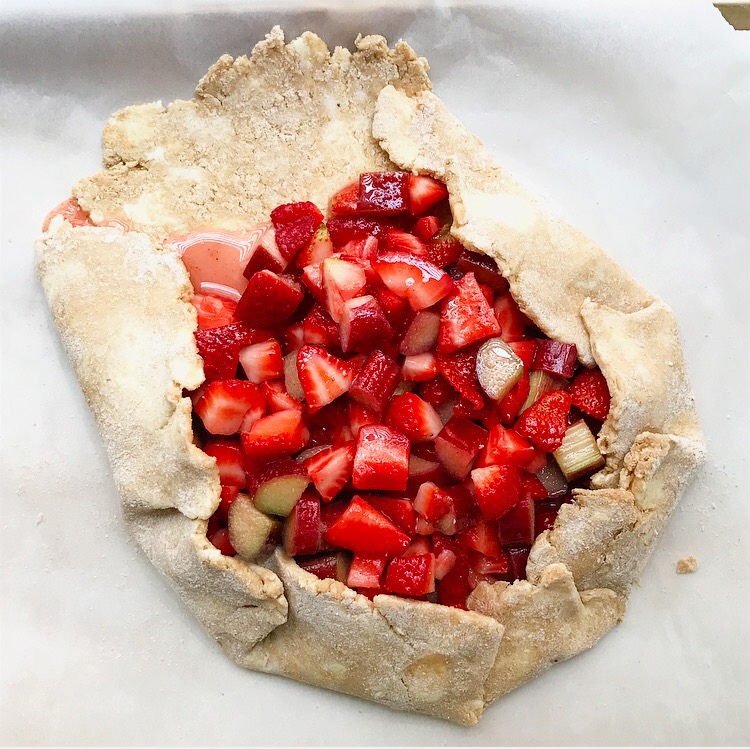
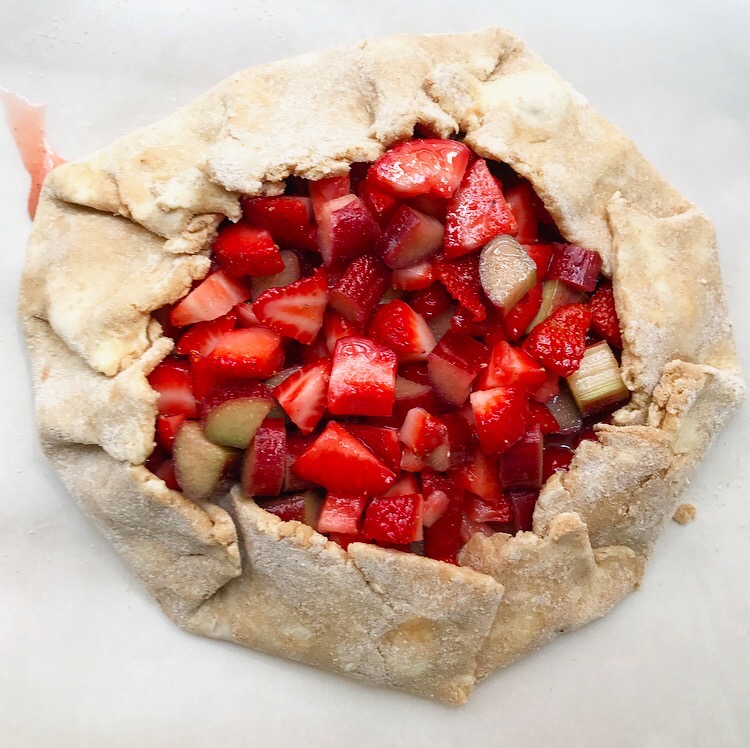
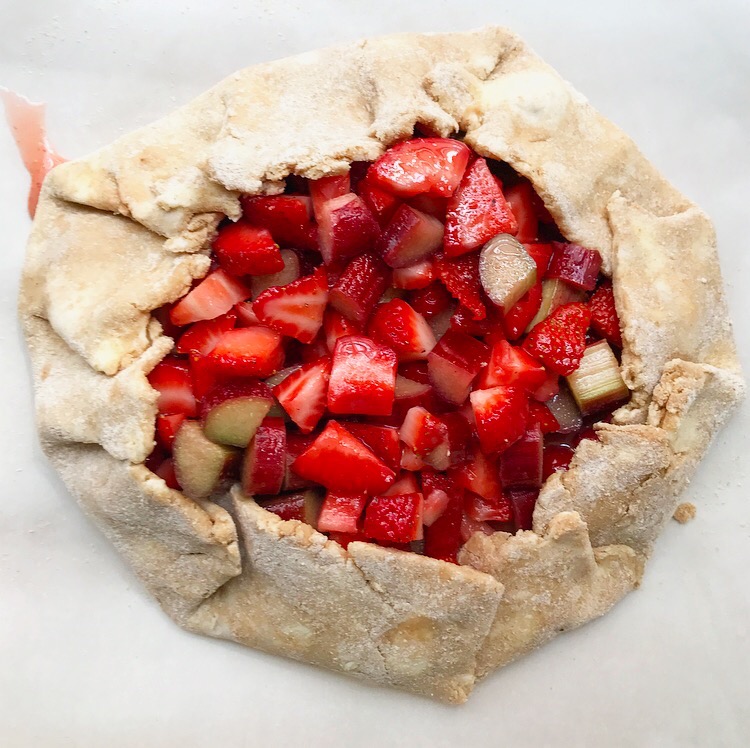
I, for one, find making pie dough very fun and look forward to making three new Thanksgiving pies for you every year. Here’s a sneak peek at the first! It’s coming Friday.

Still have questions? I made a video of this process last year. Click here to see how it’s done!
All-Butter Pie Dough in the Food Processor
makes 2 crusts

1 cup (2 sticks) unsalted butter, very cold, cut into cubes
1 tablespoon apple cider vinegar
~2/3 cup water, very cold
ice cubes
2 1/2 cups all-purpose flour
2 tablespoons granulated sugar
1/2 teaspoon Kosher or sea salt

Cut butter into cubes. Put it on a plate and freeze it while you prepare the other ingredients.

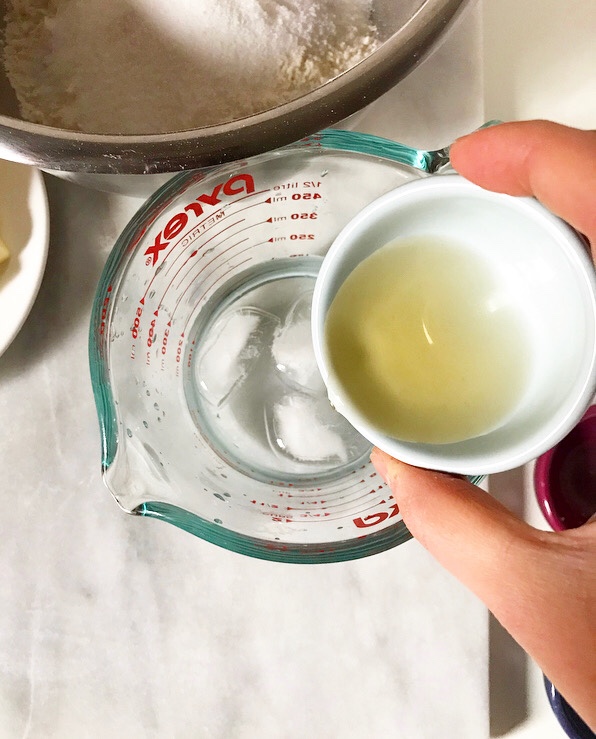
Pour apple cider vinegar into a liquid measuring cup. Add cold water up to the 2/3 cup mark. Add a few ice cubes. Set aside.

In a food processor, pulse together flour, sugar and salt until combined.

Add butter and pulse until the largest pieces are the size of marbles.

Slowly add 1/2 cup of the liquid through the feed tube of the food processor, pulsing occasionally, to combine. Continue to add more liquid and pulse just until the dough clumps.

Turn dough onto a surface and give it a couple of quick kneads to help it come together, if needed. Divide dough into two equal pieces and fork into disks. Wrap in plastic wrap and refrigerate for at least 1 hour or up to 3 days. For longer storage, triple wrap your disks in plastic wrap and freeze for up to 6 months. Thaw overnight in the fridge before using.

Flour a surface and a rolling pin. Unwrap one disk of dough. Use rolling pin to roll dough to 1/8-inch thickness (about 14 inches in diameter for a 9-inch pie plate). For easiest rolling, roll dough in one direction, turning it one quarter turn after each roll. Re-flour surface and rolling pin as needed.

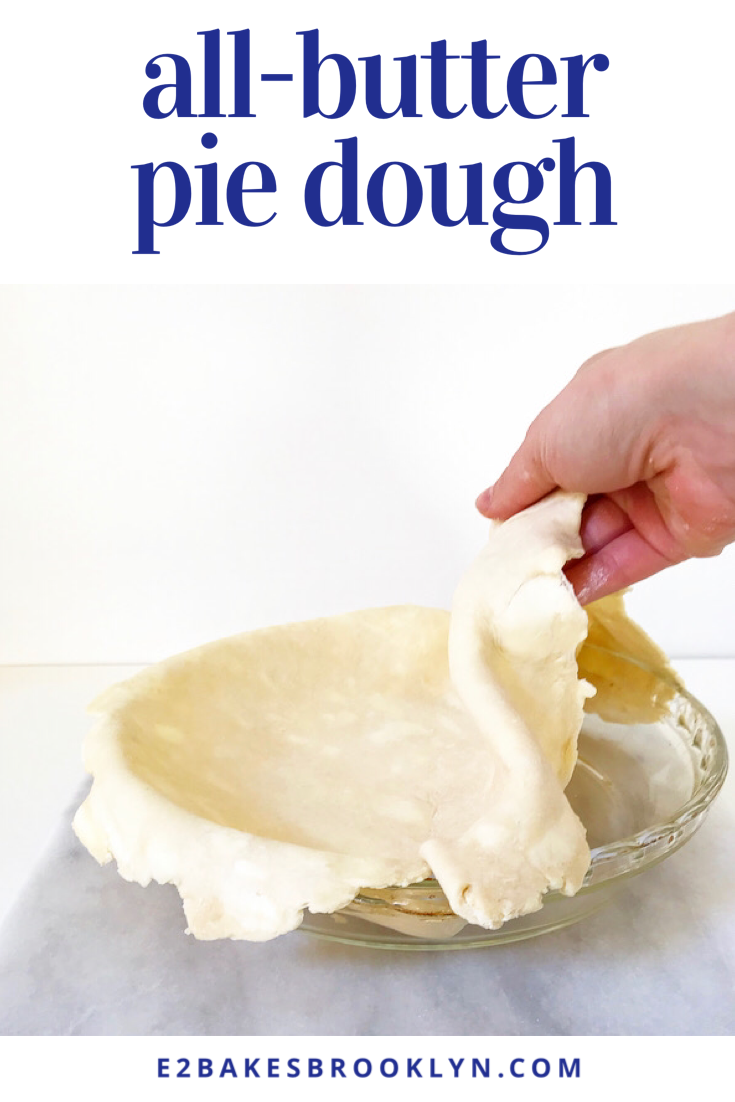
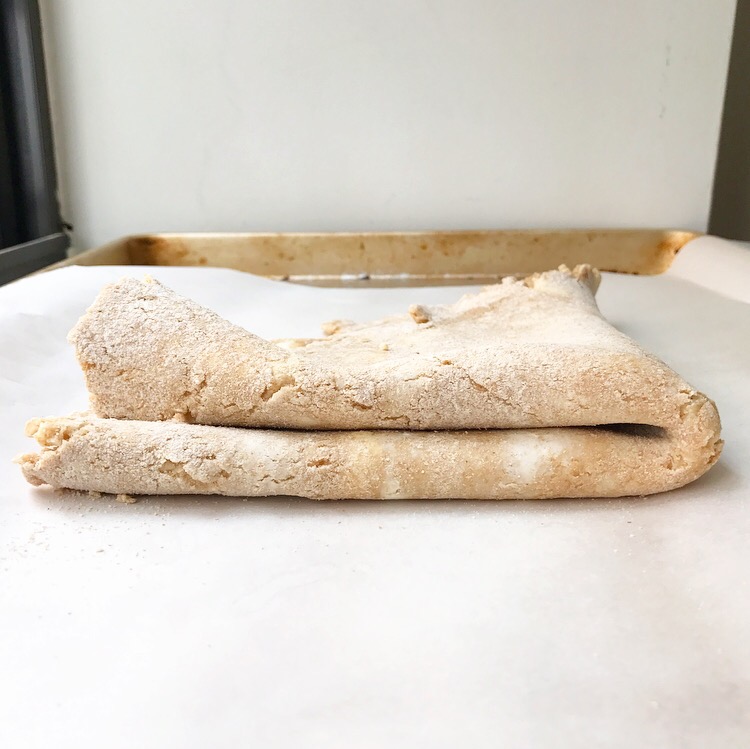
To transfer to a pie plate, carefully fold dough into quarters. Place point in the center of the pie plate and carefully unfold. Fit it to the pan, trim any excess overhang to 1-inch and crimp.

Proceed with your pie recipe as written.
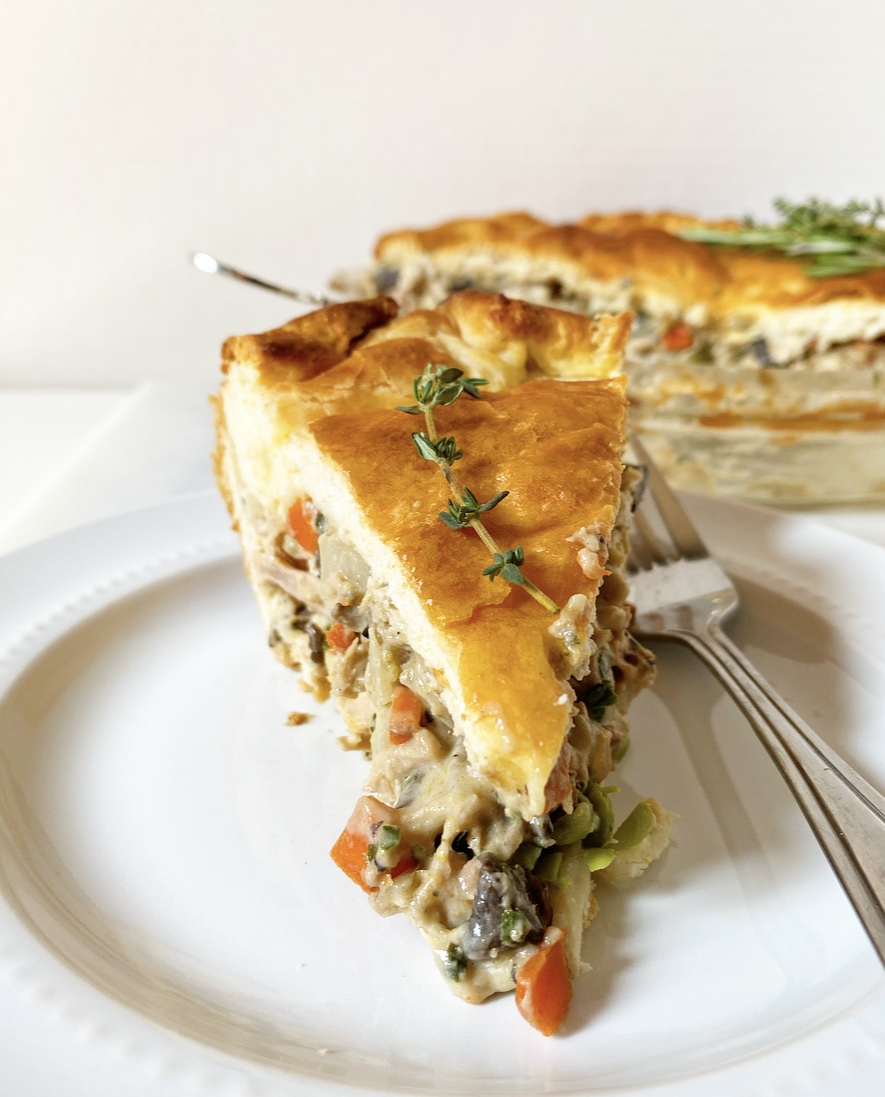 I’ve been meaning to put a Chicken Pot Pie on here for years, but inevitably I’d forget about it until the day before Thanksgiving (things to do with turkey leftovers!) or winter would slip away from me too quickly, and then it was summer, and who wants to make—let alone eat—a Chicken Pot Pie in July?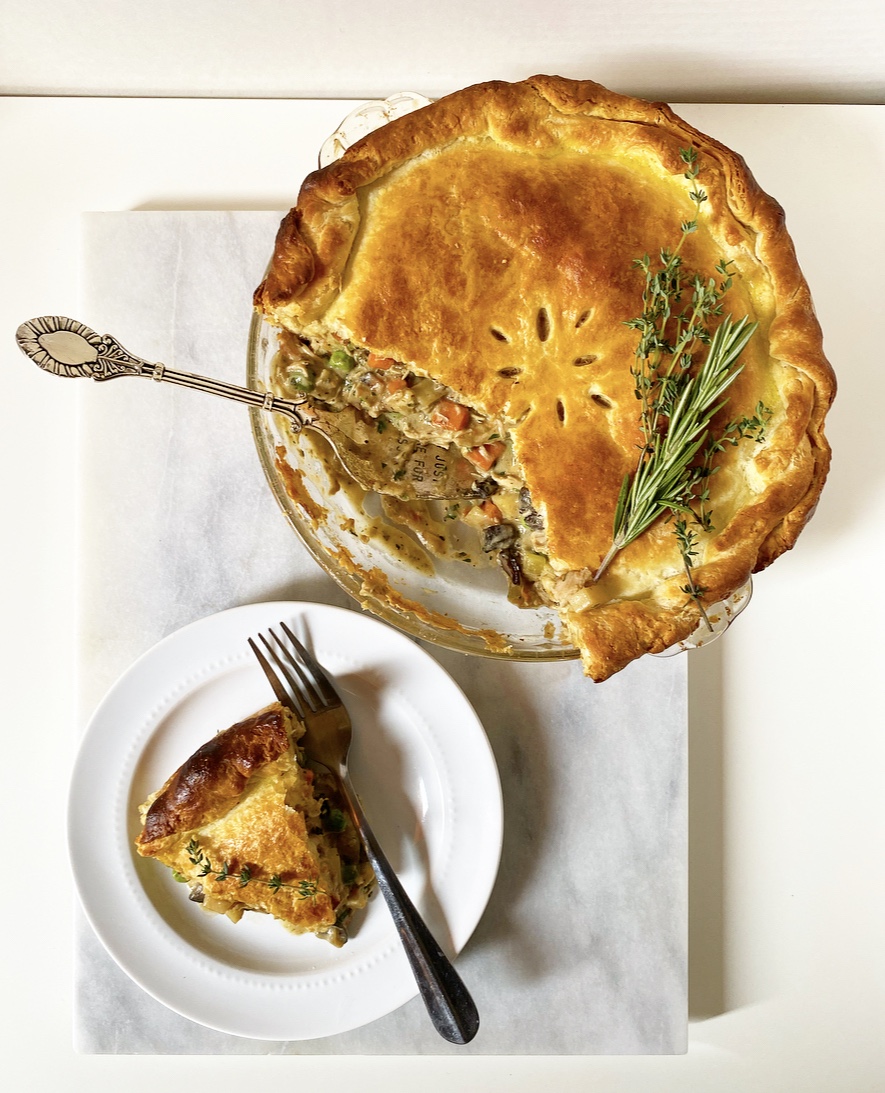
 Imagine my delight when the right timing and opportunity finally presented themselves a few weeks ago, when it seemed like every big-time food person in the world was making
  I started making pot pies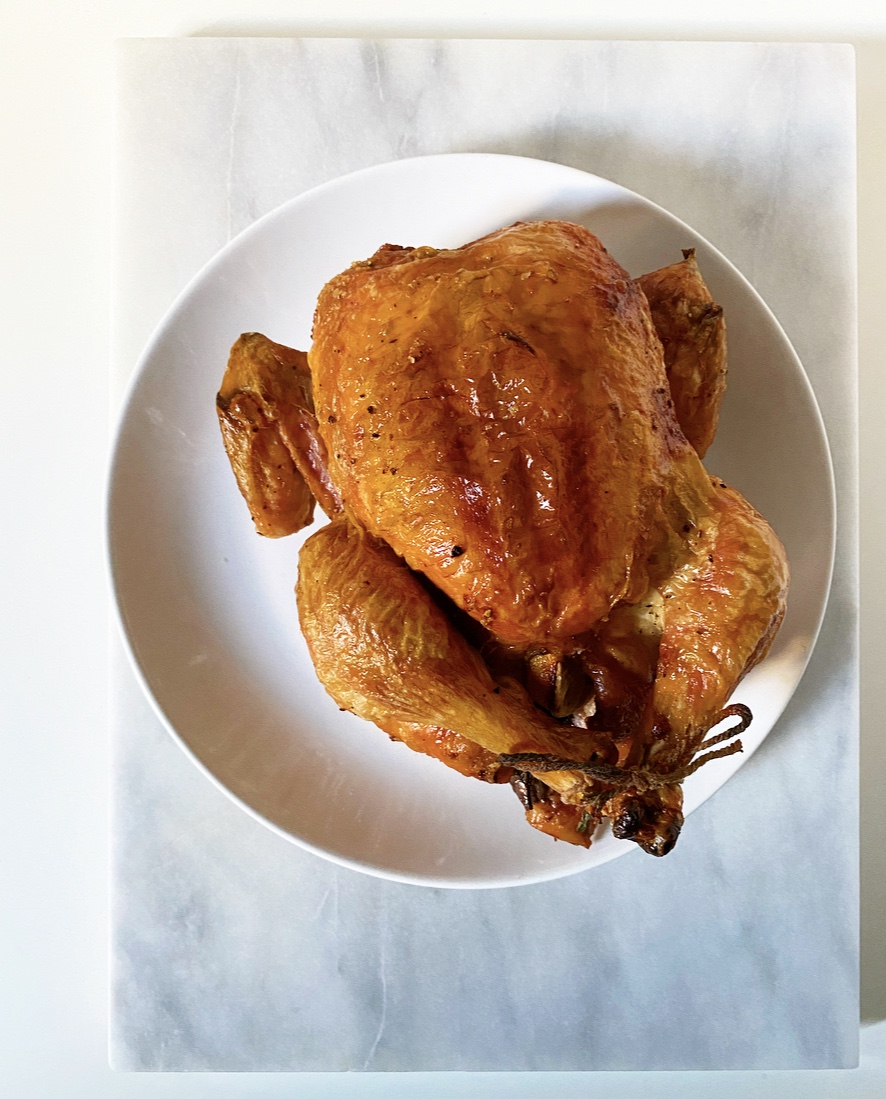
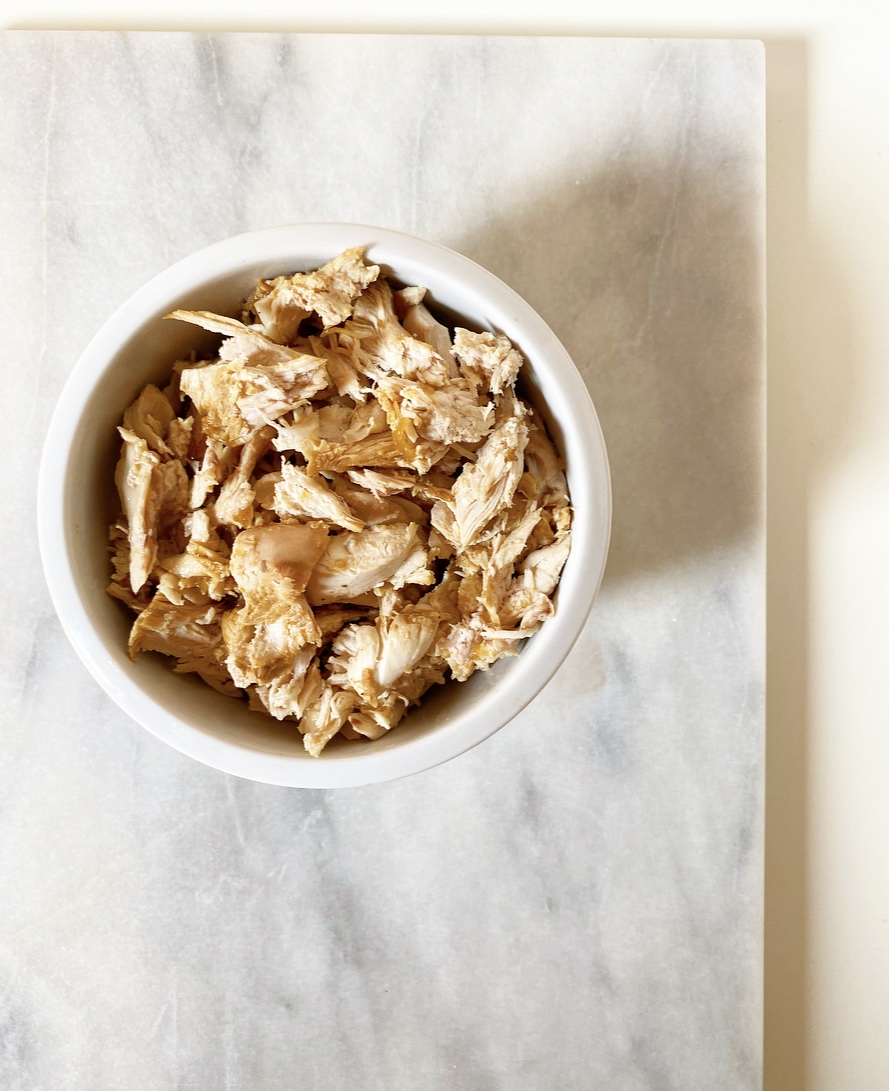 I won’t lie to you, a from-scratch Chicken Pot Pie can take a bit of time to prepare. All of the filling ingredients have to be cooked before they can be put together. This includes the chicken; I made a
 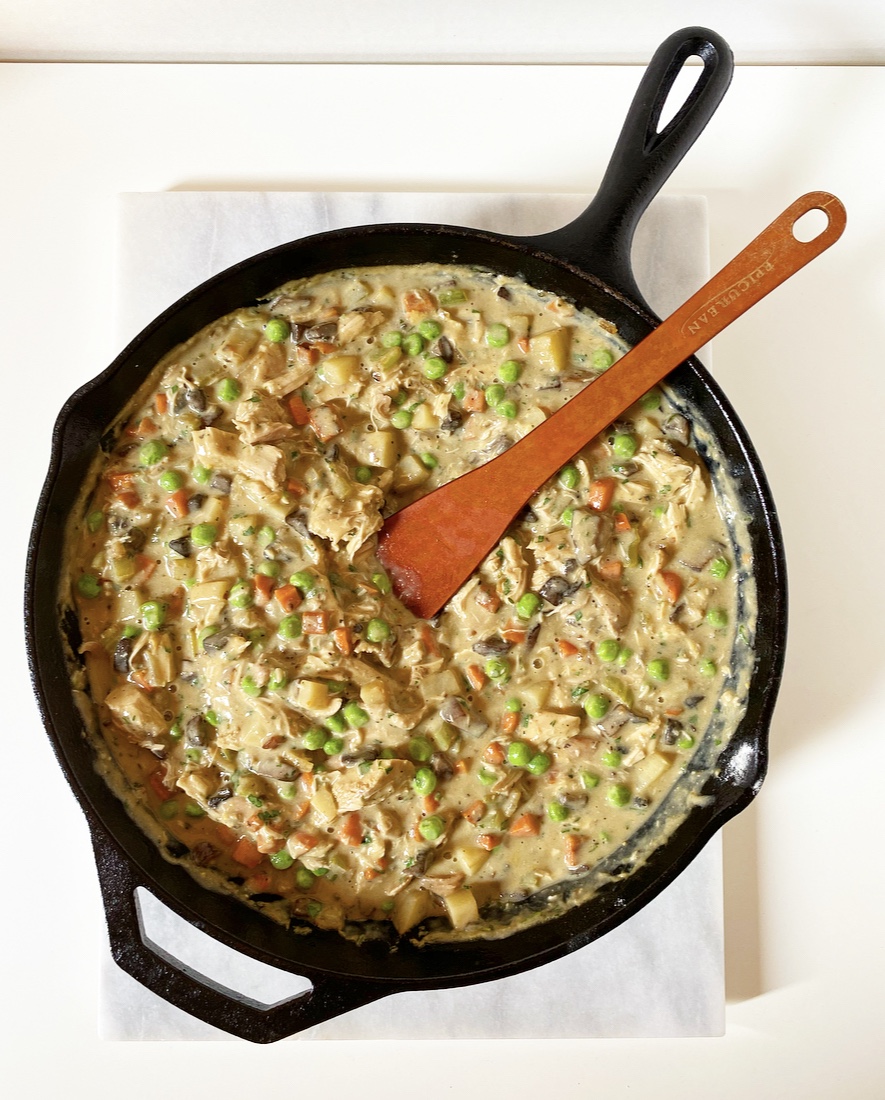 Once the various vegetables are cooked in butter until fork-tender, they all go in a big skillet together, and then you build the gravy on top of them. Stir in some flour (creating a sort of roux), then chicken stock, cream, dijon mustard, fresh herbs, salt and pepper. Simmer it all for ten minutes before removing the saucy, bubbling mix from the heat. Stir in your chicken and some frozen peas, then set your filling aside so you can roll out the buttermilk biscuit crust.
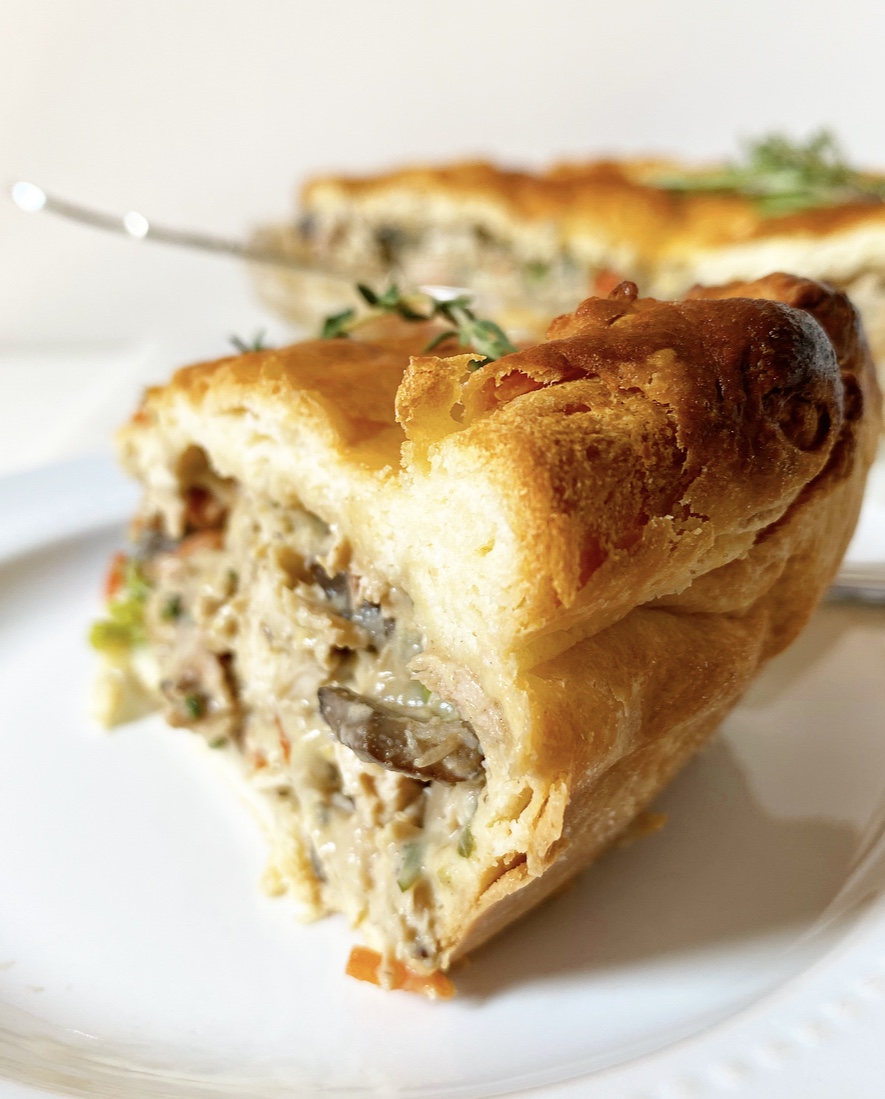
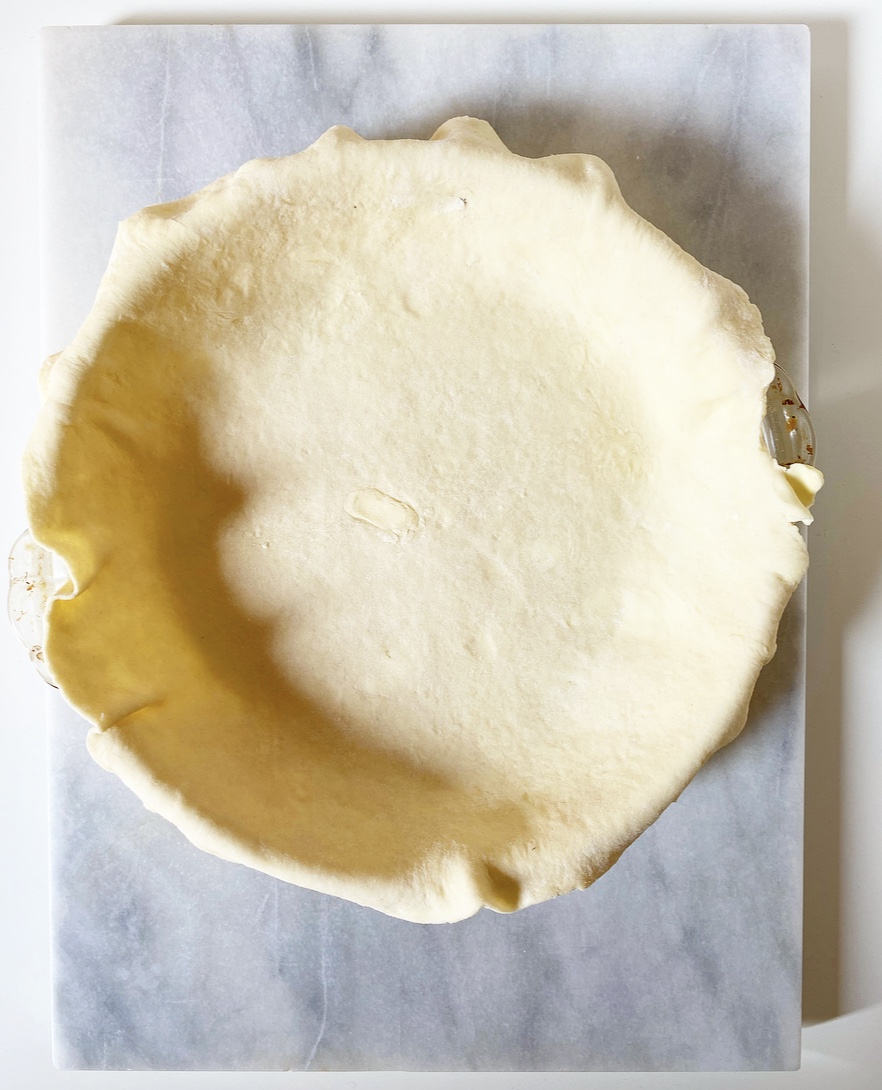 Oh yes, back to the buttermilk biscuit crust! It’s tender and flaky, and you’re going to freaking flip over how easy it is to make. The dough comes together exactly as it does when you’re making traditional biscuits, except after all the folds and turns it’s split in half and chilled while you make the filling. At this point, when the filling is cooling a bit, the dough is rolled out and fitted to the pan just like any other pie crust. As biscuit dough is softer and contains half the butter of most pie doughs, I found this remarkably easy with which to work.
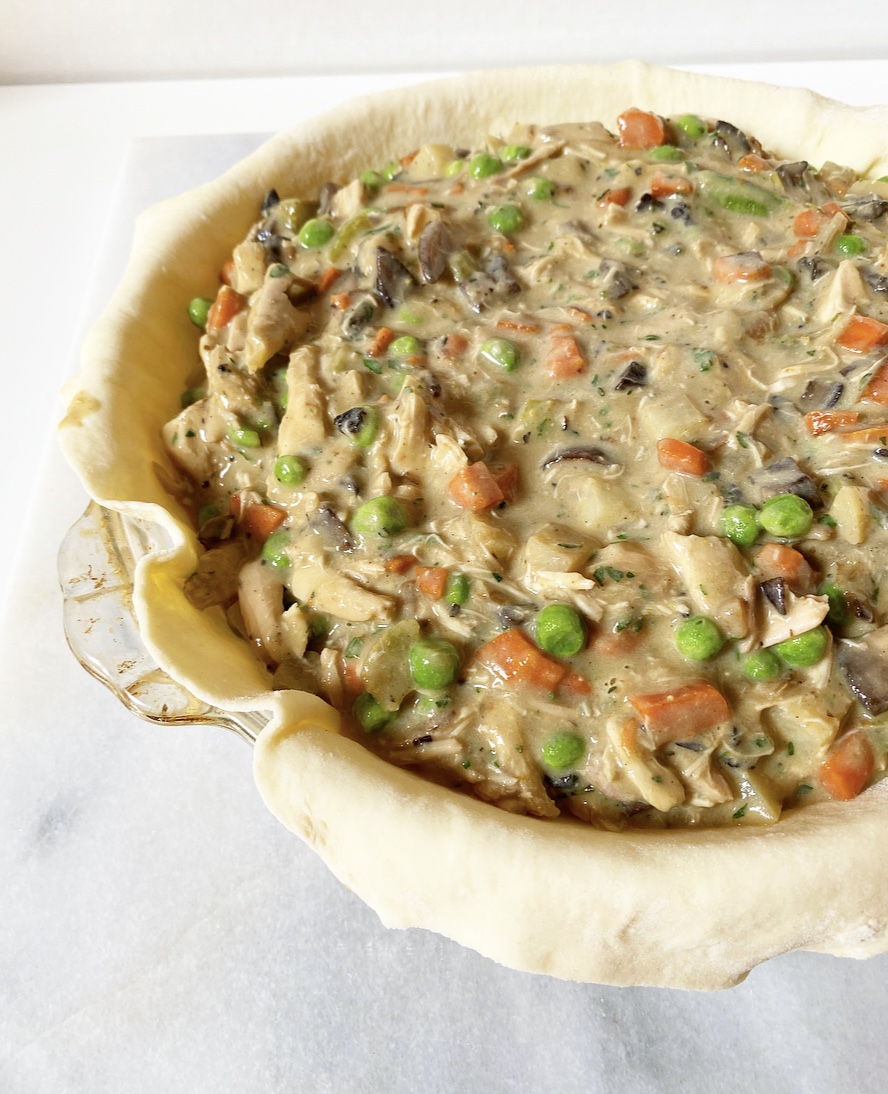 To finish off your Chicken Pot Pie, fill the bottom crust with your filling, then drape on the top crust, cut a few vents, paint the whole thing with egg wash, and bake it for about 30 minutes. Once your pie is burnished and bubbling, it’s time for dinner.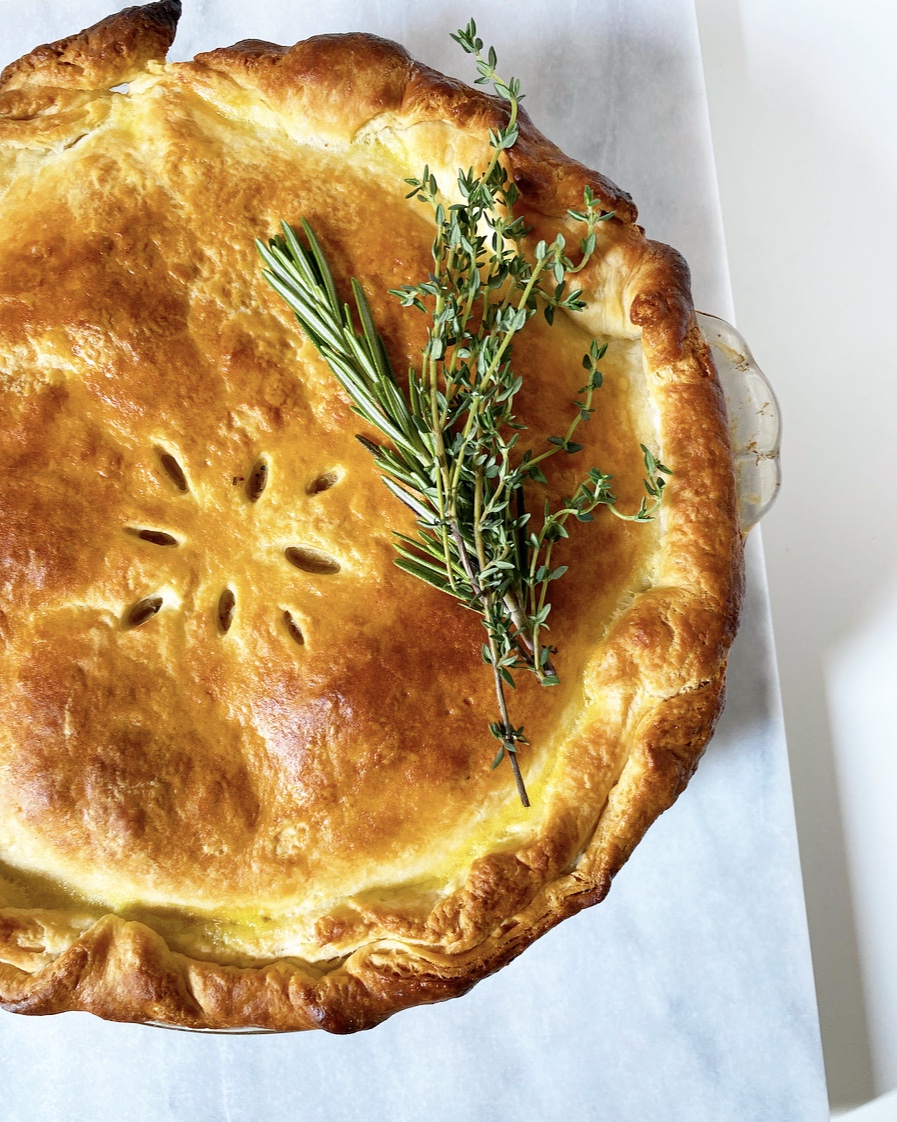
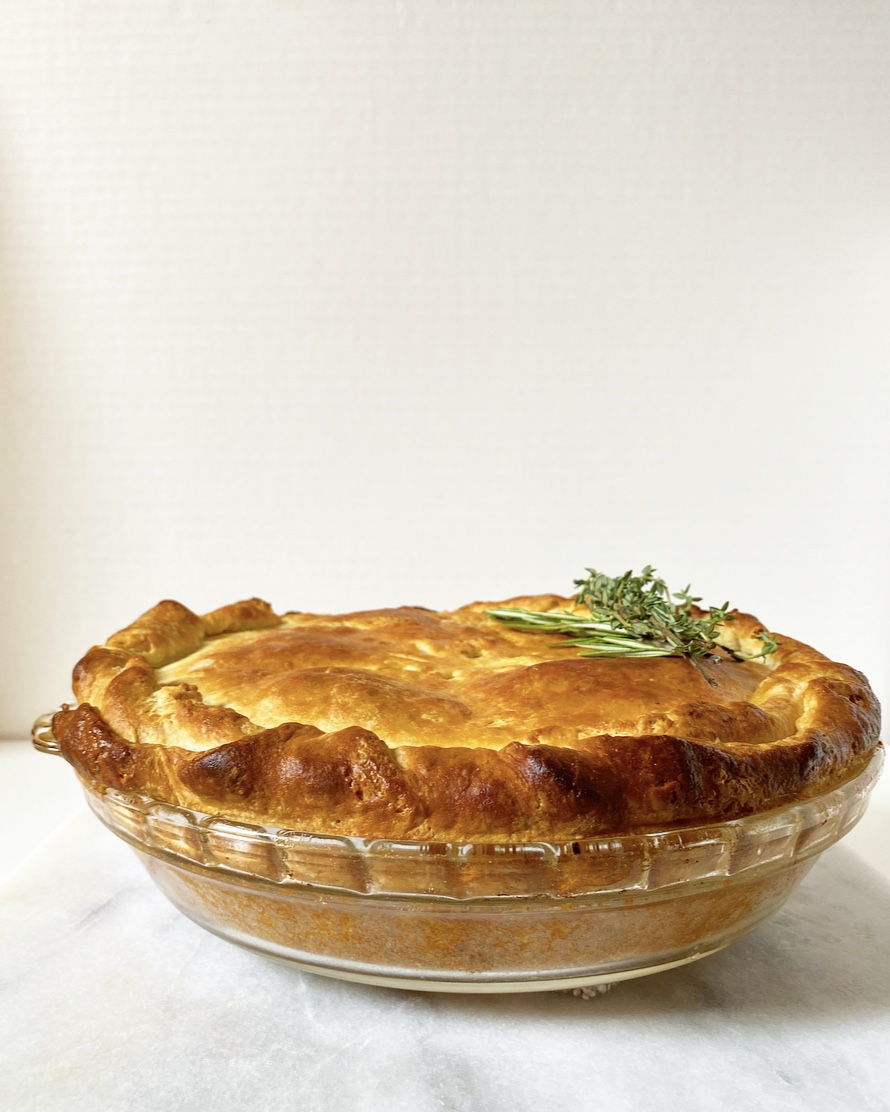 And oh, what a dinner it is. The filling is creamy and chickeny and rich, but never as heavy as I think it will be. The buttermilk biscuit crust is slightly puffed and perfectly browned, and retains distinct layers, just like it would in its traditional form.
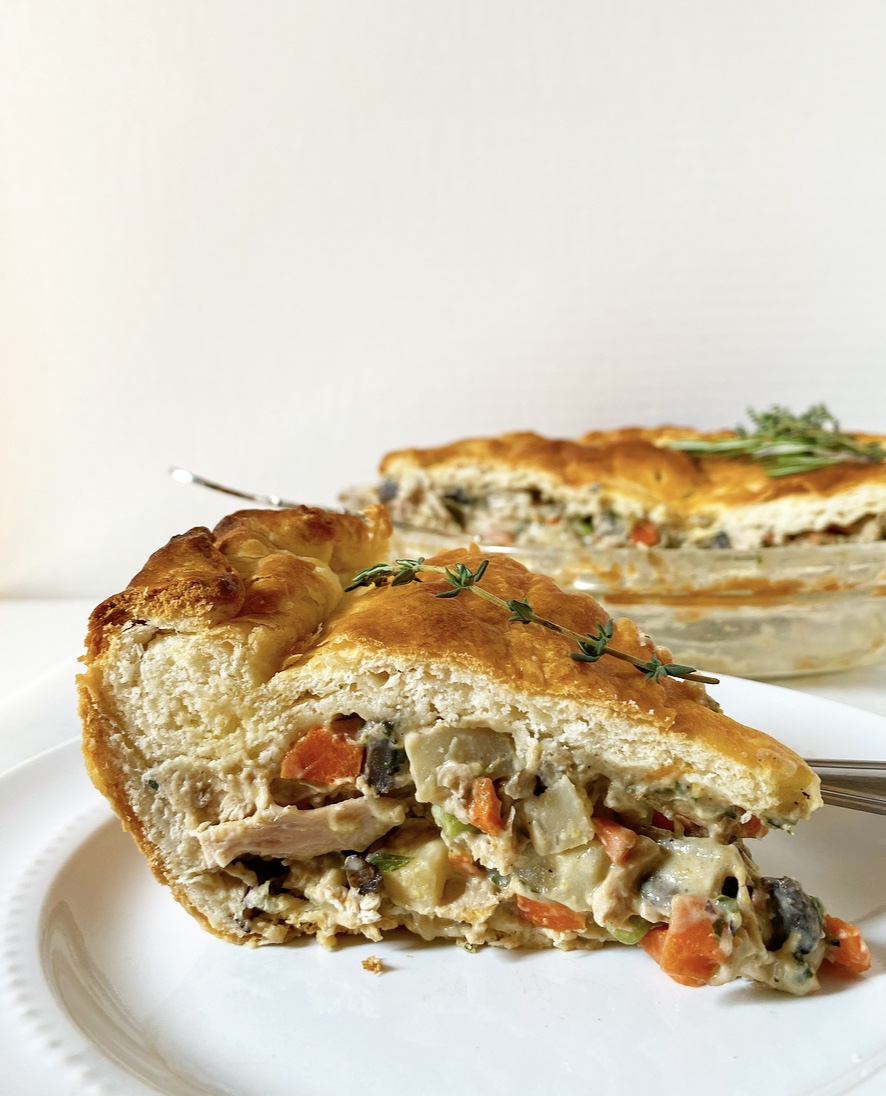 This is the best sort of Sunday dinner…or Monday through Thursday dinner if you, like me, have the enviable job of eating the whole thing yourself. Food blogger life isn’t always as glamorous as it seems, but I was happy to take this one for the team.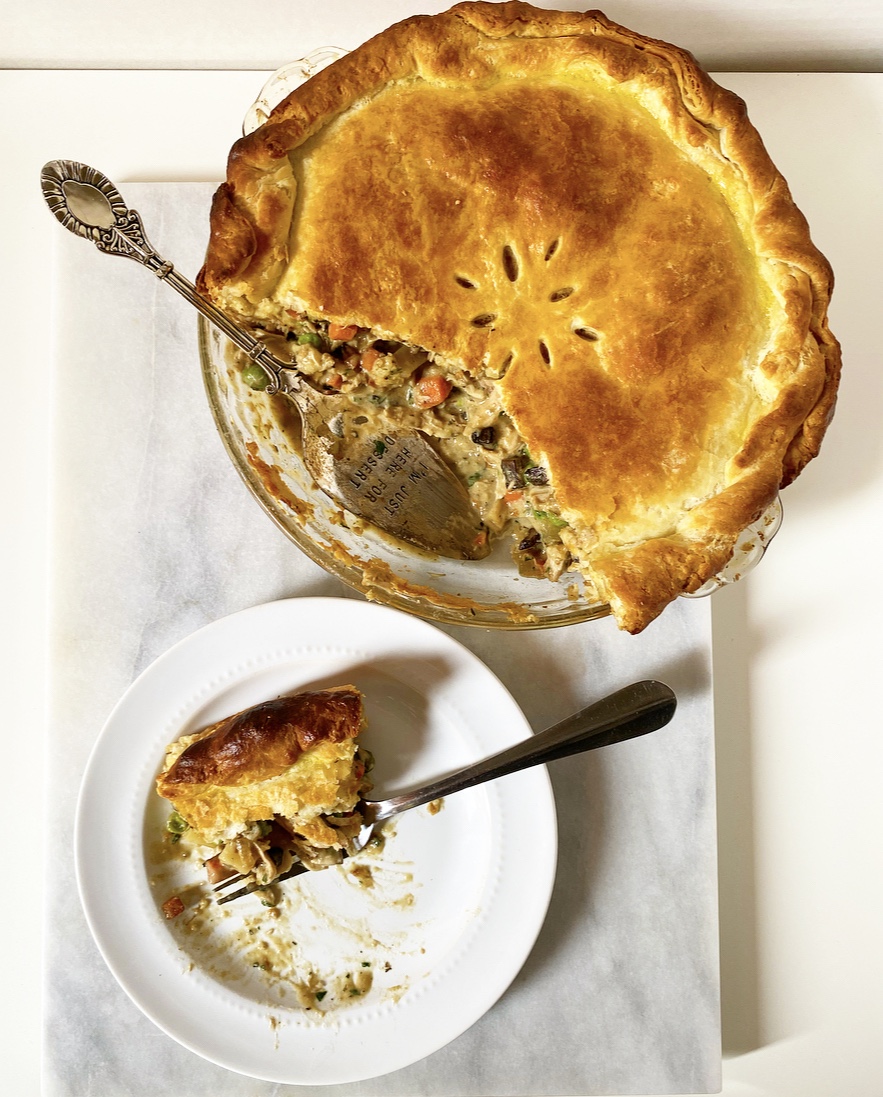


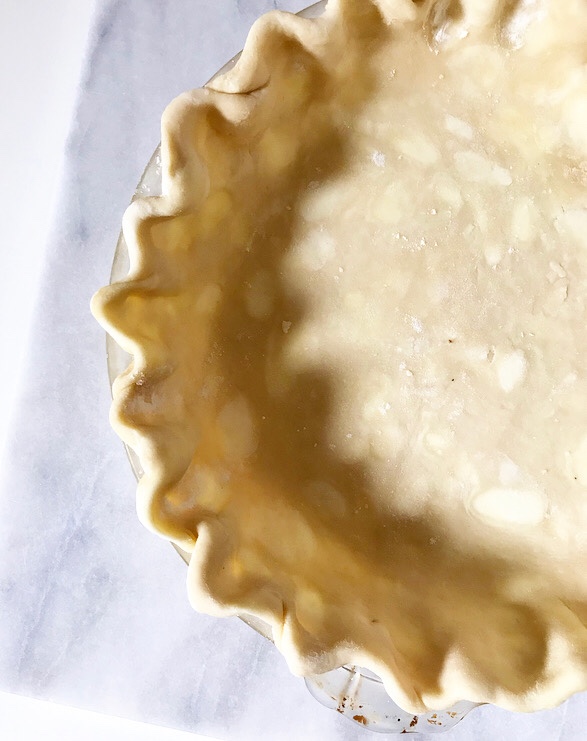 Since the very beginning of this blog, I have sung the praises of my
 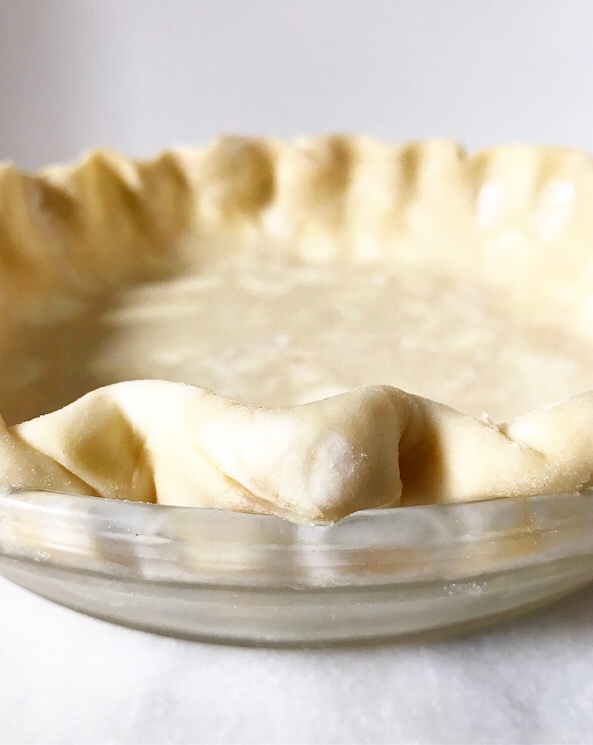 I’ll be the first to tell you that I’m not reinventing the wheel with this crust. There are a gazillion all-butter pie doughs out there and nearly all of them have similar proportions and instructions, which makes it all the more surprising that I had to test this recipe six times to get it exactly how I want it.
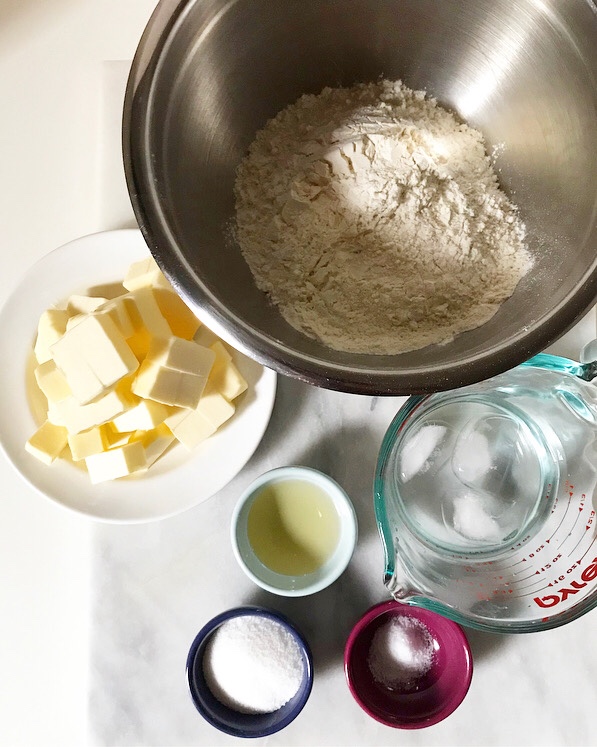 All-Butter Pie Dough requires just six ingredients. Six! You probably have all of them in your kitchen right now.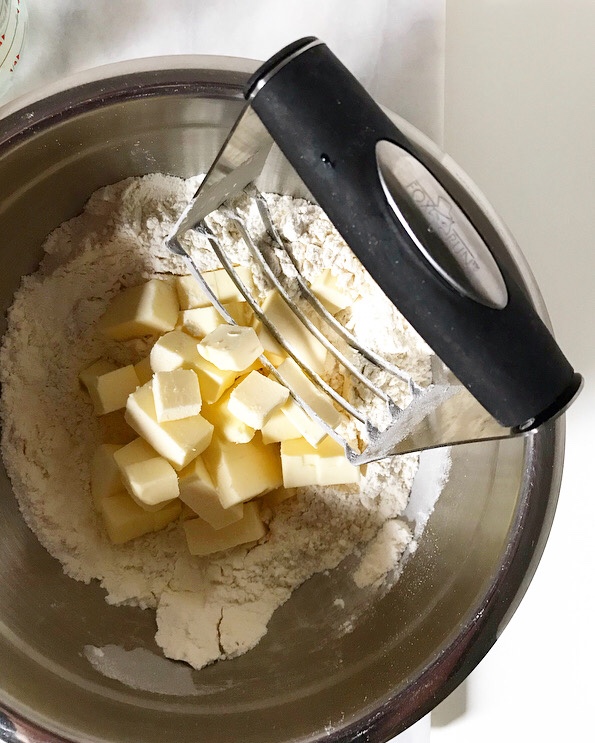



 If pie dough makes you jittery or this is your first year making it from scratch, never fear! All-Butter Pie Dough is very simple to make. Once you’ve made your first batch, you’ll wonder what you were ever afraid of…but just in case you need a little extra encouragement, here are some of my best pie dough tips.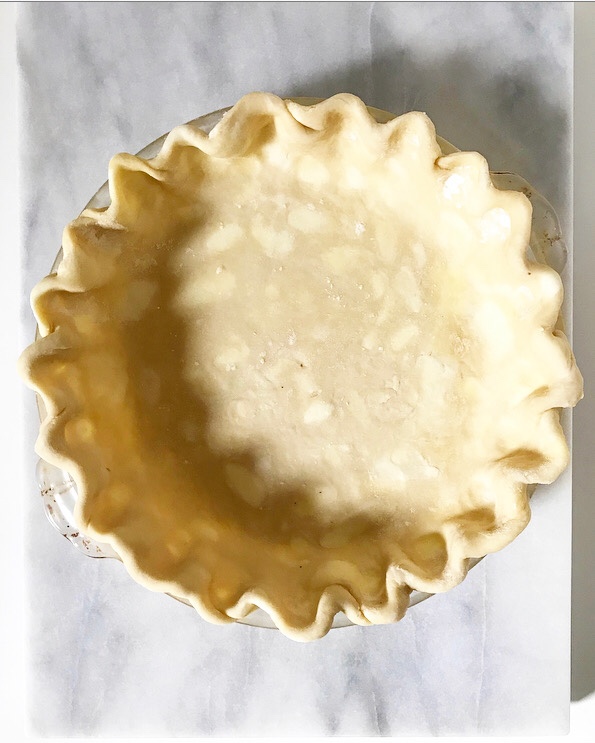





 e2 bakes brooklyn